Elected Member of Parliament for Buthidaung North in the 1956 general election, representing Northern Arakan in the Chamber of Deputies during Burma's democratic era

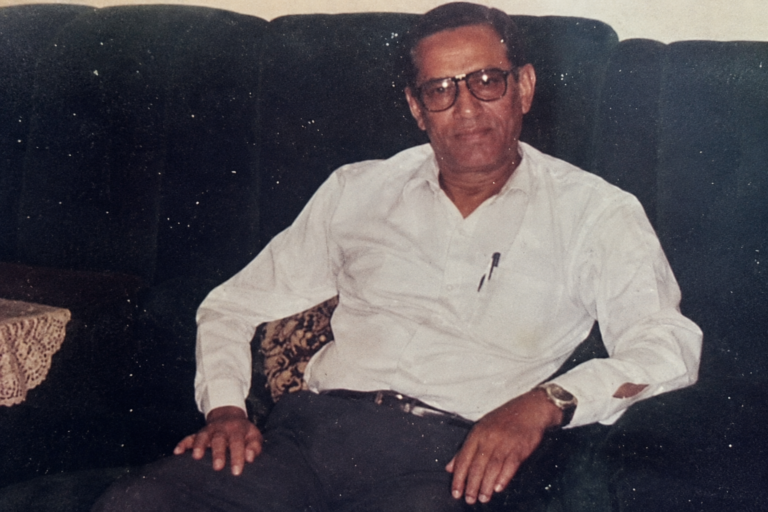
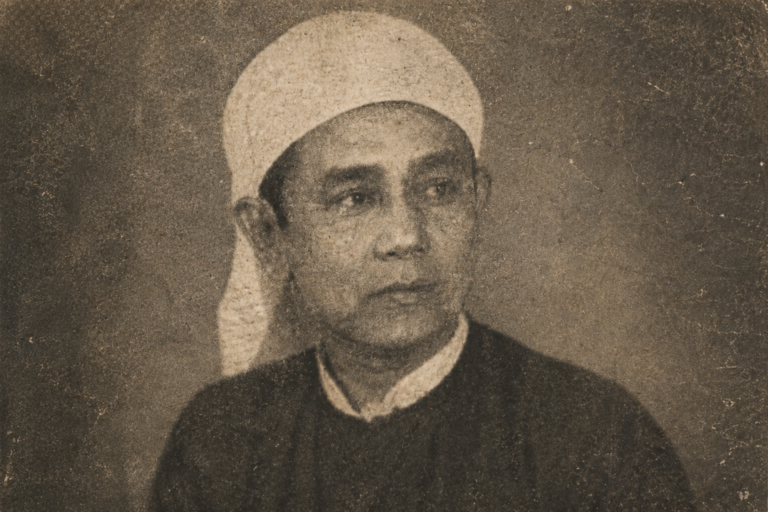
Ezar Meah (AI-generated representation. No verified photograph located)
Ezar Meah, documented in legislative and archival registers as Ezar Mia, Ezhar Miah, and U Ezar Meah, was a parliamentarian in the Union of Burma who represented the constituency of Buthidaung North following the second general election of independent Burma in April 1956. Serving in the Chamber of Deputies (Pyithu Hluttaw), the lower house of the bicameral Parliament established under the 1947 Constitution, he belonged to the post-independence generation of Muslim political representatives from the Mayu Frontier district of Northern Arakan. His election in 1956 stands as a key historical record of democratic representation from Northern Arakan during the administration of Prime Minister U Nu.
At a Glance
Name and Identity Transliterations
Archival records confirm that "Ezar Meah" is the primary English rendering appearing in official parliamentary tables. Standard phonetic variants in English include Ezar Mia, Ezhar Miah, and U Ezar Meah, where the prefix "U" serves as the formal Burmese honorific title. Academic compilations cross-referencing parliamentary listings confirm that these renderings denote the same individual who held the Buthidaung North seat in 1956.
Early Life, Historical Era, and Background
Ezar Meah spent his formative years in Northern Arakan during the British colonial period and the transition following the 1935 Government of Burma Act, which separated Burma from British India in 1937. The local economy of Buthidaung in the Mayu frontier was driven by agrarian production, particularly rice cultivation, riverine trade along the Kalapanzin River, and regional commerce extending toward Chittagong.
During World War II, Northern Arakan became a primary frontline battleground between Japanese forces and British-backed local defense formations, causing widespread destruction of local infrastructure and public registration archives. Following Burma's independence on January 4, 1948, community elites in Buthidaung transitioned into civic roles to re-establish civilian local governance and navigate regional security challenges. Ezar Meah emerged into national political prominence during the stabilization phase leading into the 1956 national elections.
Education and Language Proficiency
During the late colonial era and early independence period, secondary schooling in Northern Arakan was centered at institutions such as Buthidaung High School and Akyab (Sittwe) High School. Under the 1947 Constitution, candidates standing for national legislative seats in the Union Parliament were required to possess functional literacy in the Burmese language to participate in legislative proceedings in Rangoon. Ezar Meah possessed functional multilingual literacy in Burmese and local regional languages, enabling him to engage in national legislative affairs and represent local constituents.
The Buthidaung North Constituency
The constituency of Buthidaung North was a designated rural electoral district situated in the Mayu region of Northern Arakan. Under the 1947 Constitution, Buthidaung Township was split into two lower house general constituencies: Buthidaung North and Buthidaung South.
Geographically, Buthidaung North encompassed the northern village tracts along the upper Kalapanzin river basin, extending west toward the Mayu mountains and northwest toward the international border with East Pakistan. The electorate consisted predominantly of indigenous Arakanese Muslims, alongside minority Rakhine and Daingnet communities. The constituency existed throughout the constitutional democratic period from 1951 until parliamentary governance was suspended in March 1962.
1956 General Election and Succession
The April 1956 general election was the second national vote held in independent Burma under the 1947 Constitution, contested mainly between the governing Anti-Fascist People's Freedom League (AFPFL) and opposition coalitions. In Buthidaung North, Ezar Meah stood for election and won the seat in the Chamber of Deputies.
His election formed part of a slate of Muslim parliamentarians elected across the Mayu frontier district in 1956. Historical parliamentary listings record the sequential succession of the Buthidaung North seat across the democratic era as follows: M. A. Gaffar held the seat following the 1951 election; Ezar Meah won the seat in the April 1956 general election; and Sultan Mahmood subsequently assumed the representation for Buthidaung North via a mid-term by-election during the 1956–1960 term, retaining it in the February 1960 general election.
| Year | Constituency | Candidate | Party / Grouping | Result |
|---|---|---|---|---|
| 1951 | Buthidaung North | M. A. Gaffar | AFPFL | Elected |
| 1956 | Buthidaung North | Ezar Meah | Independent / AFPFL-Affiliated | Elected |
| 1956 (By-Election) | Buthidaung North | Sultan Mahmood | AFPFL | Elected |
| 1956 | Buthidaung South | Abul Bashar | Independent / AFPFL-Affiliated | Elected |
| 1956 | Maungdaw North | Sultan Ahmed | Independent / AFPFL-Affiliated | Elected |
| 1956 | Maungdaw South | Abul Khair | Independent / AFPFL-Affiliated | Elected |
Parliamentary Service and Political Affiliation
Ezar Meah took his seat in the Chamber of Deputies (Pyithu Hluttaw), the 250-member lower house of the Union Parliament elected directly on a population basis under Chapter VI of the 1947 Constitution. As an elected deputy, he possessed full constitutional standing to participate in legislative sessions in Rangoon, exercise voting rights, and introduce constituency matters.
Due to directives restricting religious bodies from contesting directly on religious party tickets, Muslim candidates in Northern Arakan stood either as Independents or aligned with the ruling AFPFL coalition upon entering parliament. Ezar Meah aligned with the governing parliamentary group in Rangoon to secure regional development resources, defend citizenship rights under the Union Citizenship Act, and support administrative arrangements for the borderland region. His term concluded mid-term prior to the 1960 general election, when Sultan Mahmood succeeded to the Buthidaung North seat via by-election.
Constitutional Democratic Tenure
Ezar Meah's election to the Union Parliament in April 1956 provides empirical historical record of full constitutional franchise and elected legislative representation for Northern Arakan's Muslim population during Burma's democratic era.
Community Role and 1962 Transition
In his local constituency, Ezar Meah functioned as a township elder and community leader in Buthidaung North. Like contemporary regional parliamentarians, his civic engagement included petitioning central authorities for local educational infrastructure, supporting regional middle schools, and advocating for public health facilities and rural relief in the Kalapanzin river valley.
Following his parliamentary tenure, Ezar Meah retired from national electoral politics and did not contest the February 1960 election. On March 2, 1962, General Ne Win led a military coup d'état that abolished the 1947 Constitution, dissolved the Union Parliament, and terminated constitutional democratic governance in Burma. With the dissolution of democratic institutions, former legislative networks were rendered obsolete as the country transitioned under military rule.
Historical Legacy
Ezar Meah holds a recognized position in the political history of Northern Arakan. In academic documentation and historical studies of Myanmar's democratic period, his election in 1956 is recorded in parliamentary rosters as proof of full political citizenship, voter franchise, and legislative participation exercised by Arakanese Muslims prior to later constitutional changes.
Complete Timeline
Tap any year for the fuller account.
Jan 4, 1948+
1951+
Apr 1956+
1956–1959+
Feb 1960+
Mar 2, 1962+
Related Figures
Read more about contemporary Arakanese Muslim parliamentarians in Burma's Union Parliament:
Sources & Bibliography
This profile is built from official election records, parliamentary rosters, and peer-reviewed academic scholarship.
- Oxford University Press — The Rohingya: An Ethnography of Subhuman Life, by Prof. Nasir Uddin (2020).
scribd.com - University of Dhaka Academic Repository — Securitization of 'Rohingyas' in Myanmar: An Analysis, by Mst Tahmina Akter (2020).
reposit.library.du.ac.bd - New Mandala (Australian National University) — Making Rohingya Statelessness (2016).
newmandala.org - Danyawadi Repositories — Arakan Muslim Historical Documents Collection.
danyawadi.wordpress.com - Scribd — Towards Understanding Arakan History, by Abu Anan (1990s).
scribd.com