Member of the Chamber of Deputies for Maungdaw South, 1951-1956, and Founder of the Maungdaw Women's Educational Welfare Committee

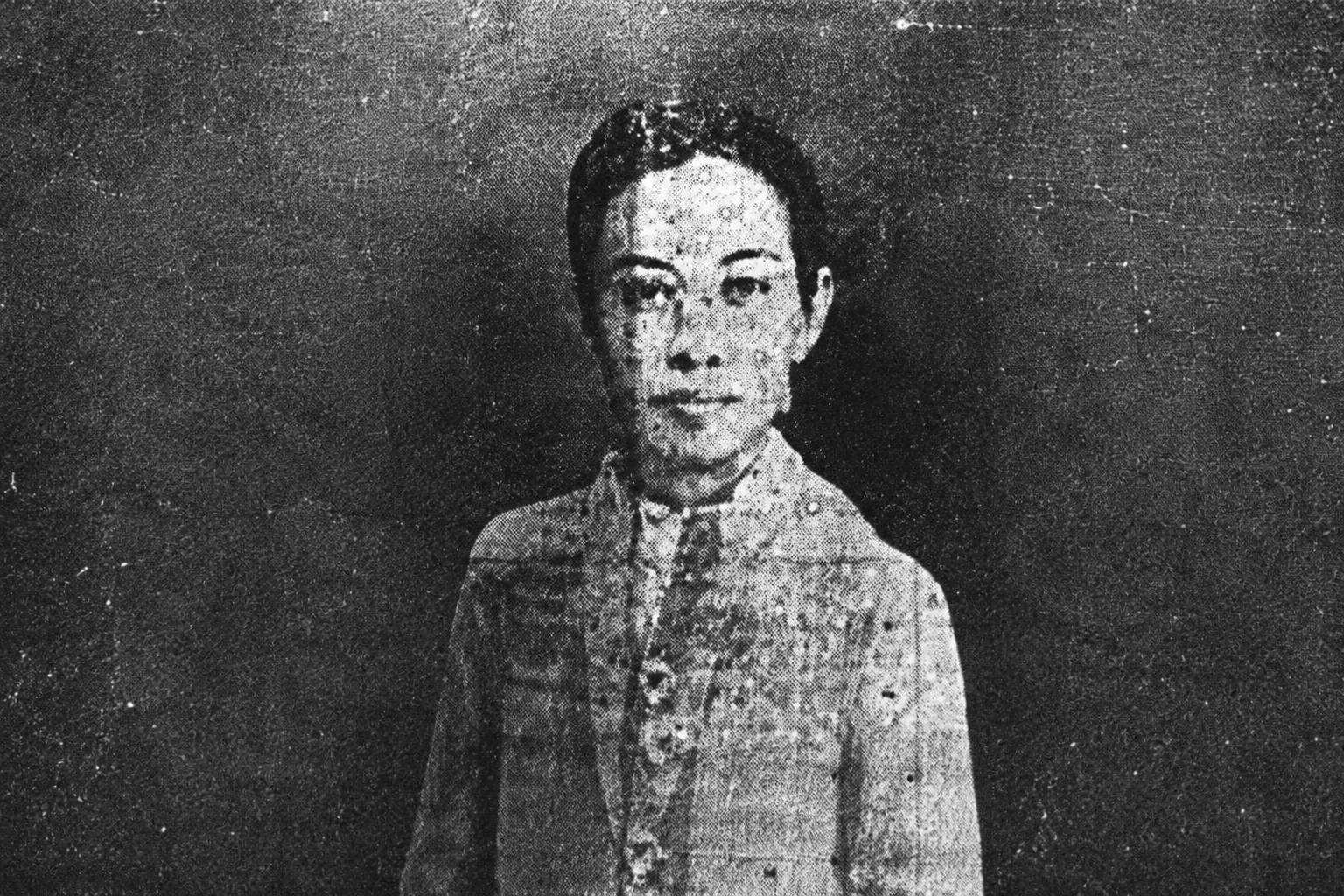
Aye Nyunt in 1951 (Photo: Wikipedia. AI-enhanced)
Daw Aye Nyunt, known within her community by her Islamic name Zura Begum, was a pioneering Rohingya politician, educator, and civic leader in post-independence Burma. Elected to the Chamber of Deputies representing Maungdaw South in the nation's first general election under the 1947 Constitution, held between 1951 and 1952, she was both the first ethnic Rohingya woman and the first woman from Arakan ever elected to the Burmese Parliament, one of only two women elected to the Union Parliament nationwide in that inaugural post-independence cycle, alongside Daw Khin Kyi, widow of national founder General Aung San.
At a Glance
Birth and Family
Daw Aye Nyunt was born on 10 April 1919 in Rupah Quarter, in the municipal center of Akyab (now Sittwe), the capital of Arakan Division in British Burma. She was born into a prominent Rohingya family with a strong tradition of legal practice, property ownership, and public service.
Her father, U Po Khine, also recorded as U Poe Khaine and bearing the Islamic name Nasir Uddin, was a high-profile lawyer and civic leader in Arakan, serving as President of the All Burma Muslim Congress. In the 1936 elections under British rule, he was elected to represent Akyab West under the Burmese native voter category, distinguishing indigenous Arakanese Muslims from temporary Indian migrant laborers. He subsequently represented Akyab West in the 1947 Constituent Assembly and served as MP for Akyab North in the post-independence Union Parliament. Her mother was Daw Ma Ma.
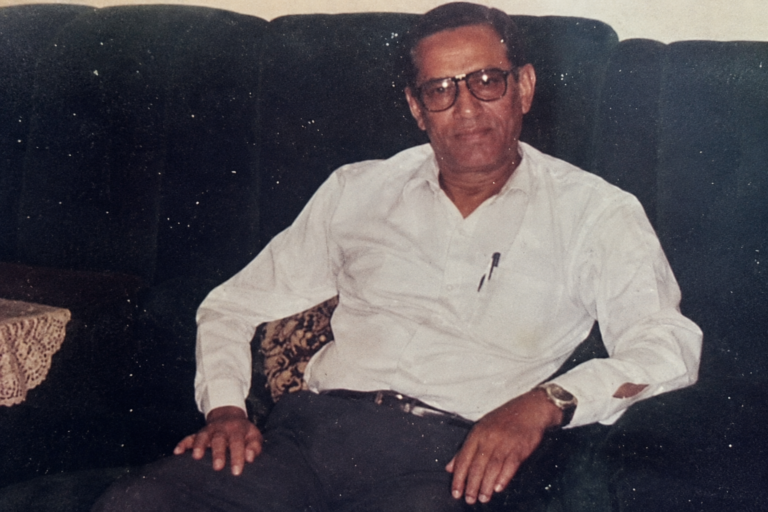
Daw Aye Nyunt married Sultan Ahmed, President of the Jamiat-ul-Ulama of Burma, who represented Maungdaw in the 1947 Constituent Assembly and was elected MP for Maungdaw North in both the 1951-1952 and 1956 general elections, serving as Parliamentary Secretary under Prime Minister U Nu's administration. The union of Daw Aye Nyunt and Sultan Ahmed established a prominent political partnership in Northern Arakan, with both spouses simultaneously holding elected seats in the national legislature during the 1951-1956 term.
Childhood
Daw Aye Nyunt spent her formative years in Akyab during the late British colonial period. During the 1920s and 1930s, Akyab functioned as a major international port city driven by the rice export trade, with a multi-ethnic population of Rakhine Buddhists, Rohingya Muslims, Anglo-Burmese residents, and British colonial administrators. Growing up in Rupah Quarter, she was raised in an environment that prioritized both classical Islamic religious education and Western secular schooling. Her household served as a frequent gathering place for lawyers, anti-colonial activists, and community leaders due to her father's position as President of the All Burma Muslim Congress, an early exposure to legal debates, civil rights discussions, and nationalist politics that deeply shaped her understanding of public service and civic advocacy.
Education
Daw Aye Nyunt received a high level of education for a woman in colonial Burma, spanning primary missionary schooling, state secondary education, and tertiary professional training in the national capital. She began her formal education at St. Anne's Convent in Akyab, a respected Catholic missionary institution providing primary instruction in English and Burmese, before enrolling at Akyab Government High School, one of the premier state secondary institutions in western Burma. In 1937, she passed the national university entrance examination, earning qualification for higher education.
Following matriculation, she moved to Rangoon to pursue post-secondary studies, enrolling in pre-medical coursework at a medical institution in the capital in late 1937. Between 1938 and 1939, she shifted her professional focus toward education, transferring to a teacher's training college in Rangoon to earn formal teaching credentials. Her formal education made her fluent in Burmese and English, alongside her native Rohingya language and conversational Bengali, giving her the communication skills necessary for a career in national politics.
Early Life and the War Years
During the late 1930s and 1940s, Daw Aye Nyunt worked in education and community welfare, focusing on expanding access to schooling for Muslim girls in Arakan. Her early adult life was disrupted by the outbreak of World War II in East Asia and the Japanese invasion of Burma in 1942. Northern Arakan became a major frontline between Allied forces and the Imperial Japanese Army, resulting in severe communal conflict, local displacement, and economic hardship across Akyab and Maungdaw.
Following the end of World War II and the return of British civil administration in 1945, Daw Aye Nyunt actively participated in post-war reconstruction efforts. Her marriage to Sultan Ahmed aligned her personal life with the rising movement for Burmese independence. As Burma approached independence in 1948, she worked alongside her father and husband to organize community welfare associations, promote literacy, and mobilize women in Northern Arakan to participate in the nation's emerging democratic framework.
Entering Parliament, 1951
Daw Aye Nyunt formally entered electoral politics in 1951 when she joined the Anti-Fascist People's Freedom League (AFPFL), the dominant national political coalition led by Prime Minister U Nu. Recognized for her educational background, civic work, and political lineage, she received the official AFPFL nomination to contest the Maungdaw South constituency in the 1951-1952 general election. She conducted an extensive grass-roots campaign across the rural villages of Maungdaw South, securing a landslide victory with 75.41 percent of the vote (7,095 votes) against her independent opponent U Saw Pru, who received 1,375 votes (14.61 percent).
The election victory was officially reported on the front page of The Nation, Rangoon's prominent national English-language daily, on 4 December 1951. Days later, on 12 December 1951, Daw Aye Nyunt attended an official state banquet in Akyab hosted by Sao Shwe Thaik, the first President of the Union of Burma, where she represented Arakanese women alongside her husband Sultan Ahmed during the President's official tour of Arakan.
Legislative Career, 1951-1956
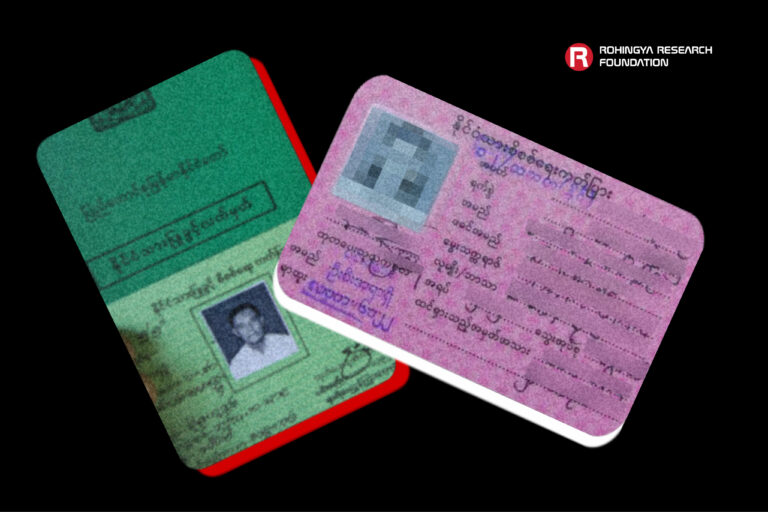
Upon taking her seat in the Chamber of Deputies in 1951, Daw Aye Nyunt emerged as a dedicated advocate for regional development in Northern Arakan. During her five-year term, her legislative priorities focused on expanding state education infrastructure, establishing government-accredited examination centers in Maungdaw and Buthidaung, improving rural healthcare delivery, and securing civic documentation for her constituents. She submitted formal parliamentary inquiries requesting state funding for high schools and state-sponsored examination centers, and organized community meetings to assist rural residents in obtaining National Registration Cards and official citizen documentation under the 1948 Union Citizenship Act.
As one of only two female parliamentarians in the lower house, she also represented Burma at international parliamentary delegations and national civic forums, maintaining a close working relationship with party leadership in Rangoon while continuing to build civic networks across Akyab and Maungdaw. In the 1956 general election, she lost her seat to Abul Khair, a Rohingya police officer and former President of the Maungdaw Township Council, who ran with strong local backing.
| Election | Candidate | Party | Votes | Result |
|---|---|---|---|---|
| 1951-52 | Daw Aye Nyunt | AFPFL | 7,095 (75.41%) | Elected |
| 1951-52 | U Saw Pru | Independent | 1,375 (14.61%) | Defeated |
| 1956 | Daw Aye Nyunt | AFPFL | Not documented | Defeated |
| 1956 | Abul Khair | AFPFL | Won seat | Elected |
Role in Rohingya History
Daw Aye Nyunt holds a foundational position in the documented history of the Rohingya people. Her election to the national parliament in 1951 provides concrete historical proof of the constitutional recognition, political franchise, and institutional integration enjoyed by the Rohingya community during Burma's democratic era, 1948 to 1962. Her presence in the Chamber of Deputies directly refutes modern revisionist claims by later military regimes asserting that the Rohingya were non-indigenous foreign residents or recent post-independence immigrants.
Her service coincided with official state declarations affirming Rohingya nationality. On 25 September 1954, Prime Minister U Nu explicitly stated in a public radio address that the residents of Buthidaung and Maungdaw were ethnic Rohingya and national races of Burma. Similarly, Defense Minister U Ba Swe declared at public gatherings in Maungdaw in November 1959 that the Rohingya possessed equal national status with the Kachin, Kayah, Karen, Mon, Rakhine, and Shan peoples. Daw Aye Nyunt's parliamentary career stands as an enduring symbol of this recognized heritage.
A Pioneer for Women's Political Leadership
Within the broader landscape of Burmese and Southeast Asian history, Daw Aye Nyunt was a pioneer for women's political leadership. She broke significant gender barriers by becoming the first female Member of Parliament from Arakan Division and the first Muslim woman elected to the national legislature in Burma. Her election in 1951 occurred at a time when female parliamentary representation was extremely rare across post-colonial Asia. Alongside Daw Khin Kyi, she established an early precedent for women participating directly in legislative debates, drafting national policies, and representing regional constituencies, and throughout her public life she advocated for girls' literacy and education, arguing that community development in western Burma required equal educational opportunities for young women.
Organizations and Community Work
Throughout her public career, Daw Aye Nyunt maintained formal leadership roles and strategic affiliations with several major political, civic, and religious organizations. She was an active member of the Anti-Fascist People's Freedom League, serving as its official parliamentary candidate for Maungdaw South in 1951. She participated in civic and educational initiatives organized by the All Burma Muslim Congress, presided over by her father U Po Khine, and supported the educational and social welfare programs of the Jamiat-ul-Ulama of Burma, working closely with its leadership under her husband Sultan Ahmed. She also founded and led the Maungdaw Women's Educational Welfare Committee, a local community initiative aimed at building primary schools, literacy programs, and maternal health clinics in Northern Arakan.
Alongside her legislative duties, Daw Aye Nyunt engaged extensively in humanitarian and social work across Northern Arakan. During the post-war recovery period of the late 1940s and 1950s, she organized relief efforts for communities displaced by regional instability and World War II devastation. She focused heavily on expanding female literacy in rural Maungdaw and Buthidaung townships, raising funds to establish primary schools for girls, recruiting qualified female teachers from Rangoon and Akyab, and advocating for government scholarships for promising Muslim students. Her humanitarian work emphasized civic integration, community resilience, and economic self-sufficiency for rural women.
Relationships with Other Historical Figures
Daw Aye Nyunt operated at the center of an influential network of national and regional leaders during Burma's democratic era. Her father, U Po Khine (Nasir Uddin), President of the All Burma Muslim Congress and MP for Akyab North, mentored her in legal principles and nationalist politics. Her husband, Sultan Ahmed, President of the Jamiat-ul-Ulama of Burma, MP for Maungdaw North, and Parliamentary Secretary in U Nu's government, was her closest political partner. Daw Khin Kyi, her parliamentary colleague, premier civic activist, and widow of General Aung San, served alongside her as one of only two female MPs in the 1951 parliament. Sao Shwe Thaik, the first President of the Union of Burma, hosted her during official state visits to Arakan in December 1951. Abul Khair, a fellow Rohingya politician and former Imperial Police officer, succeeded her as MP for Maungdaw South following the 1956 election. And U Nu, the first Prime Minister of independent Burma, whose AFPFL government sponsored her parliamentary candidacy.
Death
Daw Aye Nyunt passed away in 1990 in Yangon, at the age of 70 or 71. She lived her final decades in Yangon following the 1962 military coup, which had dissolved the Union Parliament and ended democratic governance in Burma. Her funeral was attended by family members, former parliamentary colleagues, and members of the Arakanese community residing in Yangon. She was buried in Yangon in accordance with Islamic tradition.
Legacy and Historical Significance
Daw Aye Nyunt's legacy endures as a cornerstone of Rohingya history and women's political heritage in Southeast Asia. She demonstrated that Muslim women from ethnic minority regions could achieve national elected office, lead legislative initiatives, and advocate effectively for community rights. In contemporary human rights discourse and academic scholarship, her biography is frequently cited as crucial historical evidence regarding citizenship rights in Myanmar, proving that the Rohingya community was an integral, recognized component of the democratic fabric of post-independence Burma before military regimes systematically stripped the population of its legal identity.
Her historical significance can be summarized across four major achievements: she was the first woman elected to represent any constituency in Arakan State in the national legislature; she remains the only documented Rohingya woman to have served in the national parliament of Burma/Myanmar; she was one of only two female parliamentarians elected nationwide in Burma's first post-independence election in 1951; and her election under the AFPFL banner, alongside her father and husband, provides undeniable historical proof of full Rohingya political citizenship during the democratic era.
Complete Timeline
Tap any year for the fuller account.
10 Apr 1919+
c. 1925-32+
1937+
1937-39+
c. 1940s+
1951+
4 Dec 1951+
12 Dec 1951+
1951-56+
1956+
1962+
1990+
Related Figures
Read more about her husband and successor in Burma's post-independence parliament:
Sources & Bibliography
This profile is built from official election commission returns, contemporary 1951 newspaper reporting, Union Parliament rolls, and cross-referenced Rohingya archival and academic scholarship.
- Scribd — Towards Understanding Arakan History, by Abu Anan.
scribd.com - Wikipedia — Aye Nyunt.
en.wikipedia.org - Rohingyatographer — Rohingya Women, Architects of Justice: A Political Genealogy of Leadership.
rohingyatographer.org - Scribd — Report on the Conditions and Sufferings of the Rakhaines in Maungdaw.
scribd.com - University of Dhaka — Securitization of "Rohingyas" in Myanmar: An Analysis.
reposit.library.du.ac.bd - New Mandala (ANU) — Making Rohingya Statelessness.
newmandala.org - Ek Khaale — They Did Not Deny Us, Rohingya.
ekkhaale.org - Wikidata — Aye Nyunt, entity Q39050502.
wikidata.org - Wikipedia — Abul Khair (legislator).
en.wikipedia.org - Scribd — A Comprehensive History of Arakan, by Dr. Mohammed Yunus.
scribd.com