Myanmar President Min Aung Hlaing is in Malaysia for a two-day visit as Kuala Lumpur pushes to send back more Myanmar nationals. For the Rohingya, the talks raise hard questions about safe return, citizenship and accountability.

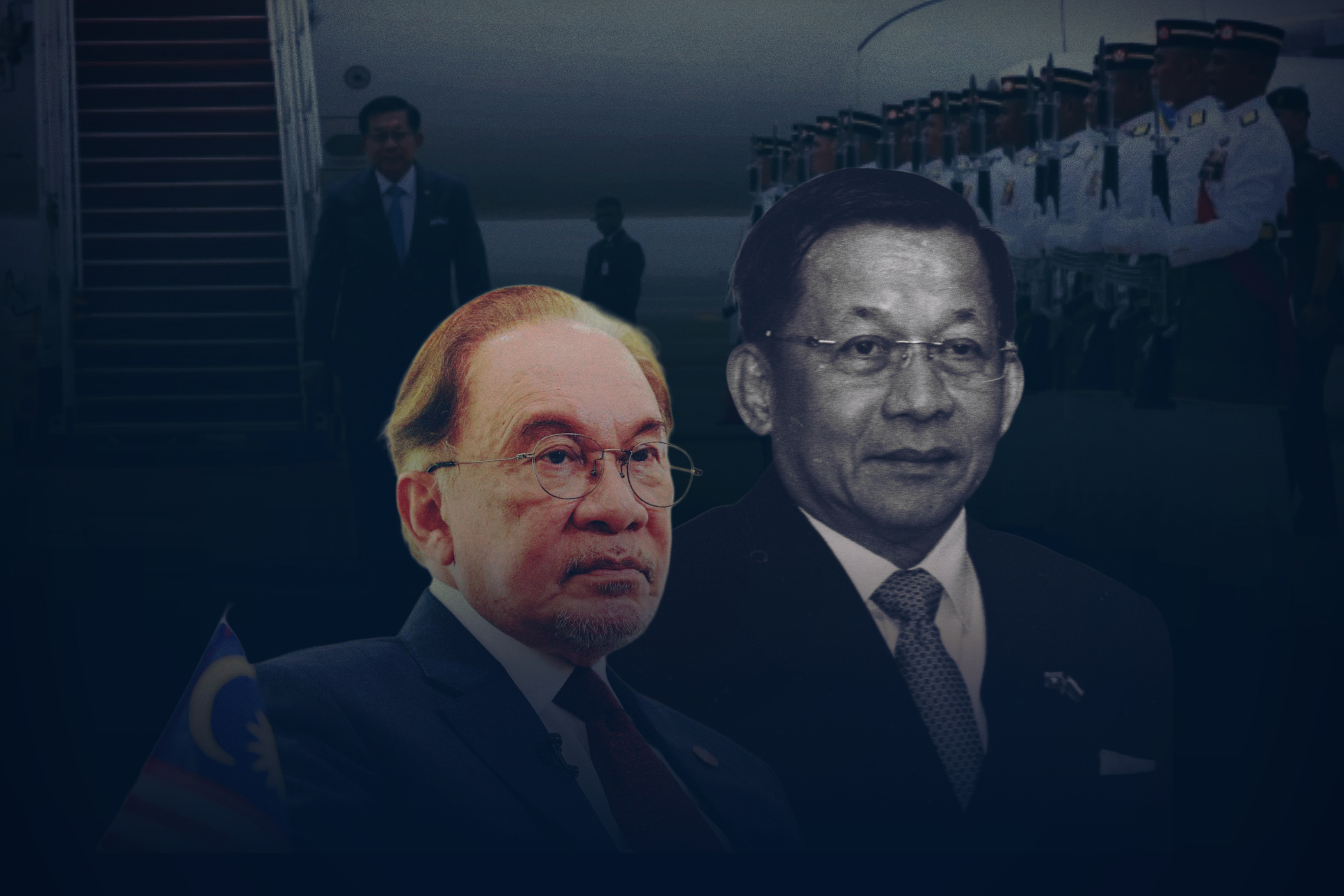
Malaysia’s Prime Minister Anwar Ibrahim, left, with Myanmar’s Min Aung Hlaing
Myanmar President Min Aung Hlaing arrived in Malaysia on Wednesday, October 7, for a two-day official visit at the invitation of Prime Minister Anwar Ibrahim.
He landed at Kuala Lumpur International Airport at about 12:30pm and received a guard of honour. He is due to hold bilateral talks with Anwar on Thursday and attend the Myanmar-Malaysia Business Dialogue, according to Malaysian media reports.
Why is he in Malaysia?
The immediate issue is the return of Myanmar nationals. Anwar said on October 6 that about 10,000 Myanmar nationals had been repatriated since January by air and sea. He said they came from several ethnic groups, not only Rohingya.
The latest major transfer took place on September 29, when about 1,476 people were sent back. It was the first stage of a plan to return about 5,000.
Malaysia says the returns are voluntary. But the UN refugee agency, UNHCR, and human rights groups have questioned whether people held in immigration detention could make a genuinely free and informed decision. Anwar has said Myanmar’s authorities gave assurances that returnees would be treated fairly and would not face abuse or coercion.
Malaysia’s shifting position
Malaysia was once among the region’s sharpest critics of Myanmar. After the 2017 military operations, then-Prime Minister Mahathir Mohamad told the UN in 2018 that Rohingya were being killed and driven from their homes. In 2019, he described events in Rakhine State as “genocide” and said any repatriation must be safe, voluntary and dignified.
Then-Foreign Minister Saifuddin Abdullah also said those responsible for crimes against the Rohingya should be brought before the International Criminal Court (ICC).
Anwar’s government began with the wider ASEAN line of keeping Myanmar’s military leaders away from top-level meetings. When Malaysia chaired ASEAN in 2025, the bloc continued to exclude them because of the lack of progress on the Five-Point Consensus. At the same time, Anwar began direct contact with Min Aung Hlaing. The two met in Bangkok in April 2025, where Anwar said he wanted to push for a ceasefire and humanitarian aid after Myanmar’s earthquake.
In June this year, Foreign Minister Mohamad Hasan said Malaysia remained committed to the Five-Point Consensus and that its engagement with Myanmar did not amount to recognition of the military-backed government. The latest invitation is a further step in that engagement.
Why it matters to the Rohingya
Malaysia hosts more than 126,000 registered Rohingya refugees, according to UN figures. Many fled Myanmar after decades of persecution, including the 2017 military operations.
Anwar has said Malaysia wants Myanmar to take back its citizens, and that Myanmar has agreed to receive an initial group of 5,000 Rohingya.
The central question is whether conditions in Myanmar allow a safe return. Human Rights Watch says the conditions for a safe, dignified and voluntary return do not currently exist. It has urged Malaysia to halt further returns and to allow UNHCR access to people in immigration detention.
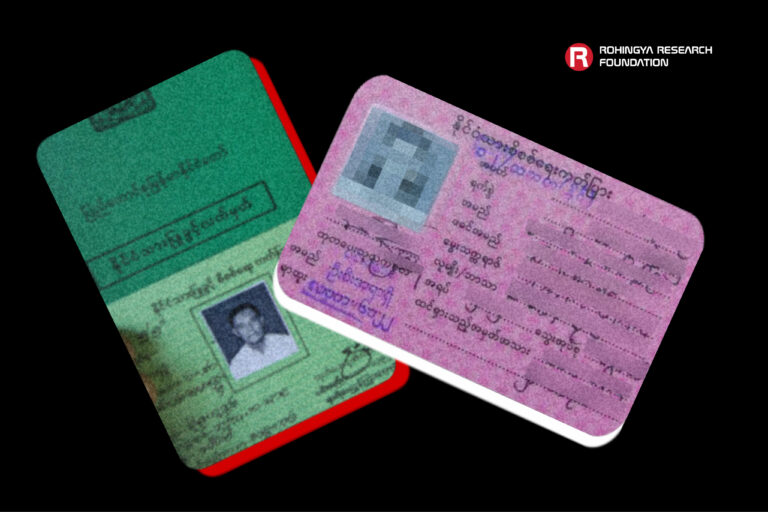
UNHCR has said it was not involved in the September transfer and could not assess whether those returned had chosen freely. For the Rohingya, the issue is even more complicated because their citizenship and basic rights in Myanmar remain unresolved.
The case against Min Aung Hlaing
A UN-mandated fact-finding mission said in 2018 that there were reasonable grounds to investigate senior Myanmar military officials, including Min Aung Hlaing, for serious crimes committed during the operations against the Rohingya. Human Rights Watch has described him as directly implicated in crimes against humanity during the 2017 operations.
In November 2024, the ICC prosecutor requested an arrest warrant for Min Aung Hlaing over alleged crimes against humanity of deportation and persecution of the Rohingya. The ICC has not publicly announced that judges have issued a warrant.
This process is separate from the genocide case against Myanmar at the International Court of Justice, which concerns the responsibility of the state rather than the individual criminal responsibility of Min Aung Hlaing.
Could Malaysia arrest him?
Malaysia is not a party to the Rome Statute, the treaty that created the ICC. It is therefore not automatically bound to execute an ICC warrant in the way a member state would be. There is also no publicly announced warrant at this point, only the prosecutor’s request.
The immediate legal question is therefore not simply whether Malaysia “must arrest” him. It is whether engaging a leader facing a warrant application is consistent with Malaysia’s earlier position that those responsible for crimes against the Rohingya should face international justice.
What happens next
The focus now is on what Anwar and Min Aung Hlaing discuss in Kuala Lumpur. For Malaysia, the priorities include the return of Myanmar nationals and broader engagement with Myanmar.
For the Rohingya, the key questions are different. Will any future return be genuinely voluntary? Will returnees be protected from persecution, forced recruitment and other abuses? Will their citizenship and political rights be addressed? And will the pursuit of accountability remain separate from diplomatic efforts to manage the refugee crisis?
The answers will determine what the visit means beyond the two days of meetings.