As the International Court of Justice prepares to rule in The Gambia v. Myanmar on 19 November 2026, Rohingya survivors in Cox’s Bazar hope for recognition, accountability and a path home.

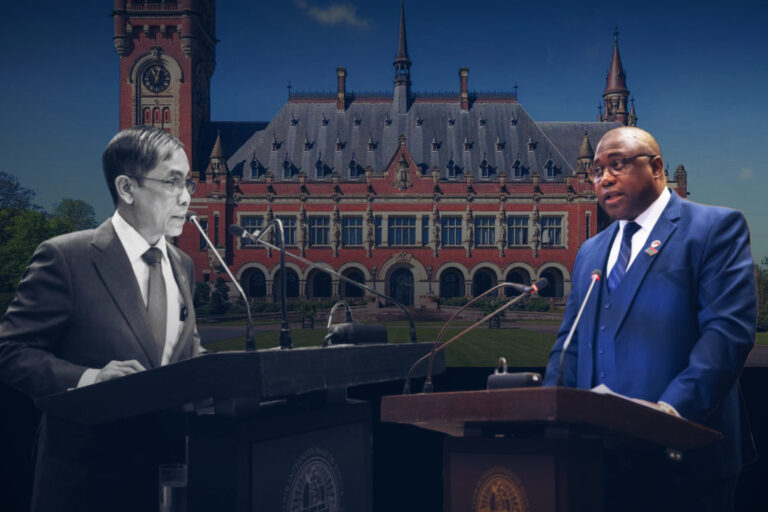
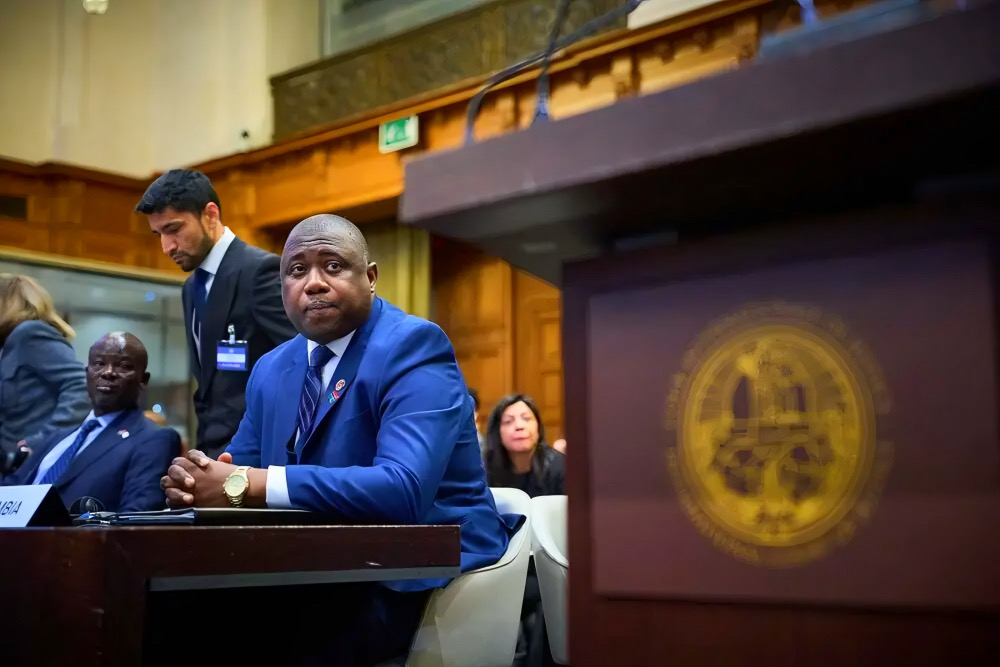
The Gambia’s legal team at ICJ (Photo: ©️ Phil Nijhuis/ ANP/ AFP)
“The horrific incident of 25 August has never left us, but we still have hope that the international community will deliver justice for us.”
Khaleda was a small child when she fled Myanmar with her family in 2017, running from the military’s genocidal campaign in northern Rakhine State. During the escape, a border guard shot her. She lost one of her legs. Now 14 and living in displacement in Bangladesh, she still carries the physical and emotional scars of the violence that drove her family from their homeland.
For Khaleda, the prospect of a judgment against Myanmar at the International Court of Justice (ICJ) is more than another legal development. It will help decide whether the suffering of the Rohingya is formally recognised, and whether those responsible will ever face meaningful accountability.
“Justice shouldn’t just be about providing an arrest warrant, but also about providing a safe home, security and a more dignified life through repatriation,” she says.
For years, Rohingya survivors have waited for justice while living with violence, displacement and statelessness. With the ICJ set to deliver its judgment on 19 November, many are now looking towards The Hague with renewed hope. The harder question is what the judgment will actually change for them.
A long road to The Hague
The Rohingya have endured decades of systematic discrimination, restrictions on movement, denial of citizenship and persecution in Myanmar. The 1982 Citizenship Law deepened their exclusion and left many effectively stateless.
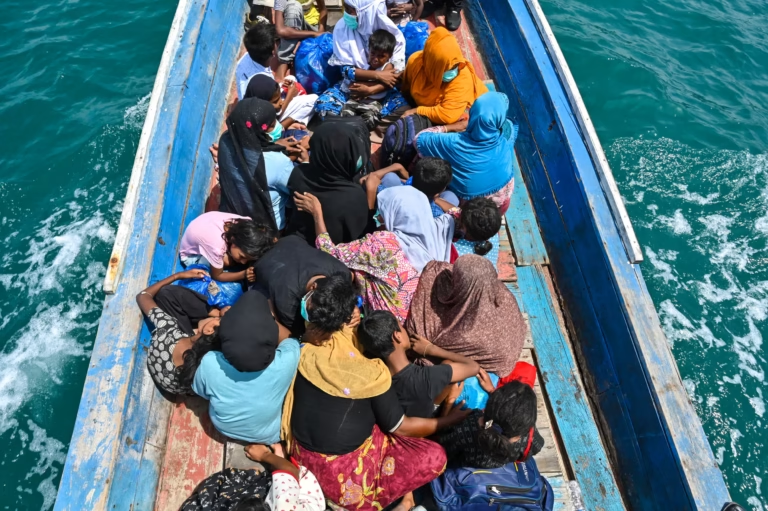
In August 2017, a military campaign in northern Rakhine State forced more than 740,000 Rohingya to flee to Bangladesh. Survivors described killings, sexual violence and the burning of entire villages.
In November 2019, The Gambia brought a case against Myanmar at the ICJ, alleging violations of the 1948 Genocide Convention. In January 2020, the Court ordered provisional measures requiring Myanmar to prevent genocidal acts against the Rohingya and to preserve evidence. In July 2022, it rejected Myanmar’s preliminary objections, allowing the case to proceed. Public hearings on the merits were held in January 2026.
For survivors, this is a historic moment. But the significance of the judgment goes beyond whether Myanmar is found responsible for violating the Genocide Convention.
What a ruling can and cannot do
Ro Nay San Lwin, Co-Chair of the Arakan Rohingya National Council (ARNC), believes a finding of genocide would significantly strengthen the Rohingya struggle for recognition and justice.
“An ICJ ruling of genocide will advance the Rohingya’s legal right to citizenship, safe return, and reparation, while strengthening their political voice and demanding international protection,” he says.
He describes such a judgment as a historic milestone that could strengthen recognition of Rohingya identity, establish state responsibility for genocide and reinforce the right to return.
The limits must be stated plainly. A ruling against Myanmar would not automatically restore citizenship or guarantee repatriation. It would strengthen the legal and political ground on which those rights can be demanded. The ICJ rules on state responsibility under international law. It does not prosecute military commanders or hand down criminal sentences.
Nay San Lwin argues that the Court’s findings could still support efforts to hold individuals accountable through other routes, including the International Criminal Court (ICC) and national courts exercising universal jurisdiction.
The ICC is already investigating crimes against the Rohingya in the Bangladesh/Myanmar situation, including alleged deportation and persecution, as well as other crimes within its jurisdiction that are sufficiently linked to the situation. An ICJ judgment would not expand the ICC’s jurisdiction, but its findings could add weight to those accountability efforts.
The danger of justice without enforcement
For Nay San Lwin, the greatest risk is that governments celebrate the judgment and then do nothing.
“Words without enforcement would deepen the humanitarian crisis, destroy the Rohingya’s faith in international law, and allow Myanmar’s military to continue its abuses with total impunity,” he warns.
He believes Myanmar must face real international pressure, including measures to secure accountability, protection and compliance with its legal obligations.
A judgment establishing violations of the Genocide Convention could strengthen demands for reparations and for steps to prevent further violations. But restoring citizenship, imposing sanctions and enforcing the ruling would all require further political, legal and institutional action.
The international community, he argues, must make the judgment a foundation for concrete change rather than another declaration without consequences.
Justice must include the right to return
For more than one million Rohingya refugees in Bangladesh, justice cannot be separated from the question of their future.
Many have now spent more than nine years in overcrowded camps, unable to return home. Their children are growing up in displacement, while the political and security situation in Rakhine State remains deeply uncertain.
“If there is any repatriation, there must be a safe home, citizenship, safety, dignity and our rights,” Khaleda says.
Any repatriation must be voluntary, safe, dignified and sustainable. Rohingya must be guaranteed citizenship or an equivalent secure legal status, freedom of movement, access to education and healthcare, and protection against renewed persecution.
Nay San Lwin believes Rohingya civil society, survivors and youth leaders must remain united after the judgment and keep demanding citizenship, reparations, international accountability and a safe return. For him, the ruling must become an opportunity to turn decades of suffering into meaningful political change.
A judgment is not the end of the struggle
As a Rohingya journalist and human rights advocate, I believe this moment must be measured not only by what the judges declare in The Hague but also by what governments and international institutions do afterwards.
The Rohingya have waited decades for recognition, protection and the chance to live with dignity. A favourable judgment could mark a turning point, but only if meaningful action follows.
For Nay San Lwin, the message to refugees waiting for justice is clear.
“This ruling finally proves the world hears our truth, but legal decisions take time to change conditions on the ground, so we must stay united and keep pushing governments to turn this paper victory into real safety and rights.”
For Khaleda, the hope remains simple: to return home without fear, to live with dignity and to know that the suffering of the Rohingya has not been forgotten.
The judges in The Hague will soon deliver their decision. For the Rohingya, the struggle for justice will continue long after the courtroom falls silent.