
Culture
More items are being added to each category. If you have any recommendations, please write to us at [email protected].
Tap each category to view the items.
Food
Firá (Sweets, Cakes & Snacks)
Alu (Root Vegetables)
Fish
Men's Clothing
Women's Clothing
Jewellery & Personal Care
Kitchen & Household Tools
Water Storage
Bamboo & Basket Craft
Farming & Fishing Tools
Homes & Buildings
Transportation
Musical Instruments
Songs
Festivals & Life Events
Professions
- Food
- Firá (Sweets, Cakes & Snacks)
- Alu (Root Vegetables)
- Fish
- Men's Clothing
- Women's Clothing
- Jewellery & Personal Care
- Kitchen & Household Tools
- Water Storage
- Bamboo & Basket Craft
- Farming & Fishing Tools
- Homes & Buildings
- Transportation
- Musical Instruments
- Songs
- Festivals & Life Events
- Professions
- Food
- Firá (Sweets, Cakes & Snacks)
- Alu (Root Vegetables)
- Fish
- Men's Clothing
- Women's Clothing
- Jewellery & Personal Care
- Kitchen & Household Tools
- Water Storage
- Bamboo & Basket Craft
- Farming & Fishing Tools
- Homes & Buildings
- Transportation
- Musical Instruments
- Songs
- Festivals & Life Events
- Professions
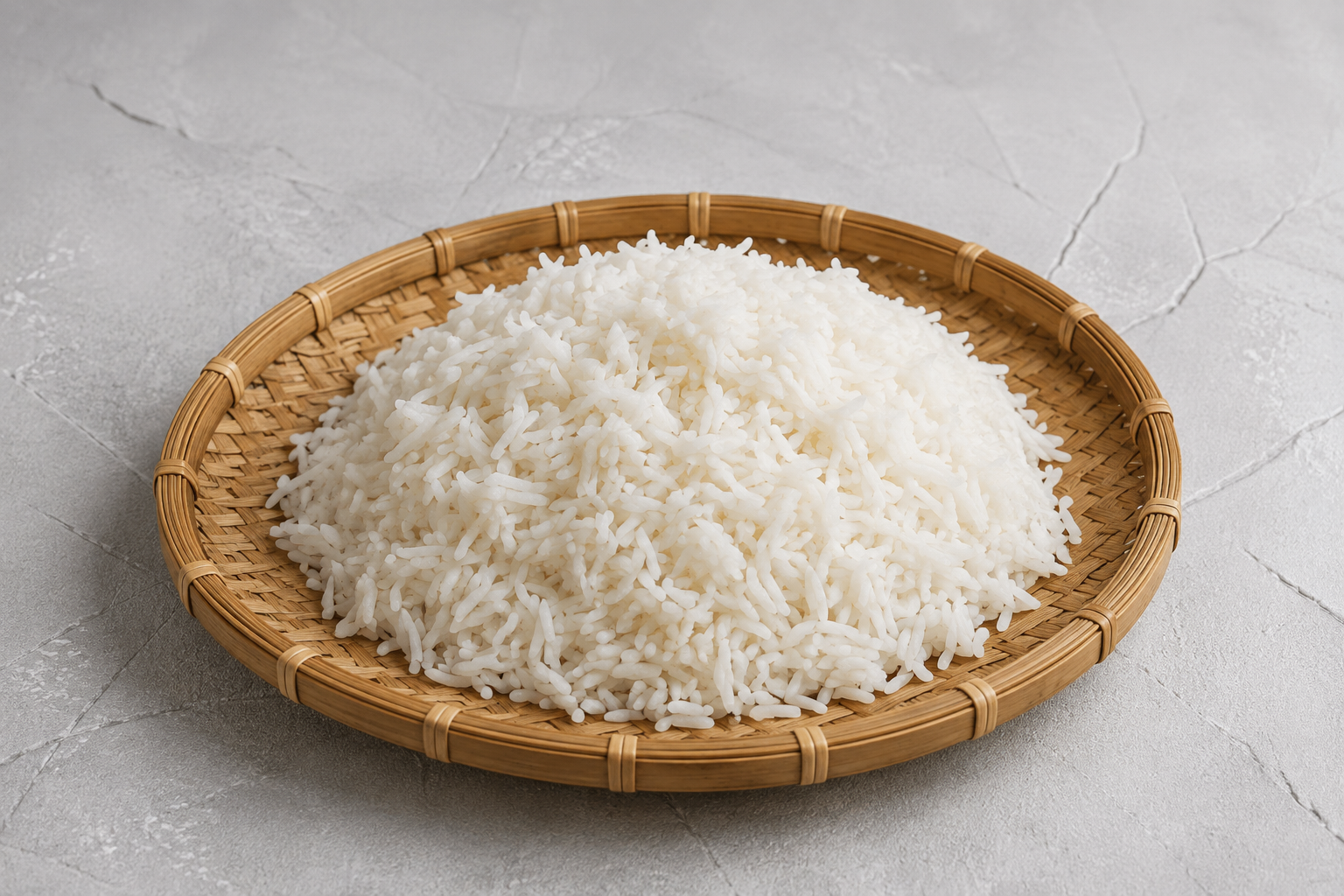
Baat
Rice
Baat is plain cooked rice, the most basic and important food in Rohingya daily life. It can be plain white mostly or come in a light red color sometimes depending on the grain. Since Arakan has long been a farming region, rice has always been the center of every meal, eaten with curry, vegetables, or leafy greens. Rohingya families cook it simply with water, without much extra seasoning, because rice is meant to hold the flavor of what is eaten with it. Rice remains an everyday staple across Rohingya homes today, in Arakan and in the diaspora.
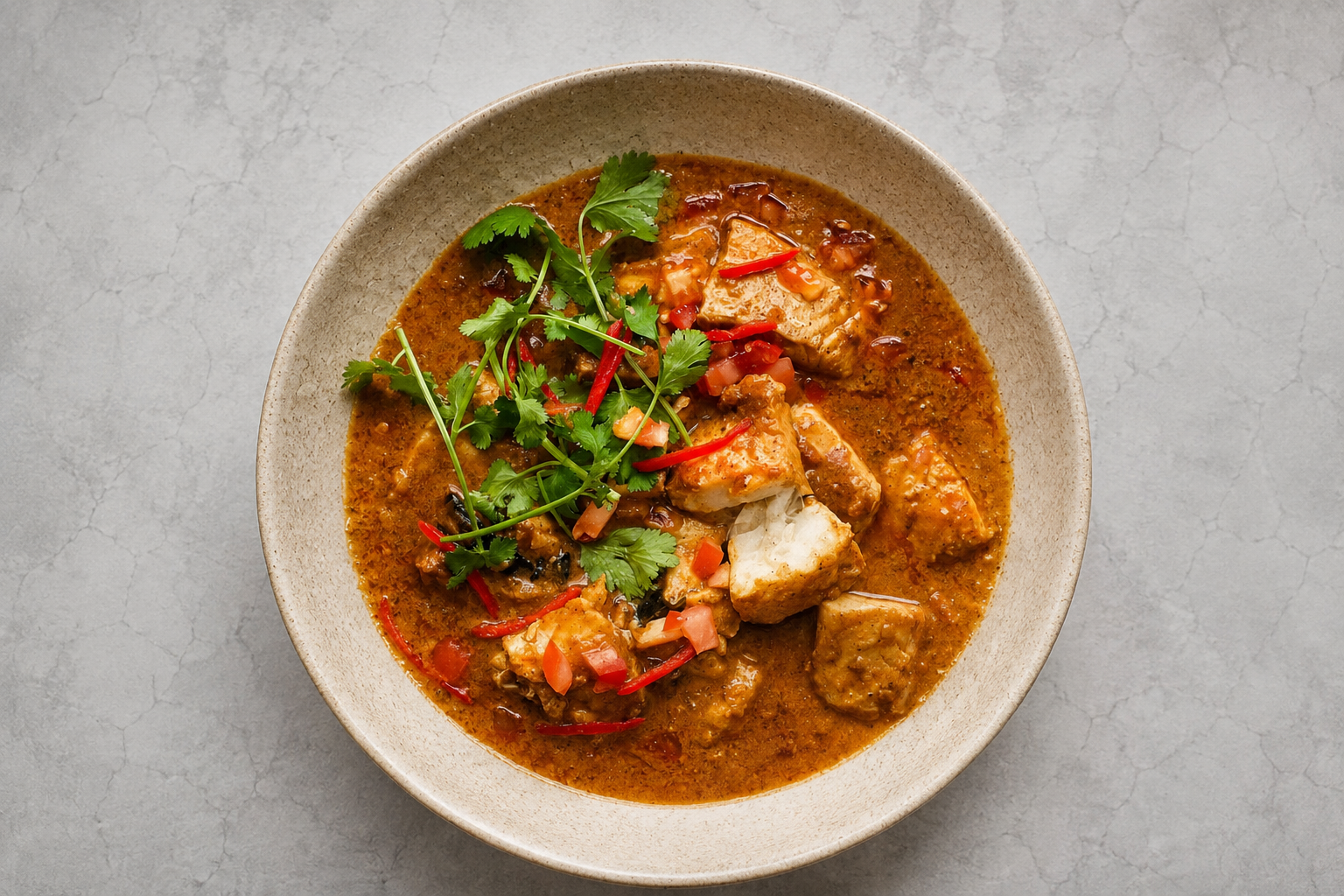
Masór Salón
Fish Curry
Masór Salón is one of the most common curries in Rohingya cooking, made from different kinds of fish depending on what is caught or bought. The fish is cleaned and washed well, then cooked with green or red chilli, onion, turmeric, and tomato. Cilantro is added at the end for a fresh smell, along with vegetables of any kind available at home. This curry is eaten with rice almost every day in many Rohingya households. It remains a daily dish today, both in Arakan and among Rohingya families living in the diaspora.
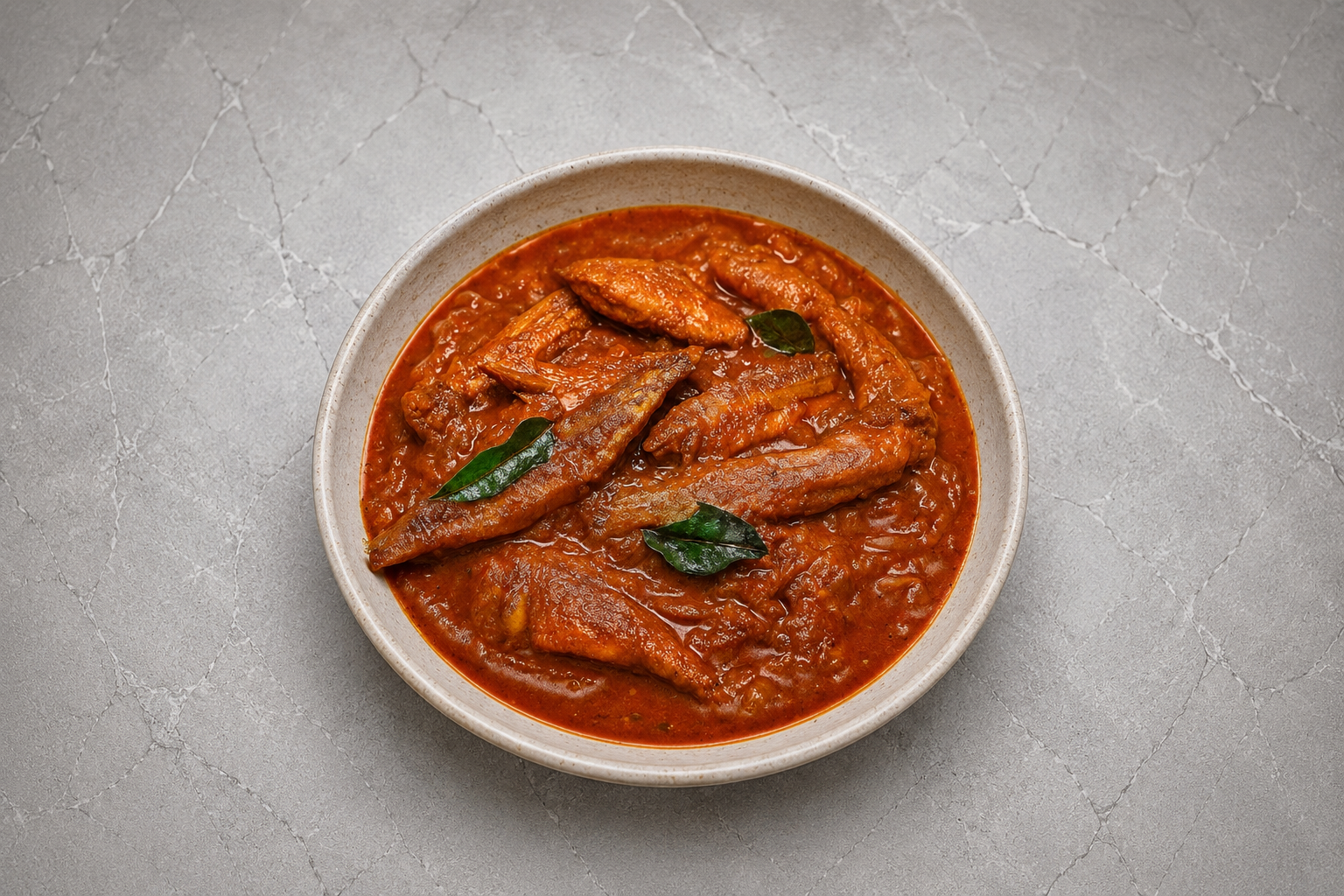
Fuaná Mas Salón
Dried Fish Curry
Fuaná Mas Salón is made from dried fish, cooked the same way as fresh fish curry. Since Arakan has long been a major fishing region, people used to dry fish in the sun to preserve it for later use, especially before refrigerators were available. Vegetables of any kind are usually added to the curry. This method of drying fish let families store food for months, especially during seasons when fresh fish was harder to catch. Dried fish curry is still cooked in many Rohingya homes today, carrying forward this older way of keeping food.
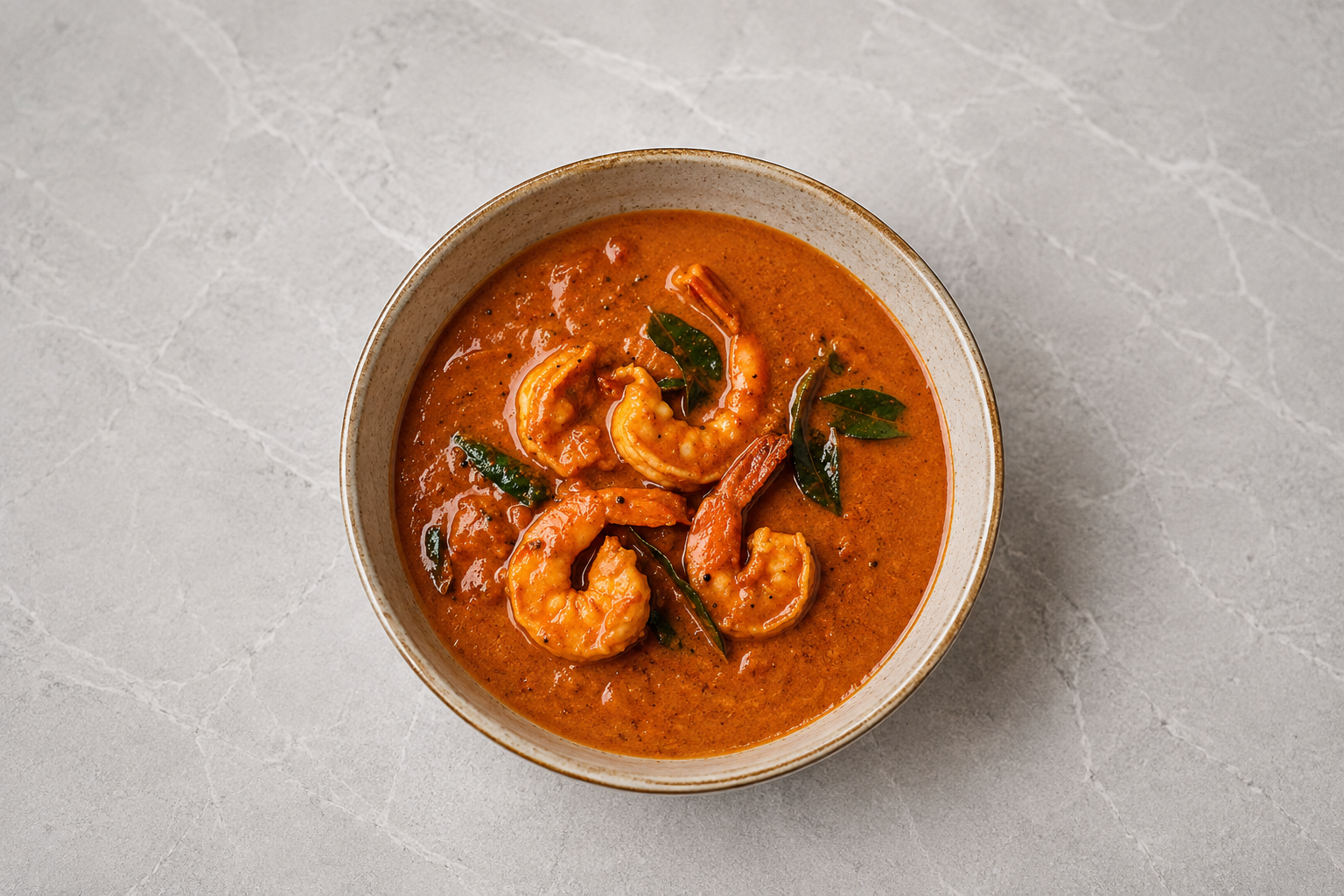
Esamas Salón
Prawn Curry
Esamas Salón is a prawn curry cooked much like fish curry, using different kinds of prawns along with vegetables. The prawns are cleaned and cooked with chilli, onion, turmeric, and other spices until the flavors blend well. Prawns have always been an easy catch in the rivers and coastal waters near Arakan, making this dish a familiar part of everyday meals. It is usually eaten with rice, sometimes alongside other curries at the same meal. Esamas Salón continues to be cooked regularly in Rohingya households, both in Arakan and in diaspora communities today.
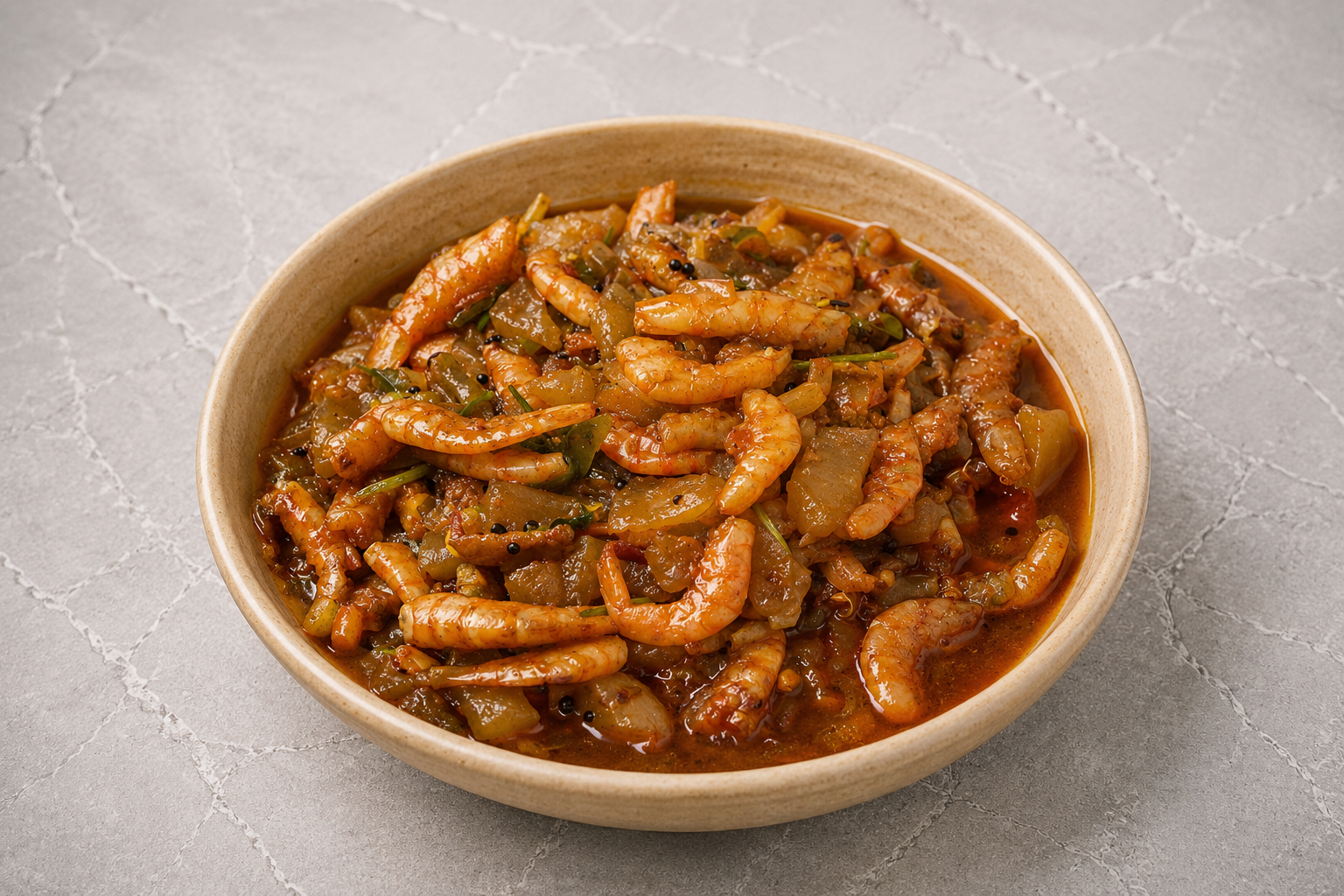
Fuaná Esamas Salón
Dried Prawn Curry
Fuaná Esamas Salón is made from sun-dried prawns, prepared the same way as dried fish curry. Vegetables are added along with the usual spices of onion, chilli, and turmeric. Drying prawns was a common way for Rohingya families to preserve seafood before refrigeration was available, letting them enjoy the taste of prawns even outside the fishing season. The dried prawns give the curry a strong, distinct flavor different from the fresh version. This dish is still prepared today in many Rohingya homes, keeping an old preservation method alive through everyday cooking.
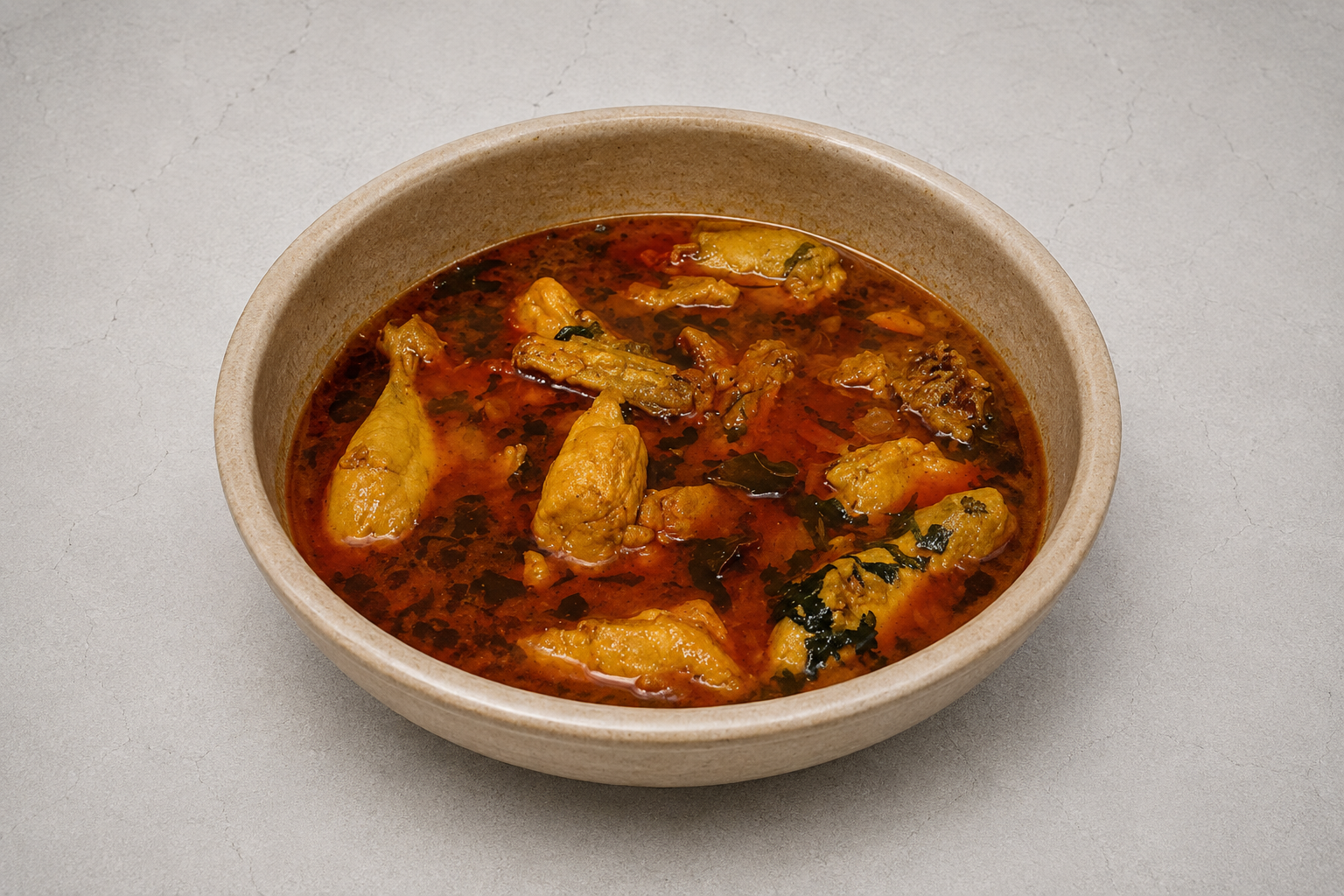
Kurá Gusso Salón
Chicken Curry
Kurá Gusso Salón is a chicken curry cooked with chilli, garlic, turmeric, tomato, and vegetables of any kind. It is one of the main curries eaten with rice in Rohingya households, prepared for both regular meals and special occasions. The chicken is cooked slowly with the spices until the flavors settle into the meat and sauce. This curry is a familiar dish at gatherings and family meals alike. It continues to be cooked widely today, both in Arakan and among Rohingya communities living abroad.
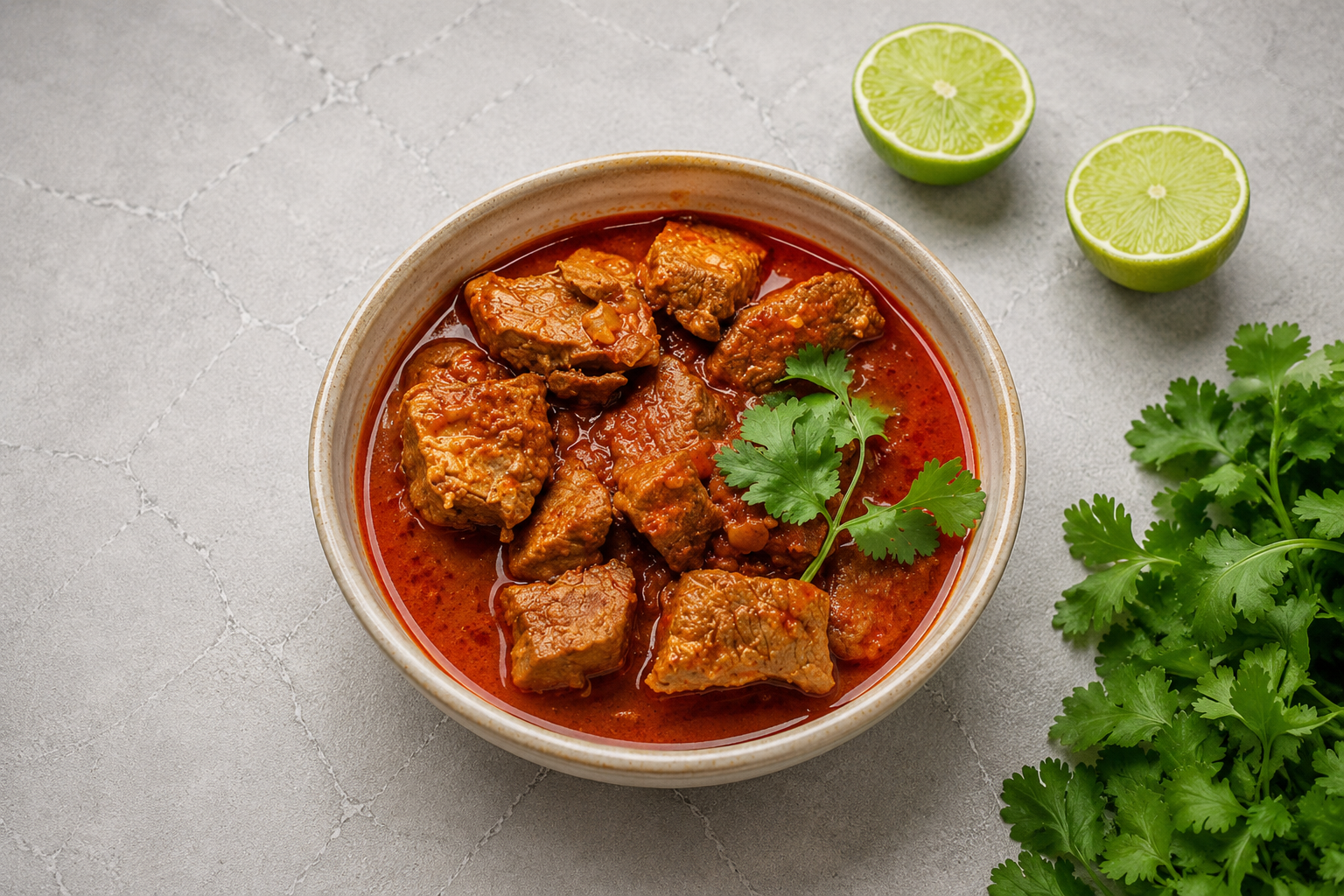
Guru Gusso Salón
Beef Curry
Guru Gusso Salón is a beef curry prepared the same way as chicken curry, with chilli, garlic, turmeric, tomato, and vegetables added to build a rich, spicy sauce. Beef curry holds an important place in Rohingya food culture, often served at weddings, festivals, and religious events such as Eid al-Adha. Large pots of this curry are commonly cooked for gatherings where many guests are fed together. It remains one of the most valued dishes in Rohingya households today, tied closely to celebration and hospitality.
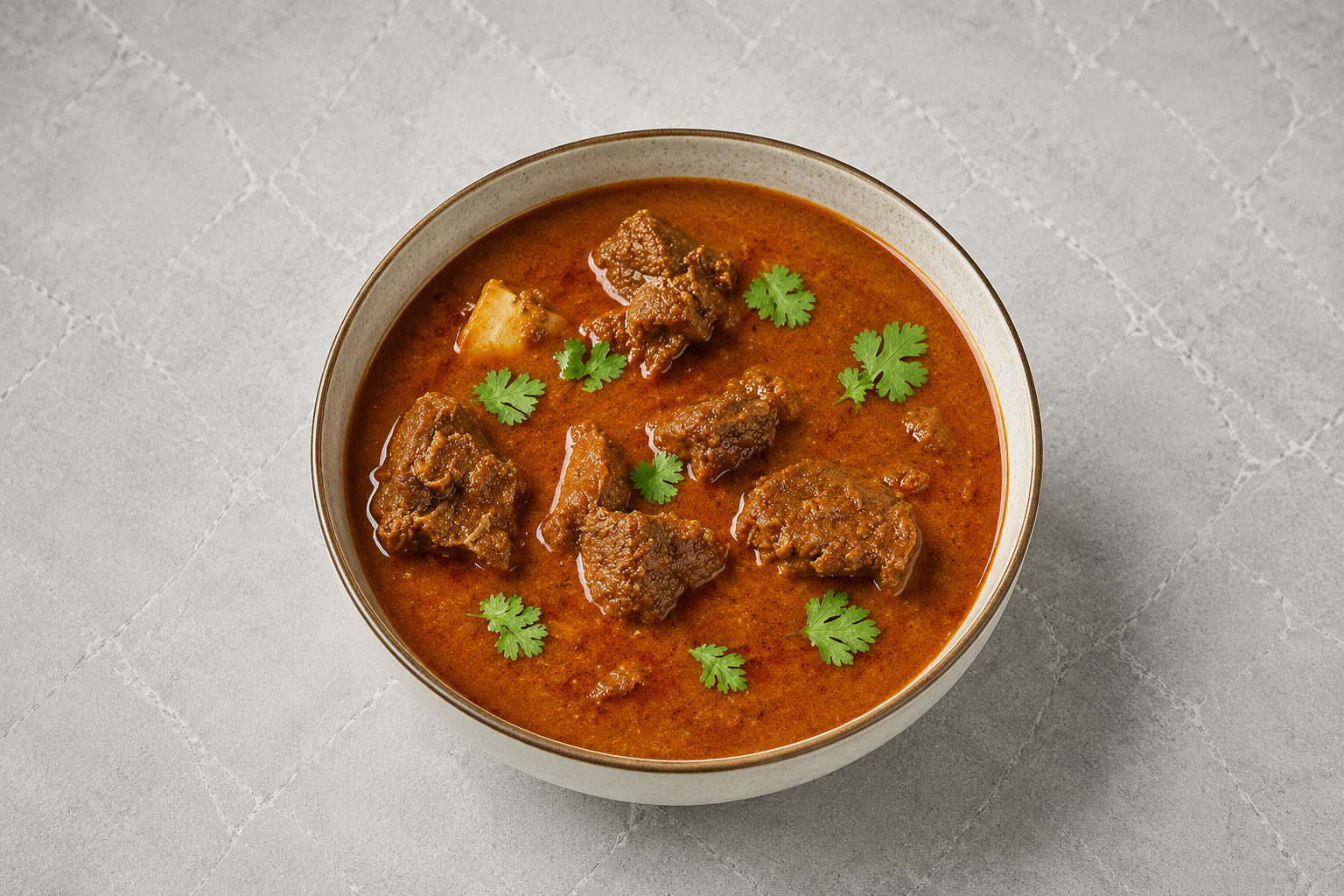
Solór Gusso Salón
Goat Curry
Solór Gusso Salón is a goat curry made the same way as beef curry, using chilli, onion, garlic, turmeric, and vegetables. Goat meat is often chosen for special meals and religious occasions, similar to beef, and is valued for its distinct taste. This curry is cooked slowly so the meat becomes tender and takes in the spices fully. It is usually served with rice at family gatherings or celebrations. Solór Gusso Salón continues to be prepared today across Rohingya households, especially during festive meals.
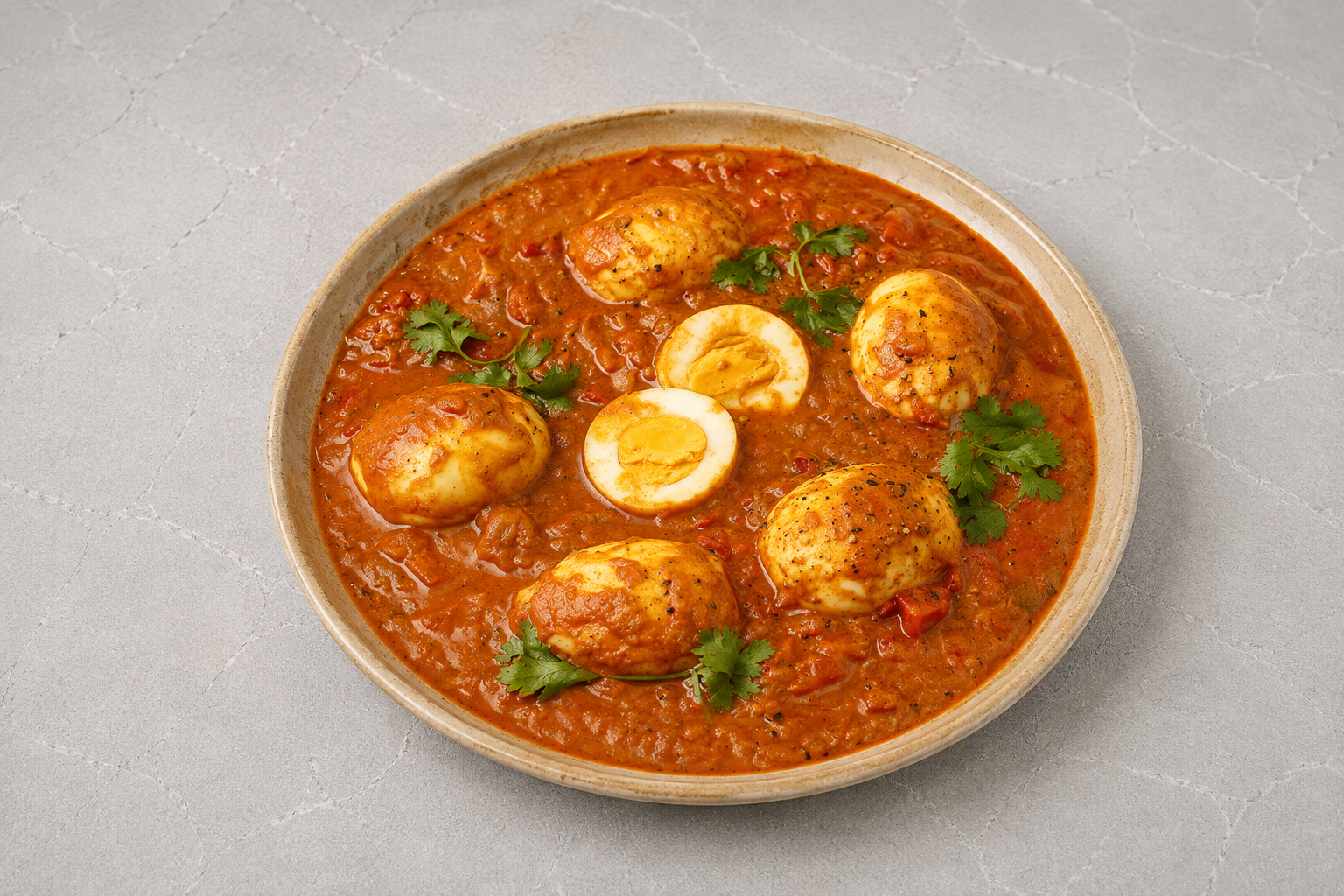
Anda Salón
Egg Curry
Anda Salón is an egg curry made when fish or beef is not much available, offering a cheap and simple alternative. The eggs are boiled first, then cooked together with chilli, onion, and other basic curry ingredients. Because eggs are affordable and quick to prepare, this dish became a practical option for everyday meals in Rohingya homes. It shows how Rohingya cooking adapts to what is available rather than depending on one type of protein. Anda Salón is still made today, especially on days when other meats or fish are scarce.
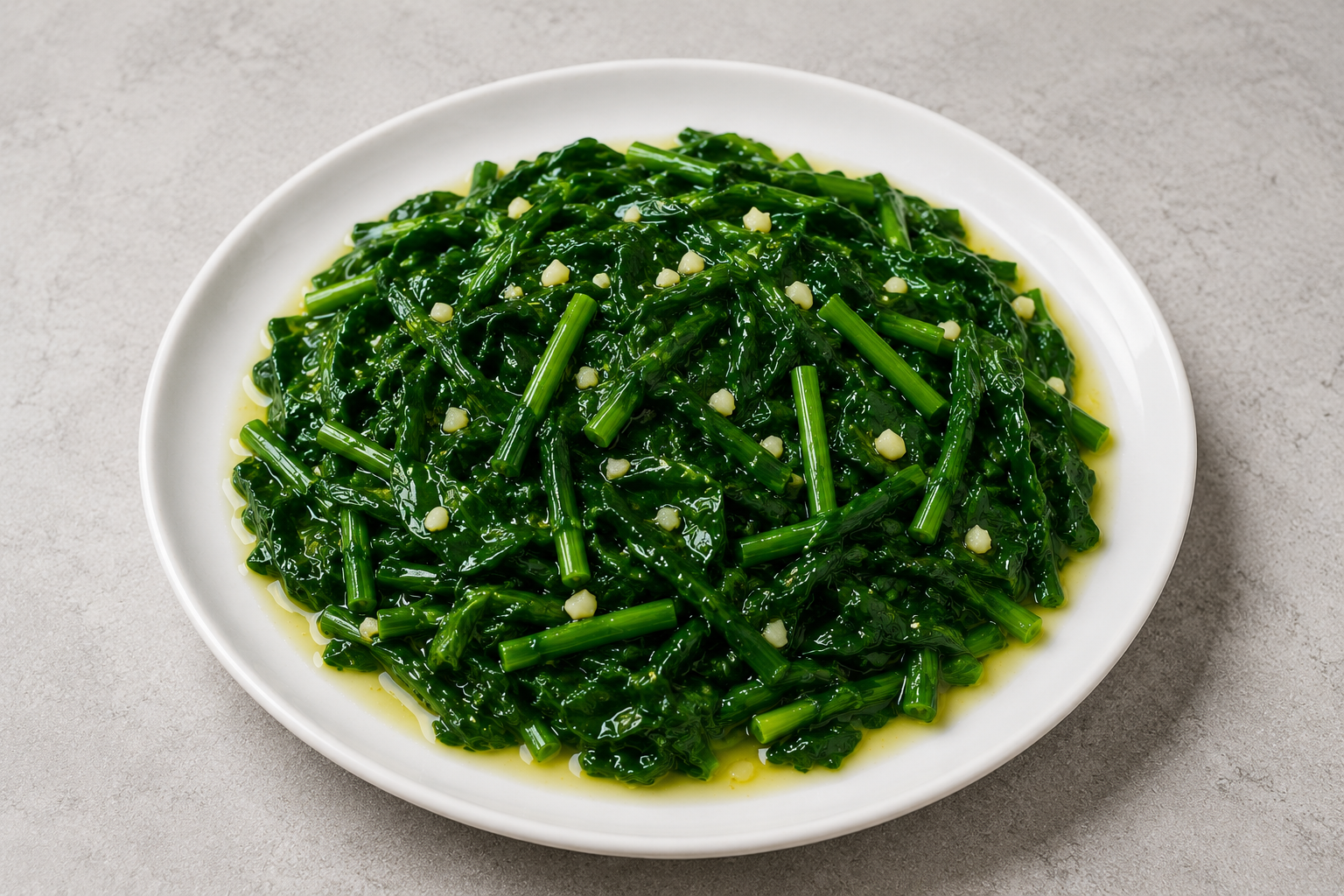
Haák
Leafy Greens
Haák refers to leafy greens or spinach of different kinds, an everyday part of Rohingya meals. The leaves are boiled in a very small amount of water, then sometimes cooked again briefly with oil, garlic, and spices to add flavor. Haák is usually eaten together with rice and Moris Sura, forming a simple and healthy combination. Because leafy greens grow easily around homes and farms, they have long been an accessible food source. This dish remains common in Rohingya households today, valued as a light and nutritious side.
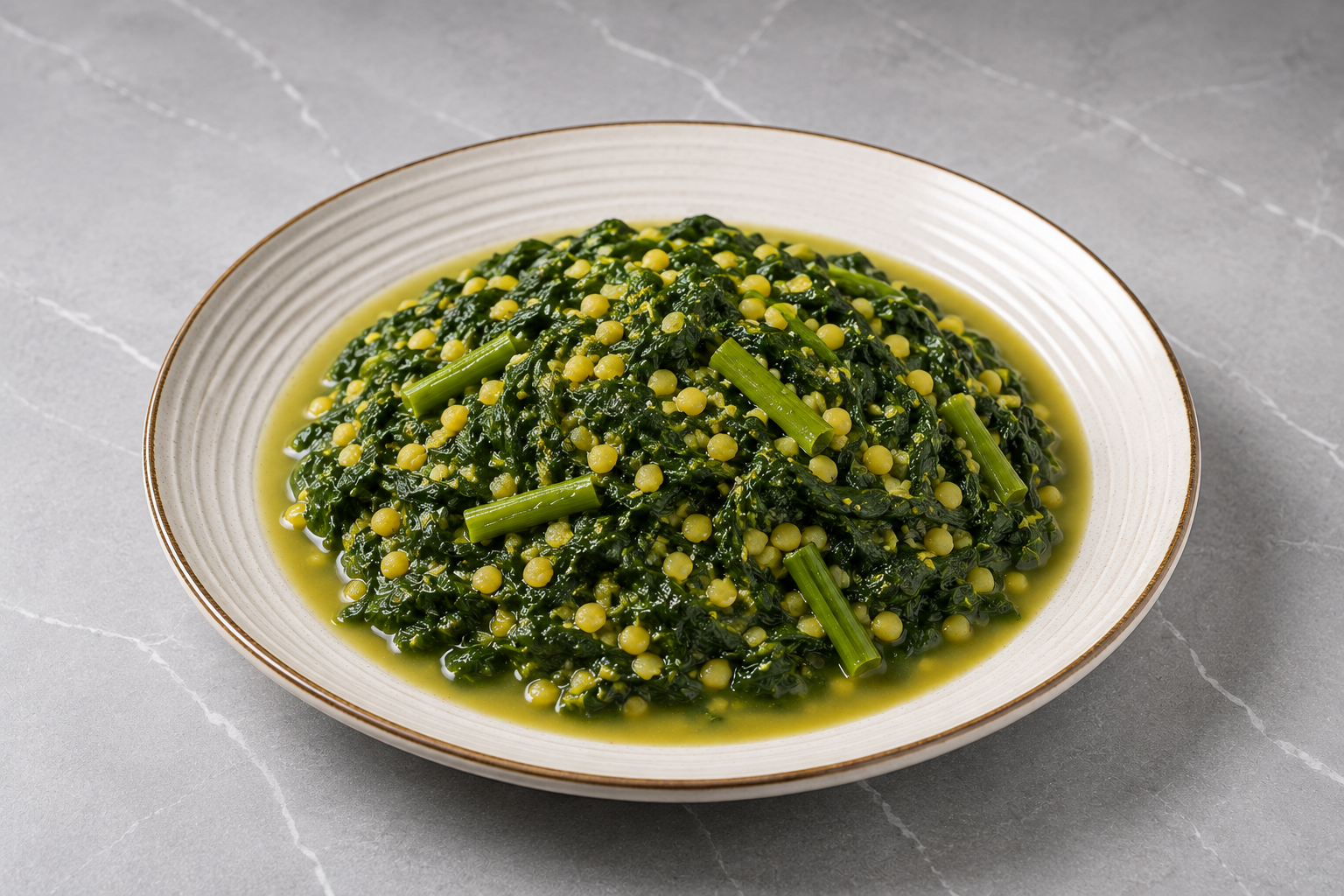
Kuitta Haák
Cooked Spinach with Peas
Kuitta Haák is a dish made from leafy greens cut into small pieces, washed well, and cooked with a little water along with garlic, oil, and peas. It is a variation of the basic Haák dish, adding peas for extra texture and taste. This dish reflects how Rohingya cooking often builds on simple base recipes by adding whatever vegetables are available at home. It is usually eaten as a side dish with rice and other curries. Kuitta Haák remains a familiar home-cooked dish among Rohingya families today.
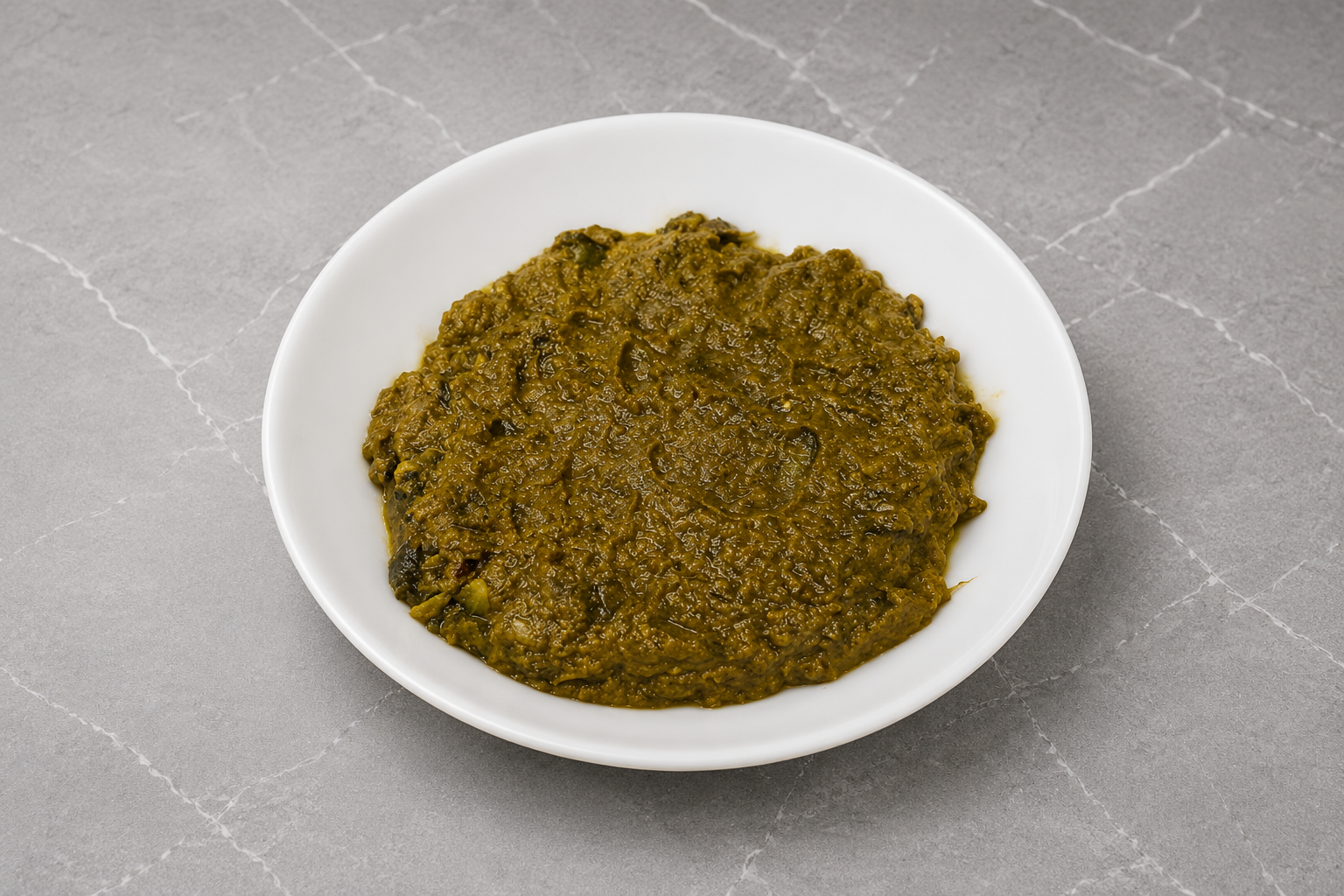
Hoñsu Haák
Taro Leaf Paste
Hoñsu Haák is made from taro leaves cooked for hours with sour ingredients, garlic, ginger, and chilli spices until the leaves break down into a soft paste. It takes patience to prepare, since the leaves need long cooking to become safe and tasty to eat. This paste is usually eaten with rice and Moris Sura, adding a distinct sour and savory flavor to the meal. Hoñsu Haák reflects the slow-cooked, resourceful style of traditional Rohingya cooking and continues to be prepared in some households today.
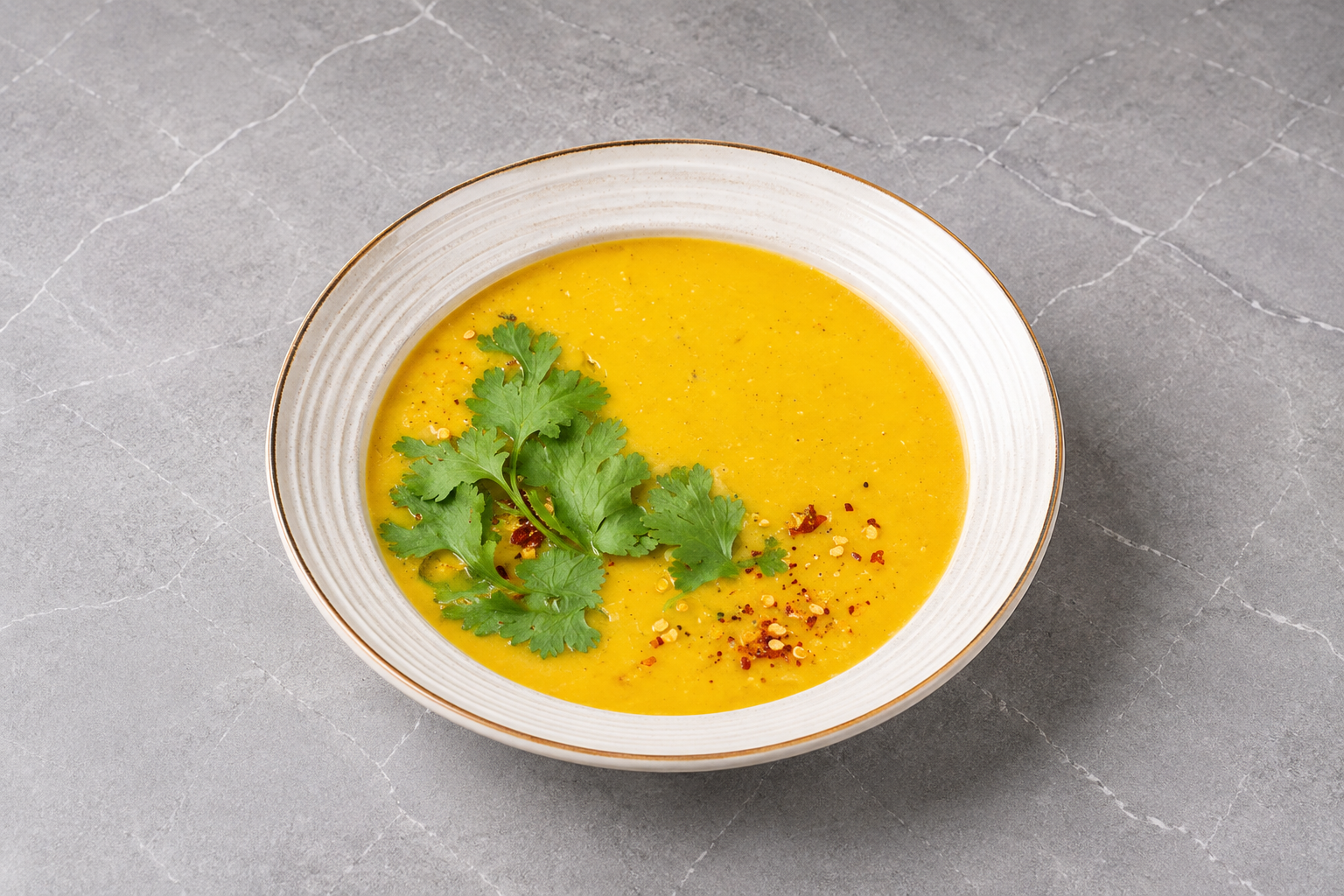
Dail
Dal Soup
Dail is a soup-like curry made completely from lentils. The lentils are first boiled well in water until they soften, then cooked again with oil, onion, garlic, and spices to bring out the flavor. It is a simple dish that pairs naturally with rice and other curries at mealtime. Because lentils are affordable and easy to prepare, Dail has remained a common part of daily Rohingya meals for generations. Families still cook it regularly today, often alongside fish or meat curry, as one of the basic dishes eaten across Rohingya households.
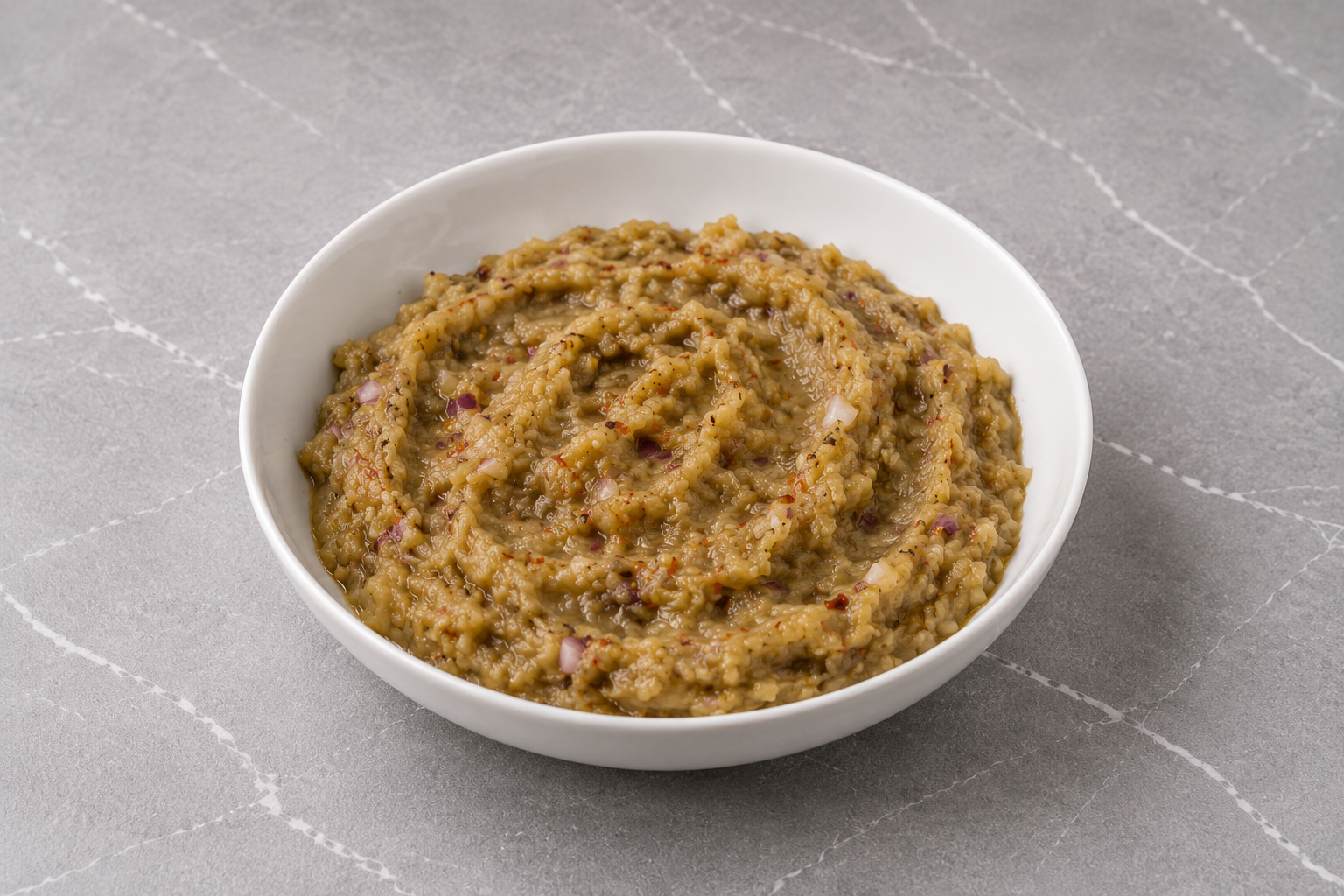
Bayon Báttuá
Eggplant Paste
Bayon Báttuá is an eggplant paste made by burning the eggplant until the inside turns soft, then removing the burnt skin and mixing the flesh with onion, chilli, and spices. When tomato is added, the dish takes on a slightly different flavor. It is considered a secondary dish, usually eaten with rice alongside Moris Sura. This method of roasting and mashing vegetables into a paste is a traditional way of preparing simple, flavorful sides. Bayon Báttuá continues to be made in Rohingya kitchens today as a common accompaniment to rice.

Allu Báttuá
Potato Paste
Allu Báttuá is a potato paste prepared the same way as eggplant paste, using boiled or roasted potato mashed together with onion, chilli, and spices. It serves as a simple side dish eaten with rice, especially when other curries are not available. This dish reflects the practical, resourceful nature of Rohingya home cooking, turning basic vegetables into flavorful side dishes with just a few ingredients. Allu Báttuá is still a common dish in Rohingya households, often prepared quickly for everyday meals.
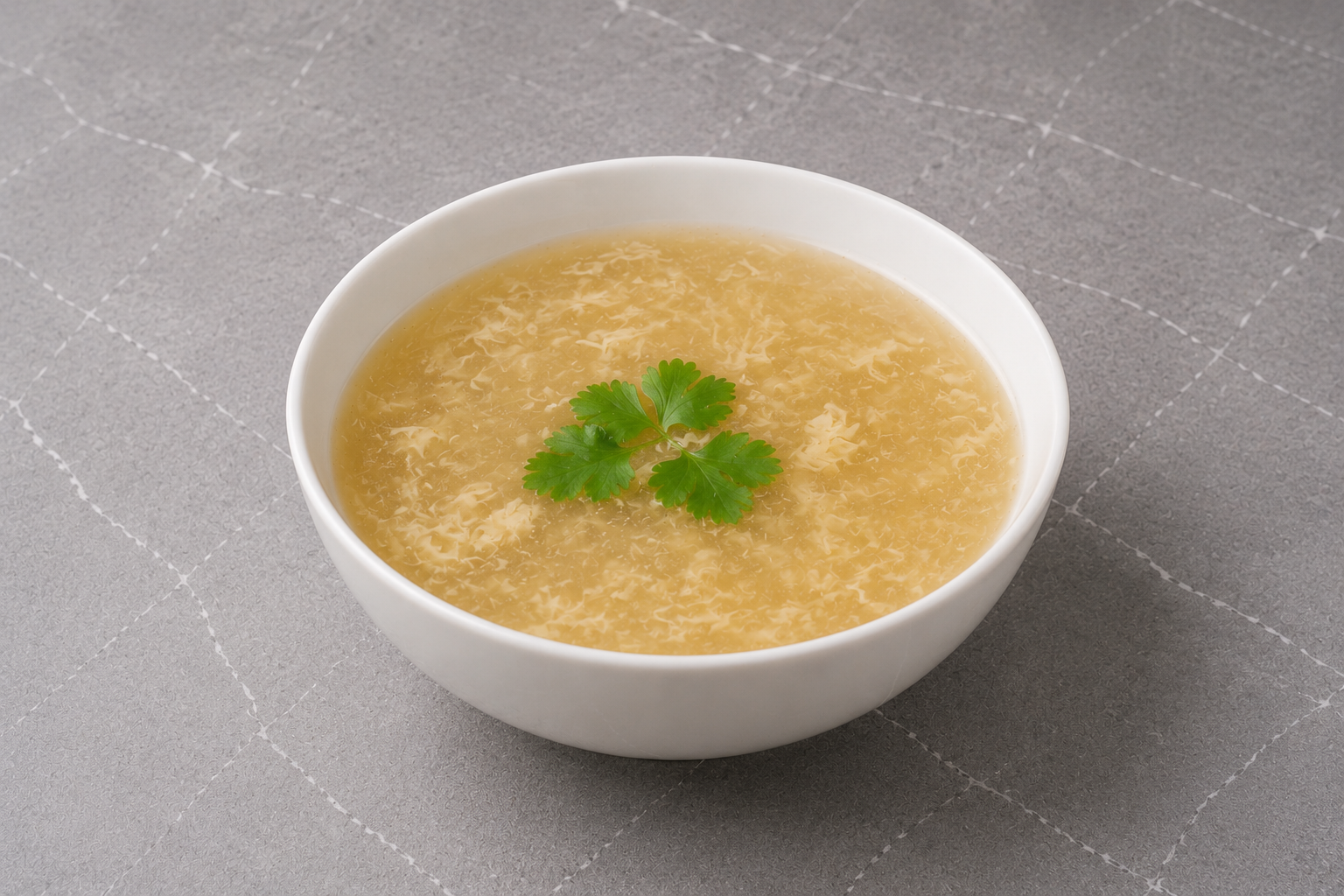
Hazi
Sour Soup
Hazi is a sour soup usually made from sour leaves or fruits such as roselle, cooked to bring a tangy taste to a meal. It is eaten together with rice and Moris Sura, adding a refreshing contrast to heavier curries. Sour dishes like Hazi have long been part of Rohingya cooking, balancing the richness of meat and fish curries with something lighter and tart. This soup remains a familiar dish in many Rohingya homes today, especially during warmer months when a lighter meal is preferred.
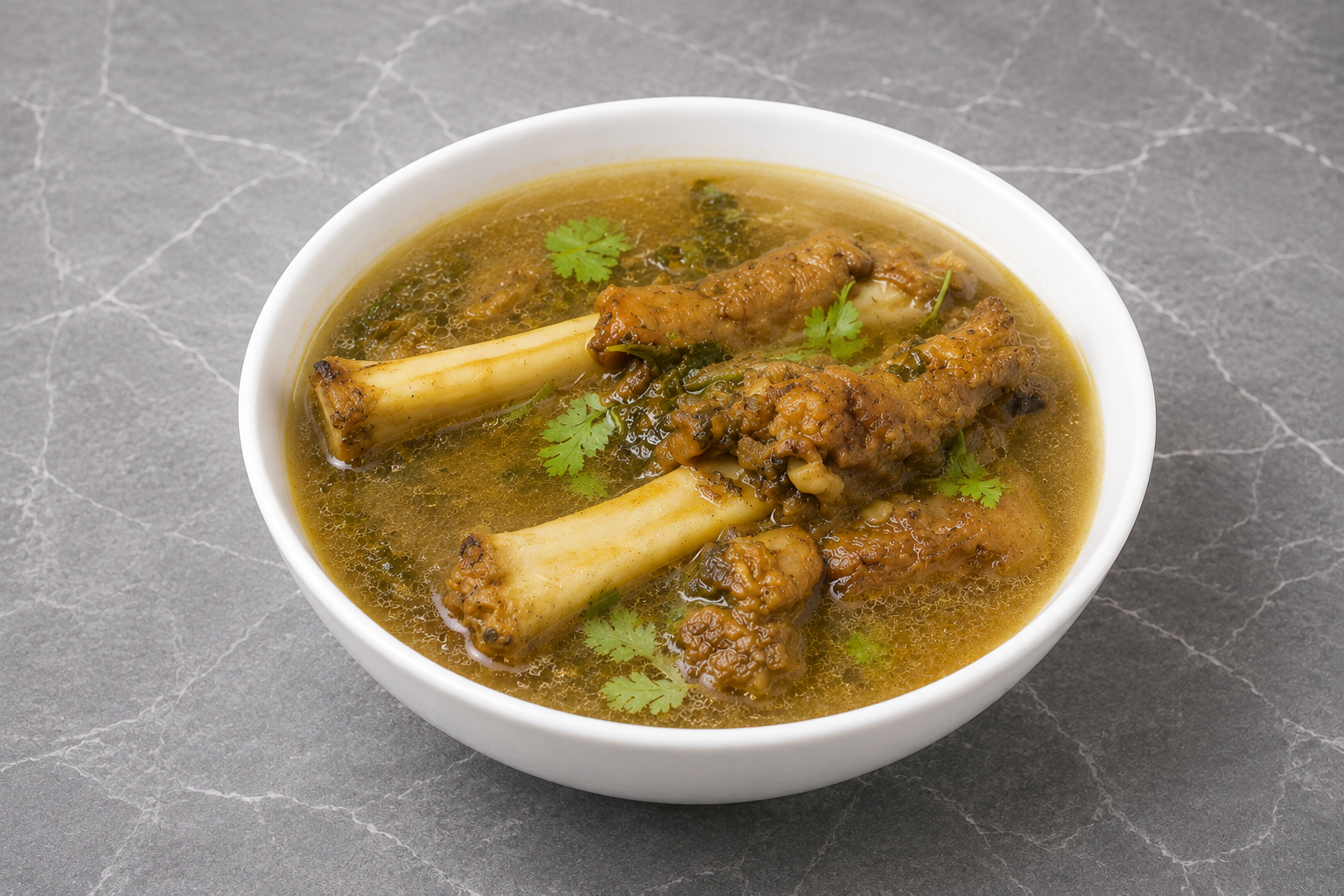
Nola Hañzi
Beef Leg Soup
Nola Hañzi is a soup made by cooking beef leg with a certain amount of sour flavoring, then simmering it well with onion, garlic, ginger, and other spices. The long cooking time softens the meat and bones, creating a rich, warming soup usually eaten with rice. Dishes like this were often made for special meals or when a fuller, heartier dish was wanted. Nola Hañzi remains part of Rohingya food tradition today, valued for its deep flavor and the effort put into slow cooking the meat.
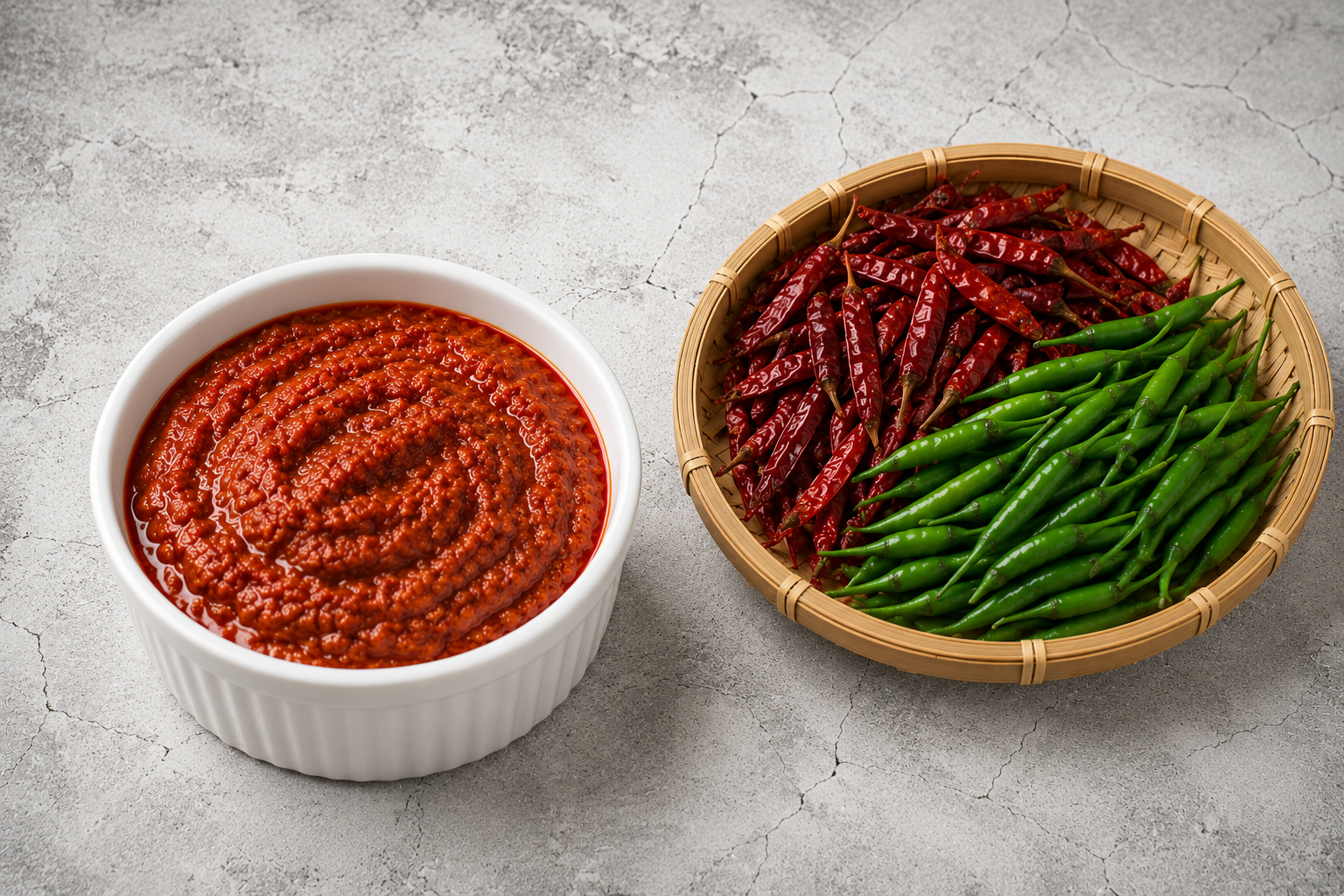
Moris
Chilli
Moris, or chilli, is one of the most important ingredients in Rohingya cooking. It comes in two main forms, green chilli and dried red chilli, and is used in nearly every curry as well as in pastes made with onion and other spices. Without moris, most Rohingya dishes would lose their sharp, spicy character that people are used to. It is grown at home or bought fresh from local markets. Chilli remains a daily kitchen essential in Rohingya households today, shaping the taste of almost every meal cooked.
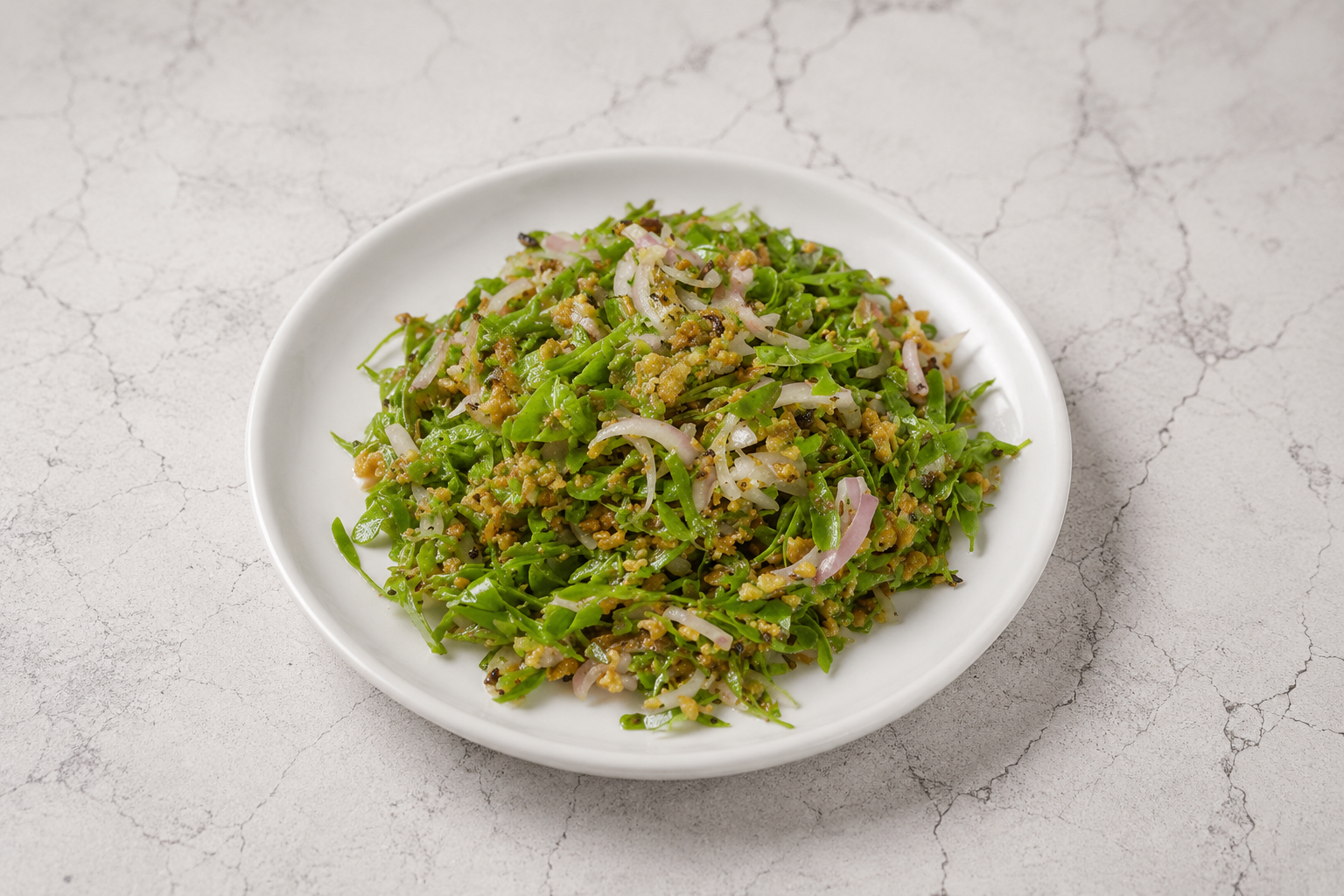
Moris Sura
Mashed Green Chilli Salad
Moris Sura is a spicy mashed green or red chilli recipe made with dried prawn or dried fish. Rohingya people love spicy food, and this dish is popular because it combines two of the most favored Rohingya ingredients, dried seafood and green or red chilli, into one sharp, salty paste. The chilli and dried prawn are mashed together by hand until they blend into a strong, well-mixed paste. It takes only a few minutes to prepare, making it a quick and easy addition to any meal. Moris Sura is usually served alongside rice and other curries, and it remains one of the most familiar flavors in Rohingya food culture today.
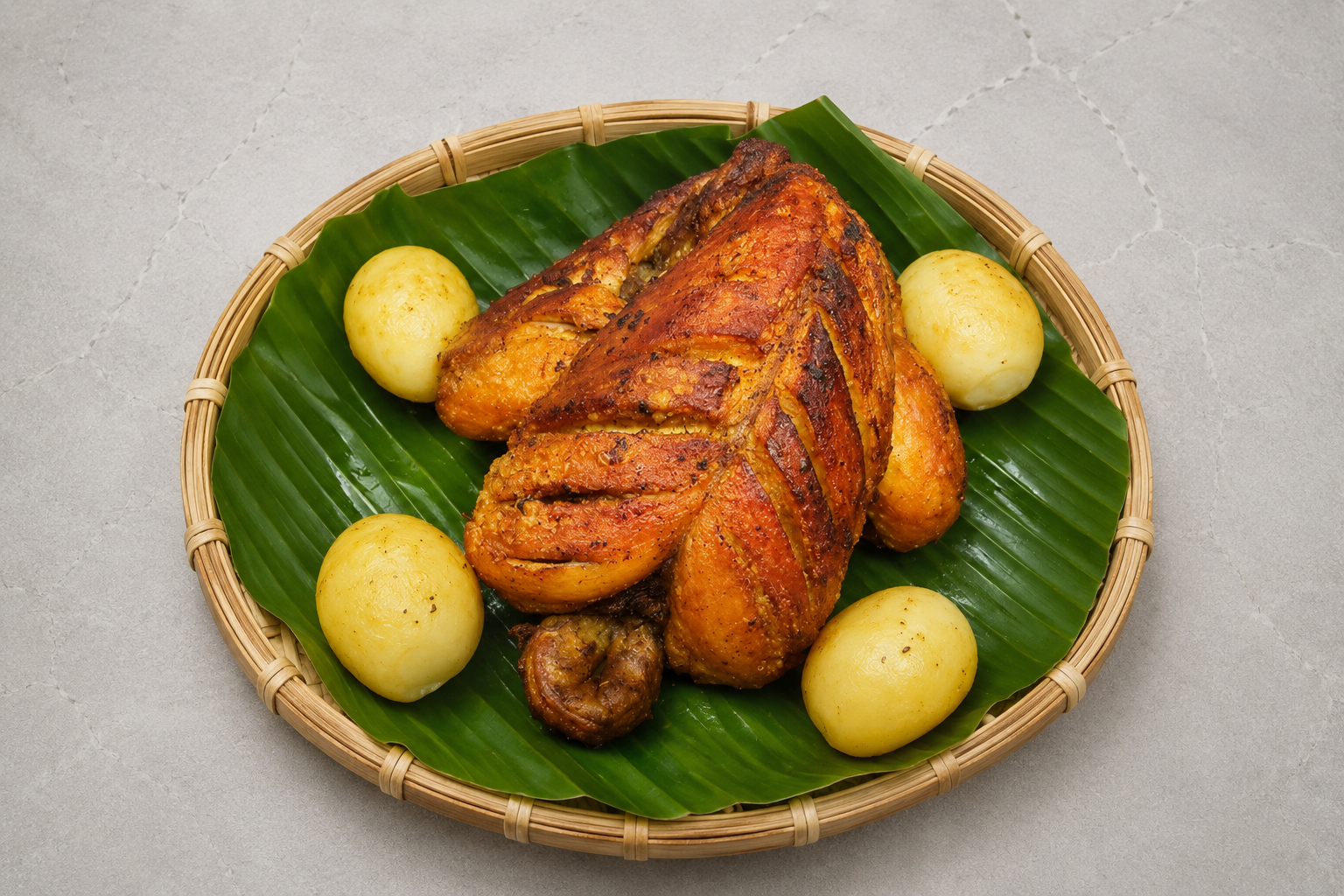
Durús Kurá
Fried Whole Chicken
Durús Kurá is a whole chicken fried (in a Rohingya way) until fully cooked, often served during special meals or family gatherings. It is also used as a filling inside Musa, the banana-leaf food wrap given to workers and pregnant women. Frying the whole chicken rather than cutting it into pieces makes it a more festive, generous dish compared to everyday curry. Durús Kurá reflects how Rohingya cooking marks important moments with fuller, richer preparations of common ingredients. It remains a valued dish at gatherings and celebrations today.
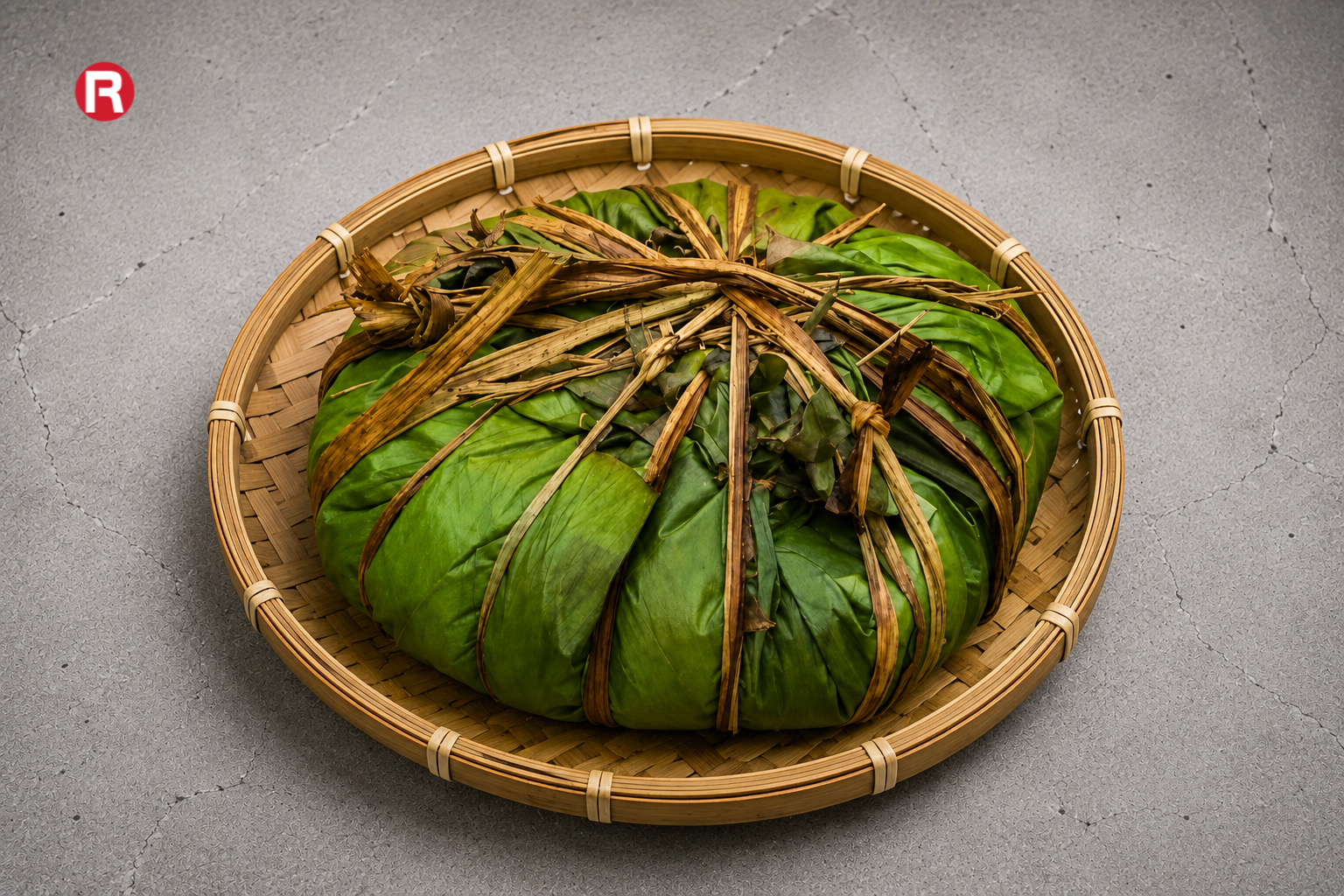
Moosa
Banana Leaf Food Wrap
Moosa is a traditional food wrap made by packing sticky rice with items such as fried chicken, dried shrimp, fried fish, or spiced vegetable mash, then wrapping it all in banana leaves tied with banana-leaf rope. It carries the smell of the leaf into the food and stays fresh for travel. Moosa is traditionally sent to pregnant women in their last months, given to grooms, and packed for workers heading to fields or forests. It remains an important part of Rohingya family life today, tied to care and hospitality.
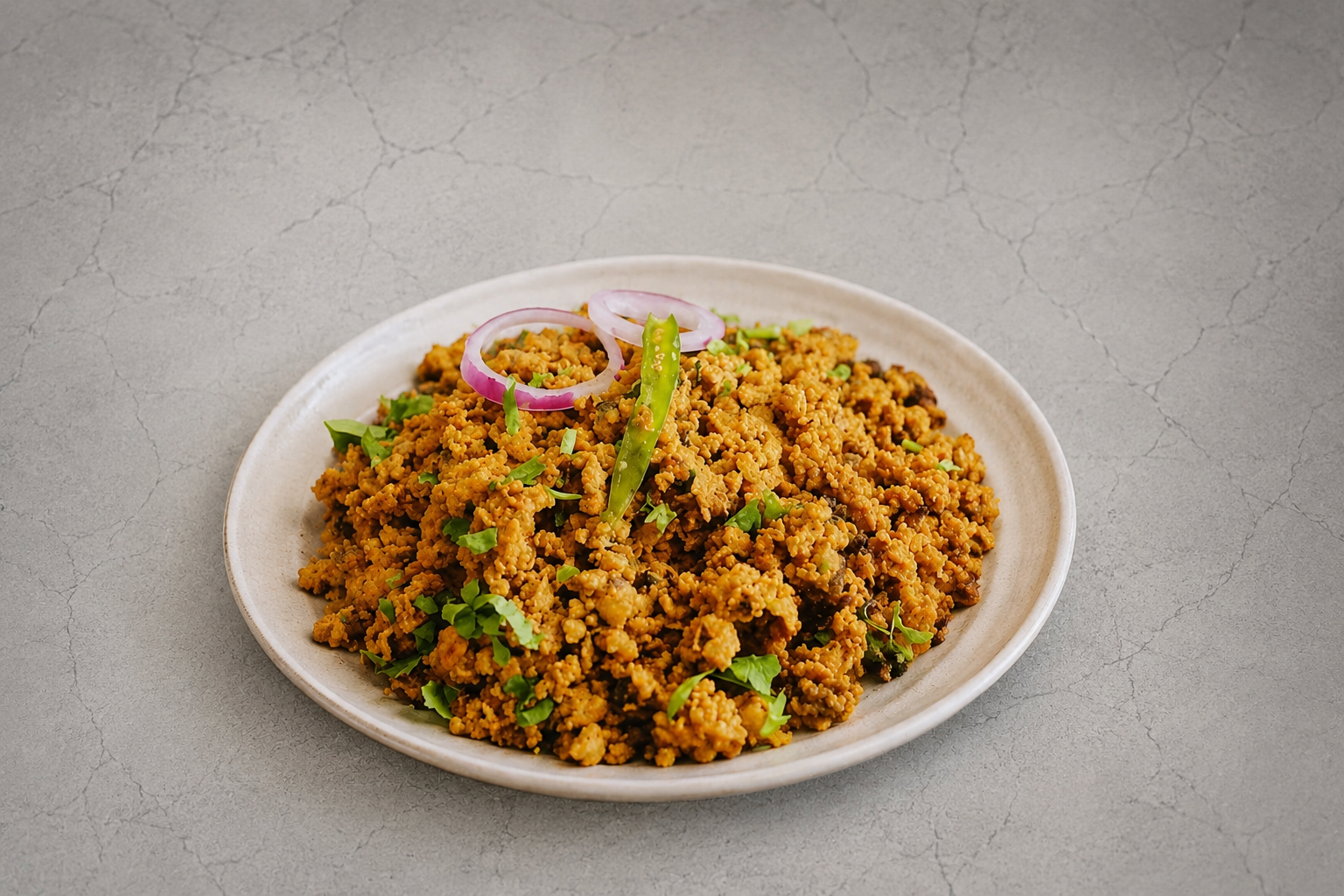
Hoittor Daná
Glutinous Rice Snack
Hoittor Daná is a rich, sticky snack made from glutinous rice mixed with roasted sesame seeds, roasted peanuts, coconut slices, and many kind of beans and peas, and a generous amount of cooking oil, flavored with ginger, onion and all other spicies use in Rohingya food. Its dense, warming texture makes it well suited to the cold weather of the harvest season, when a heavier snack is welcome. This dish reflects how Rohingya food often matches the season, offering warmth and energy during colder months. Hoittor Daná continues to be prepared during harvest time in Rohingya households today.
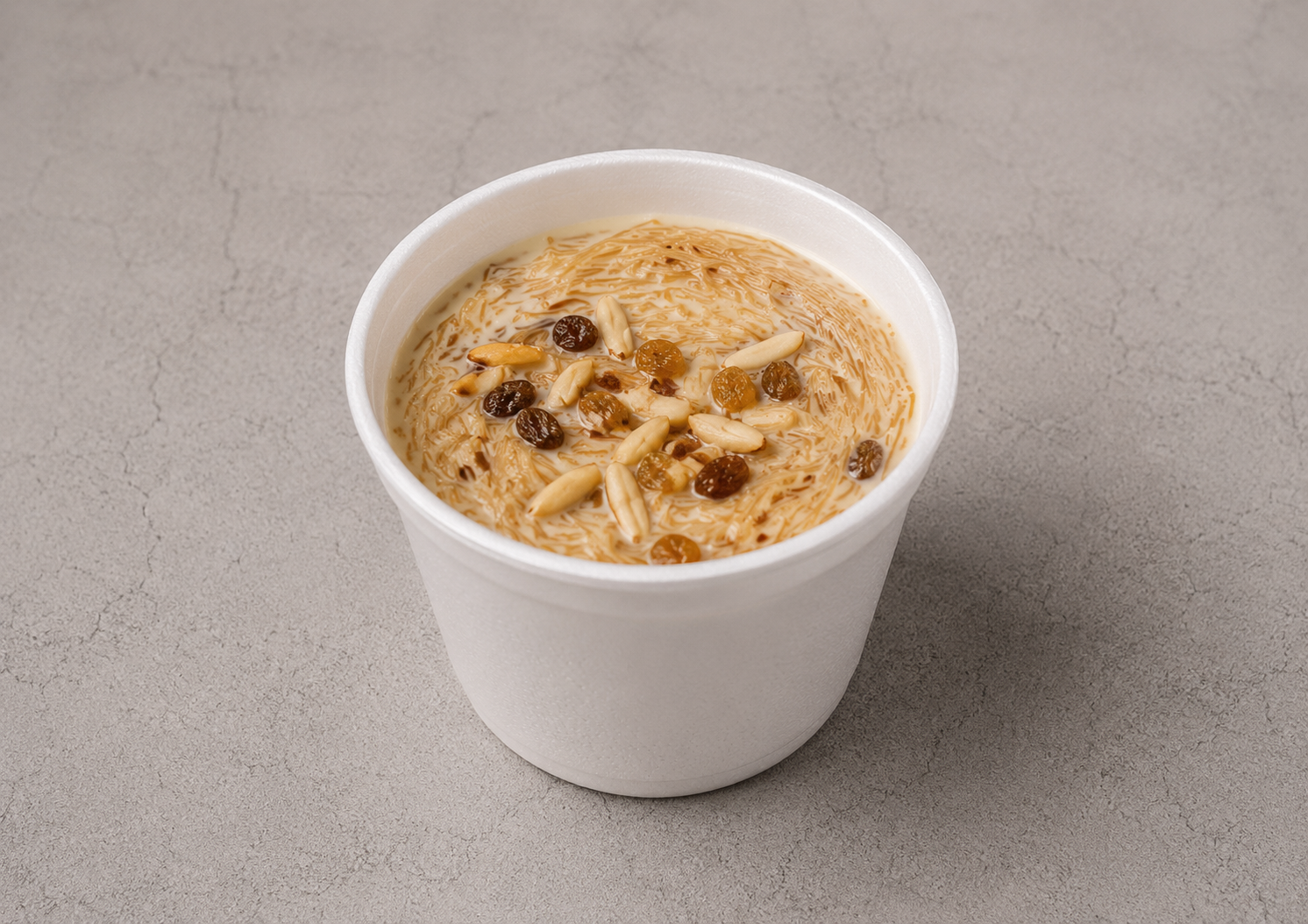
Semai
Vermicelli Dessert
Semai holds a central place in Rohingya festive life, most closely tied to Eid al-Fitr and Eid al-Adha. Vermicelli is roasted and slowly cooked in condensed milk with sugar, peanuts, zira, raisins, and other ingredients, often finished before dawn so families can eat something sweet before Eid prayer. Children carry bowls of it to relatives and receive Eidi in return. Beyond Eid, it is served after Qur'anic recitations, at births, and sometimes during Ramadan iftar. Semai remains one of the most loved sweets in Rohingya homes today, connected to both joy and remembrance.
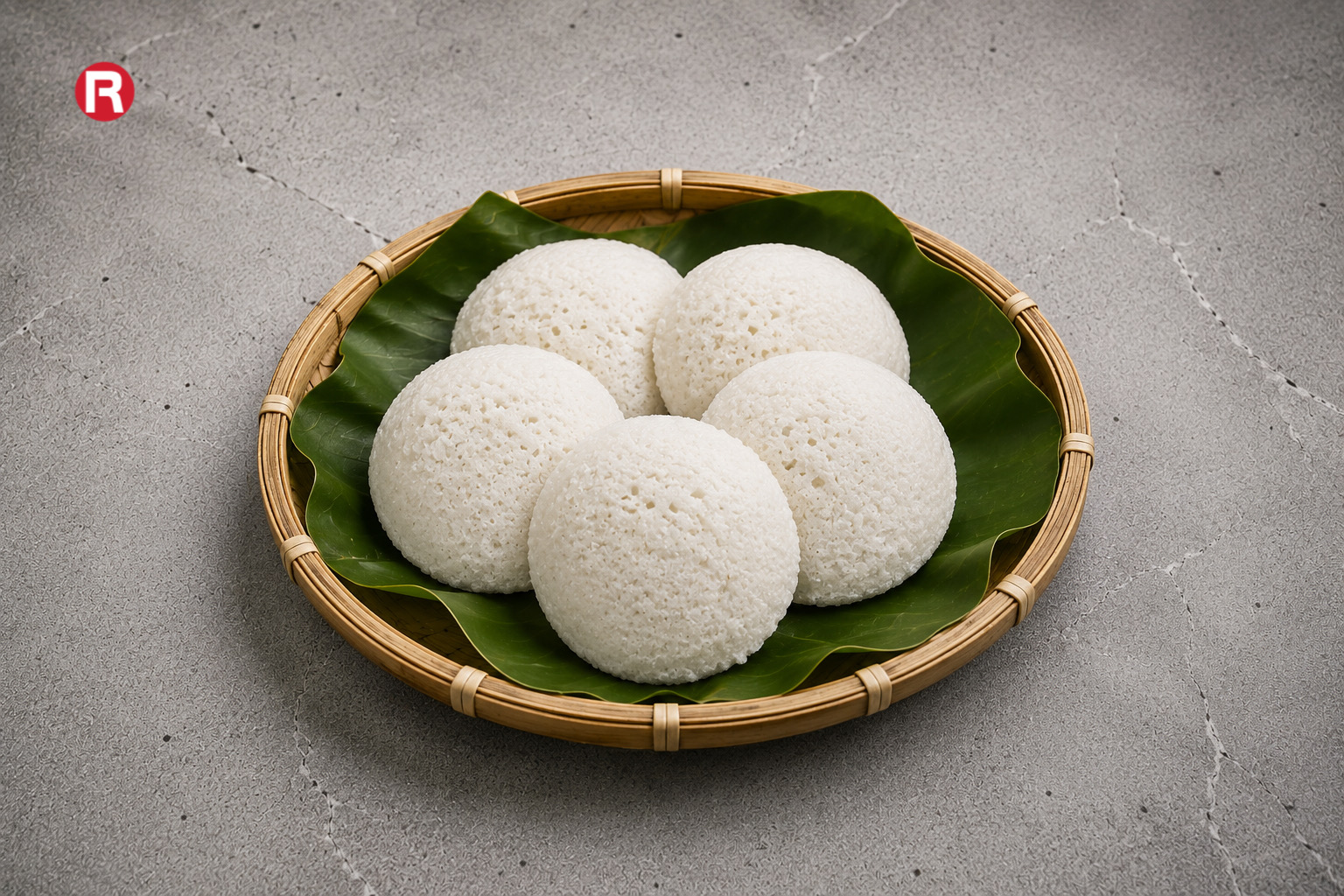
Dui Firá
Layered Rice Coconut Cake
Dui Firá is a layered rice cake made by steaming rice flour batter together with grated coconut mixed with jaggery or palm sugar. Once cooked and cooled, the cake shows thin white rice layers next to golden coconut layers, giving a soft and moist bite. Another variety is cooked without sweets, eaten dipped in spicy curries cooked with we green chilli. It is mostly made in the cool season and eaten at breakfast or teatime paired with a cup of tea. In Arakan, street vendors used to sell it near mosques, and elders still recall its smell drawing people in. Dui Firá remains a loved winter treat among Rohingya families today.
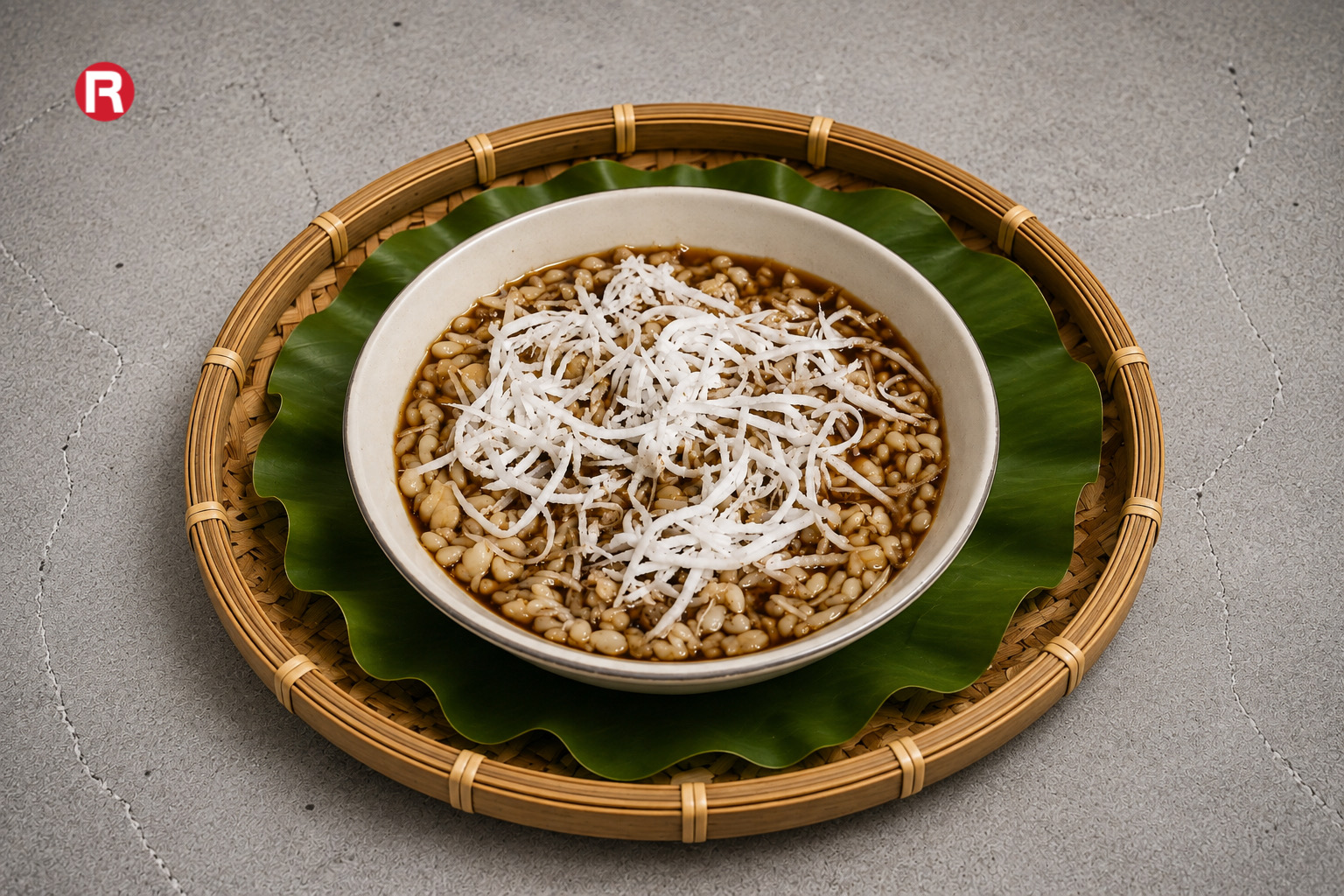
Bola' Firá
Chilled Rice Pearl Dessert
Bola' Firá is a cooling summer dessert made from tiny rice flour pearls boiled until soft and jelly-like, then served in chilled syrup made from palm sugar, shredded coconut, and a splash of milk. Ice is often added, earning it the nickname Thándha Firá, meaning cool snack. It offers relief on hot, sunny afternoons and has long been part of Rohingya summer food culture. Roadside vendors in Rohingya areas still sell it today, making it a familiar treat during the warmer months.
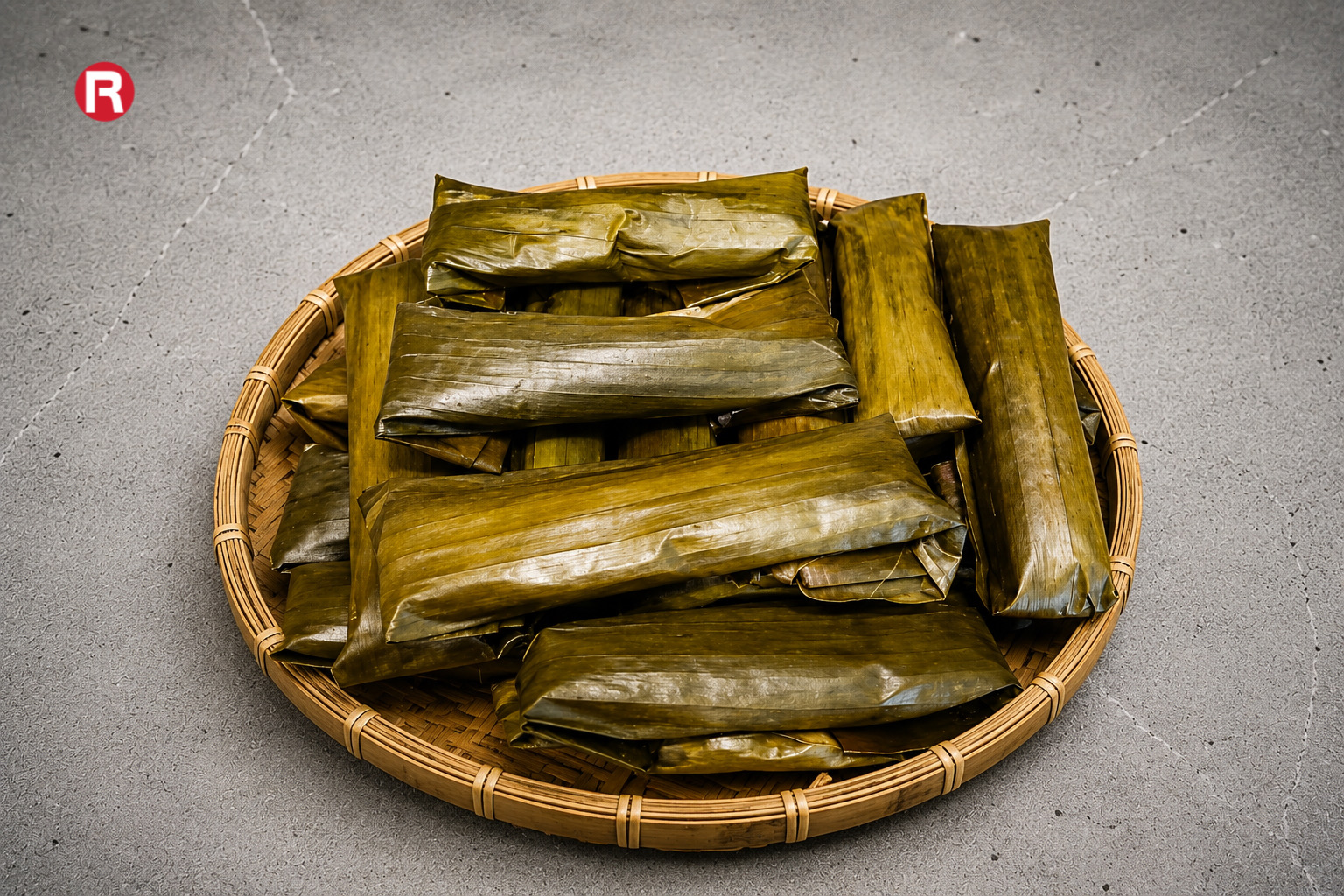
Baat Firá
Steamed Sticky Rice Cake
Baat Firá is a steamed sticky rice cake wrapped in banana leaf, made with rice, banana, and coconut flakes sweetened with sugar or palm sugar. The banana leaf is softened over a flame, filled with the rice mixture, folded shut, and steamed in a clay steamer called a Foin until fully cooked. It is one of the most loved Rohingya winter snacks and is often served to guests as a sign of hospitality. Baat Firá remains a common winter dish in Rohingya homes, especially during festive gatherings.
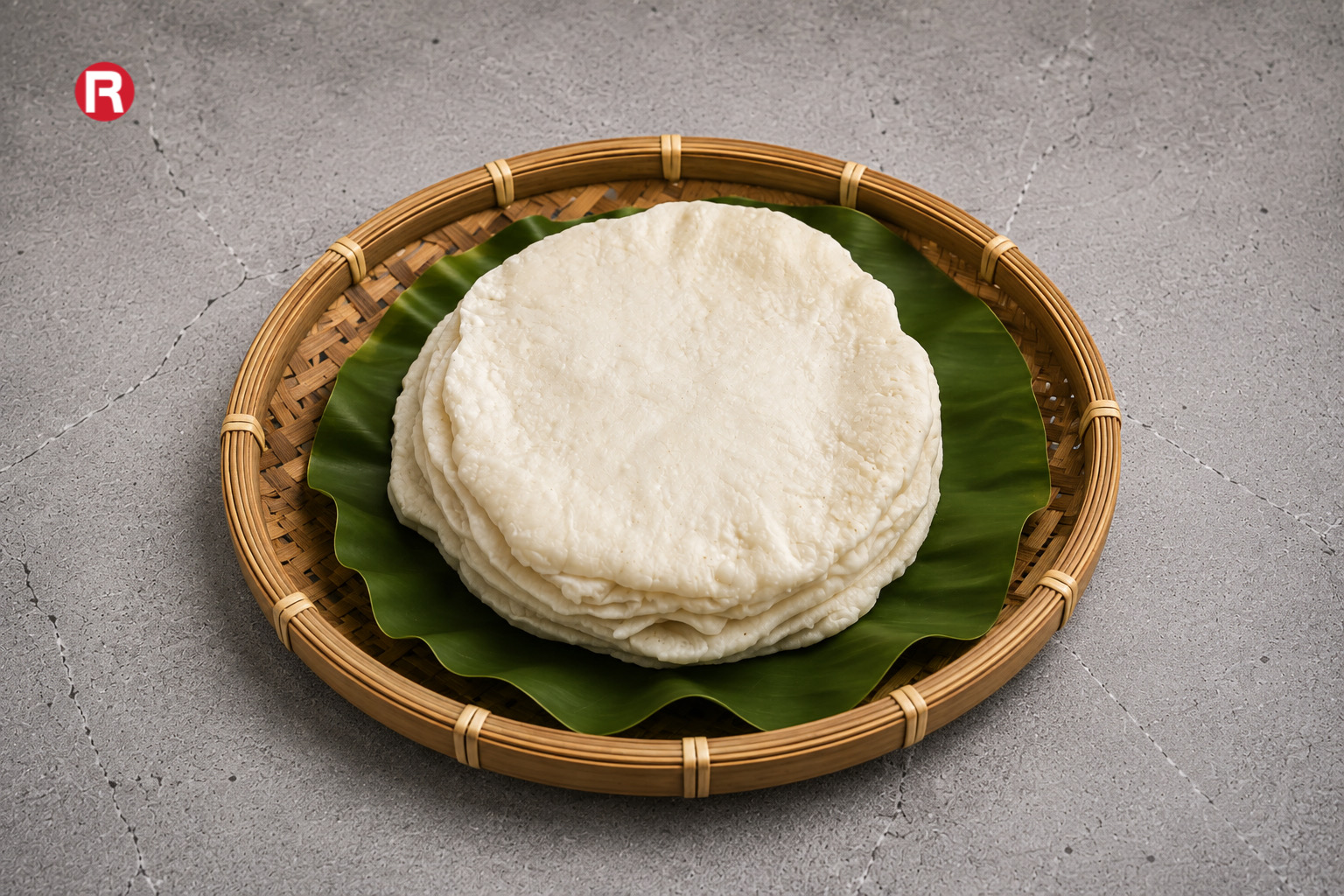
Luri Firá
Rice Flatbread
Luri Firá, also written luçi fiçá, is a flatbread made only from rice flour, water, and salt, reflecting Arakan's history as a rice-growing land. Large amounts are made for Eid al-Fitr and Eid al-Adha to eat alongside beef, mutton, or chicken curry, with pieces torn off to scoop up the meat and curry mixtures. For Rohingya now living far from Arakan, Luri Firá remains one of the tastes that still connects them to their family villages. It continues to be made today, especially during Eid celebrations.
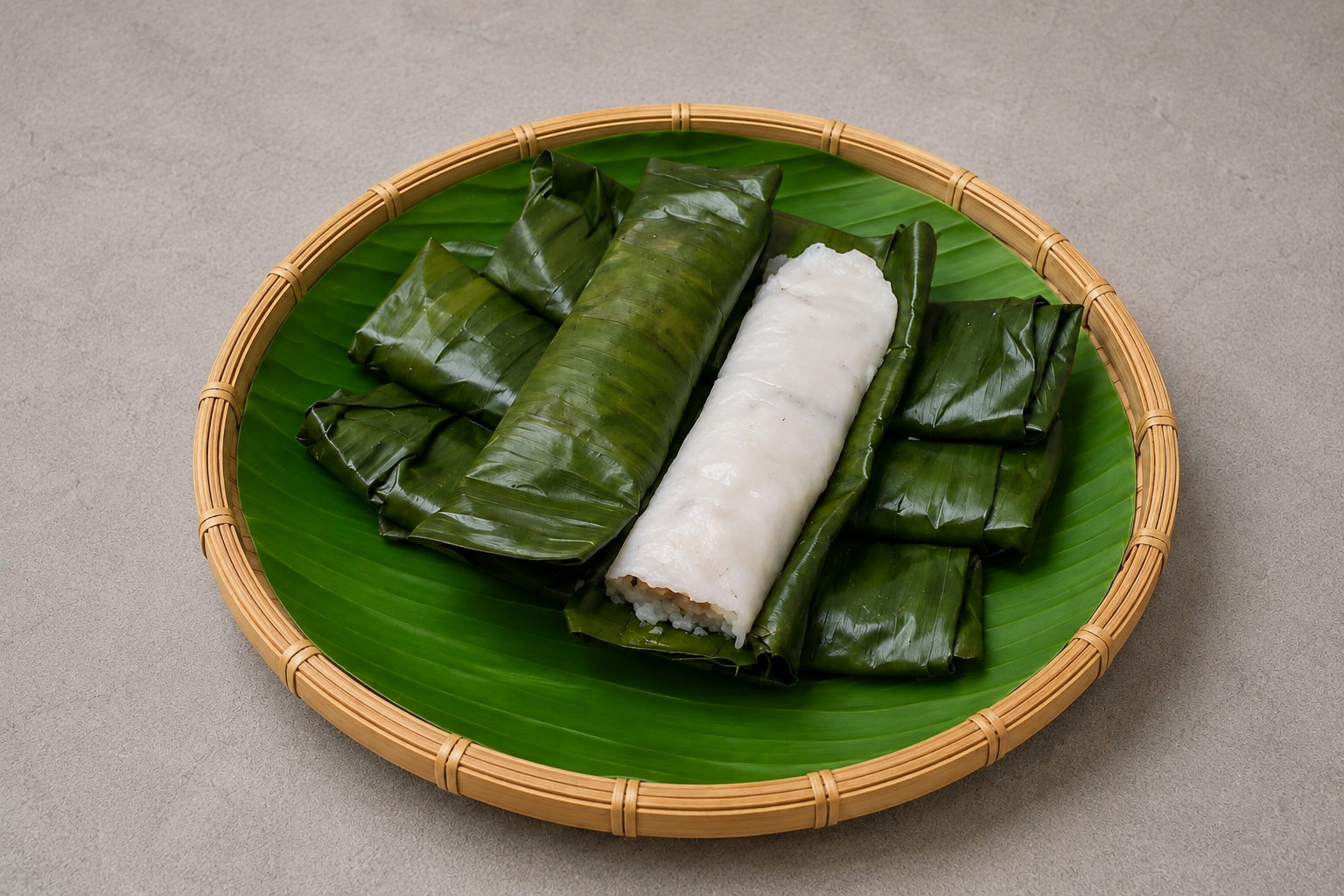
Zála Firá
Sprouted Rice Cake
Zála Firá is a coconut-filled rice cake wrapped in banana leaves, named after zála, a sprouted rice grain that is dried and milled to make the dough. The dough is mixed with sticky rice flour, then filled with grated coconut and jaggery before being steamed in the leaf wrapping. Rohingya women traditionally prepare it at dawn during the summer, mostly in rural rice-farming areas, giving it a mildly sweet and earthy taste. Zála Firá remains a treasured harvest-season treat in Rohingya food culture today.
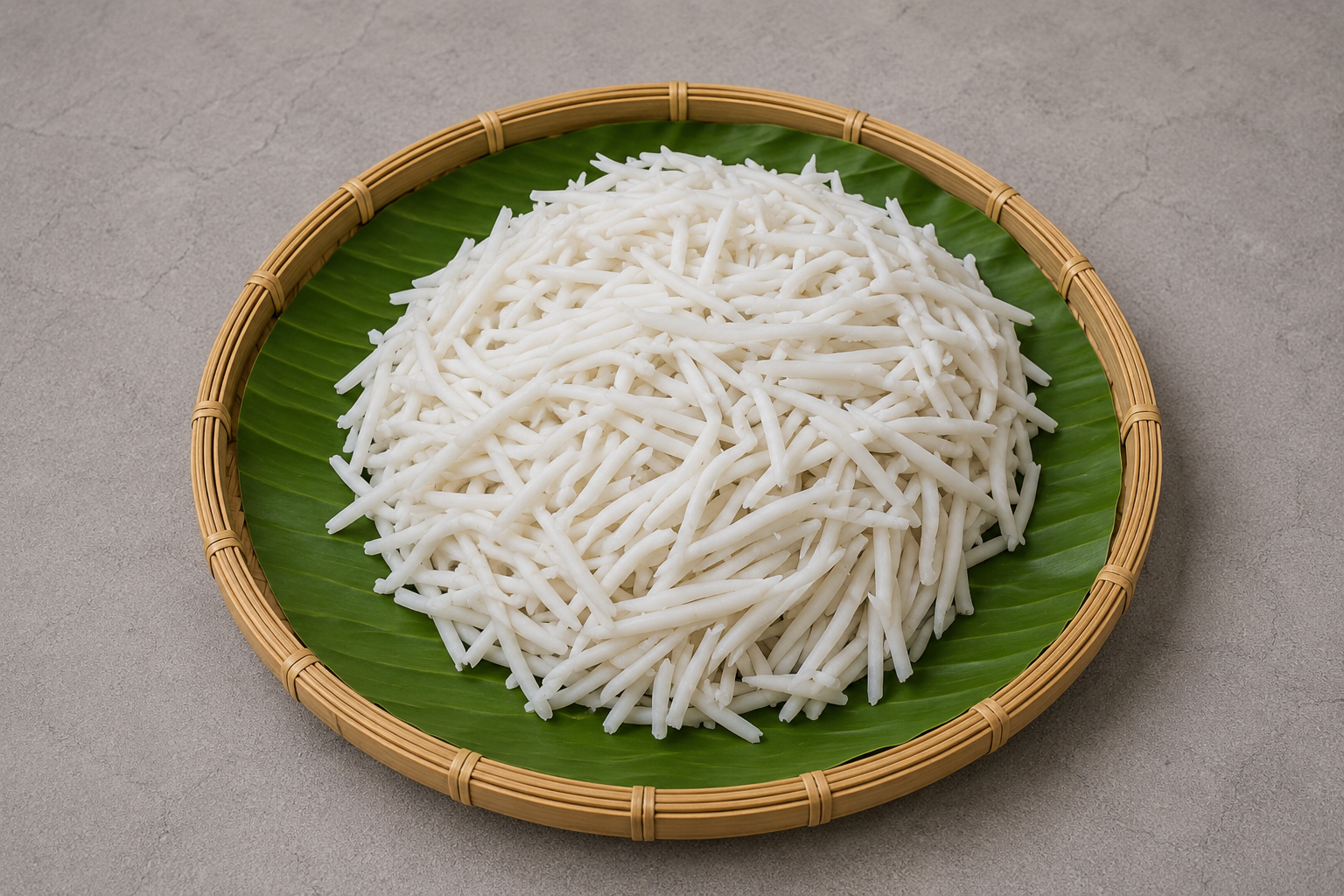
Gura Firá
Molasses Rice Noodle Pudding
Gura Firá is a sweet pudding made from short, hand-shaped rice flour noodles cooked and mixed into a syrup of boiled molasses. The noodles are formed by kneading rice flour dough into small orzo-like pieces, then combined with molasses syrup along with raisins, fennel seed, and sago. It is served in small bowls topped with roasted peanuts and coconut for extra aroma. Gura Firá is common at Eid and also made when parents visit a pregnant daughter, remaining a valued festive dish today.
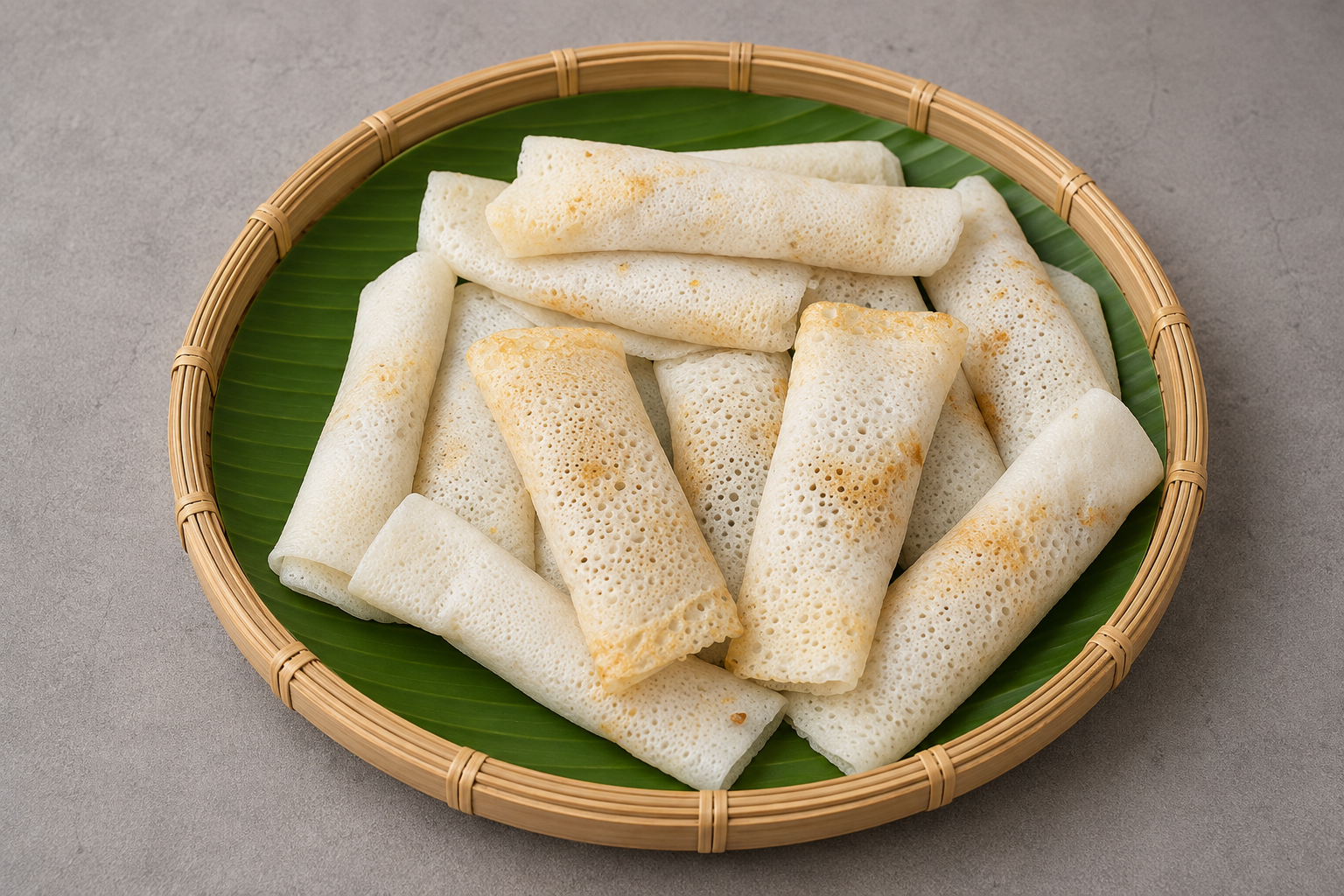
Sithol Firá
Soft Rolled Rice Pancake
Sithol Firá is a soft, sweet rolled pancake made from a slurry of rice flour, sugar, egg, and water cooked on an oily pan until it forms a flat, spongy layer. The name means porous or spongy, describing its honeycomb texture. Once cooked, it is rolled around a filling of shredded coconut, sugar, and sesame, giving it a soft, pudding-like taste. It is often prepared as a special treat for guests. Sithol Firá still holds deep meaning in Rohingya food culture today.
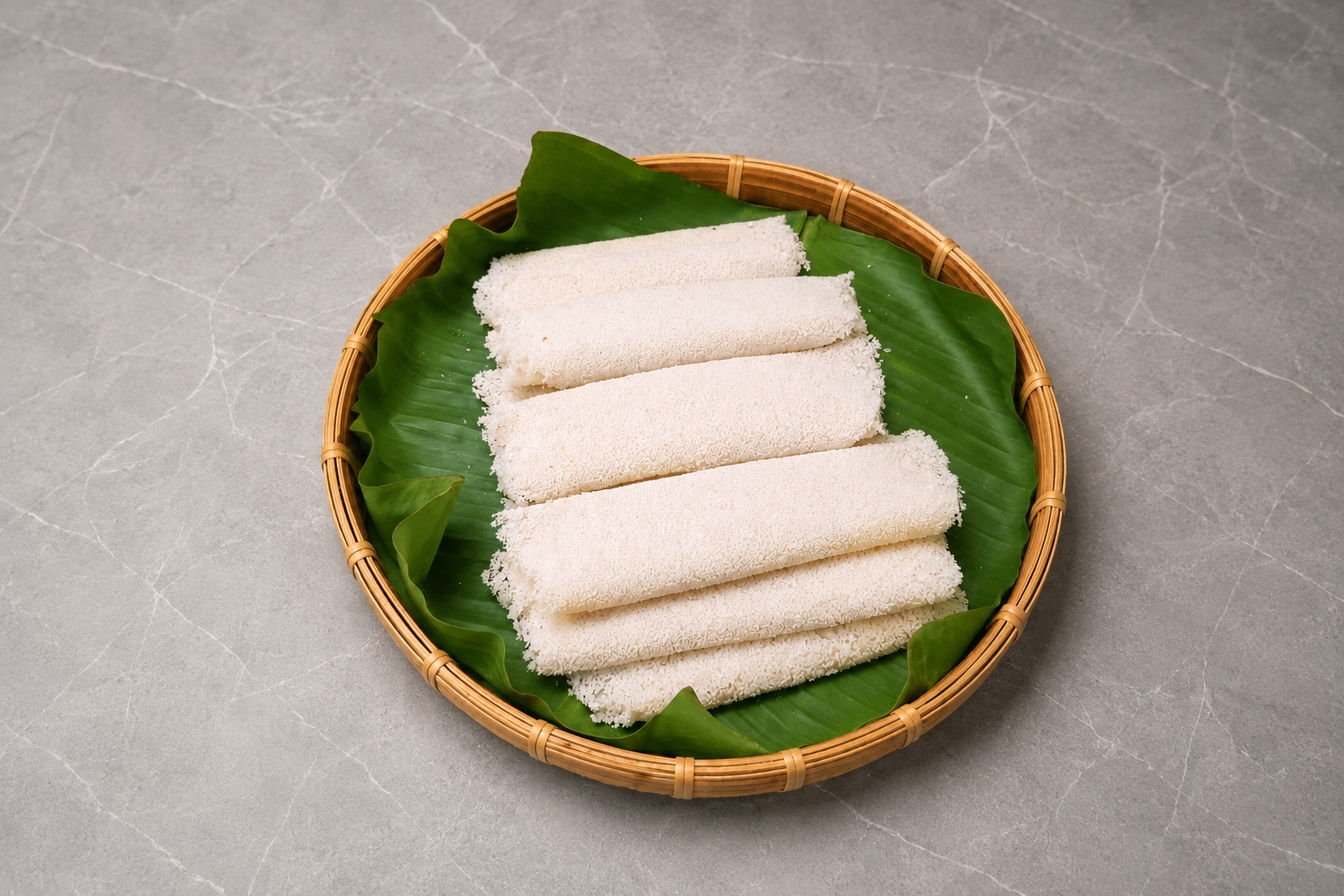
Dúppash Firá
Crispy Stuffed Rice Crepe
Dúppash Firá is a sweet snack wrapped in a crisp, sticky rice flour layer, filled with cooked sticky rice, palm or castor sugar, shredded coconut, and a little salt. It is often enjoyed early in the morning during winter, served to guests alongside a cup of sweet Rohingya tea. The contrast between the crispy outer layer and the soft, sweet filling makes it a favorite cold-season snack. Dúppash Firá remains a common winter morning dish in Rohingya households today, especially when guests are visiting.
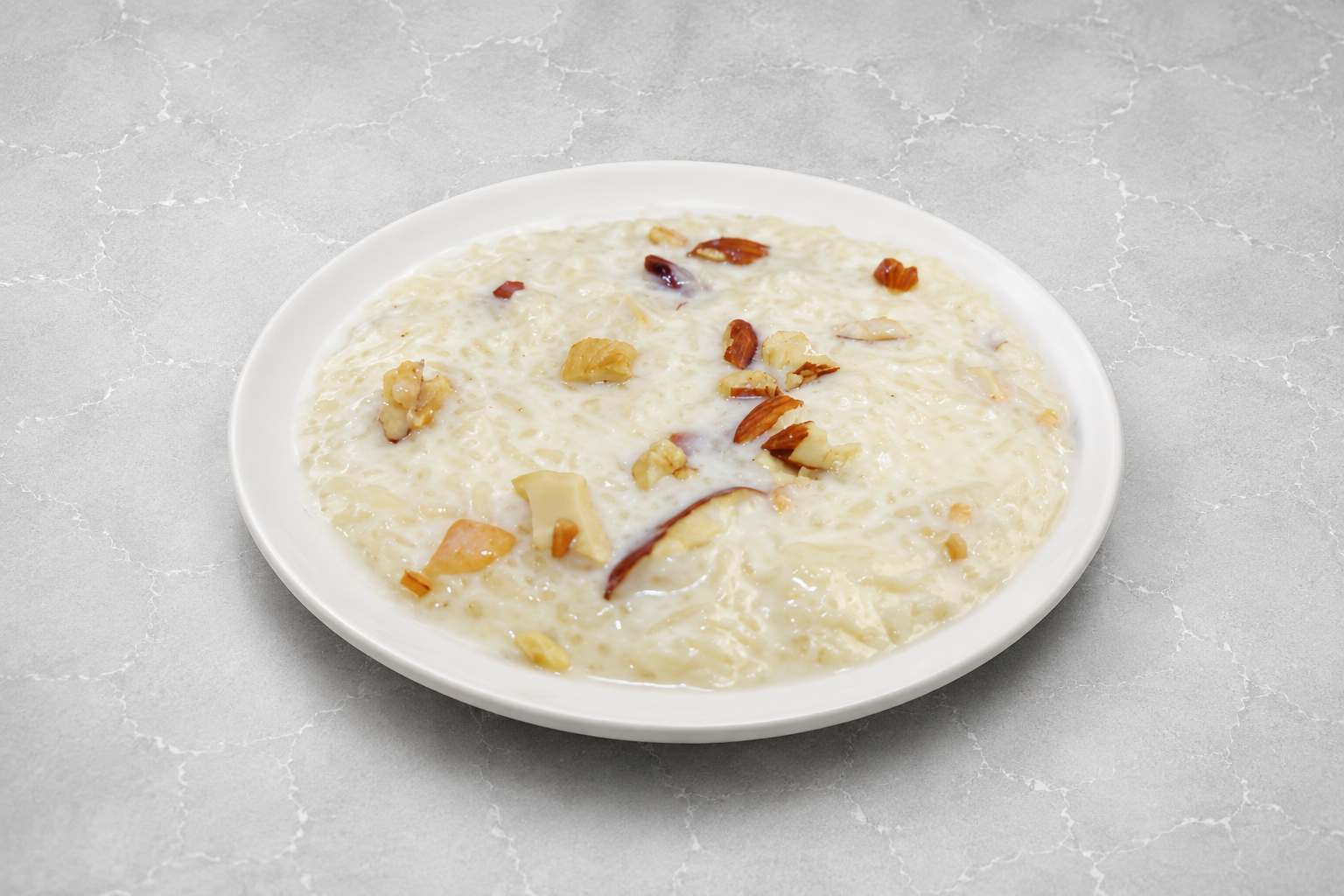
Shotki
Sweet Milk Wheat Noodle Dessert
Shotki is a dessert made through a long, careful process where families hand-cut tiny wheat flour noodle grains and sun-dry them, storing the dried shutki in jars for Eid. To prepare it, sweetened milk is cooked with roasted peanuts, coconut, raisins, sago, and fennel seeds before the Shotki grains are added with a little salt. It is made for Ramadan iftar and Eid festivals, and cutting the grains by hand is often done while praising Allah during fasting hours. Shotki remains a cherished Ramadan tradition today.
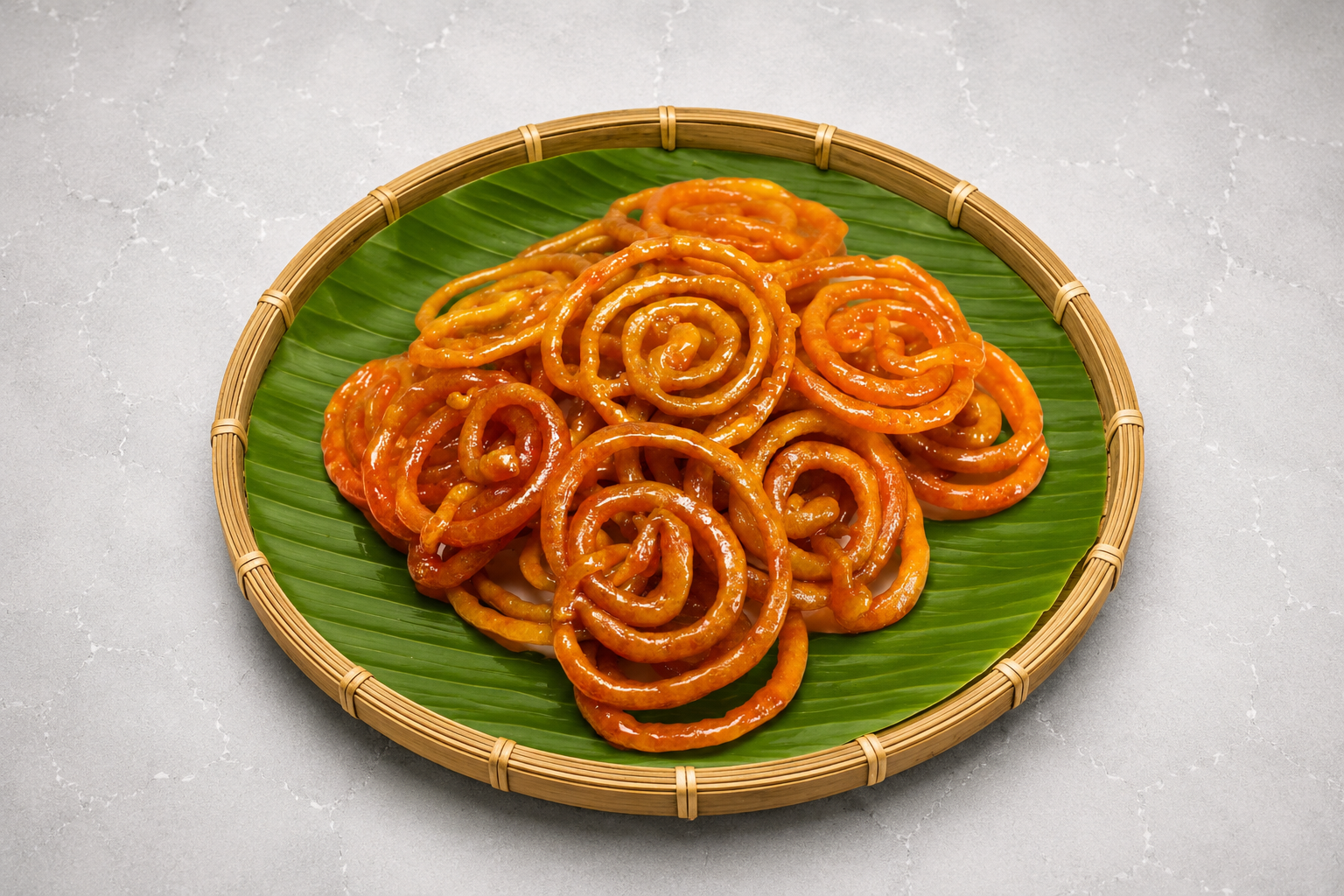
Zilafi
Fried Spiral Sweet
Zilafi is made from a deep-fried, spiral-shaped rice flour batter soaked in sweet sugar syrup or palm sugar syrup, giving it a crispy outside and juicy, syrupy inside. It is especially prepared during winter, when families and friends gather to enjoy its warmth. In earlier times, in rural areas, Zilafi sellers used to carry it through villages on winter nights, trading it for rice, paddy, or sprouted rice grain instead of money. Zilafi remains a popular winter sweet in Rohingya communities today, valued for both its taste and its old trading tradition.
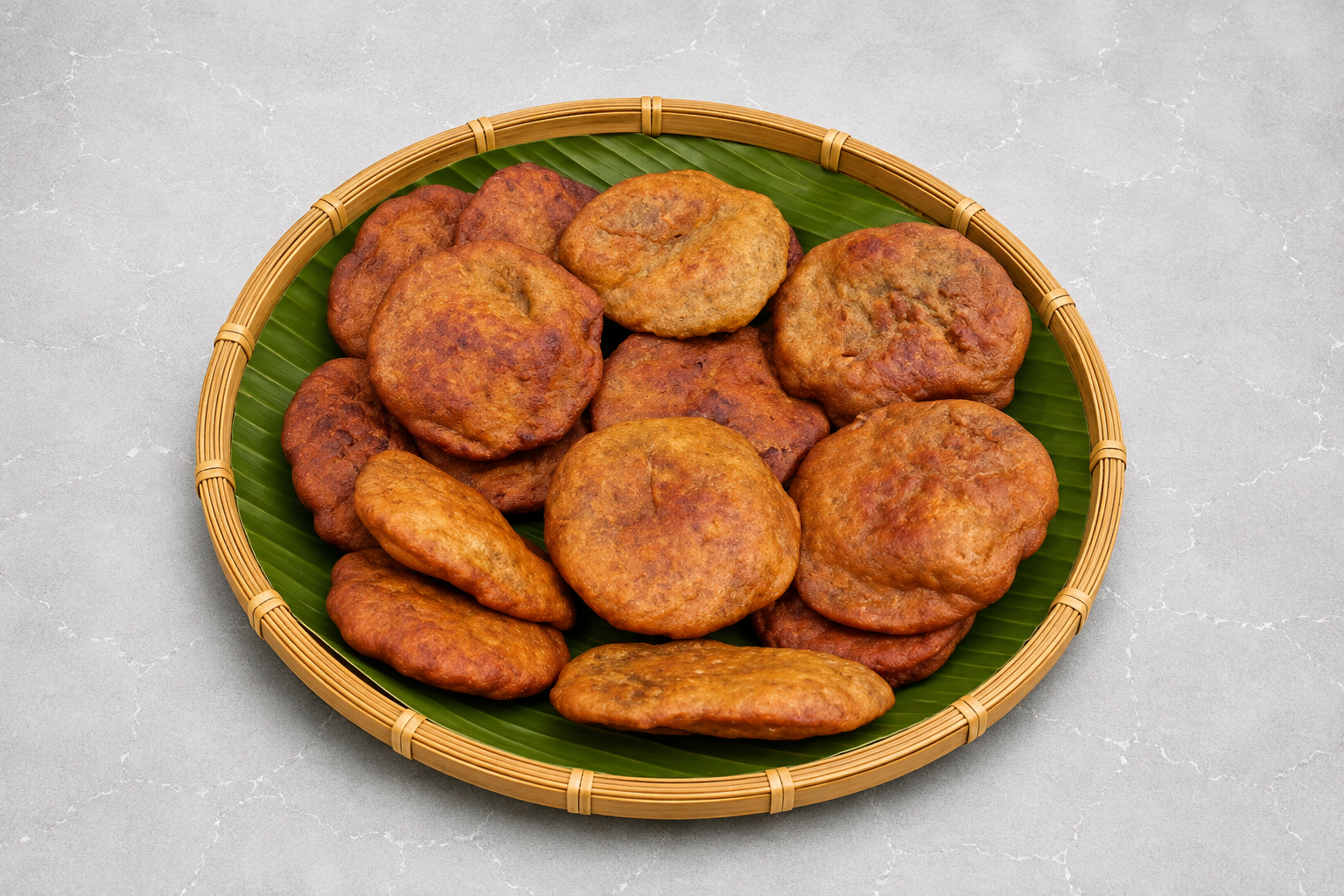
Fakkon Firá
Banana Coconut Rice Fritter
Fkkon Firá is a fritter made from banana and coconut pieces mixed into rice flour, fried until puffed and soft, an easy-to-break cake. Its name comes from Fakkon, the kernel of a jujube fruit, because the fritter's shape resembles it closely. Traditionally made in the morning for breakfast, it is also enjoyed in the evening with coffee. Fakkon Firá is a well-loved snack for serving house guests with tea. It remains part of everyday Rohingya food culture today, enjoyed at different times throughout the day.
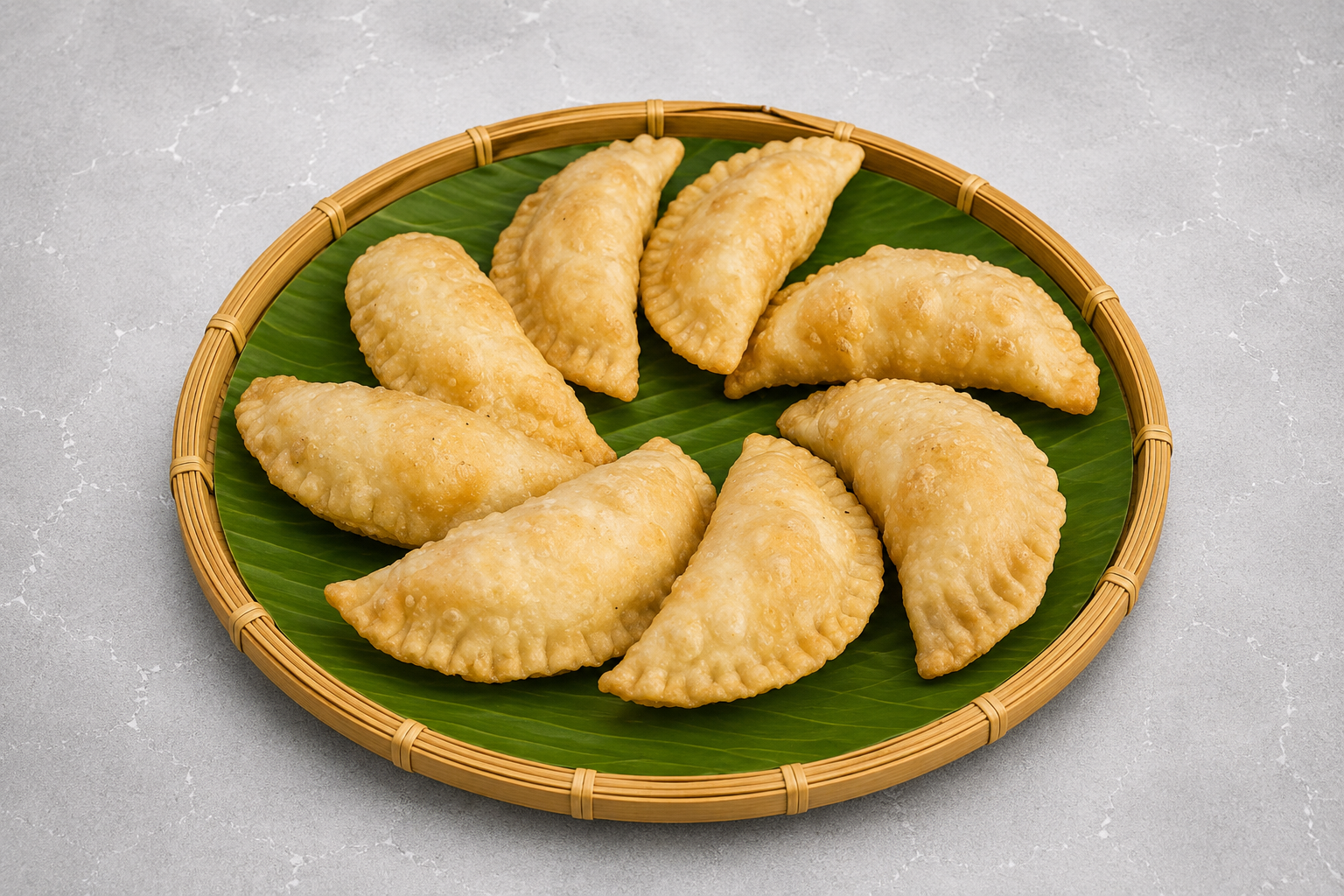
Fóni Firá
Fried Crescent Sweet Dumpling
Fóni Firá is a pastry made from flour dough folded into a crescent shape and sealed at the edges, filled with coconut, sugar, and sticky rice. It shares similarities with pastries found in other South Asian cultures but keeps its own distinct Rohingya style and taste. Mothers often make it for their children at home, and it is eaten in the morning with tea. It is also considered good for serving to guests. Fóni Firá remains a familiar homemade sweet in Rohingya households today.
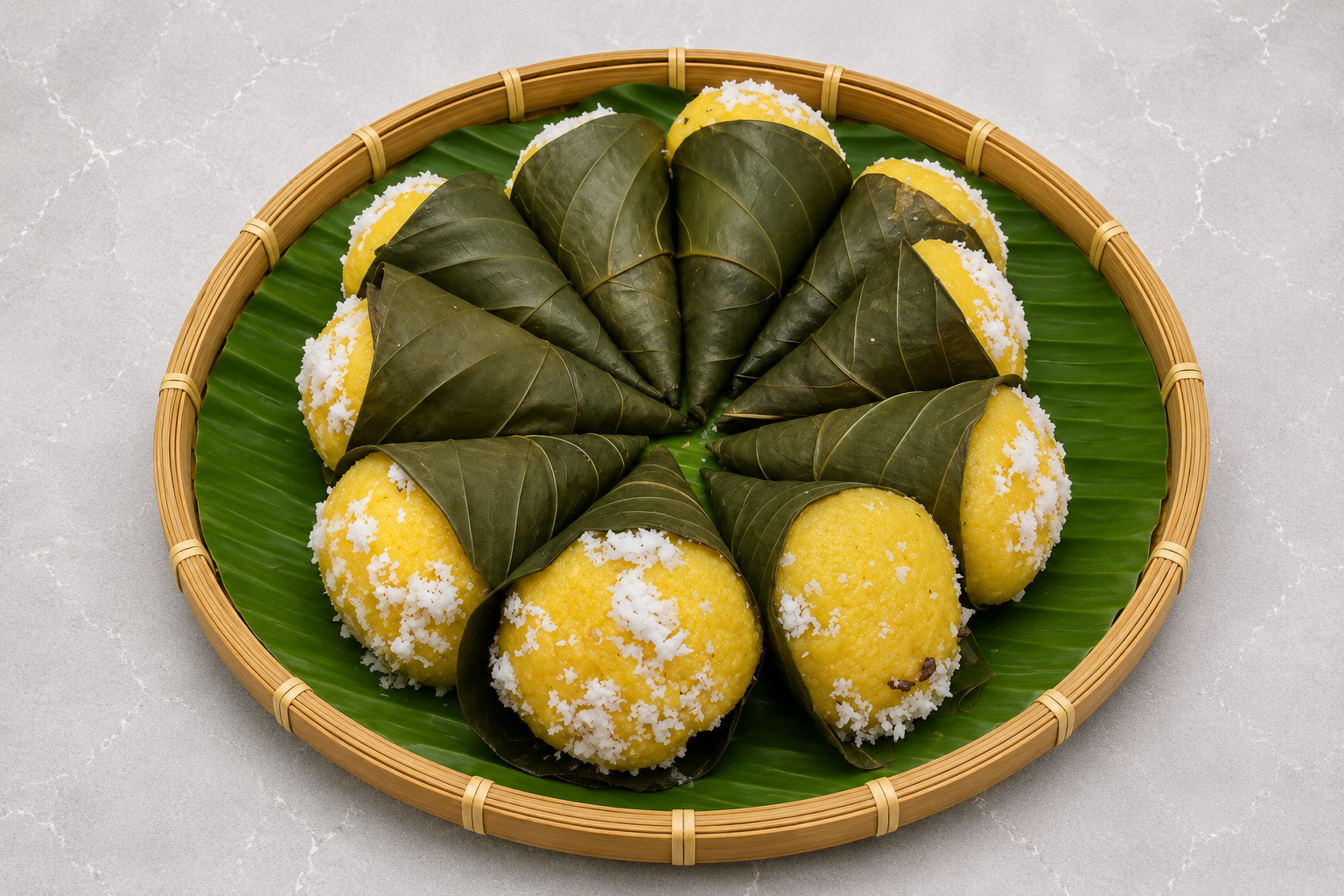
Leyza Firá
Cone-Shaped Rice and Palmyra Snack
Leyza Firá is a distinctive snack shaped like a cone in banana leaf wrapping, resembling ice cream. It is made from rice flour, palmyra fruit, molasses, coconut, and sesame, giving it a soft, sweet texture with the gentle scent of palmyra fruit. It is especially enjoyed during Arakan's cold winters, eaten warm at breakfast with tea to satisfy hunger and bring warmth against the morning chill. Leyza Firá remains a favorite cold-season breakfast snack among Rohingya families today.
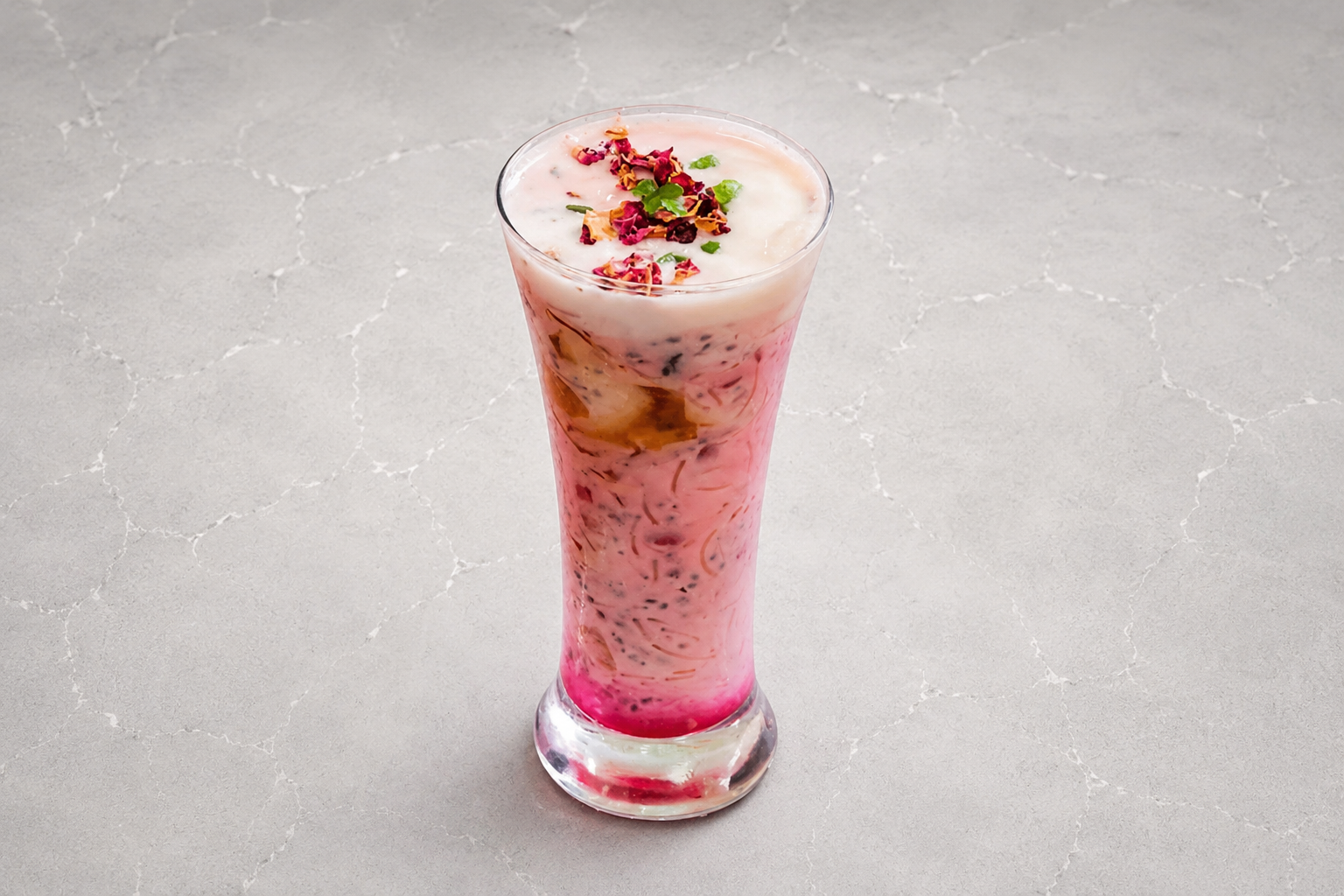
Faluzà
Layered Cooling Faluda Drink
Faluzà is a cooling dessert drink made during hot summer months and especially Ramadan, combining vermicelli noodles, banana, soaked basil or chia seeds, milk, sugar syrup, and flavored jelly, topped with ice. Influenced by South Asian and Myanmar-style faluda, it is valued for its cooling effect after long fasting hours without water, often placed on the iftar table. It is prepared at home or sold by vendors near mosques and markets before sunset, shared among family and neighbors. Faluzà remains a favorite Ramadan and summer drink today.
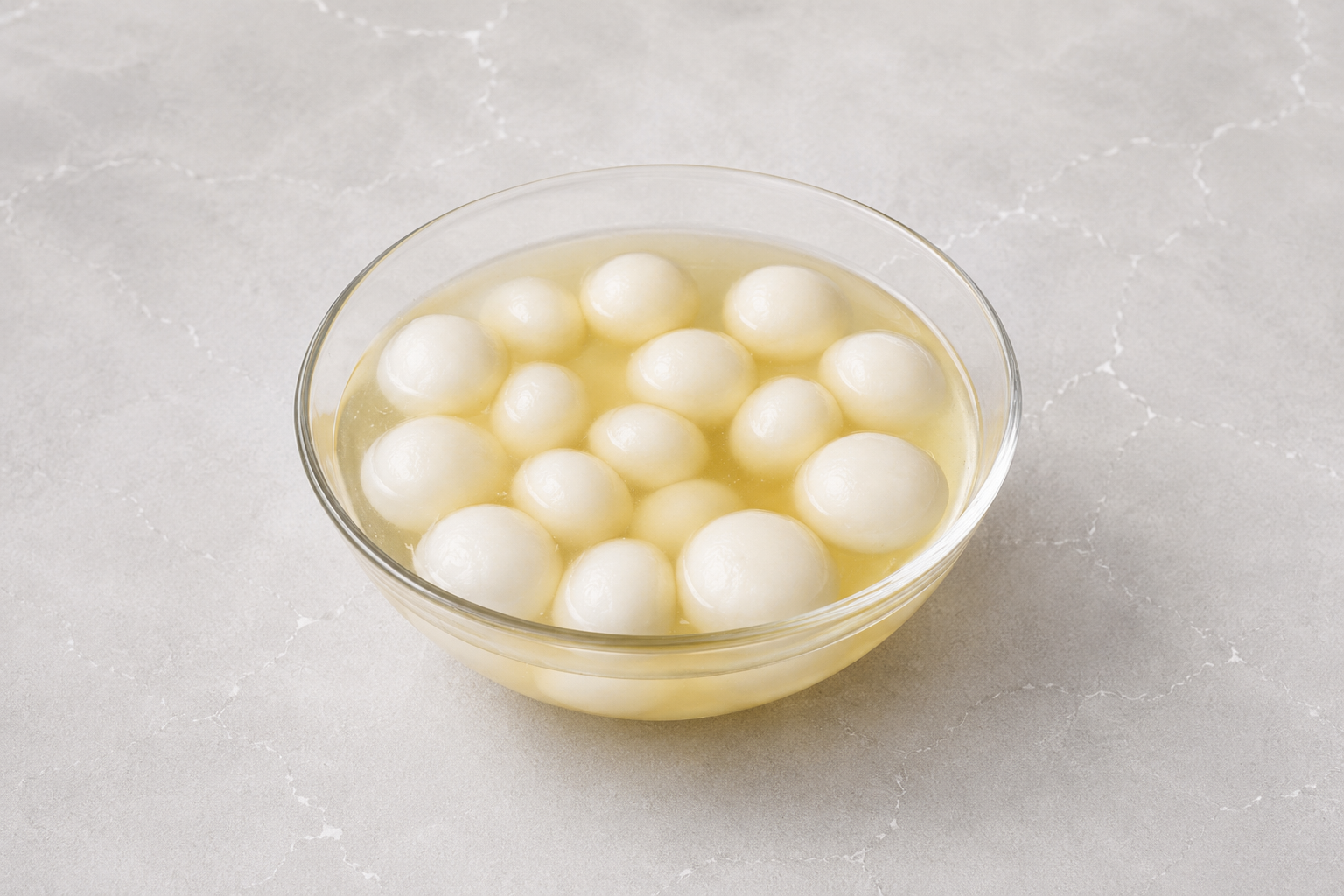
Rosha Golá
Sweet Soaked Bàggulà
Rosha Golá is a sweet made by soaking fried Bàggula, or sometimes plain biscuits, in a light sugar syrup until it softens and absorbs the sweetness while staying slightly firm on the outside. The syrup is made by mixing sugar with water and warming it gently before dipping in the fried bread. It is especially popular in summer and during Ramadan, often served at iftar as an energy-giving sweet after a long day of fasting. Rósha Golá remains a valued Ramadan treat in Rohingya homes today.
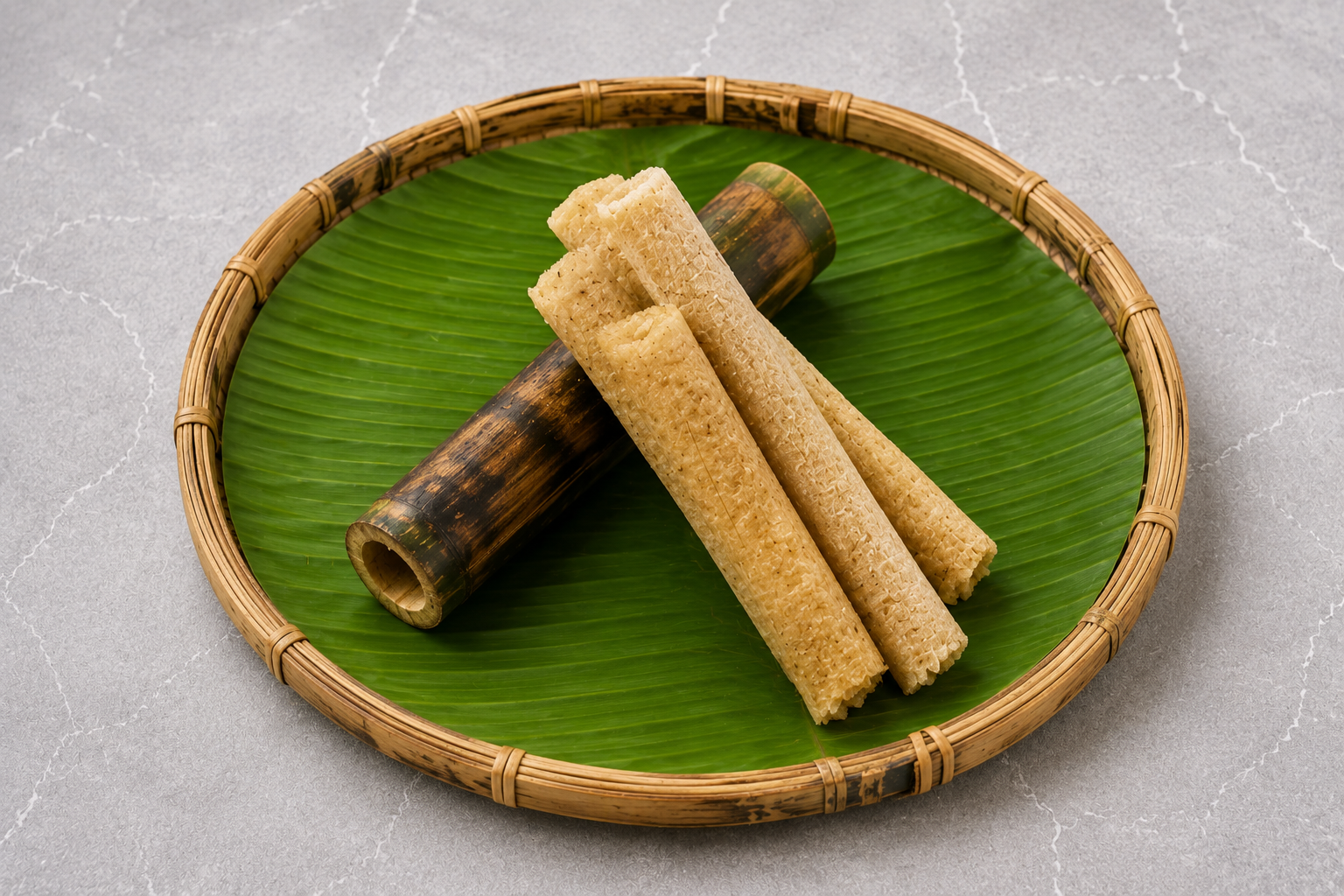
Bini Soñwa
Bamboo-Steamed Sticky Rice
Bini Soñwa is a winter snack made by mixing washed glutinous rice with chopped coconut, stuffing it into a foot-long bamboo tube along with water, sealing it, and steaming it over hot coals until cooked. Once ready, the bamboo tube is torn open to eat the sticky rice inside. It is commonly sold along roadsides during winter nights and enjoyed with tea. Bini Soñwa reflects a traditional cooking method using natural materials, and it remains a familiar winter treat in Rohingya communities today.
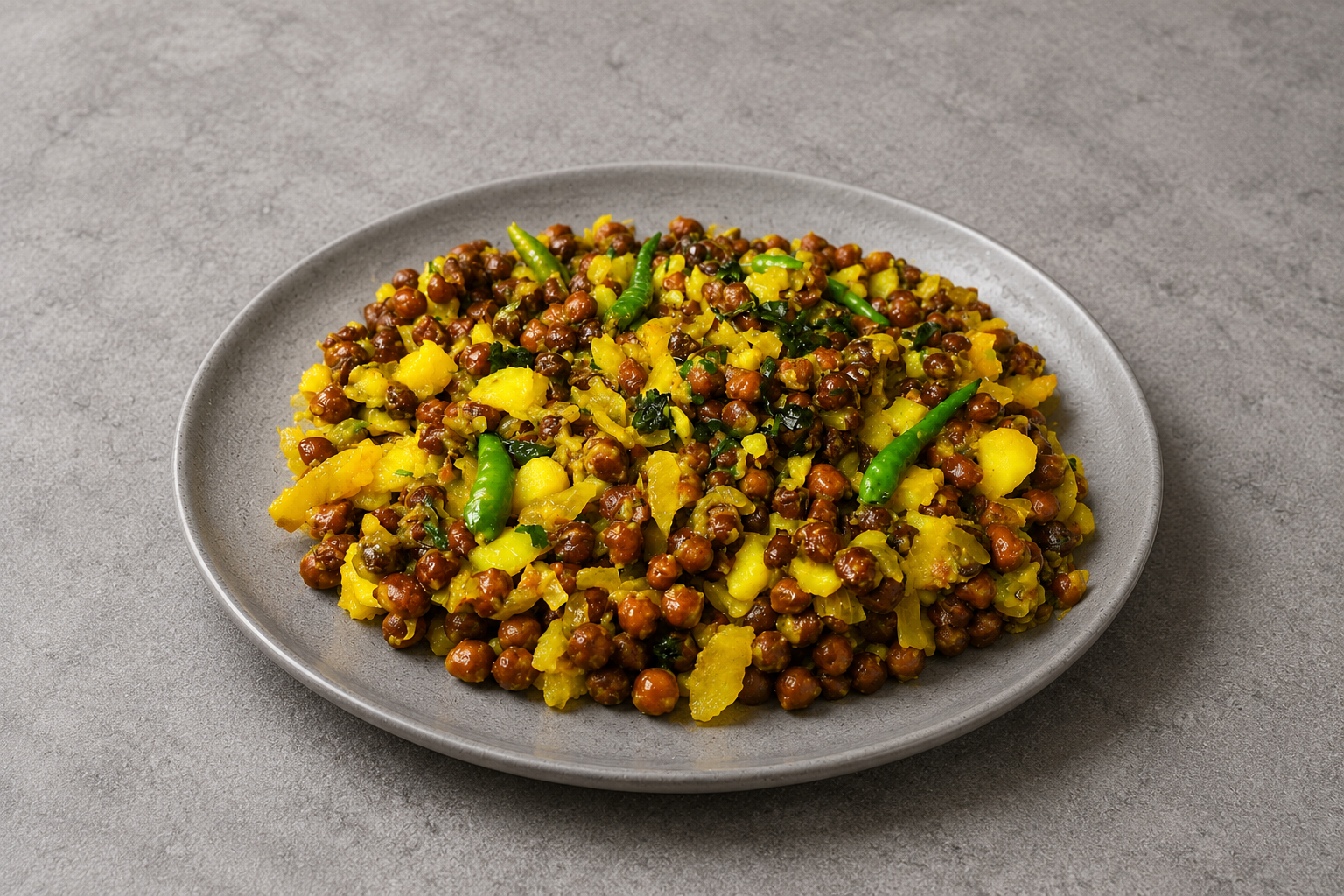
Sawna Boot
Stewed Chickpea Dish
Sawna Boot is a stewed chickpea dish prepared by soaking dried chickpeas overnight, then boiling and simmering them with salt, turmeric, onion, garam masala, and chilli powder, sometimes mashed lightly to thicken the curry. It holds particular importance during Ramadan, when it is served at iftar with puffed rice, cucumber salad, and green chilli, and larger batches are cooked to share with neighbors and mosque gatherings. A breakfast version is also served after Fajr prayer with glutinous rice. Sawna Boot remains an important Ramadan dish today.
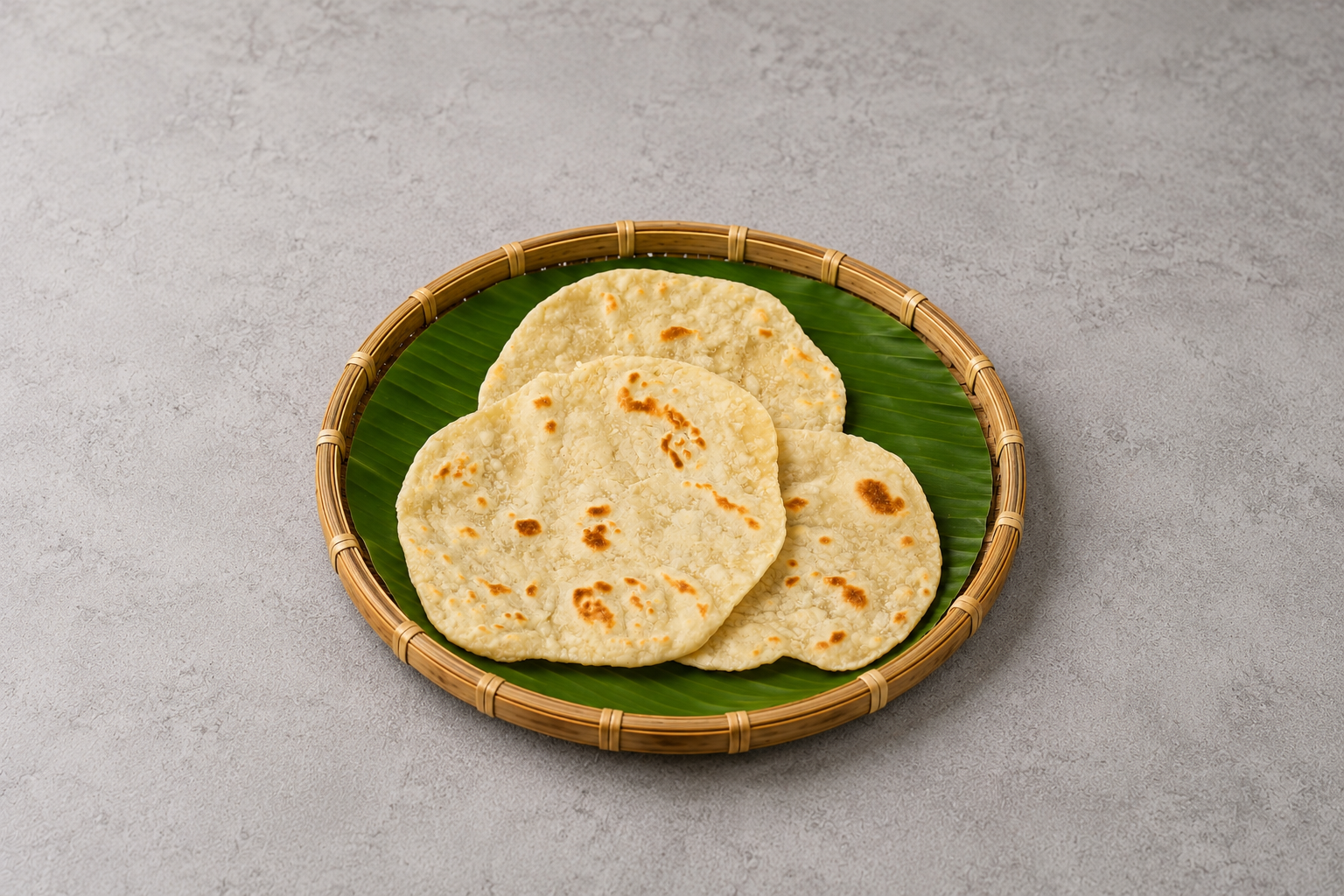
Rutí
Whole-Wheat Flatbread
Rutí is a round, unleavened bread made from whole wheat flour, water, and a little salt, kneaded smooth, rested, then rolled into thin rounds. It is cooked on a hot flat pan in two stages, first setting the surface, then applying higher heat so the bread puffs up with a light, speckled crust. In some settings it may also be baked in a tandoor. Rutí is commonly eaten with dal and meat or vegetable curries, as well as with tea, and remains a daily staple in Rohingya households today.
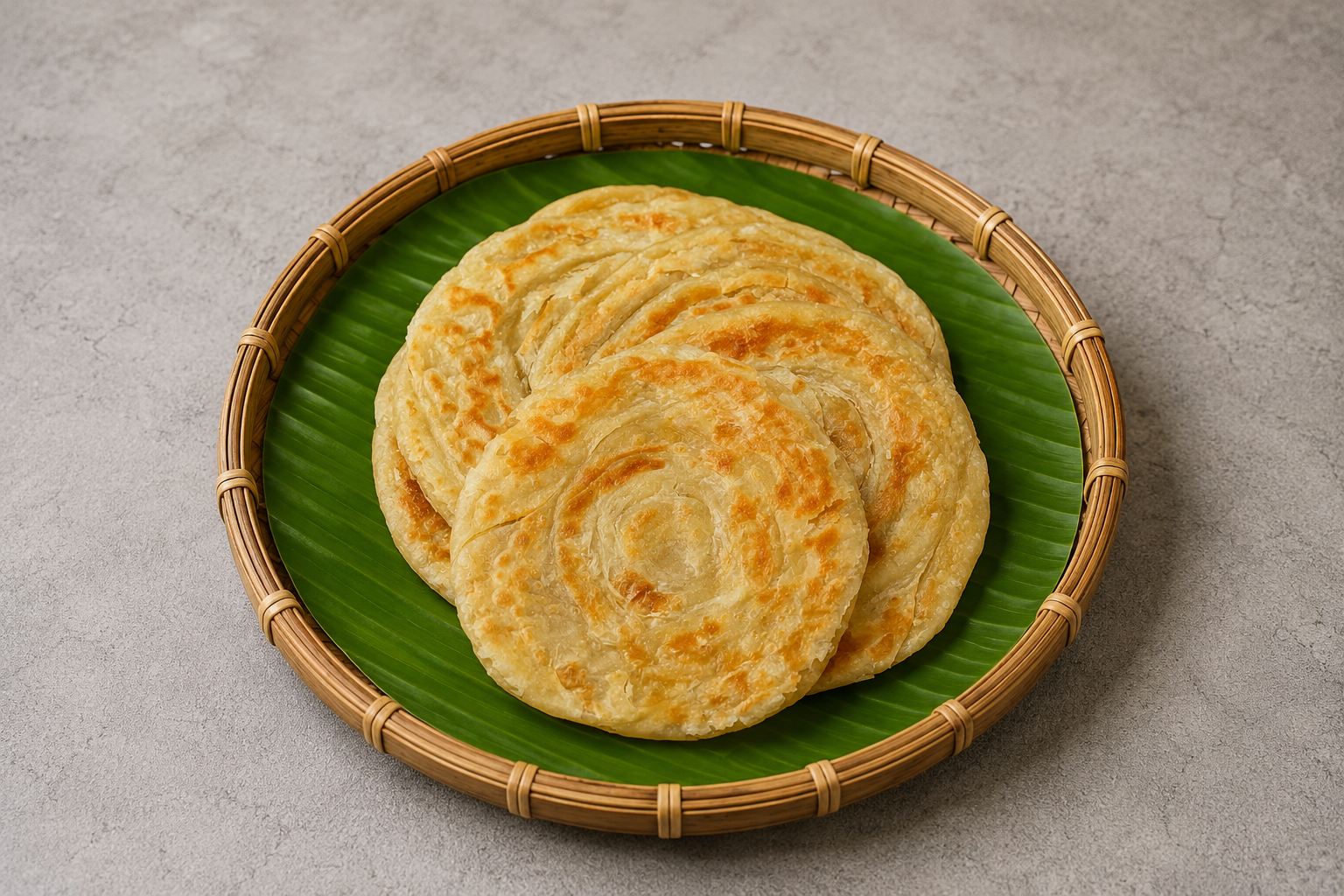
Forota
Layered Paratha-Style Flatbread
Forota is a pan-cooked, layered wheat flatbread made by rolling dough thin, coating it with oil or ghee, then folding and rolling it before frying on a hot griddle. Once cooked, it is often clapped or scrunched to loosen the layers, giving it a flaky, tender texture. It is commonly served as a filling breakfast with lentils or curry and can also be eaten with chai wrapping it with sugar. Forota is widely sold in teashops usually in the morning and remains a popular breakfast choice in Rohingya communities today.
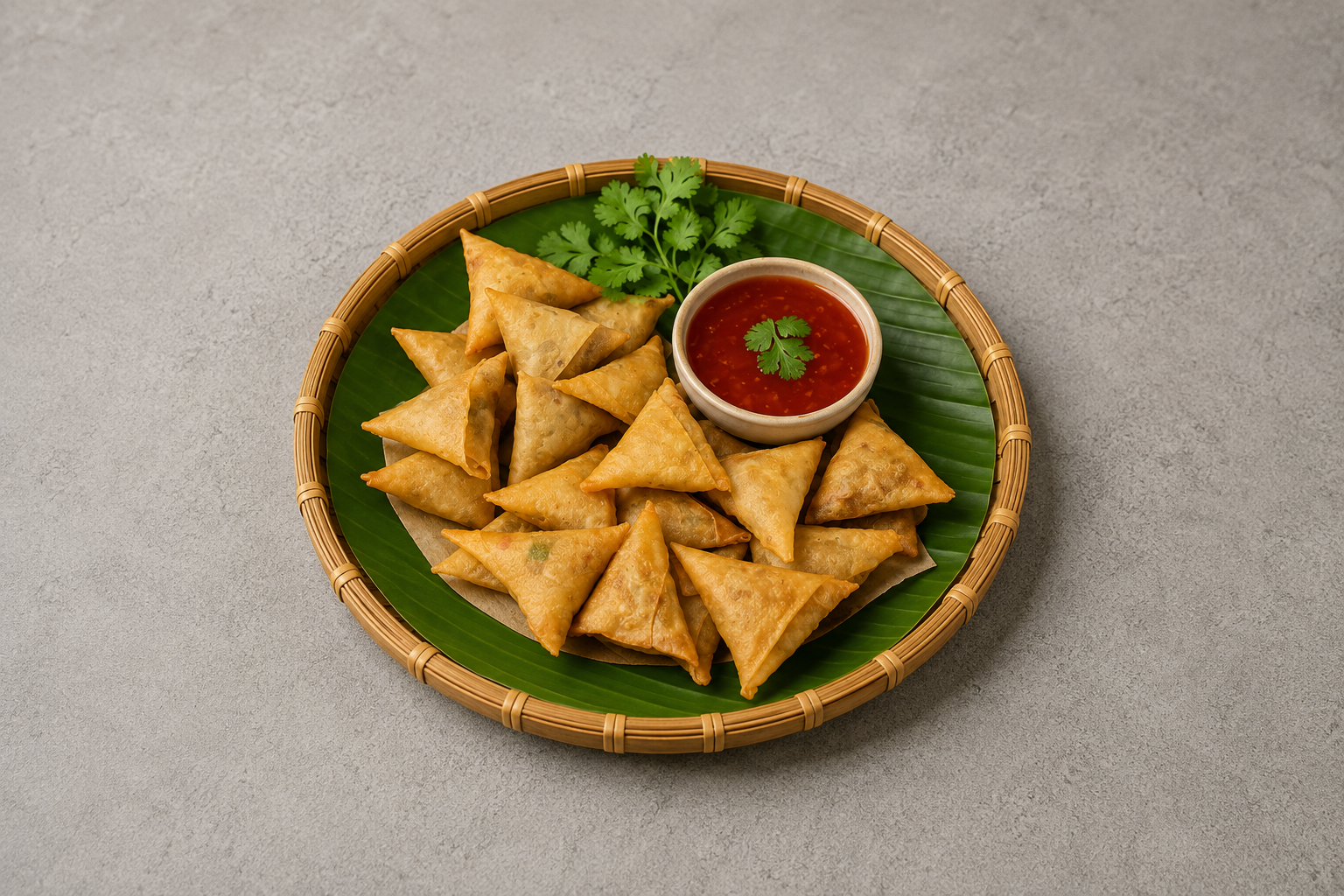
Sàmuzà
Spiced Potato and Noodle Fried Pastry
Sàmuzà is a triangular pastry made by wrapping a spiced filling in thin wheat dough and deep frying it until crisp. The Rohingya version fills it with sliced red potato, green chilli, and noodles cooked with turmeric, onion, garlic, ginger, and masala spices, giving it a flavor distinct from other regional versions. It is strongly linked to tea shops and street snacking, often served with a spicy, sour soup on the side. Sàmuzà remains a popular afternoon street snack in Rohingya communities today.
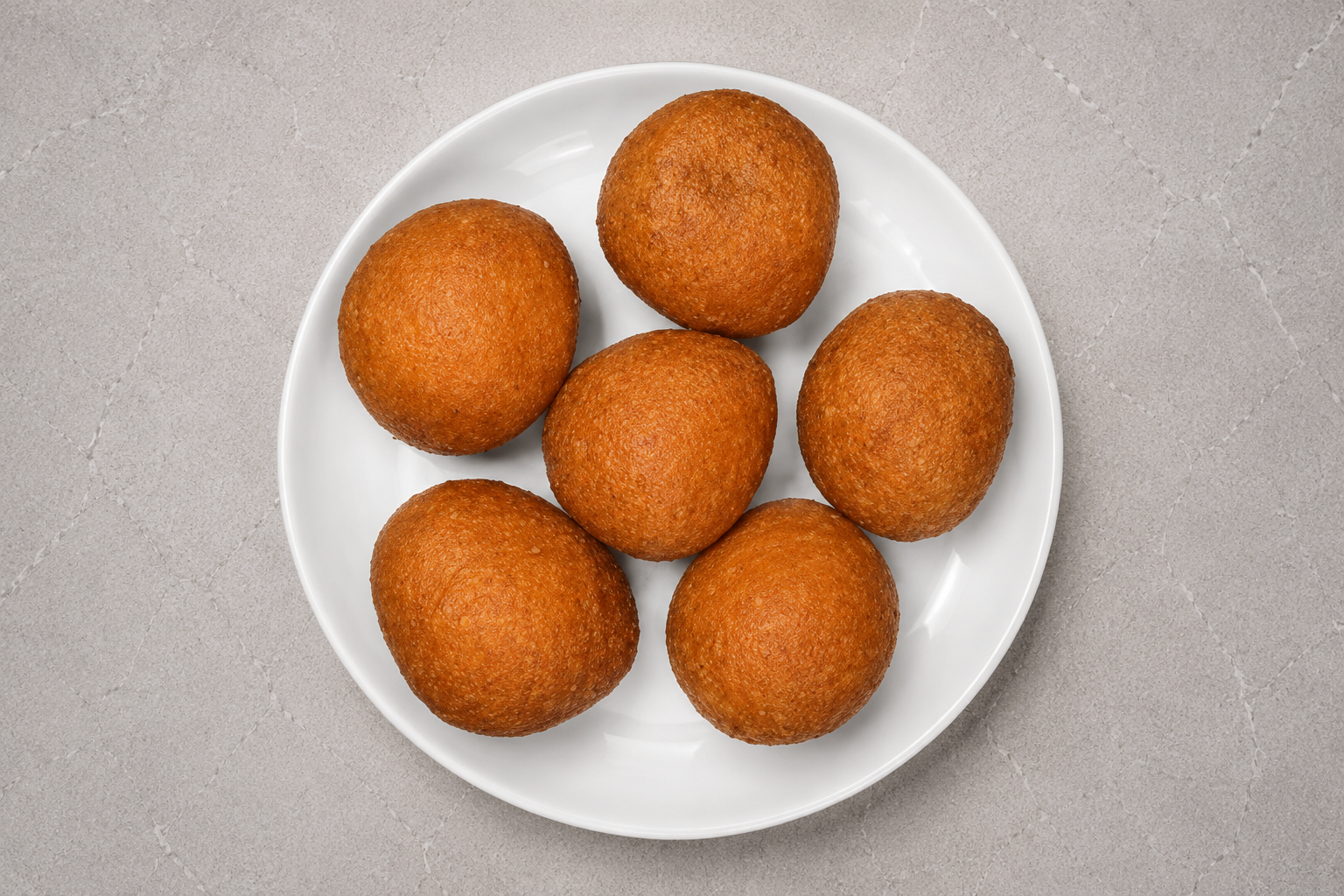
Bàggulà
Puffed Fried Bread
Bàggulà is a puffed, round flour snack made from wheat flour, sesame, sugar, yeast, kalonji seeds, and salt mixed into a dough and left to puff for an hour. The dough is then shaped into logs and fried until brownish, giving it a soft texture enjoyed with breakfast tea. It is commonly sold in shops and roadside vendors early in the morning or in afternoon time. It is paired with chai. Bàggulà is one of the familiar breakfast snacks and an afternoon light stomach-filling snack, valued for being simple to make and satisfying to eat alongside a warm cup of tea.
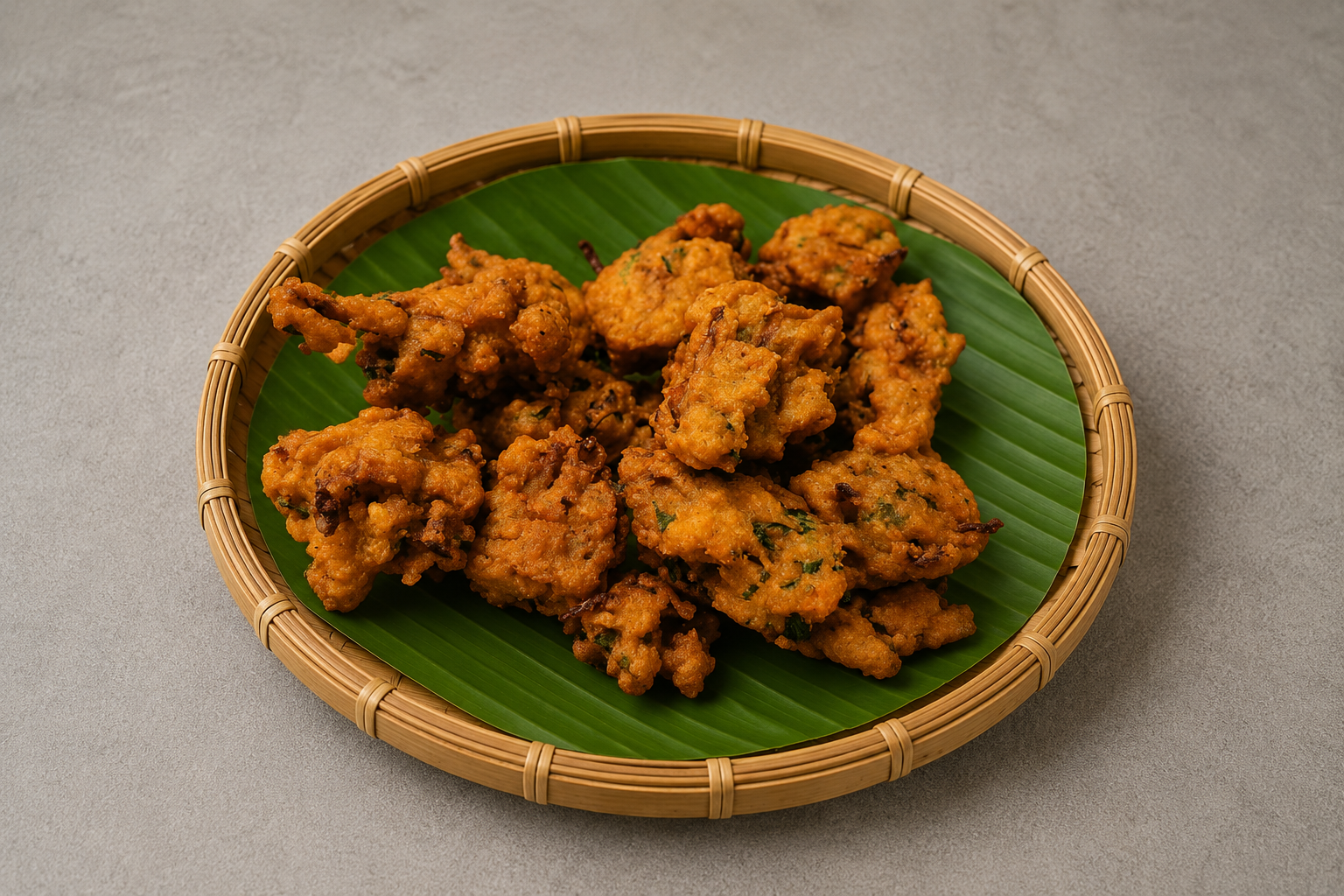
Fiyàzu
Spiced Lentil Fritter
Fiyàzu is a crispy snack made from ground chickpea paste mixed with chopped onion, chilli powder, turmeric, masala, and salt, then shaped into logs and deep fried until crisp. Some people add a whole green chili inside for extra heat. It is enjoyed in the evening throughout the year, specially in the evening time, and holds special importance during Ramadan iftar. Whether made at home or bought from street vendors, Fiyàzu holds a special place in Rohingya food culture and remains widely eaten today.
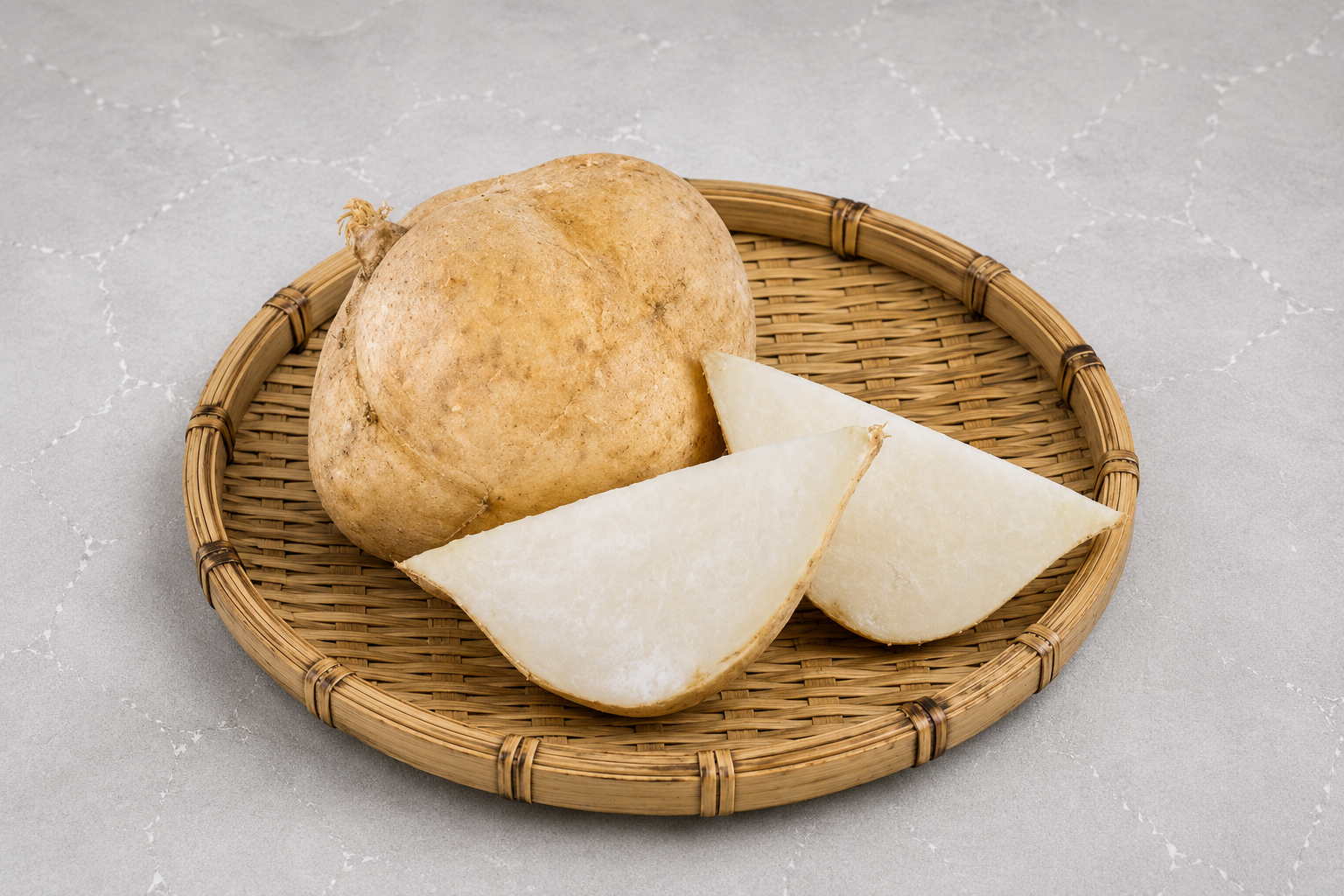
Thanda Alu
Jicama
Thanda Alu, or jicama, is eaten raw and green, valued for its cool and slightly sweet taste. It is enjoyed as a snack any time of day, but is especially loved during hot weather, when its cool, watery bite offers relief from the heat. Because it grows easily and needs no preparation, it has remained a simple, refreshing food that Rohingya families enjoy without much effort. This kind of raw root vegetable snack reflects how everyday Rohingya food culture makes use of what grows locally. Thanda Alu is still eaten today, especially as a cooling snack in warmer seasons.
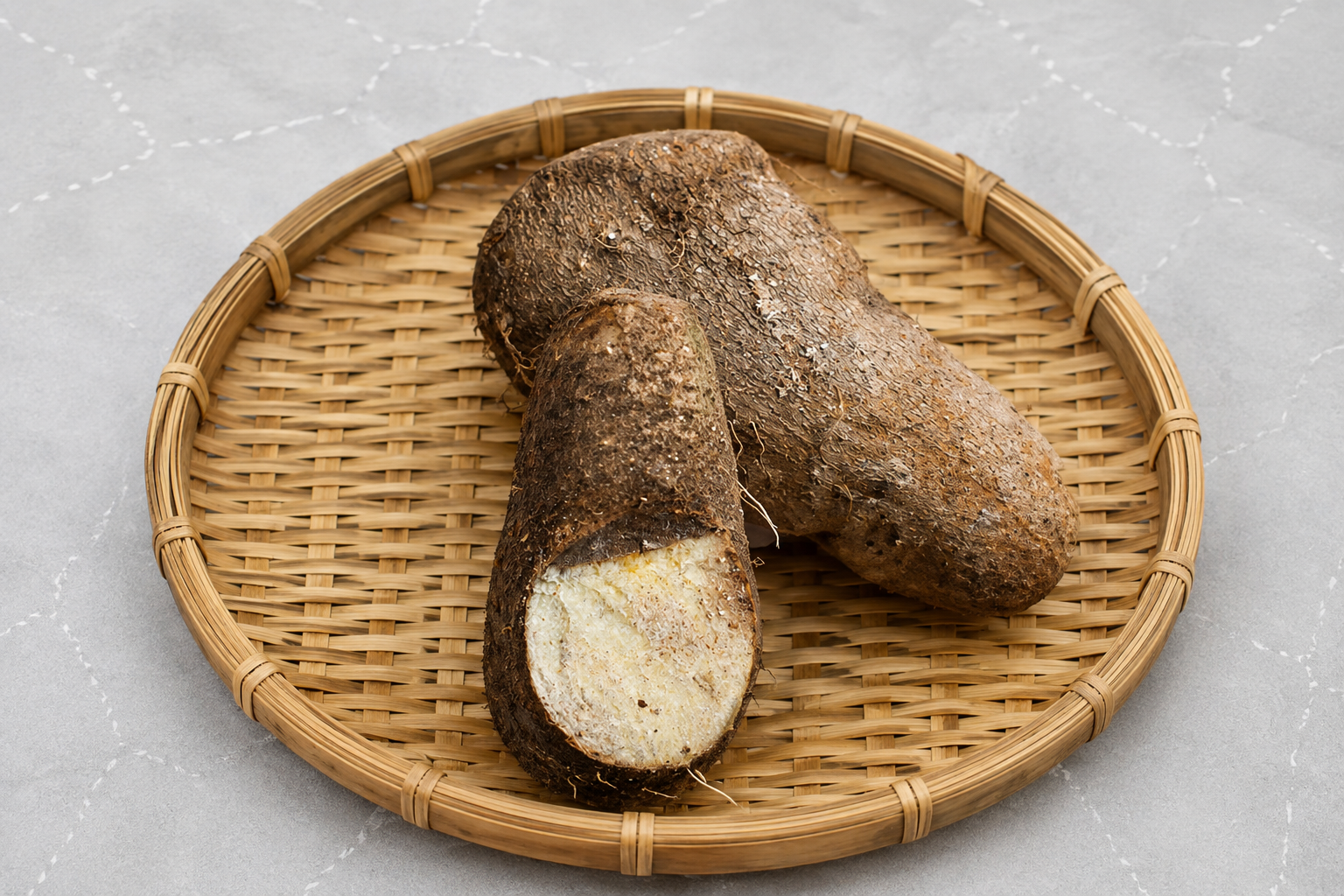
Bor Alu
Purple Yam
Bor Alu, or purple yam, is usually cooked as a vegetable inside curries, most often paired with chicken or beef. Its slightly sweet, starchy texture adds body to the curry and blends well with the spices used in Rohingya cooking. Root vegetables like this have long been common in Rohingya meals because they are filling and easy to grow at home. Bor Alu remains a regular addition to curries in Rohingya households today, valued as a hearty vegetable that pairs well with meat.
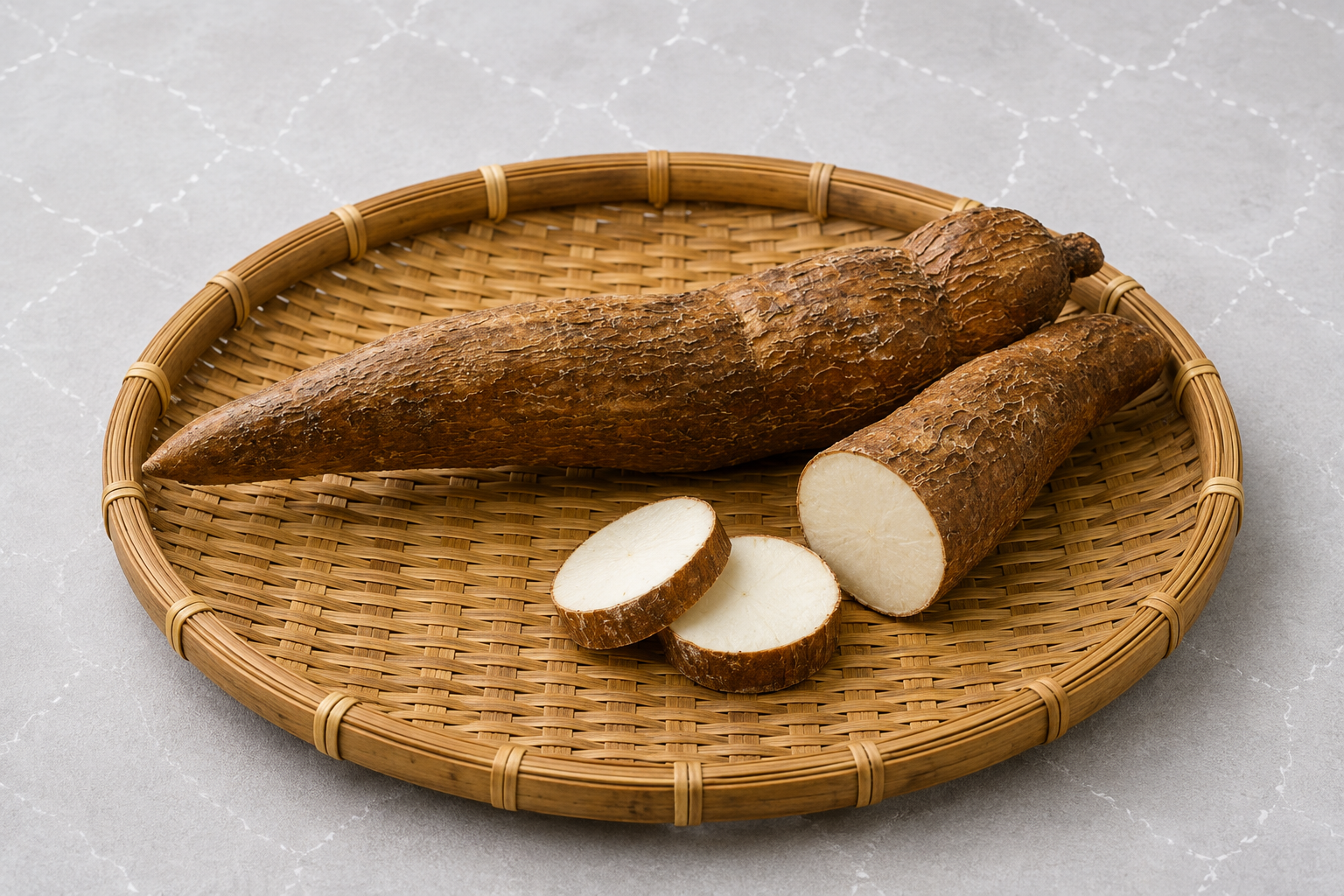
Gaas Alu
Cassava
Gaas Alu, or cassava, is usually grown at home and boiled in water for about an hour before being eaten with salt and sometimes a little pure oil. It is served as a breakfast item or a night snack, often shared during family gatherings, though it can also be eaten uncooked in some cases. As a root vegetable that grows easily in home gardens, it has long served as an accessible and filling food. Gaas Alu remains a simple household snack today, valued for being easy to prepare with just a few basic ingredients.
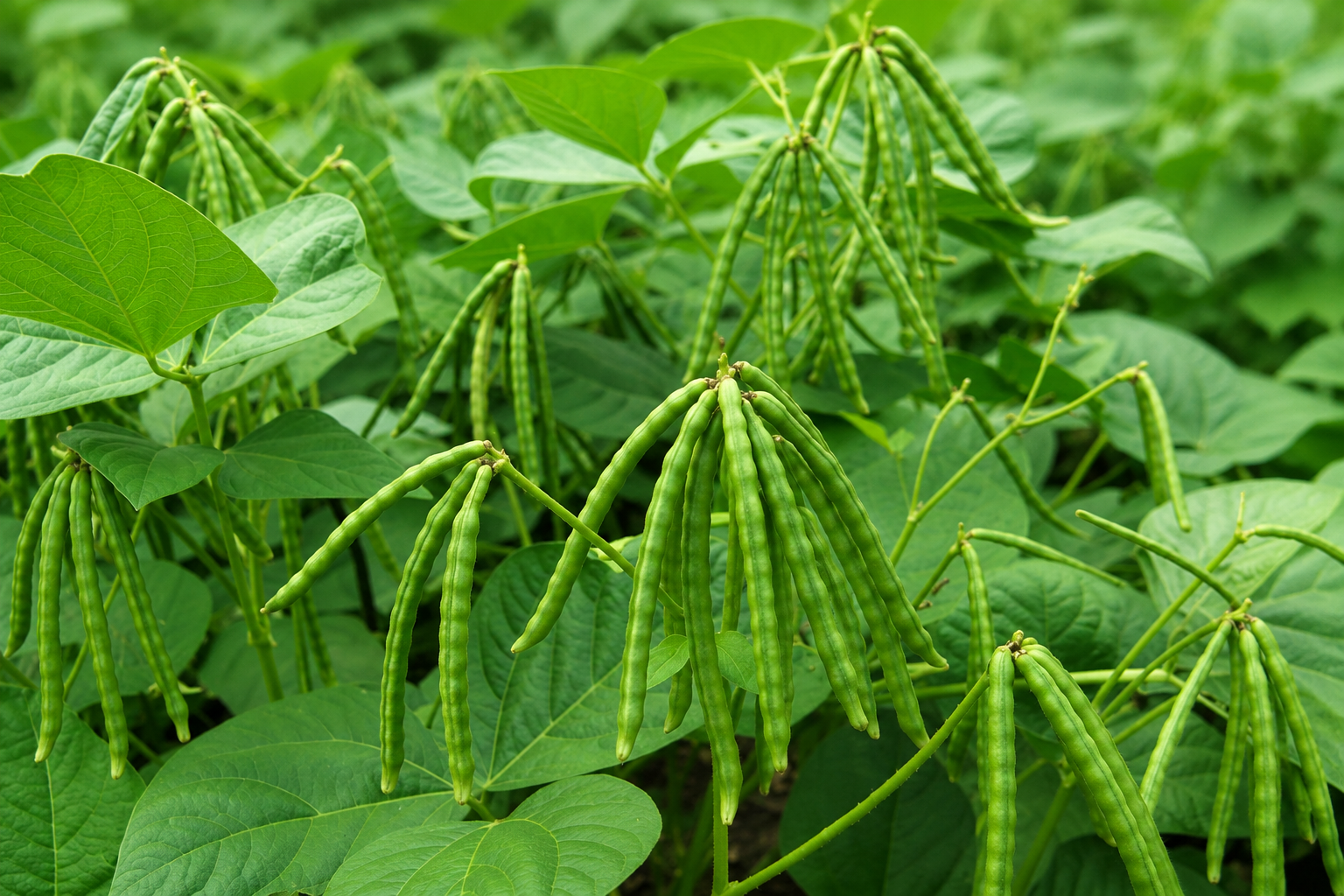
Félu Sói
Mung Bean
Félu Sói, or mung bean, is usually grown in home farms and prepared by boiling for about an hour, after which the shell is removed before eating. Children heading to Maktap or school often take some along as a snack to eat during the day. Because it is easy to grow and cook, mung bean has remained a common household food for generations. Félu Sói is still eaten today, especially as a small, energy-giving snack for children on their way to study.
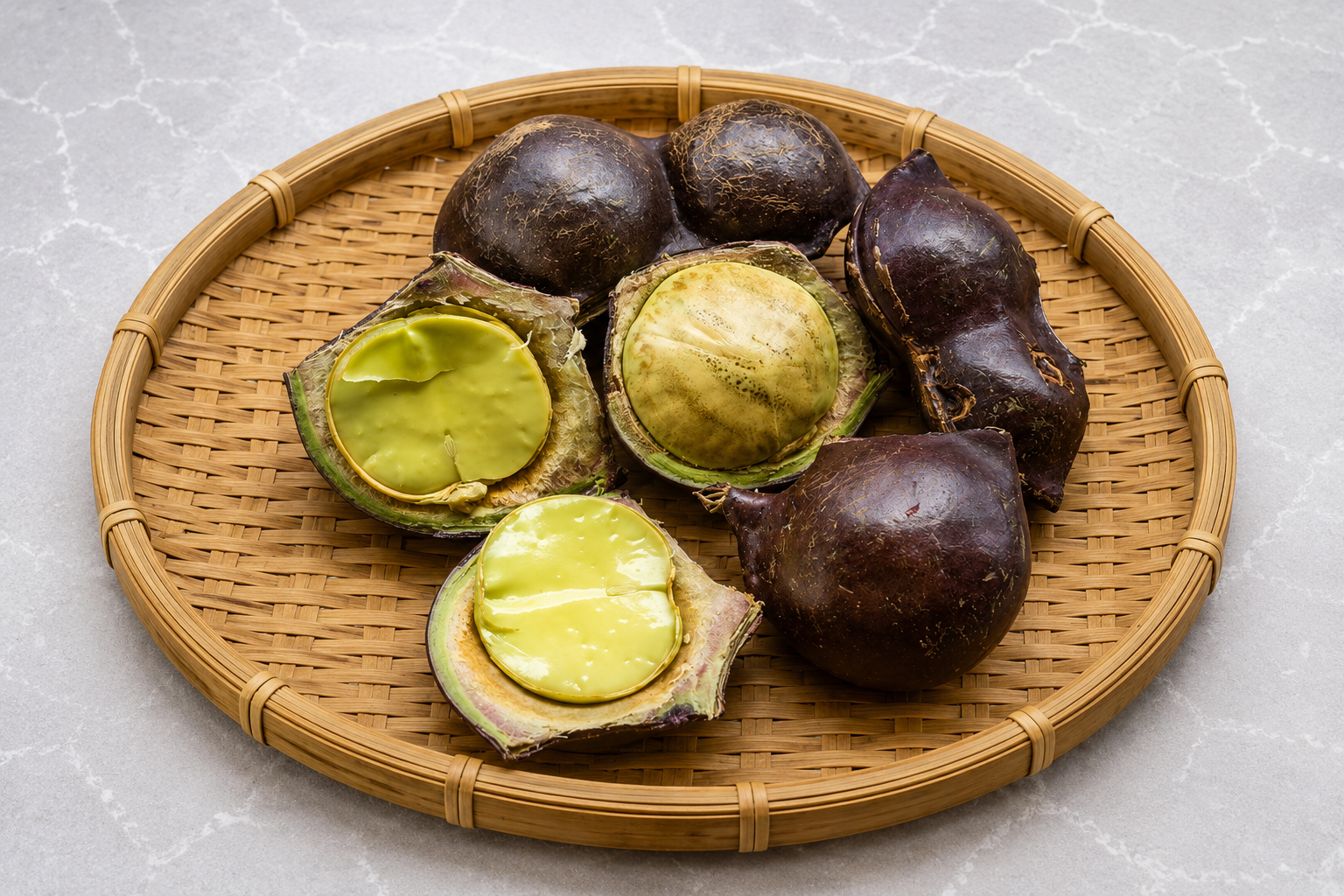
Anchi
Jengkol Fruit
Anchi, or jengkol fruit, is cooked in water for about an hour, after which the shell is removed and the inside is seasoned with salt and eaten with oil. It is eaten as a snack any time of day, though it is most closely tied to the rainy season, when it is especially common in Rohingya homes. This preparation softens the fruit and makes it safe and pleasant to eat. Root and seed foods like this have long been part of Rohingya home cooking, using what grows locally. Anchi remains a household food eaten today, prepared the same simple way it always has been.
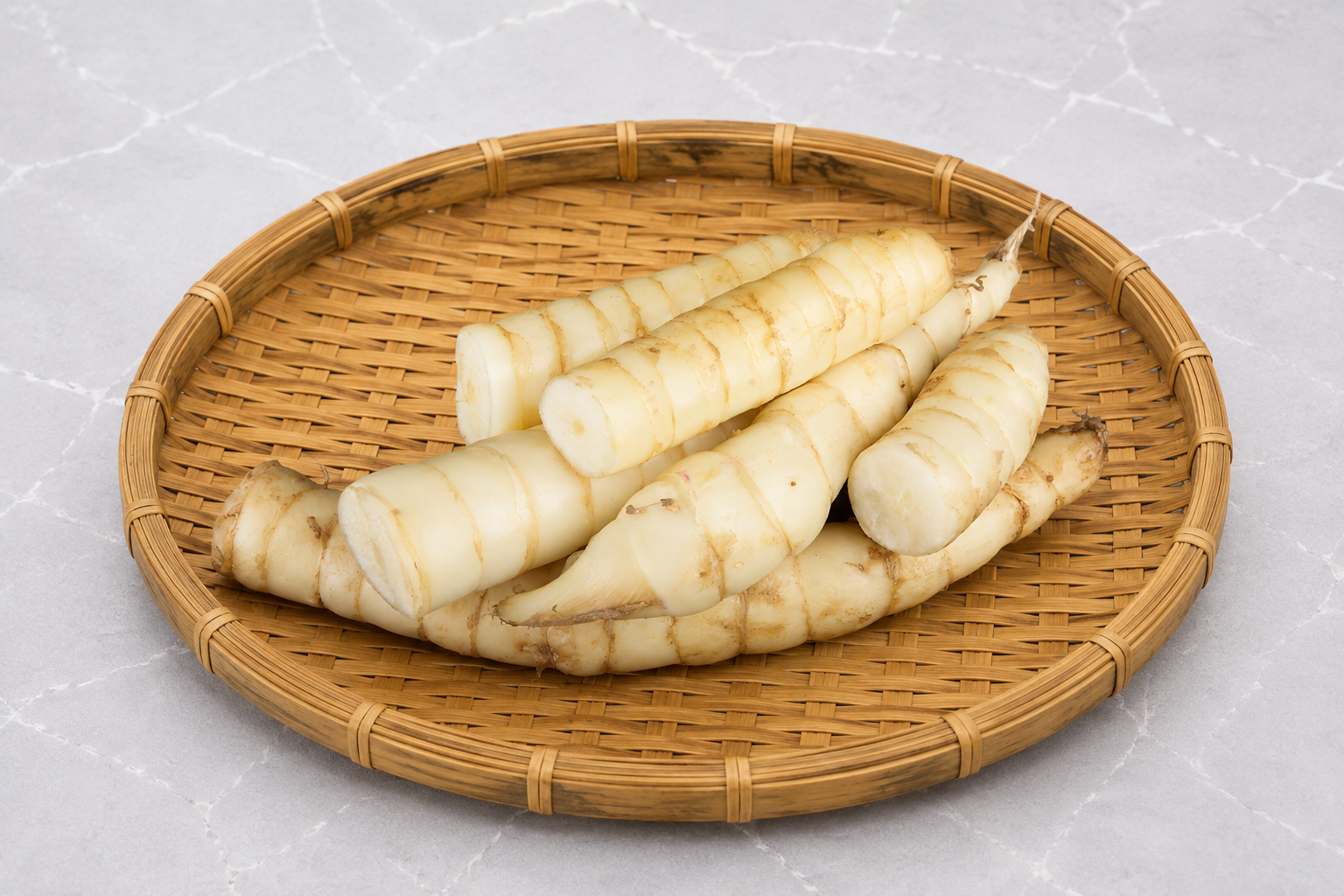
Añra Alu
Arrowroot
Añra Alu, or arrowroot, is prepared the same way as Gaas Alu, boiled until soft and eaten with salt and pure oil, usually served as a breakfast item or a night snack, though it can also be eaten green and uncooked at times. As a home-grown root vegetable, it offered an easy and reliable food source for Rohingya families, especially in rural farming areas. Its simple preparation reflects a wider pattern in Rohingya cooking of turning basic home-grown crops into everyday food. Añra Alu remains part of household eating habits among Rohingya families today.
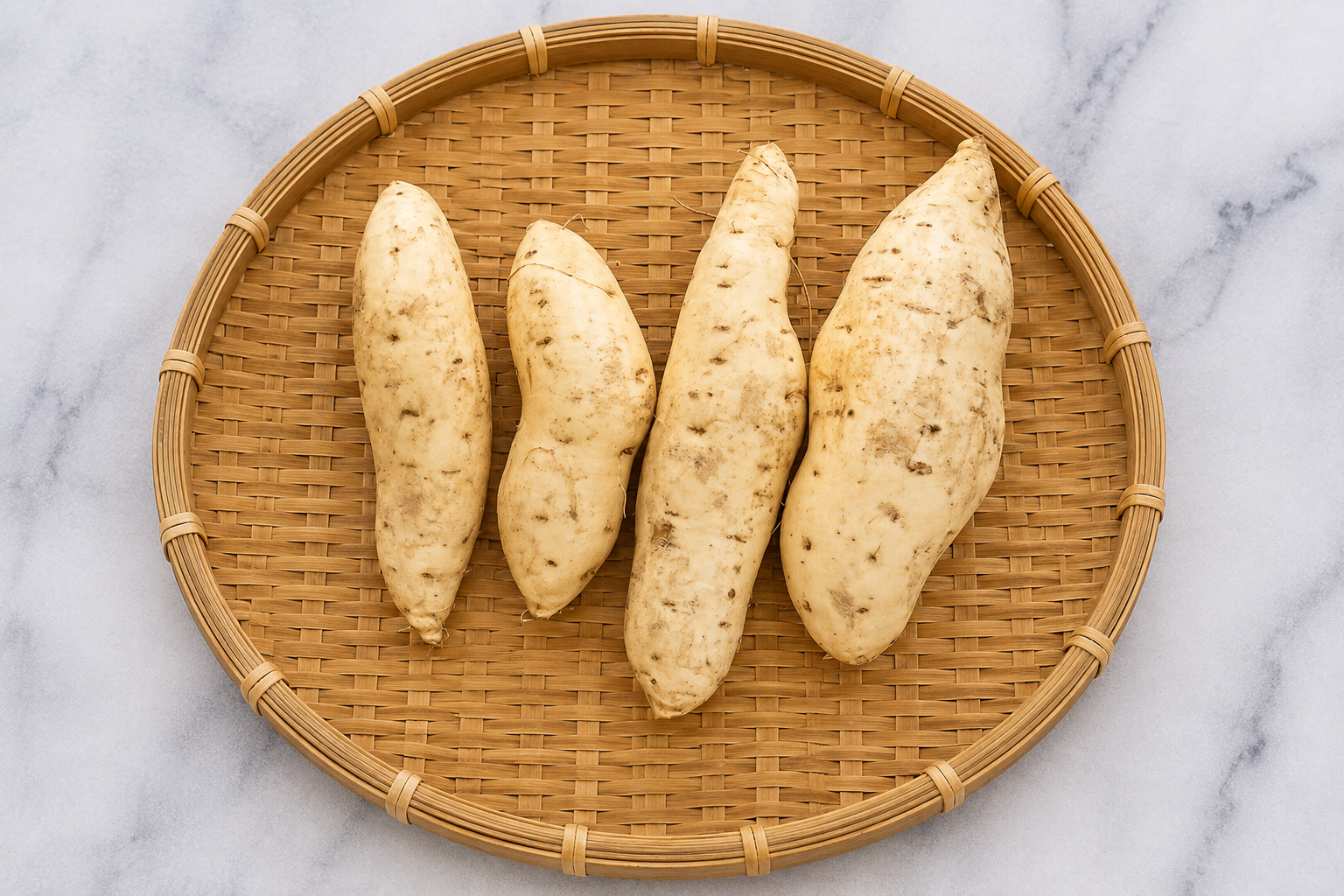
Dolá Alu
White Sweet Potato
Dolá Alu, or white sweet potato, is grown in home farms and prepared by boiling with salt, then eaten as a breakfast item or a night snack once the shell is removed. It is sometimes used as a vegetable in curry as well. Growing it on the family's own farm meant households always had access to a reliable source of food regardless of the season. Dolá Alu remains a household staple today, cooked the same straightforward way it has been for generations.
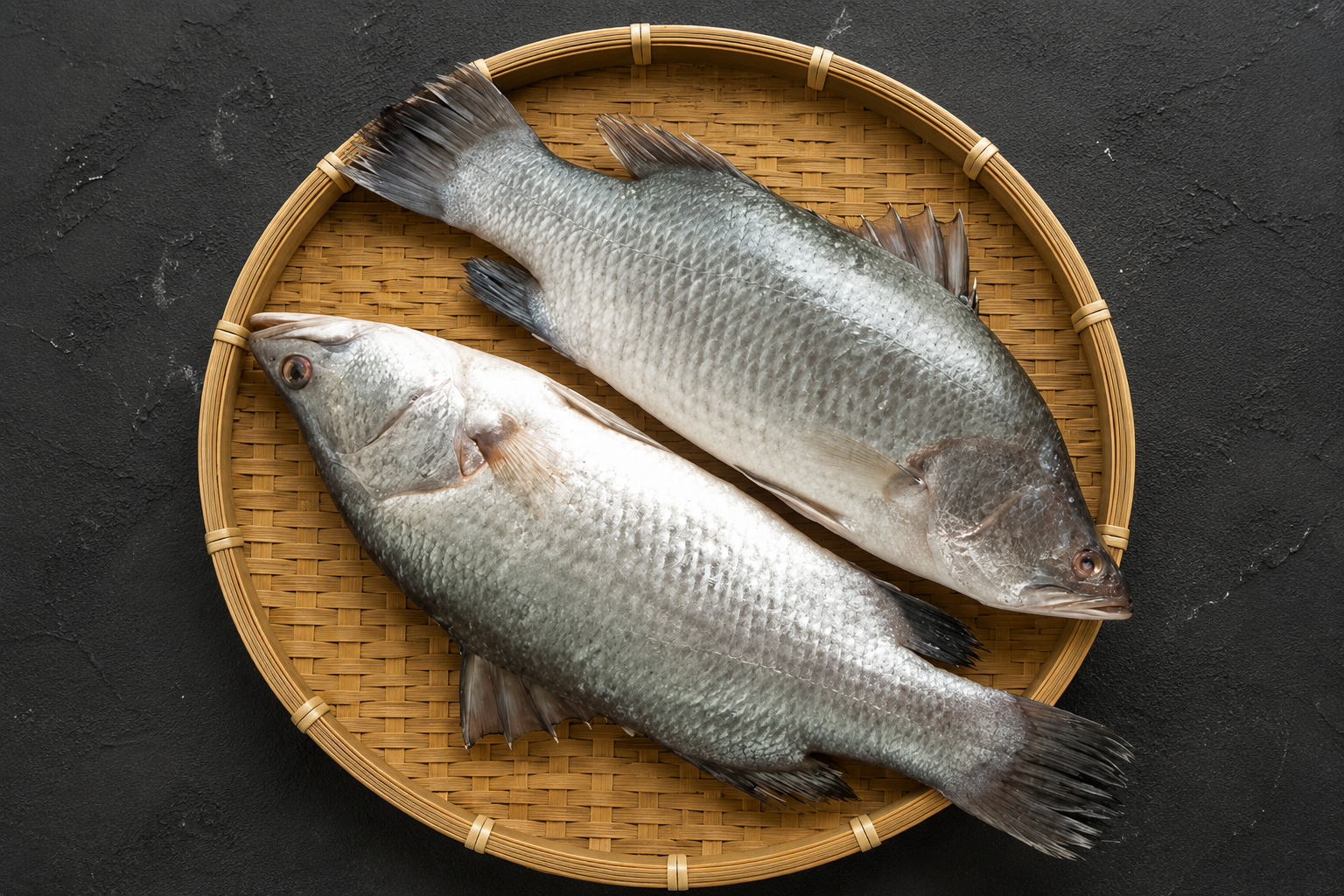
Kural Mas
Barramundi
Kural Mas, or barramundi, is a fish enjoyed in Rohingya households, prepared by washing it well with salt and cooking it with green or red chilli, onion, and other spices. Vegetables are often added to round out the curry. Barramundi is valued for its firm flesh, which holds up well during cooking and takes in the spices fully. This style of preparation is common across most fish curries in Rohingya cooking. Kural Mas remains a regularly eaten fish curry in Rohingya homes today, both in Arakan and the diaspora.
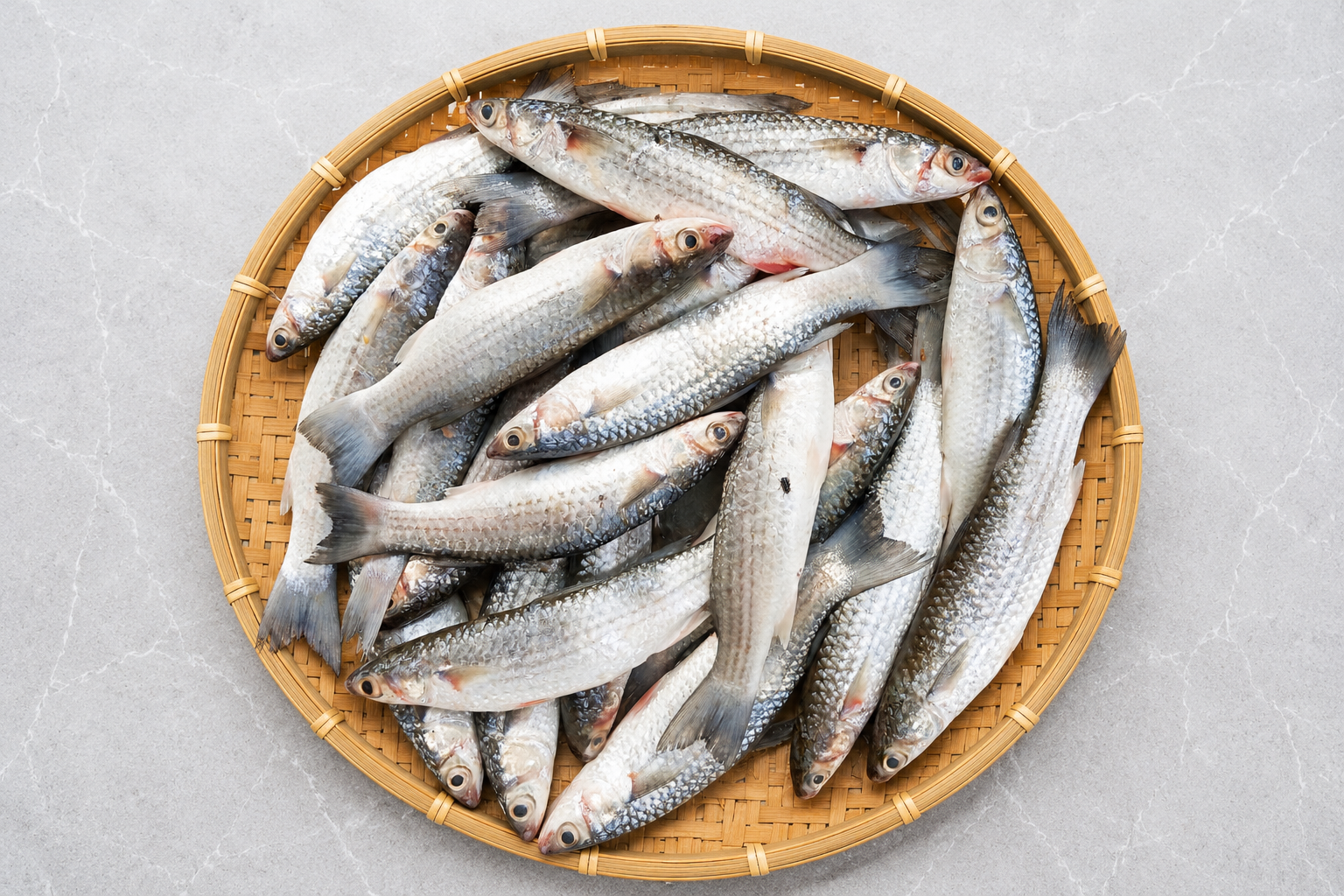
Bará Mas
Labeo Bata
Bará Mas, or labeo bata, is a freshwater fish prepared the traditional Rohingya way, washed with salt and cooked with chilli, onion, and spices until the curry thickens. Vegetables of any kind can be added depending on what is available. As a common river fish in the region, it has long been an accessible source of protein for Rohingya families. This simple, spice-forward cooking style brings out the fish's natural flavor. Bará Mas remains a familiar curry dish eaten in Rohingya homes today.
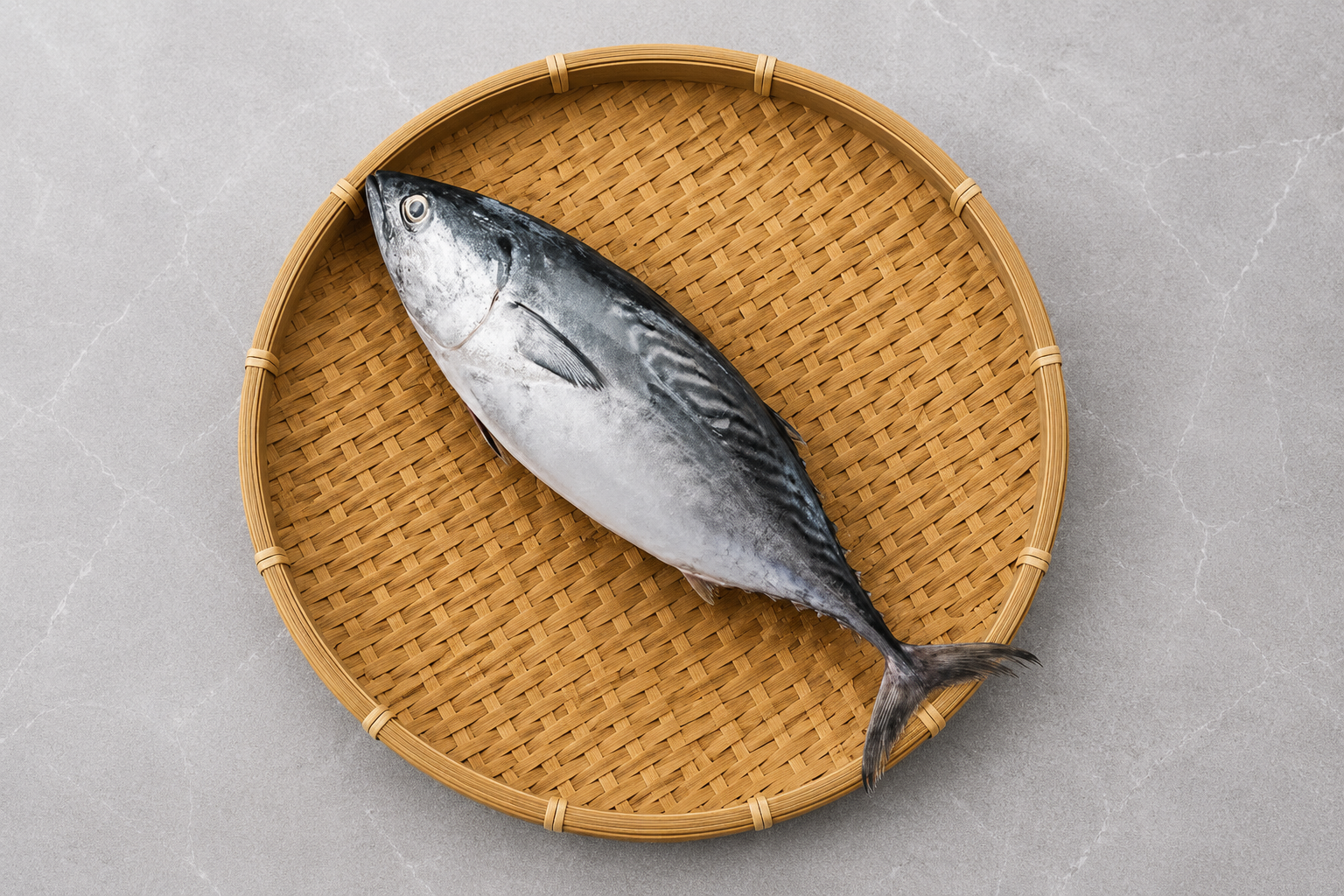
Lua Mori / Bomb Maittá
Tuna Fish
Bomb Maittá, or tuna fish, is cleaned and salted before being cooked with chilli, onion, and spices in the usual Rohingya curry style, often with vegetables added. Tuna's firmer texture makes it well suited to slow cooking in a spicy sauce. As a fish caught from coastal waters near Arakan, it has remained part of the local diet for generations. The strong flavor of tuna pairs well with the heat of chilli used in Rohingya cooking. Bomb Maittá continues to be cooked and eaten in Rohingya households today.
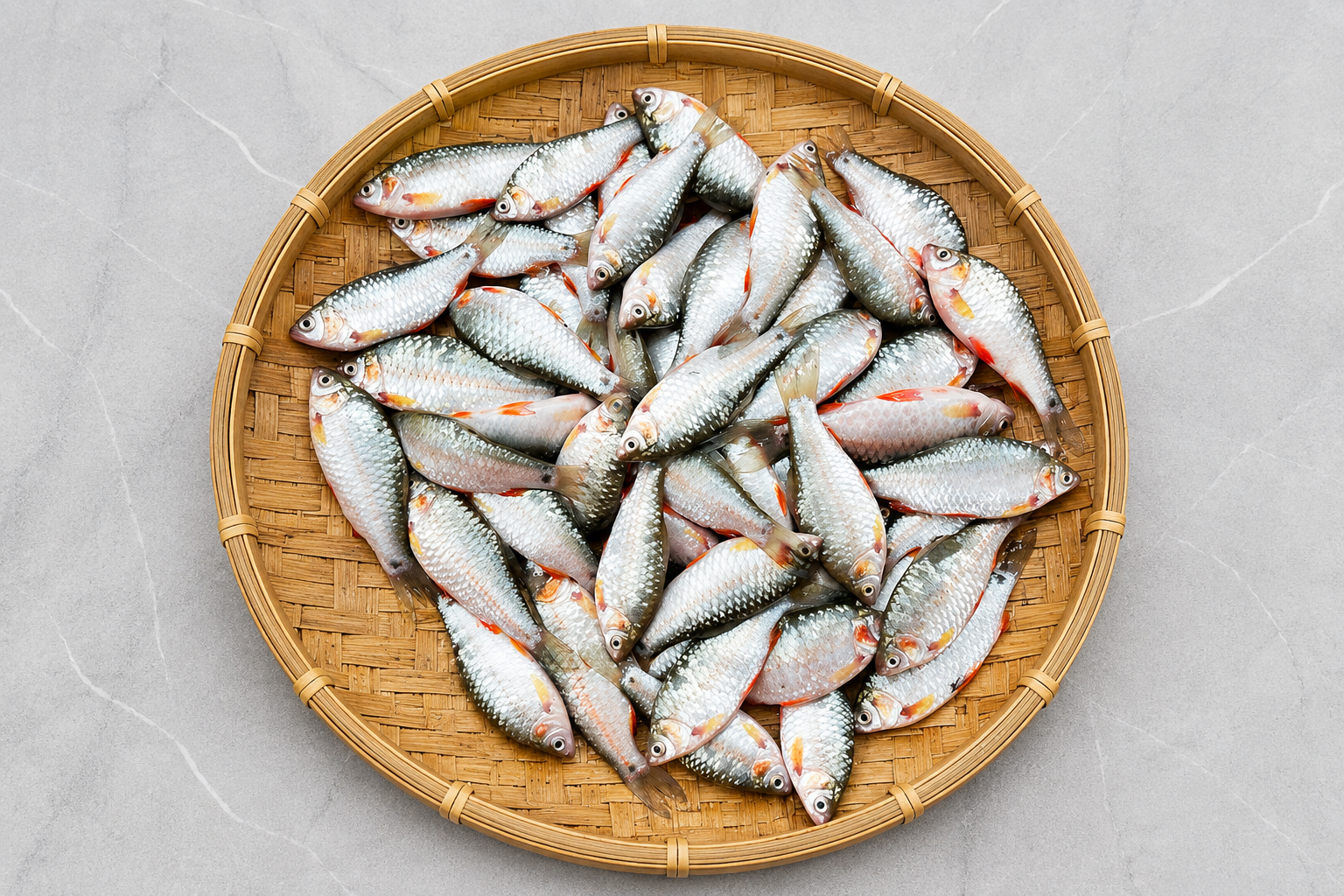
Furí Mas
Puntius
Furí Mas, or puntius, is a small freshwater fish washed with salt and cooked with chilli, onion, turmeric, and vegetables in typical Rohingya curry style. Because of its small size, it is often cooked in larger quantities to make a full meal. Small river fish like this have long been an easy catch for Rohingya families living near rivers and ponds. The curry is usually eaten with rice as part of a daily meal. Furí Mas remains a regularly cooked dish in Rohingya households today.
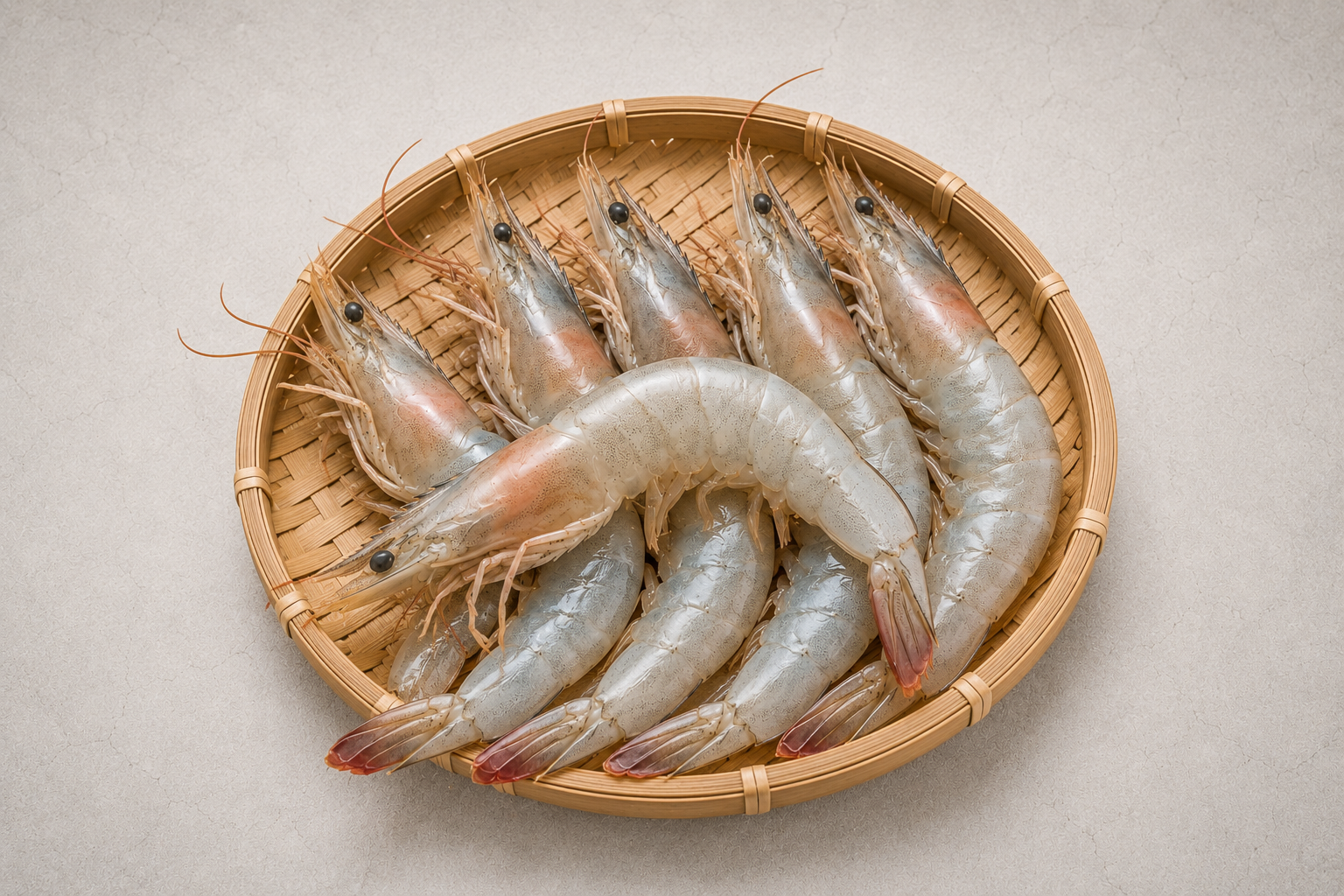
Esa Mas
Shrimp
Esa Mas, or shrimp, is cleaned and cooked with chilli, onion, turmeric, and other spices in the classic Rohingya curry style, often with added vegetables. Shrimp has always been an easy catch in the waters near Arakan, making it a common part of everyday meals. Its slightly sweet taste blends well with the spicy, tangy base of the curry. Shrimp curry can also be prepared dried for longer storage. Esa Mas remains one of the most widely eaten seafood curries in Rohingya households today.
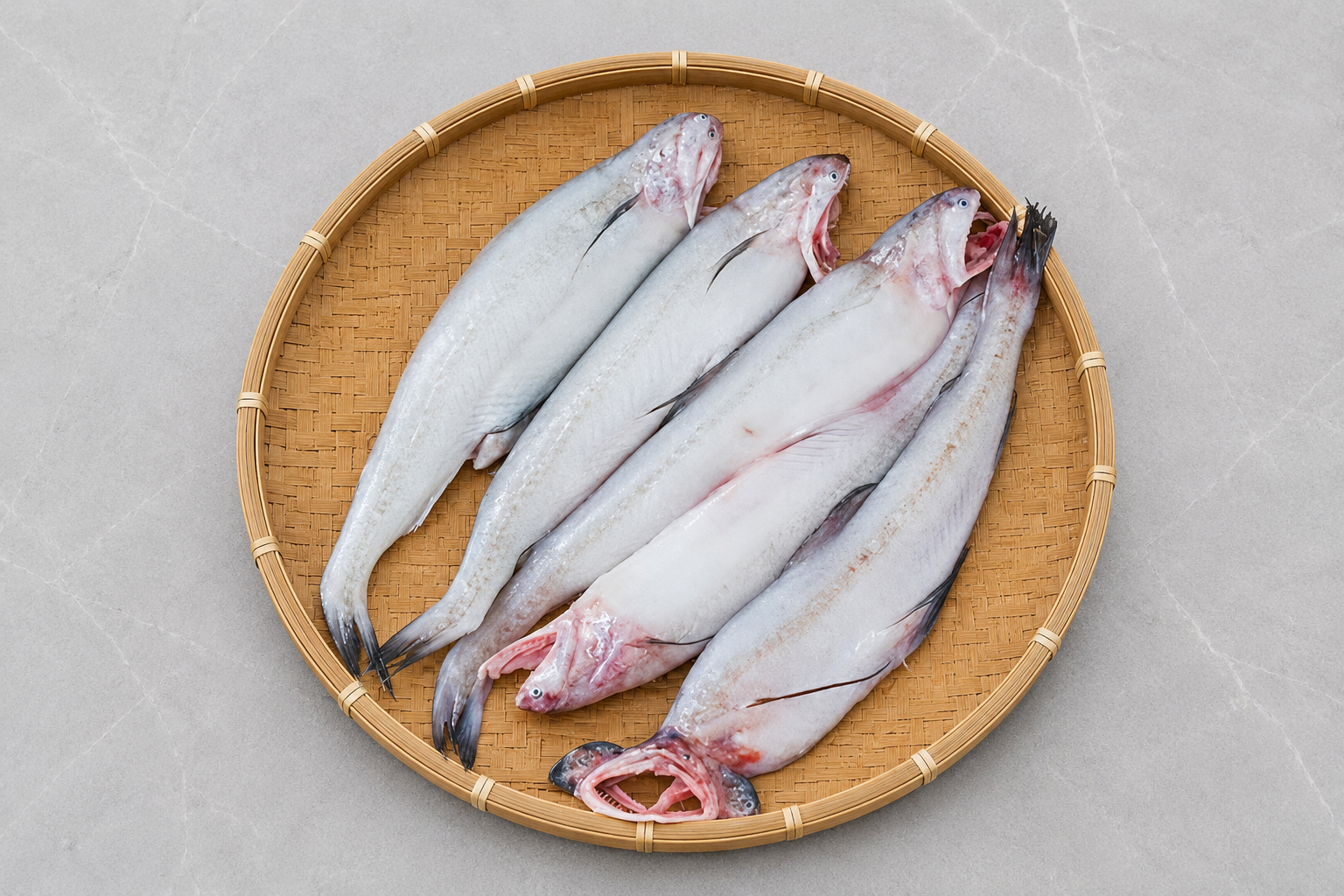
Loitta Mas
Bombay Duck
Loitta Mas, or Bombay duck, is a soft-bodied fish washed with salt and cooked with chilli, onion, and spices following the usual Rohingya curry method. Vegetables can be added depending on taste. Its delicate texture means it cooks quickly compared to firmer fish, absorbing the curry's flavors fast. As a coastal catch, it has been part of Rohingya seafood cooking for a long time. Loitta Mas continues to be prepared and eaten in Rohingya households today, especially where fresh coastal fish is available.
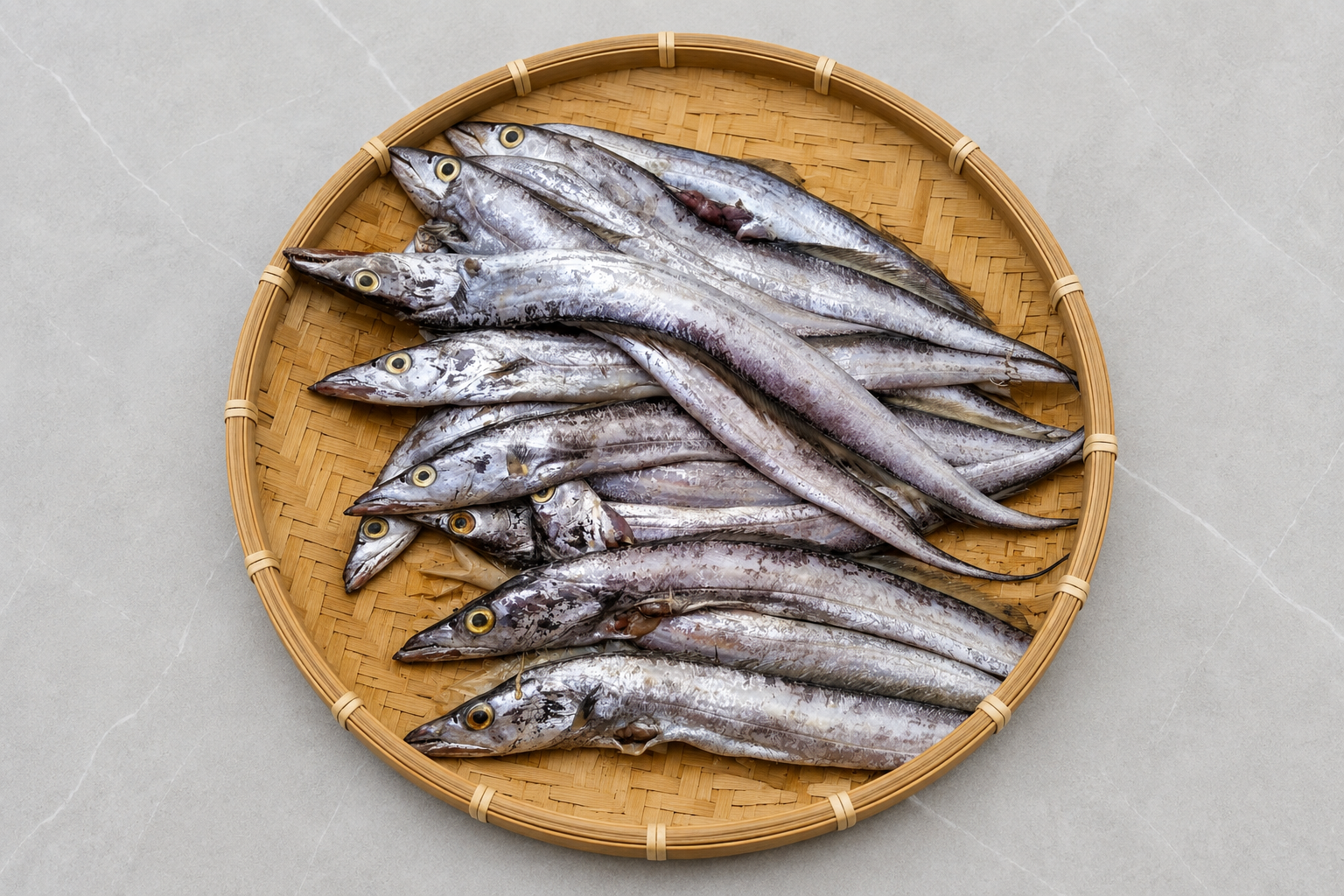
Súri Mas
Snake Mackerel
Súri Mas, or snake mackerel, is washed with salt and cooked with chilli, onion, turmeric, and vegetables in the standard Rohingya curry style. Its firm, oily flesh takes on the spices well during slow cooking. As a fish caught from coastal and deeper waters, it has remained part of the wider variety of seafood eaten by Rohingya families. This curry is usually served with rice as a main dish. Súri Mas remains a fish commonly cooked in Rohingya households today.
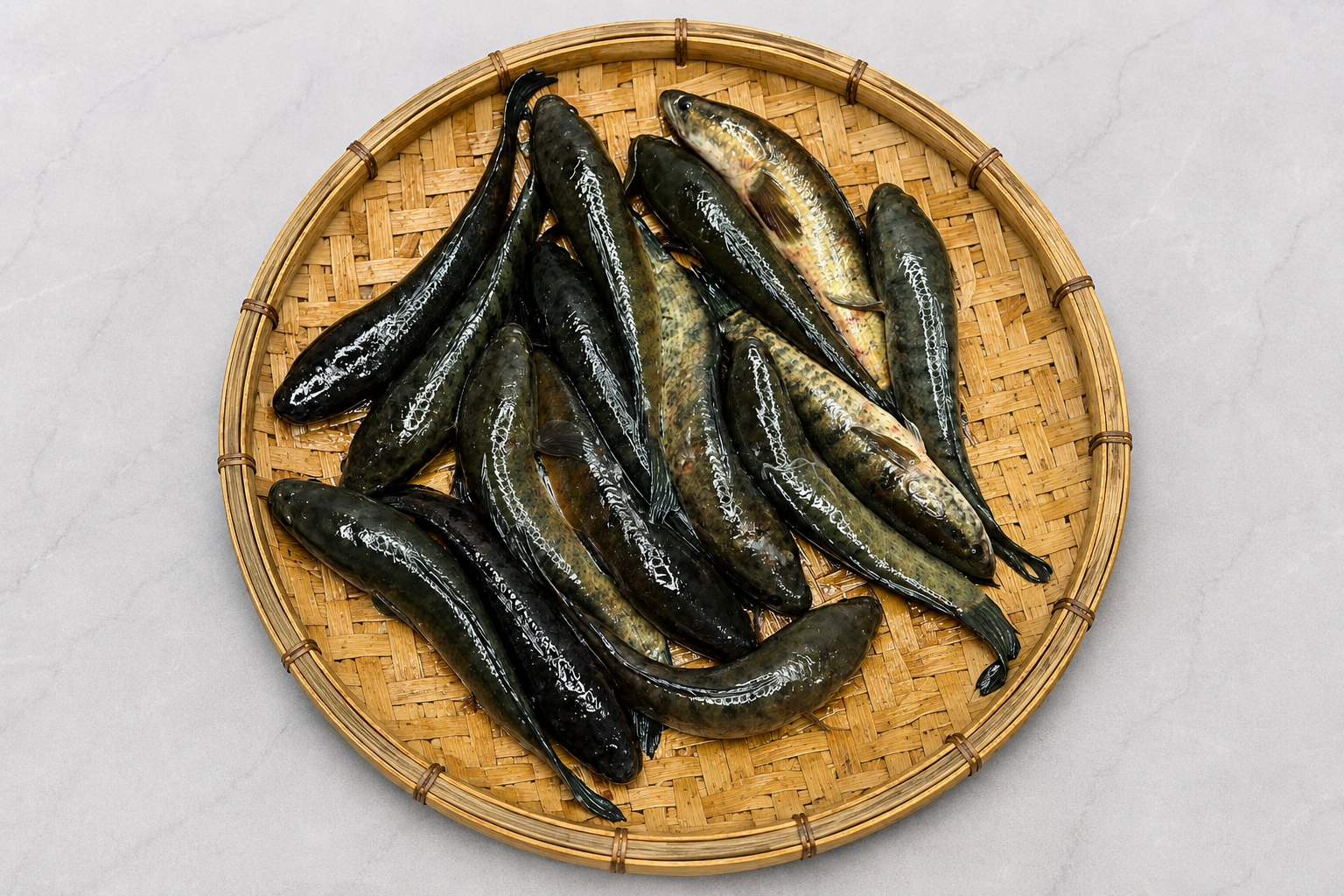
Taái Mas
Channa Punctata
Taái Mas, or channa punctata, is a freshwater fish cleaned and salted before being cooked with chilli, onion, and spices in the typical Rohingya way, sometimes with added vegetables. This type of fish is commonly found in ponds and slow-moving rivers near Arakan, making it an accessible catch for many families. Its curry is a regular part of everyday meals eaten with rice. Taái Mas remains a familiar dish in Rohingya households today, prepared much the same way it has always been.
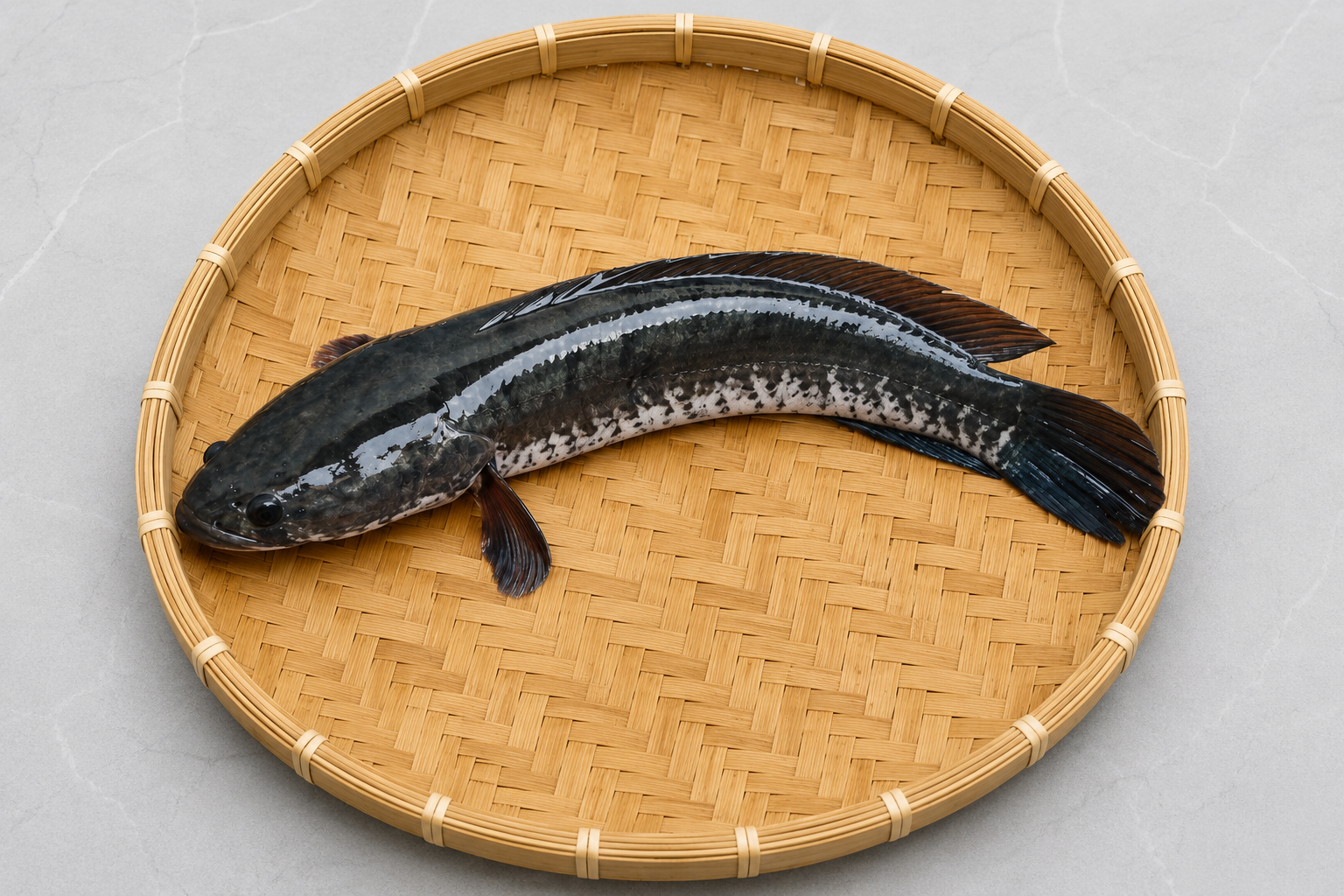
Hólím Mas
Snakehead Murrel
Hólím Mas, or snakehead murrel, is washed with salt and cooked with chilli, onion, turmeric, and vegetables in classic Rohingya curry style. Known for its firm meat, it holds together well during longer cooking, absorbing the spices fully. This fish is often caught in ponds and paddy fields, especially during the rainy season when water levels rise. Its curry is valued for a fuller, meatier taste compared to smaller fish. Hólím Mas remains a commonly cooked fish curry in Rohingya households today.
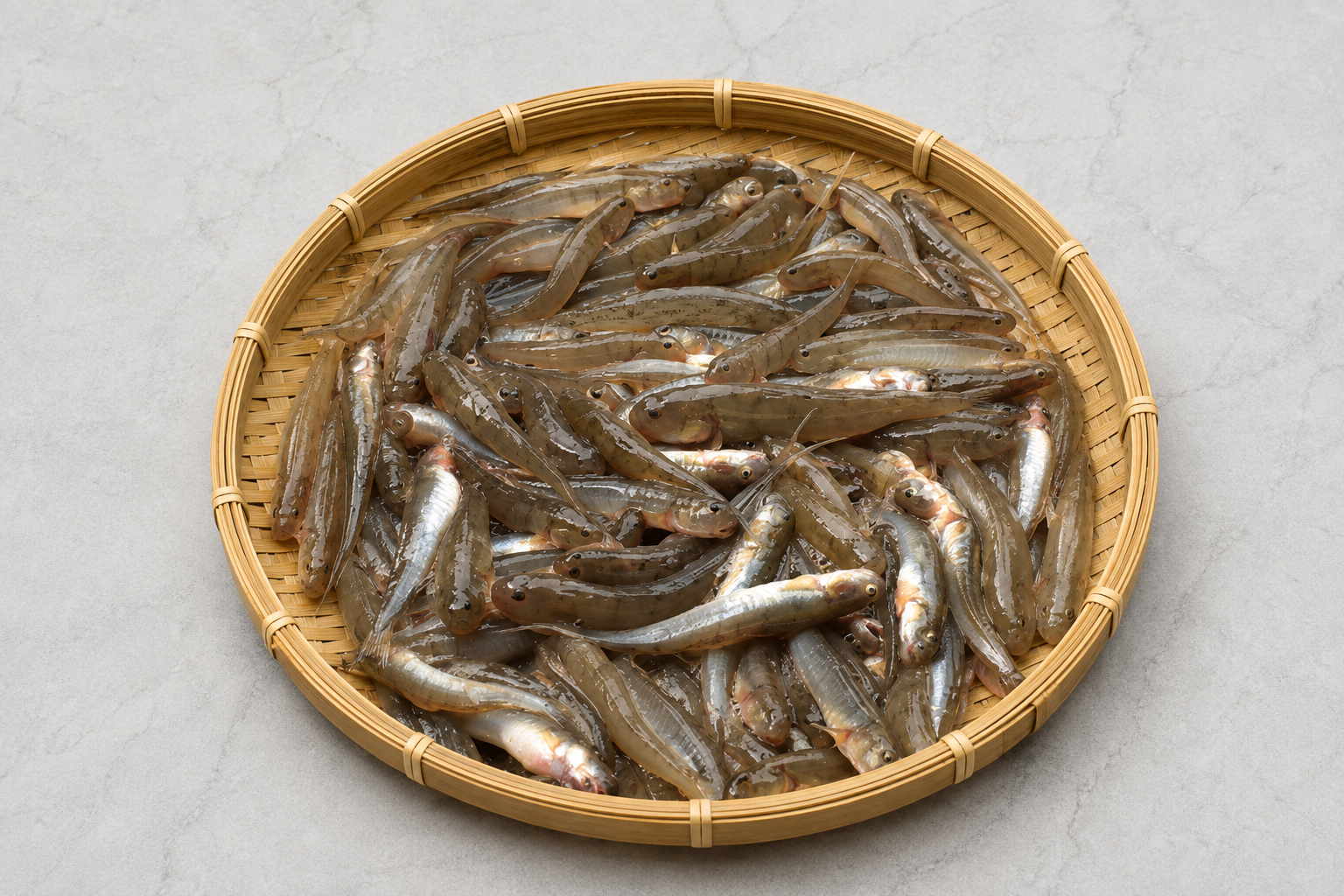
Sirím Mas
Cirratus Fish
Sirím Mas, or cirratus fish, is prepared by washing it with salt and cooking it with chilli, onion, and spices, often with vegetables added, following the general Rohingya method for fish curry. As one of the many local river fish eaten by Rohingya communities, it has remained part of the daily diet in areas near water. Its curry is usually served with rice at family meals. Sirím Mas continues to be cooked in Rohingya households today, part of the wider tradition of fish-based meals.
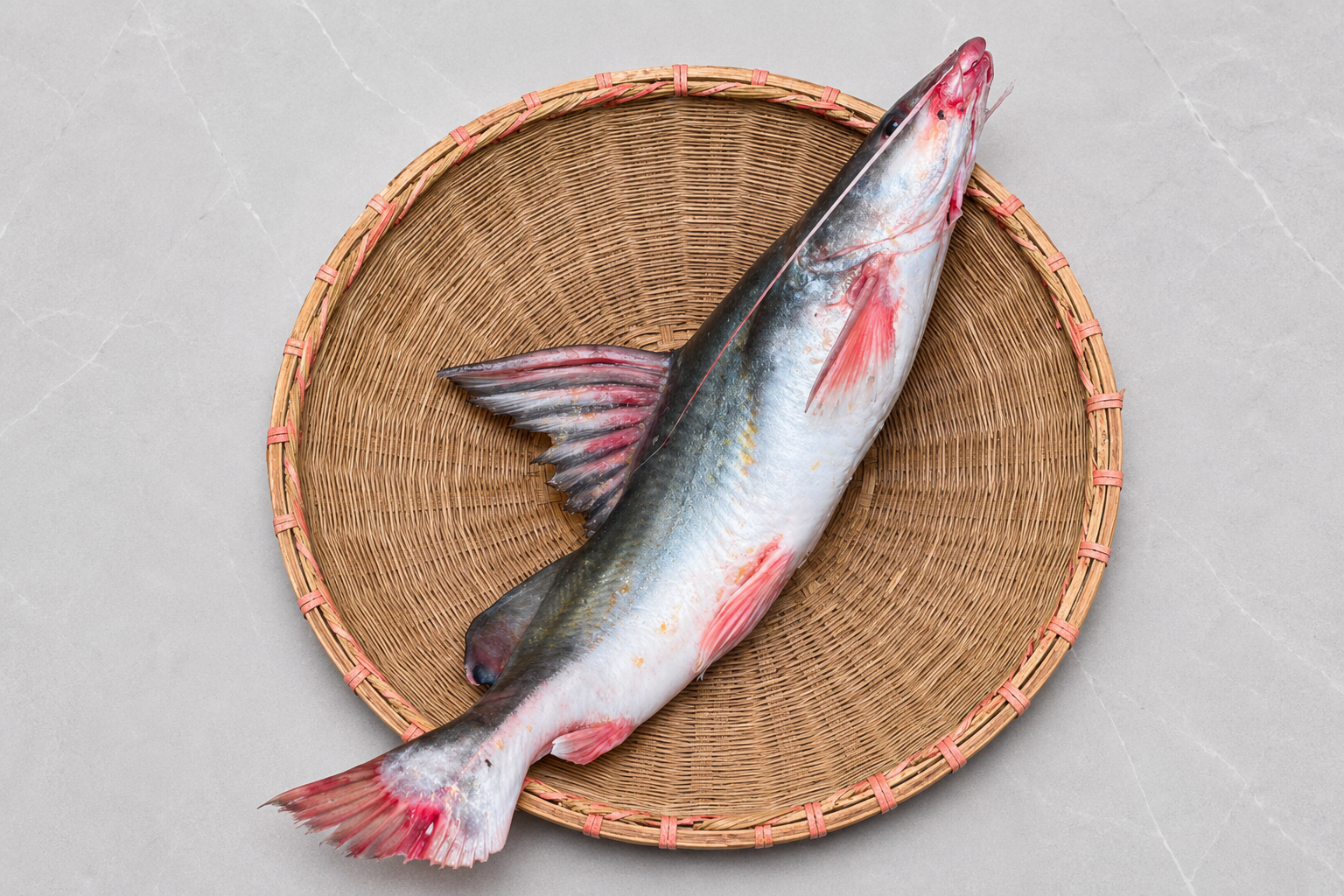
Gúzzá Mas
Long-Whiskered Catfish
Gúzzá Mas, or long-whiskered catfish, is cleaned, salted, and cooked with chilli, onion, turmeric, and vegetables in the typical Rohingya curry style. Catfish is known for its rich, slightly fatty flesh, which gives the curry a fuller taste. It is commonly caught in rivers and ponds near Arakan, making it a familiar fish in local cooking. This curry is often served with rice as a hearty main dish. Gúzzá Mas remains part of the range of fish curries cooked in Rohingya households today.
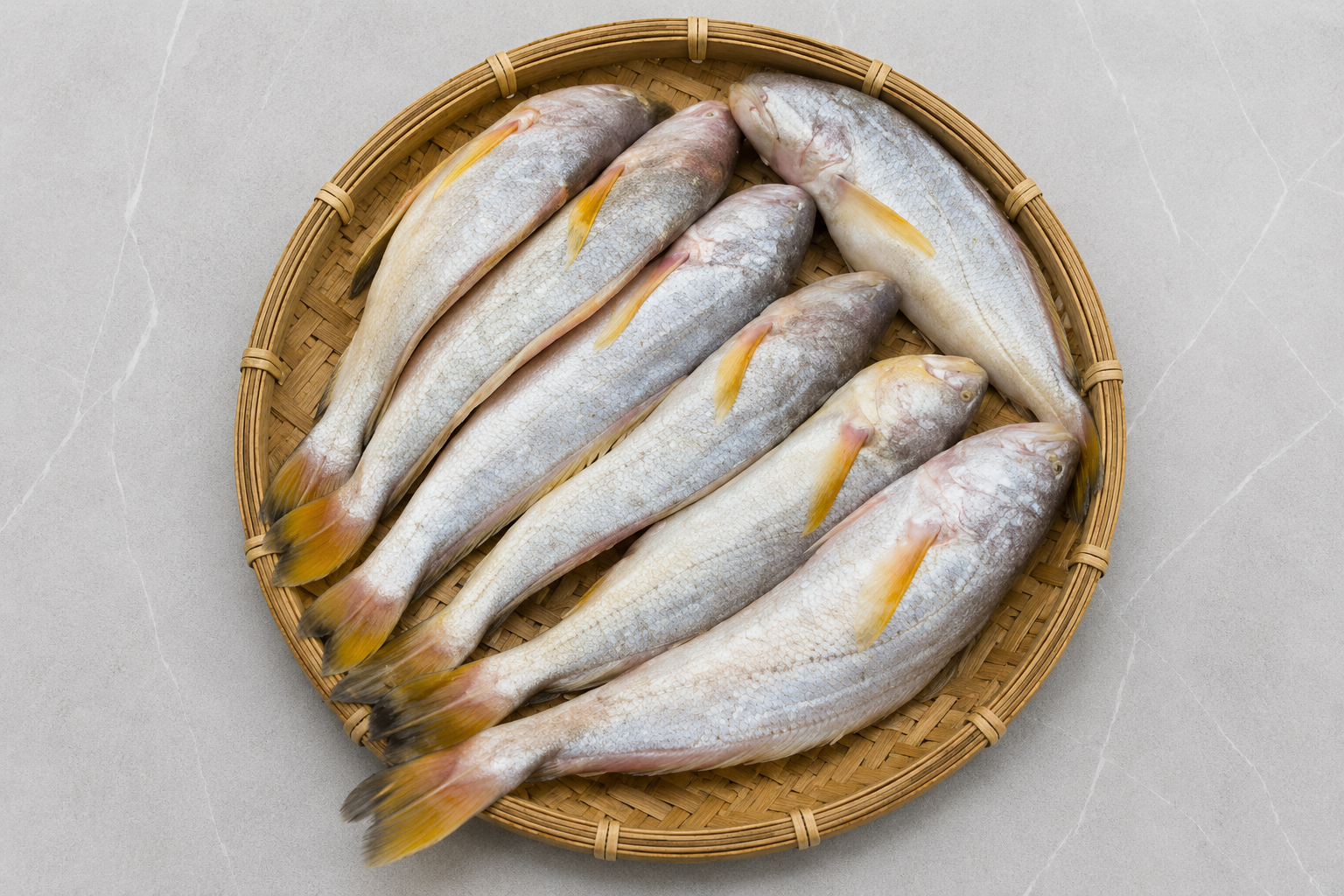
Fua Mas
Pama Croaker
Fua Mas, or pama croaker, is a coastal fish washed with salt and cooked with chilli, onion, and spices in standard Rohingya curry fashion, sometimes with vegetables. Its firm texture and mild flavor make it a versatile choice for curry cooking. As a fish caught along the coast near Arakan, it has long been part of the seafood eaten by Rohingya families. This curry is typically eaten with rice as part of a daily meal. Fua Mas remains a fish commonly prepared in Rohingya households today.
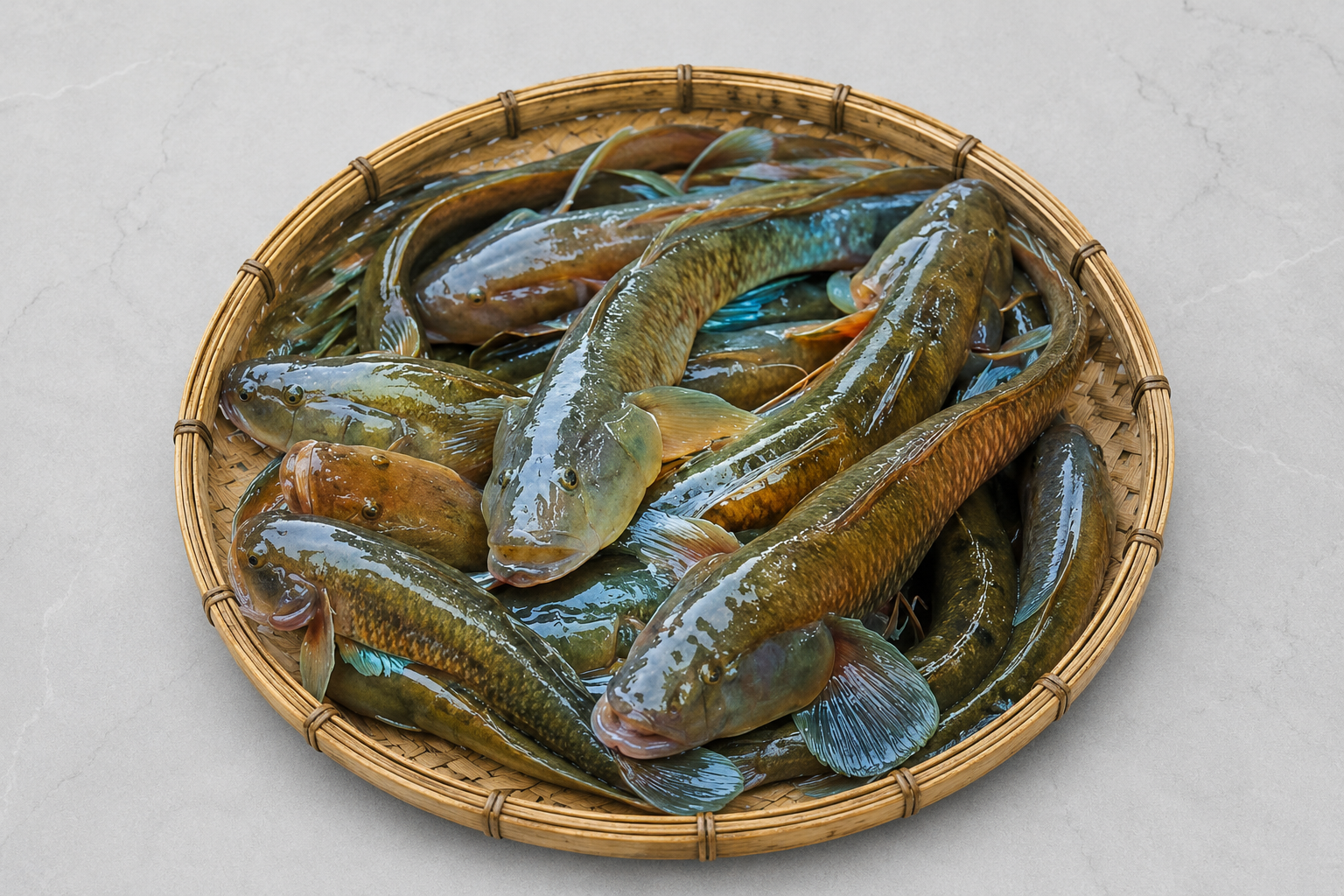
Baila Mas
Duckbill Sleeper
Baila Mas, or duckbill sleeper, is cleaned and cooked with chilli, onion, turmeric, and vegetables in the traditional Rohingya curry method. This fish is found in slow-moving rivers, ponds, and muddy waters, making it accessible to families living near such areas. Its curry brings out a distinct taste that pairs well with rice. As with most Rohingya fish curries, the balance of spice and fresh ingredients defines the final dish. Baila Mas remains part of the everyday fish curries cooked in Rohingya homes today.
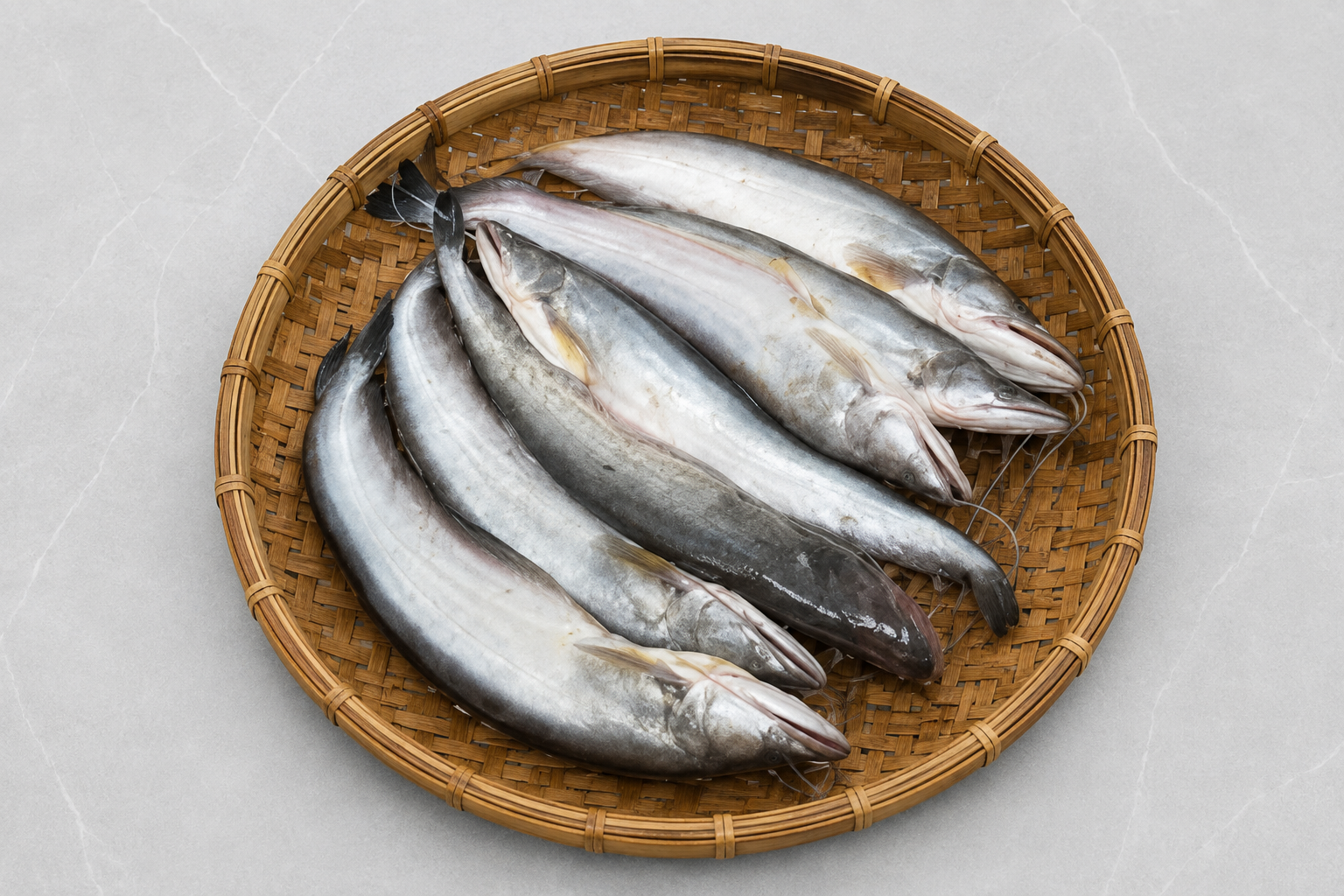
Buaal Mas
Helicopter Catfish
Buaal Mas, or helicopter catfish, is washed with salt and cooked with chilli, onion, and spices in the usual Rohingya curry style, with vegetables often added. Like other catfish varieties, it has a rich texture that holds its shape well during cooking. It is caught in rivers and larger bodies of water near Arakan. This curry is typically served with rice as a filling main dish. Buaal Mas continues to be part of the fish dishes eaten in Rohingya households today.
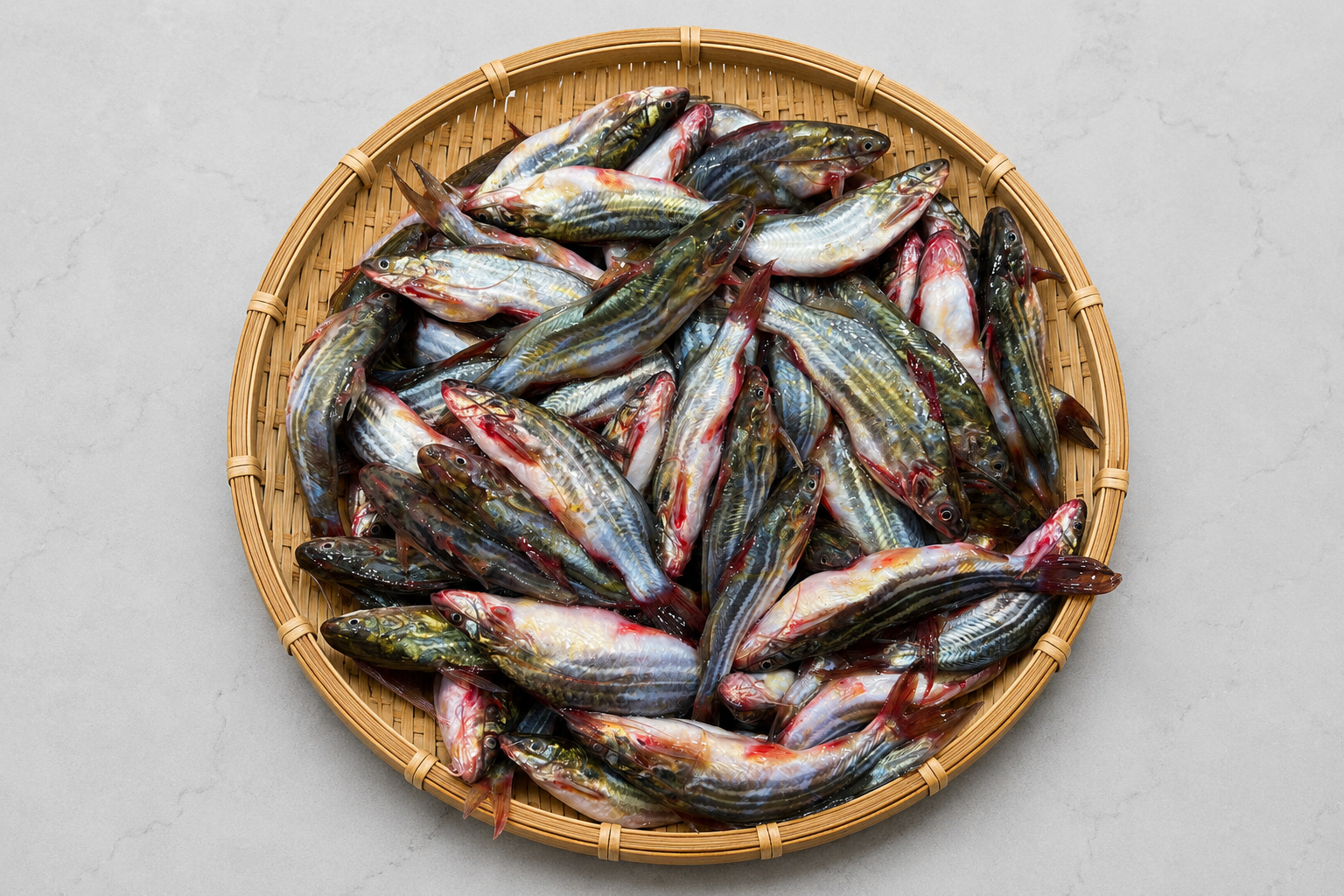
Guillá Mas
Twospot Catfish
Guillá Mas, or twospot catfish, is prepared by washing it with salt and cooking it with chilli, onion, turmeric, and vegetables following the standard Rohingya curry approach. As another catfish variety common to local rivers, it shares the rich, fuller flavor typical of this type of fish. It is usually eaten with rice at regular family meals. This curry reflects the wide variety of catfish types used in Rohingya cooking. Guillá Mas remains a familiar dish in Rohingya households today.
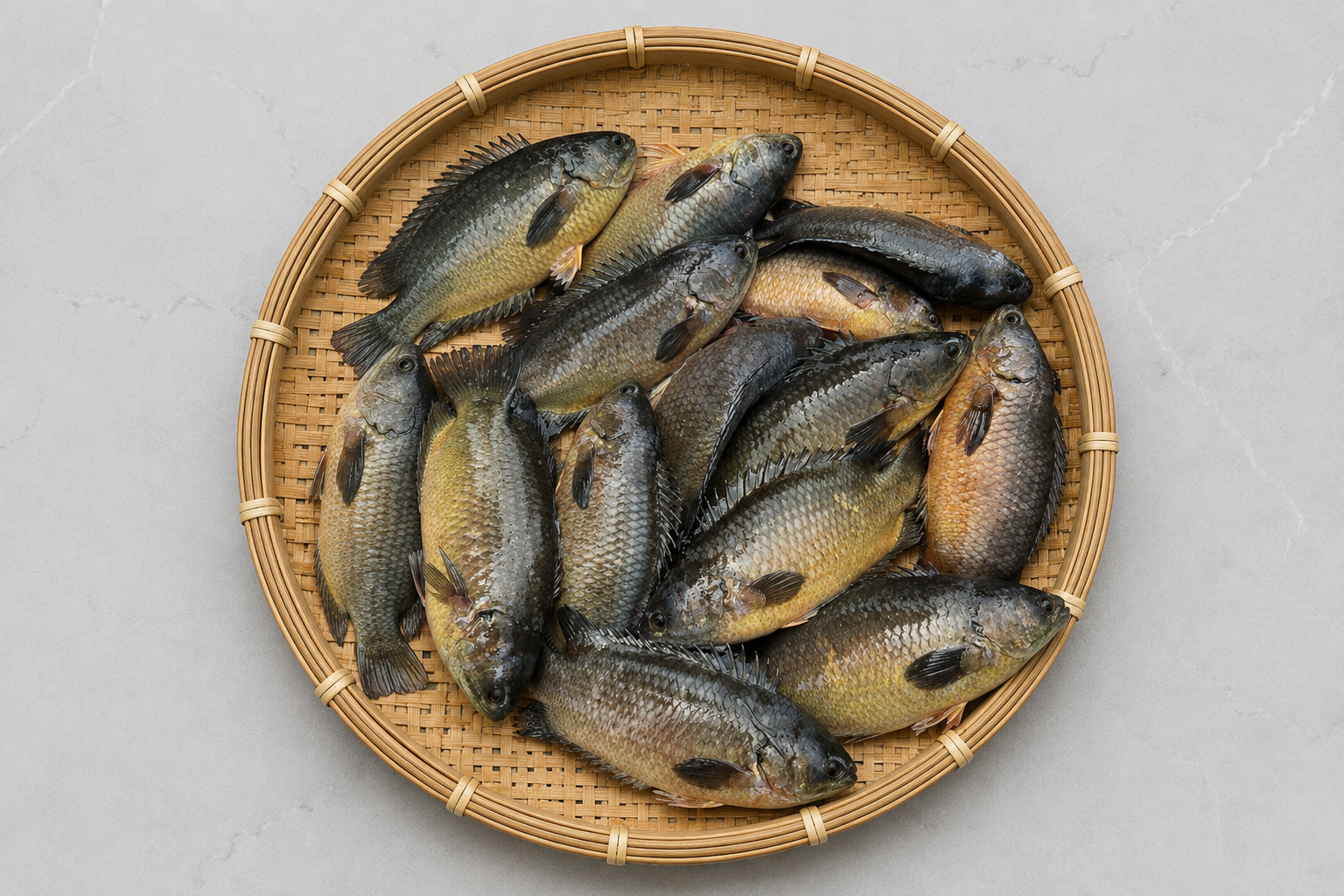
Hoi Mas
Climbing Fish
Hoi Mas, or climbing fish, is cleaned and salted before being cooked with chilli, onion, and spices in the typical Rohingya curry style, often with vegetables. This fish is known for surviving in shallow water and even moving briefly on land, making it a common catch in ponds and paddy fields. Its curry is a familiar part of everyday Rohingya meals eaten with rice. Hoi Mas remains a fish still cooked and enjoyed in Rohingya households today.
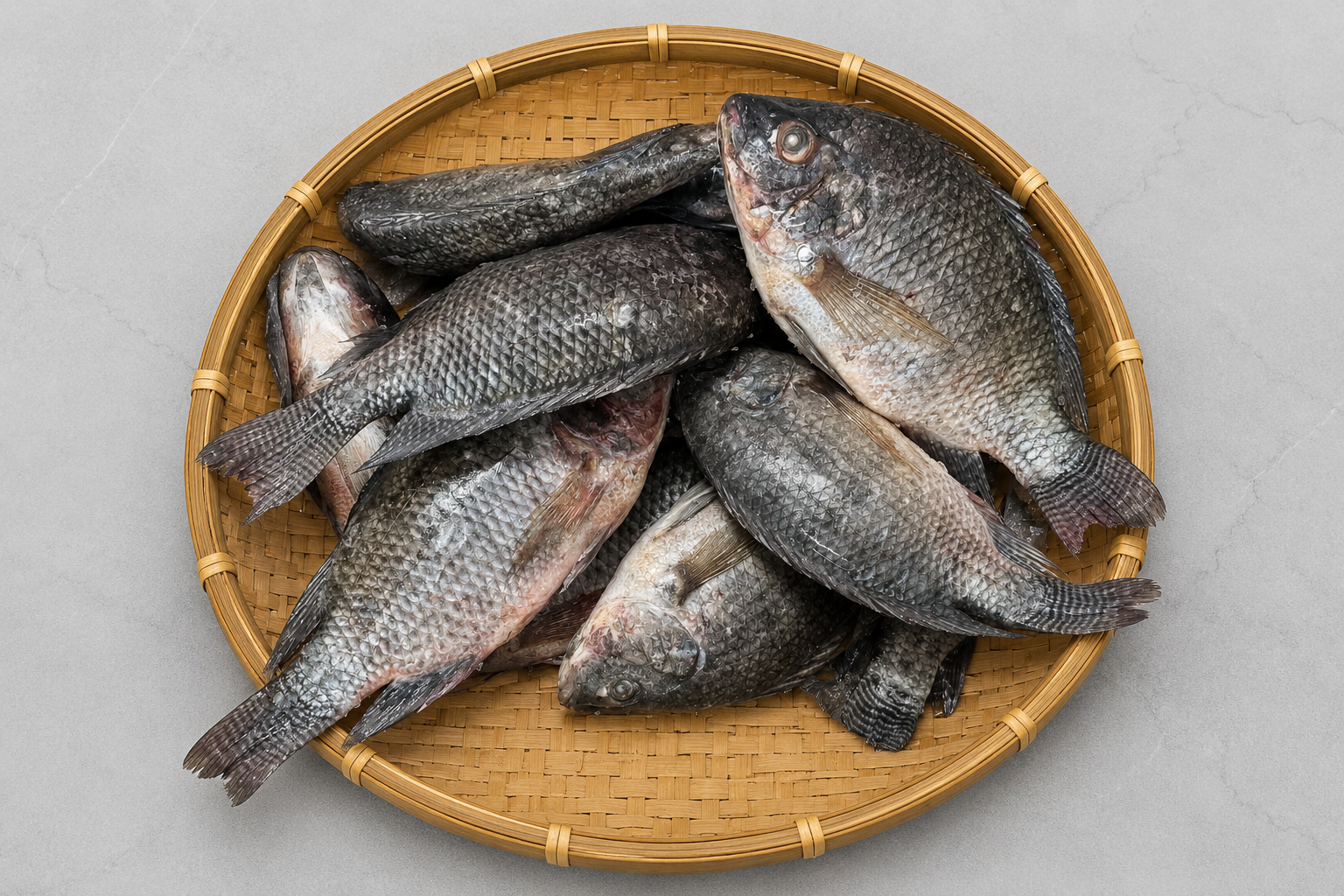
Zafani Mas
Tilapia Fish
Zafani Mas, or tilapia fish, is washed with salt and cooked with chilli, onion, turmeric, and vegetables in the standard Rohingya way. Tilapia is widely farmed and caught in ponds, making it one of the more accessible fish for regular cooking. Its mild flavor takes on the curry's spices well, making it a popular choice for everyday meals. This curry is typically eaten with rice. Zafani Mas remains a commonly cooked fish in Rohingya households today, both in Arakan and the diaspora.
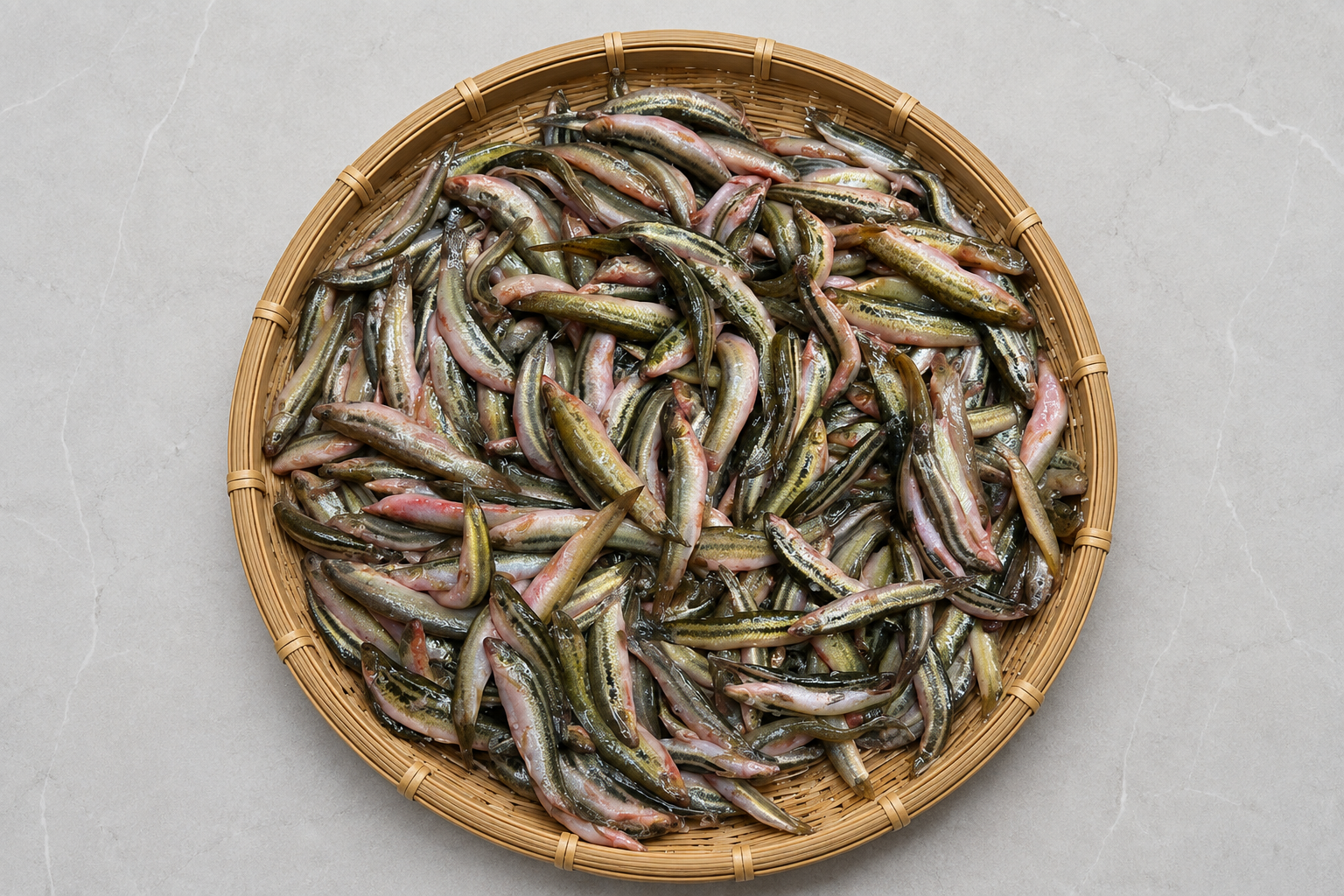
Fuinya Mas
Peacock Eel
Fuinya Mas, or peacock eel, is cleaned and cooked with chilli, onion, and spices in the classic Rohingya curry method, sometimes with added vegetables. Its long, eel-like body sets it apart from other fish used in Rohingya cooking, and it is typically found in muddy ponds and slow rivers. The curry brings out a distinct taste different from more common fish varieties. Fuinya Mas continues to be part of the range of fish dishes eaten in Rohingya households today.
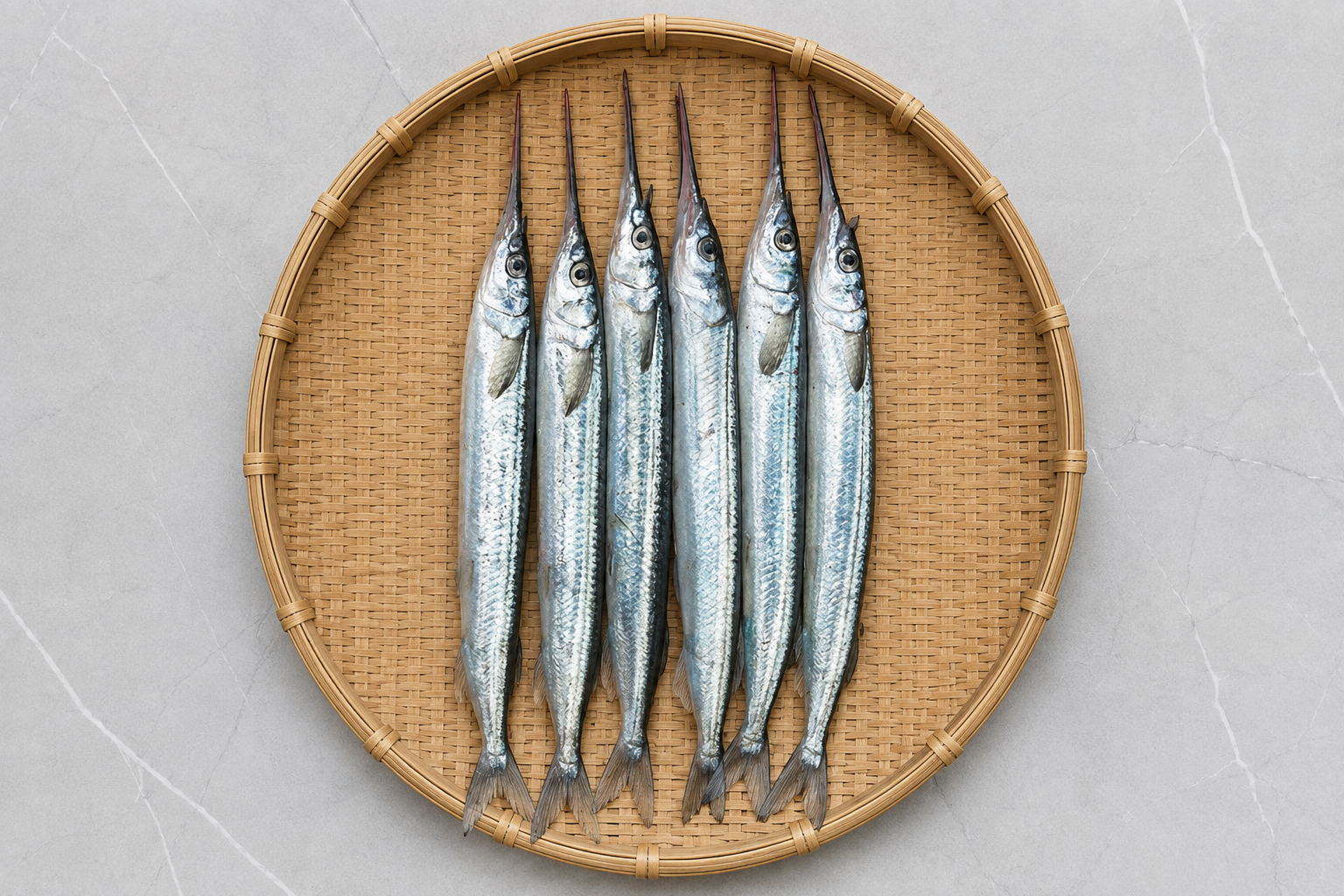
Túittá Mas
Halfback Fish
Túittá Mas, or halfback fish, is washed with salt and cooked with chilli, onion, turmeric, and vegetables following the usual Rohingya curry style. As one of the many local fish varieties eaten by Rohingya families, it is prepared using the same basic method applied to most fish curries. This dish is usually served with rice as part of a regular meal. Túittá Mas remains part of the wider tradition of fish curry cooking in Rohingya households today.
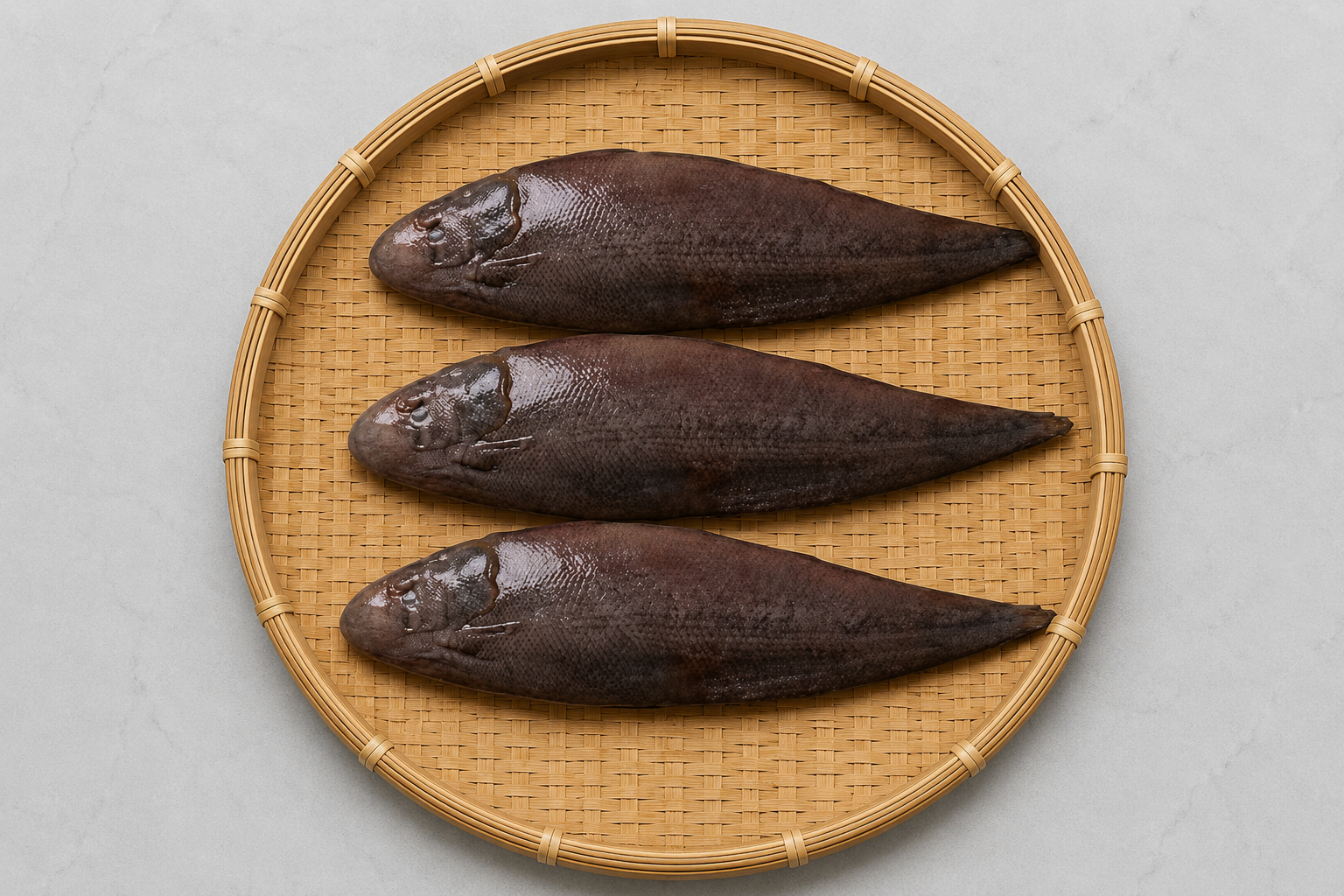
Fatha Mas
Sole Fish
Fatha Mas, or sole fish, is cleaned and salted before being cooked with chilli, onion, and spices in typical Rohingya curry fashion, often with vegetables added. Its flat body and delicate flesh cook quickly, absorbing the curry's flavor with ease. Sole fish is caught along coastal areas near Arakan, making it a familiar seafood choice. This curry is generally eaten with rice as a main dish. Fatha Mas remains a fish still prepared in Rohingya households today.
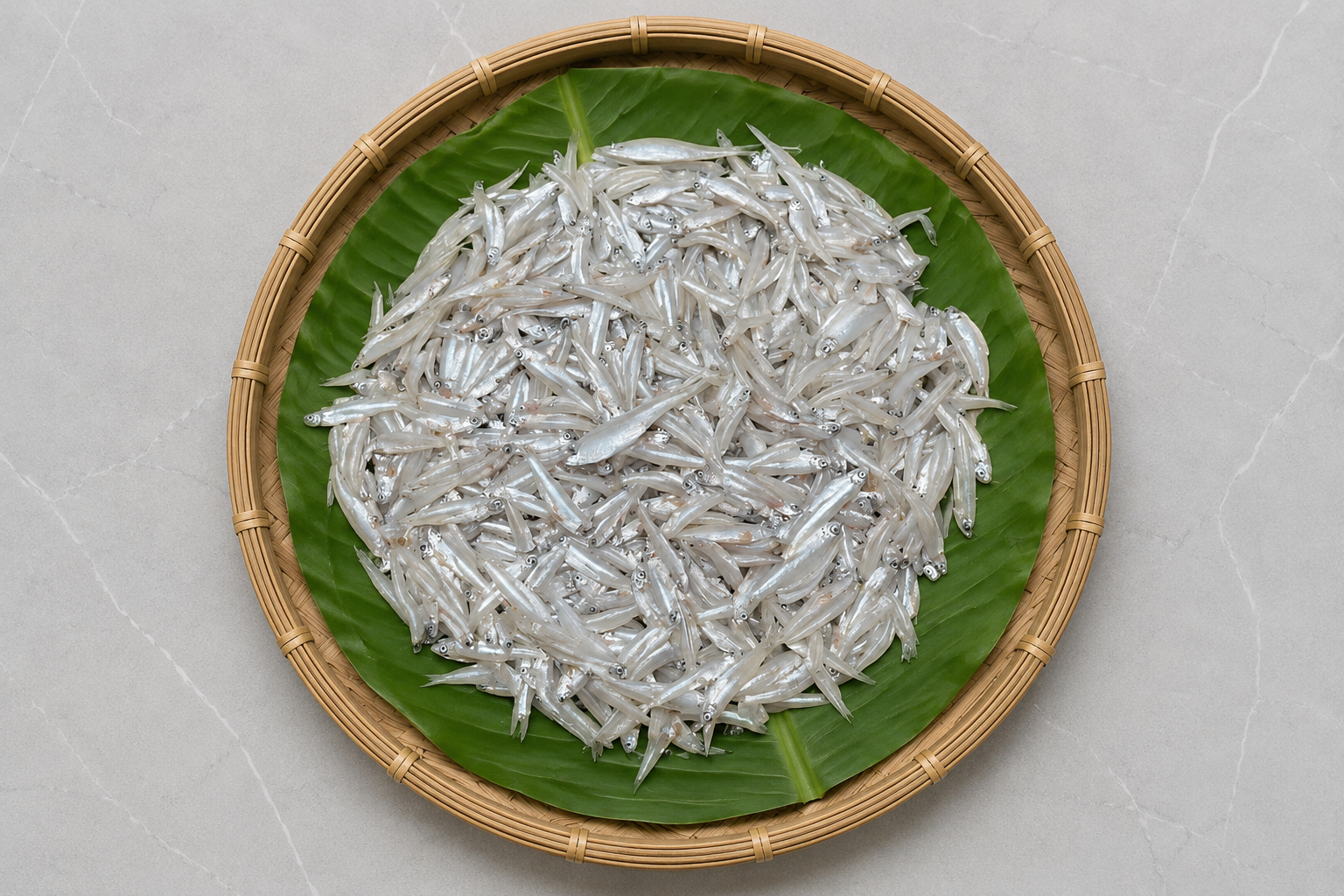
Moilla Mas / Císcirí Mas
Hamilton's Corica
Císcirí Mas, or Hamilton's corica, is a small fish washed with salt and cooked with chilli, onion, turmeric, and vegetables in the standard Rohingya way. Due to its small size, it is often cooked in larger amounts to make a fuller curry. This type of small river fish has long been an easy and affordable catch for Rohingya families. It is typically eaten with rice as part of a daily meal. Císcirí Mas remains a fish commonly cooked in Rohingya households today.
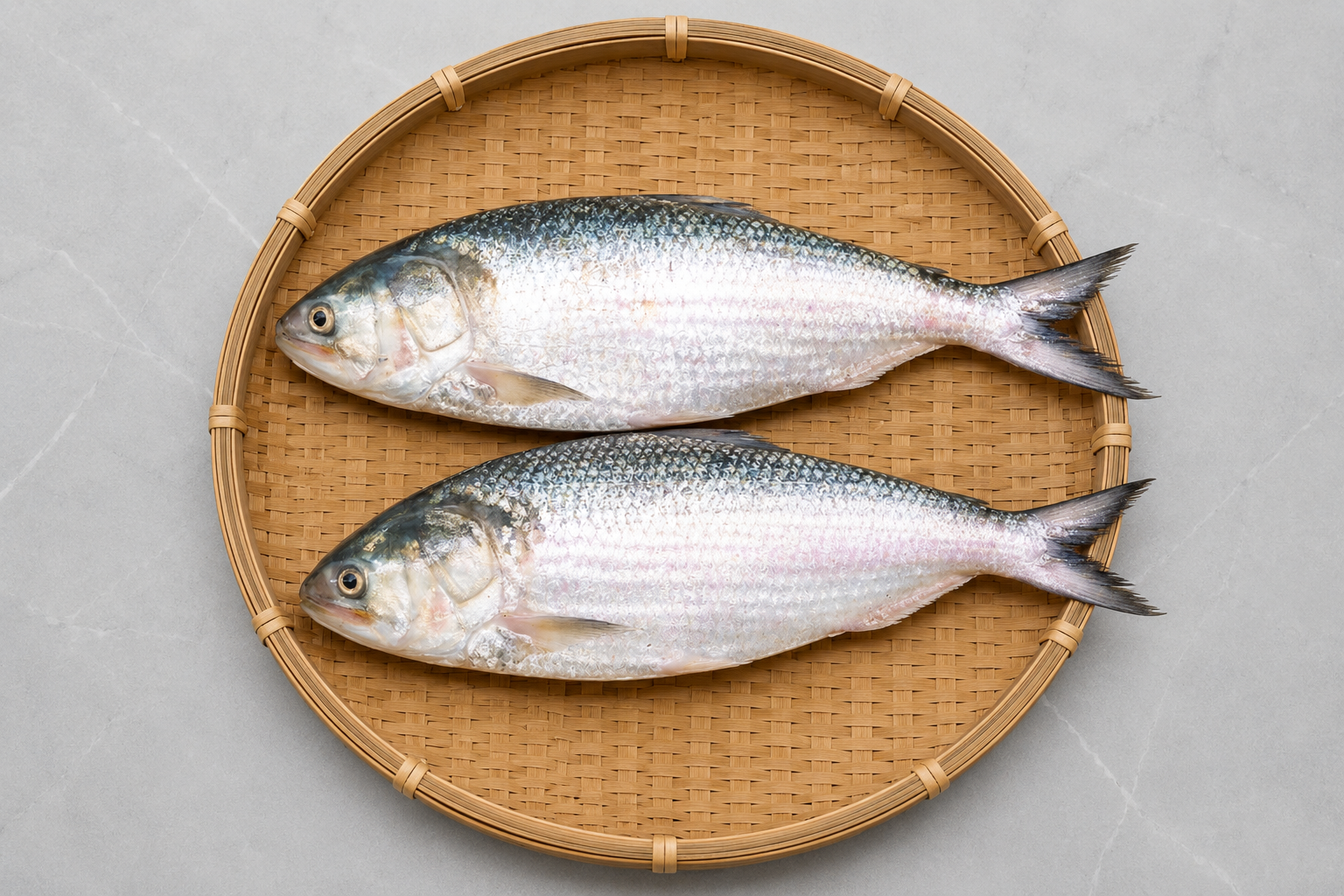
Ellim Mas
Hilsha Fish
Ellim Mas, or hilsha fish, is one of the most valued fish in Rohingya cooking, cleaned and cooked with chilli, onion, turmeric, and vegetables in the traditional curry style. Hilsha is known for its rich, distinct flavor and is often considered a more special or festive fish compared to everyday varieties. Its curry is a favorite at family meals and gatherings. Ellim Mas remains a highly valued fish curry in Rohingya households today, prized for its taste and cultural importance.

Gonji
T-Shirt
Gonji is the Rohingya term for a T-shirt, a simple upper garment commonly worn by men in everyday life. As modern clothing styles reached Rohingya communities, the T-shirt became a practical addition alongside more traditional garments like the Longi and Kurta. It is worn for casual daily activities, work, and informal settings rather than religious or ceremonial occasions. Gonji reflects how Rohingya clothing culture has blended older traditional styles with more modern, everyday wear. It remains a common piece of clothing worn by Rohingya men today.
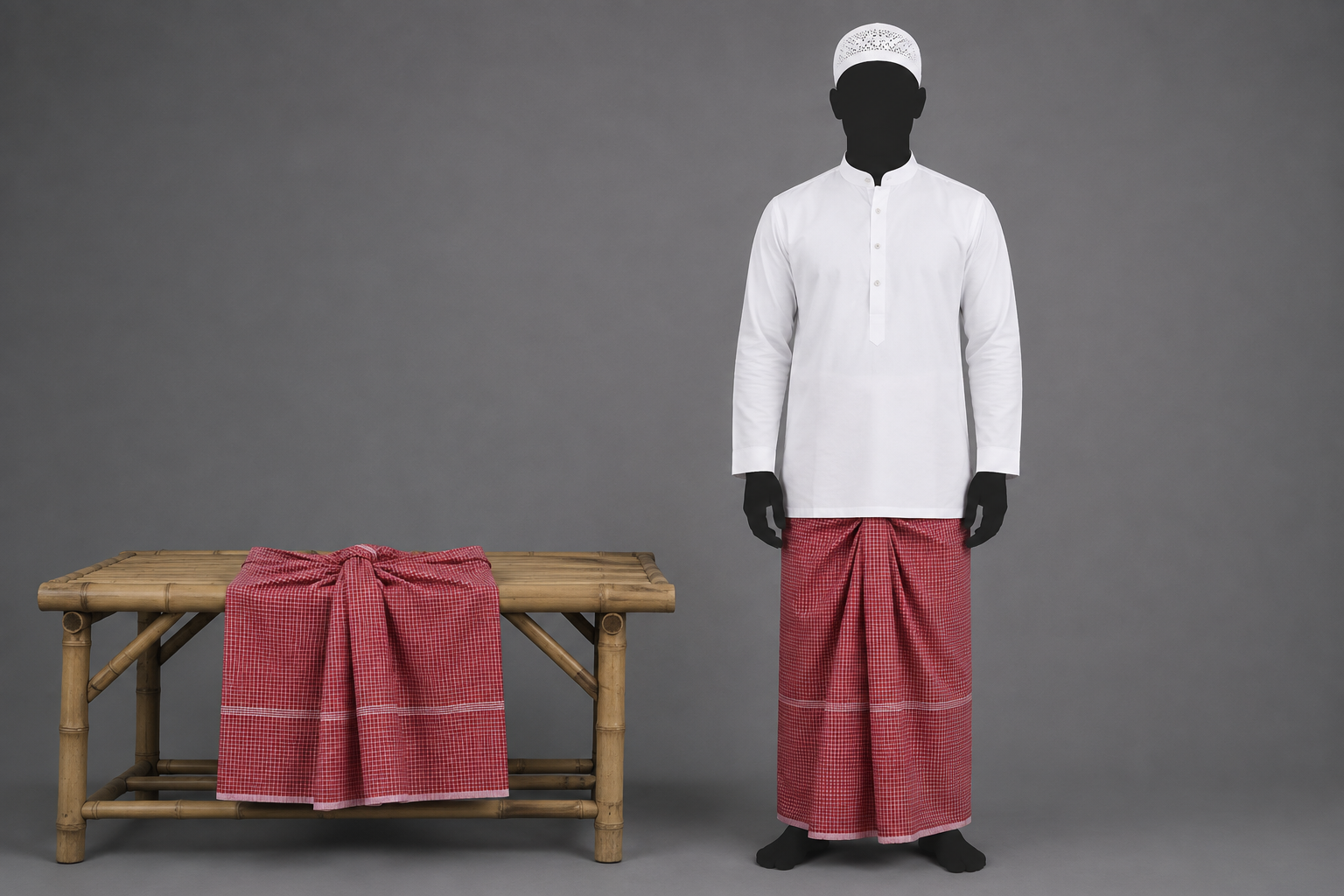
Longi
Lower Garment
Longi is a traditional lower garment worn around the waist and legs, made from a rectangular piece of cloth joined at the sides and worn in a sarong-like form rather than as trousers. It has long been an important part of Rohingya men's everyday clothing, worn for work, religious occasions, weddings, festivals, and daily life. Its simple, breathable design suits the region's warm climate and allows ease of movement. Longi remains one of the most commonly worn garments among Rohingya men today.
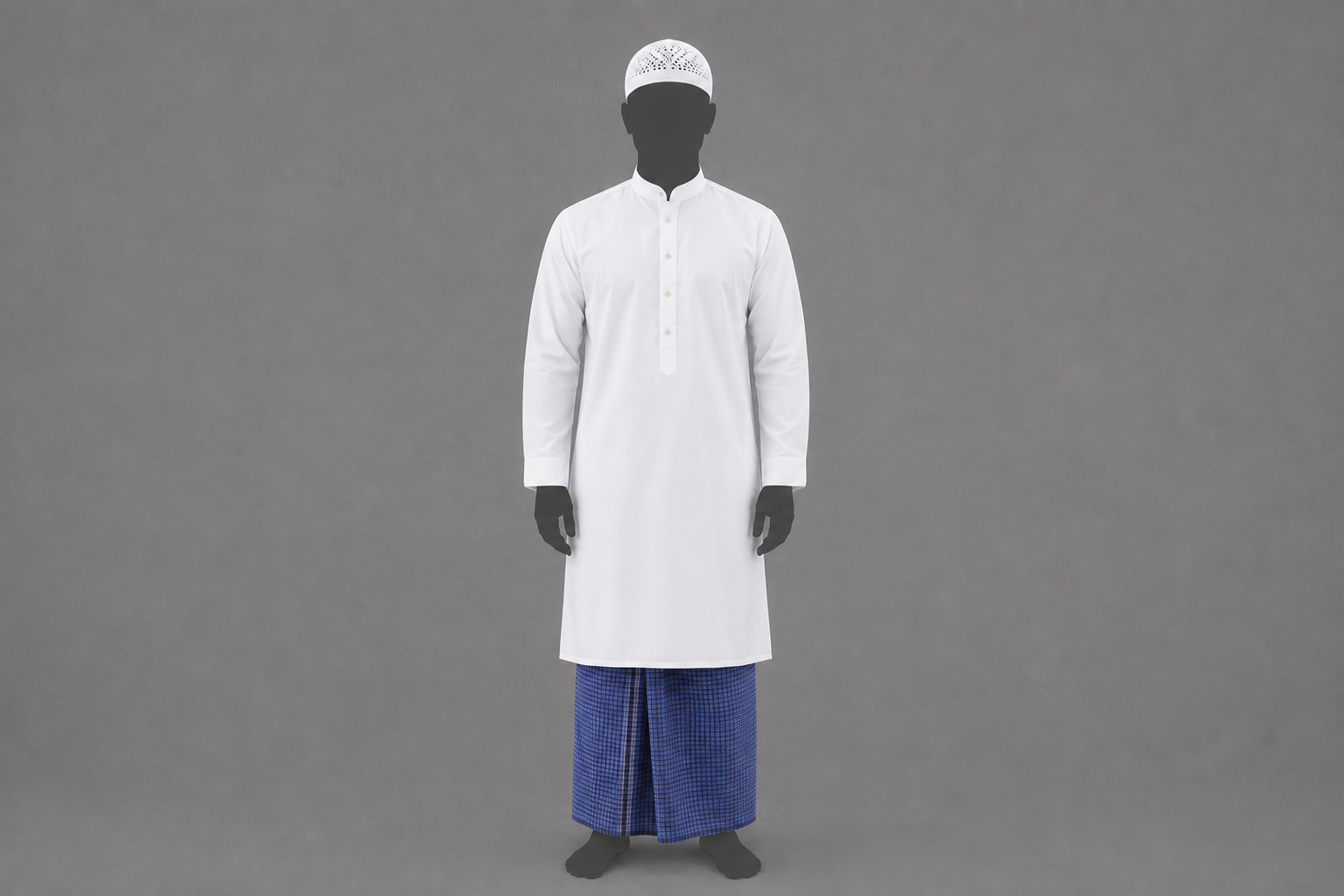
Kurta
Knee-Length Kurta
Kurta is a long shirt that generally reaches around the knee, shorter than the Jubbha, and can be worn as an upper garment with a Longi or other lower garment. This long, straight-cut shirt, sometimes called panjabi, is worn mainly by Madrasa students and religious scholars, reflecting its close ties to religious study within Rohingya communities. It is worn for both daily study and more formal occasions, offering a modest and comfortable style. Kurta remains a familiar piece of clothing among Rohingya men today, especially within religious and scholarly circles.
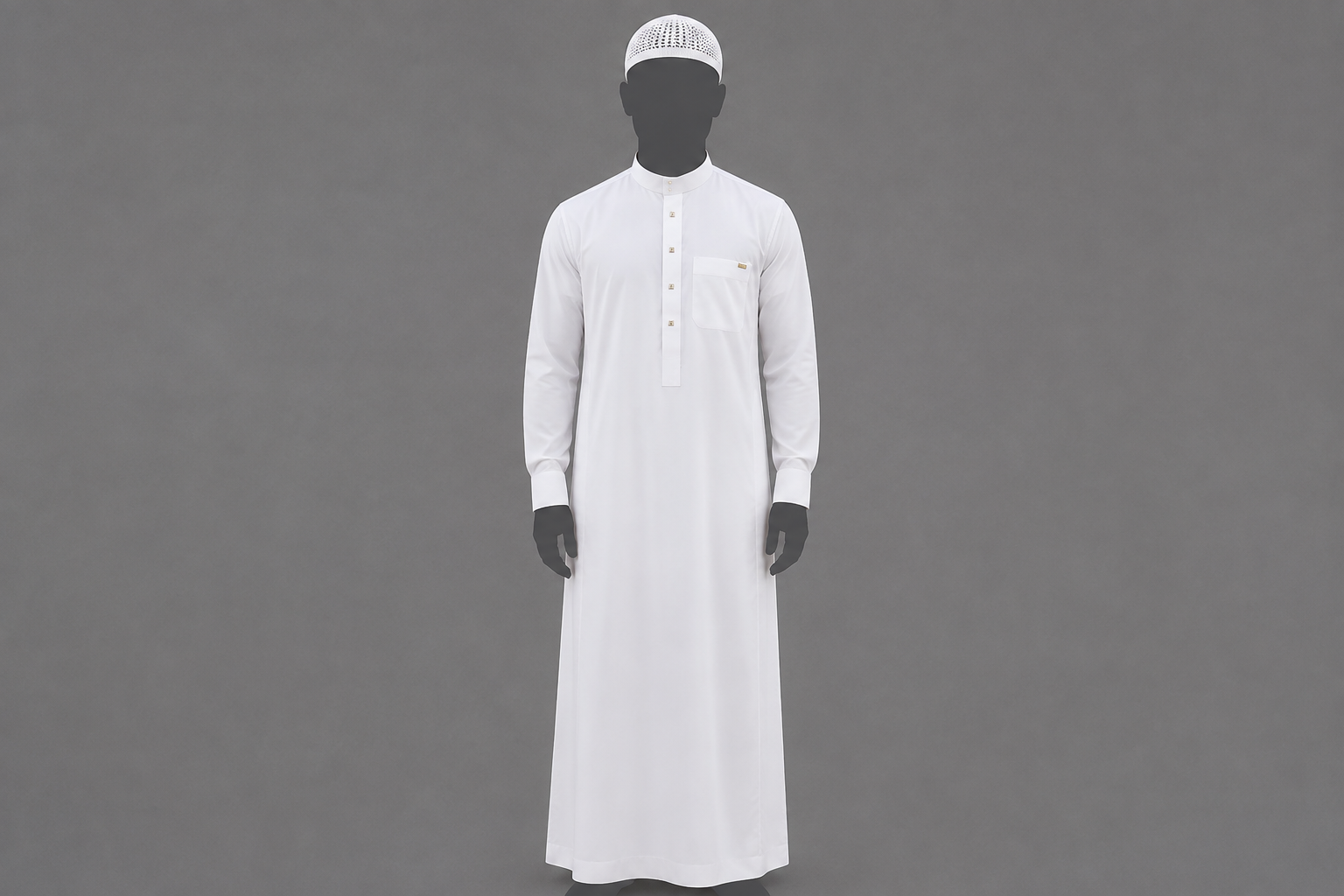
Jubba
Ankle-Length Robe
Jubba is a long, usually ankle-length robe worn by Rohingya men, particularly associated with religious scholars, madrassa students, imams, and elderly religious men. It normally has long sleeves and reaches down toward the ankles, giving it a modest and dignified appearance suited to religious settings. Wearing Jubbha often signals a connection to religious study or scholarly life within the community. It remains commonly worn today by those in religious roles and by elderly men who value its traditional style.

Tikka
Prayer Cap
Tikka is a traditional cap worn by Rohingya men, worn from childhood into old age and closely associated with prayer, religious gatherings, and community occasions. Elderly men and religious scholars may wear the Tikka throughout much of the day, not just during prayer, making it a familiar part of daily appearance rather than an occasional item. It reflects modesty and religious identity within Rohingya culture. Tikka remains widely worn by Rohingya men and boys today, especially during prayer and religious events.

Hamis / Kamis
Shirt
Hamis, also known as Kamis, is a common shirt worn by Rohingya men, made with either long or short sleeves, with the half-sleeved version sometimes called Adha' Hamis. Long-sleeved versions are traditionally worn together with the Longi as part of everyday men's clothing. This shirt style offers a simple, practical option suited to daily activities and modest dress. Hamis remains one of the standard upper garments worn by Rohingya men today, paired often with a Longi or trousers.
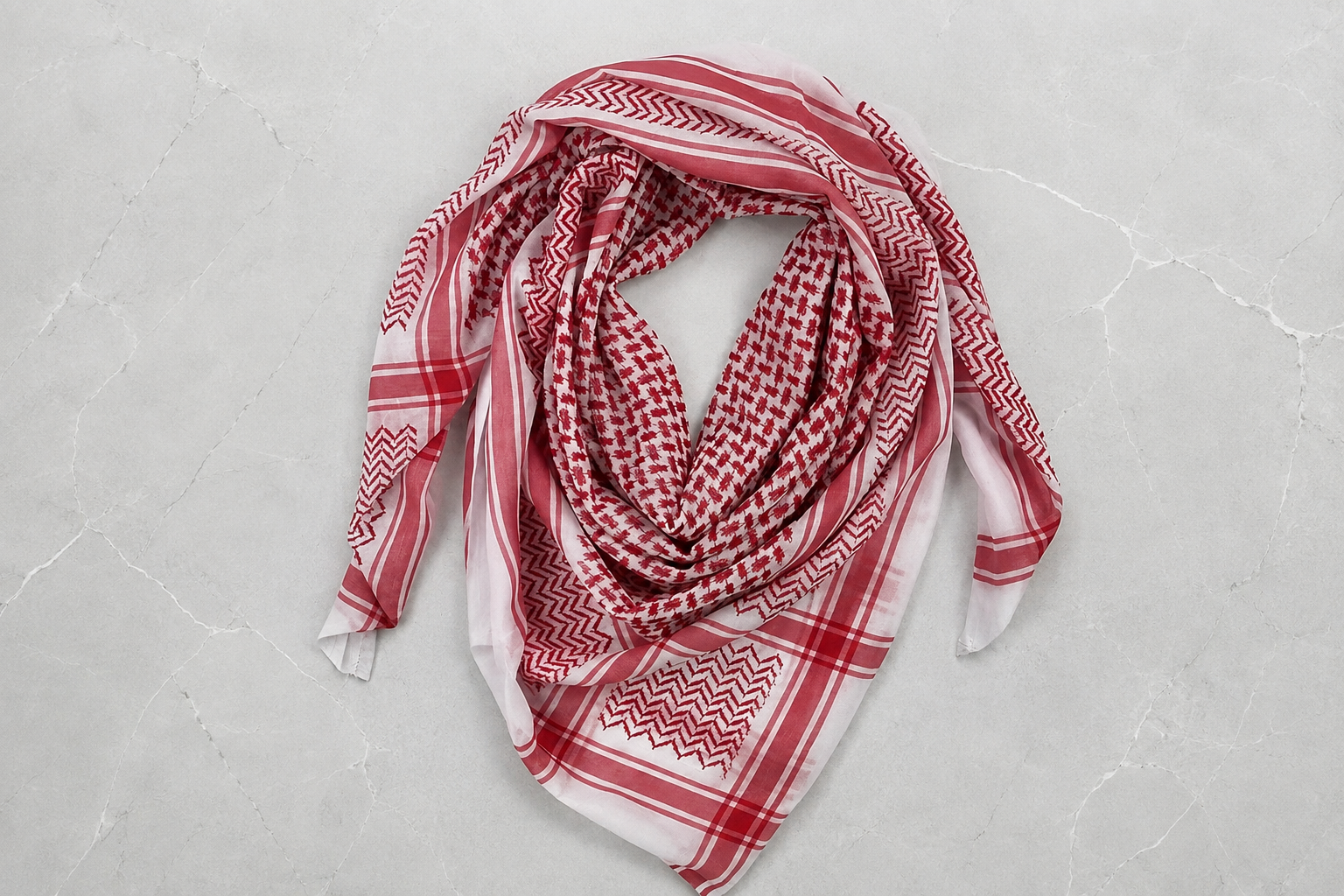
Saaddoor
Men's Scarf
Saaddoor is a traditional scarf associated particularly with Rohingya religious and cultural dress, commonly worn by religious scholars and madrassa students, and sometimes by elderly men. It forms part of the traditional appearance linked to religious study and community life, often draped over the shoulders or around the neck. Wearing Saaddoor can signal respect for religious learning and tradition within the community. It remains part of the clothing worn by religious figures and elders in Rohingya society today.

Miswak
Wood Toothbrush Stick
Miswak, also called Messuwak, is a wood stick traditionally used for cleaning teeth, and its use is considered a blessed practice tied to the Prophet's Sunnah. Unlike modern toothbrushes and toothpaste, which can be costly, a single miswak can last for a year while helping protect dental health. Its use reflects a broader connection between everyday habits and religious practice in Rohingya life. Miswak remains in use among Rohingya families today, valued both for its practicality and its spiritual significance.
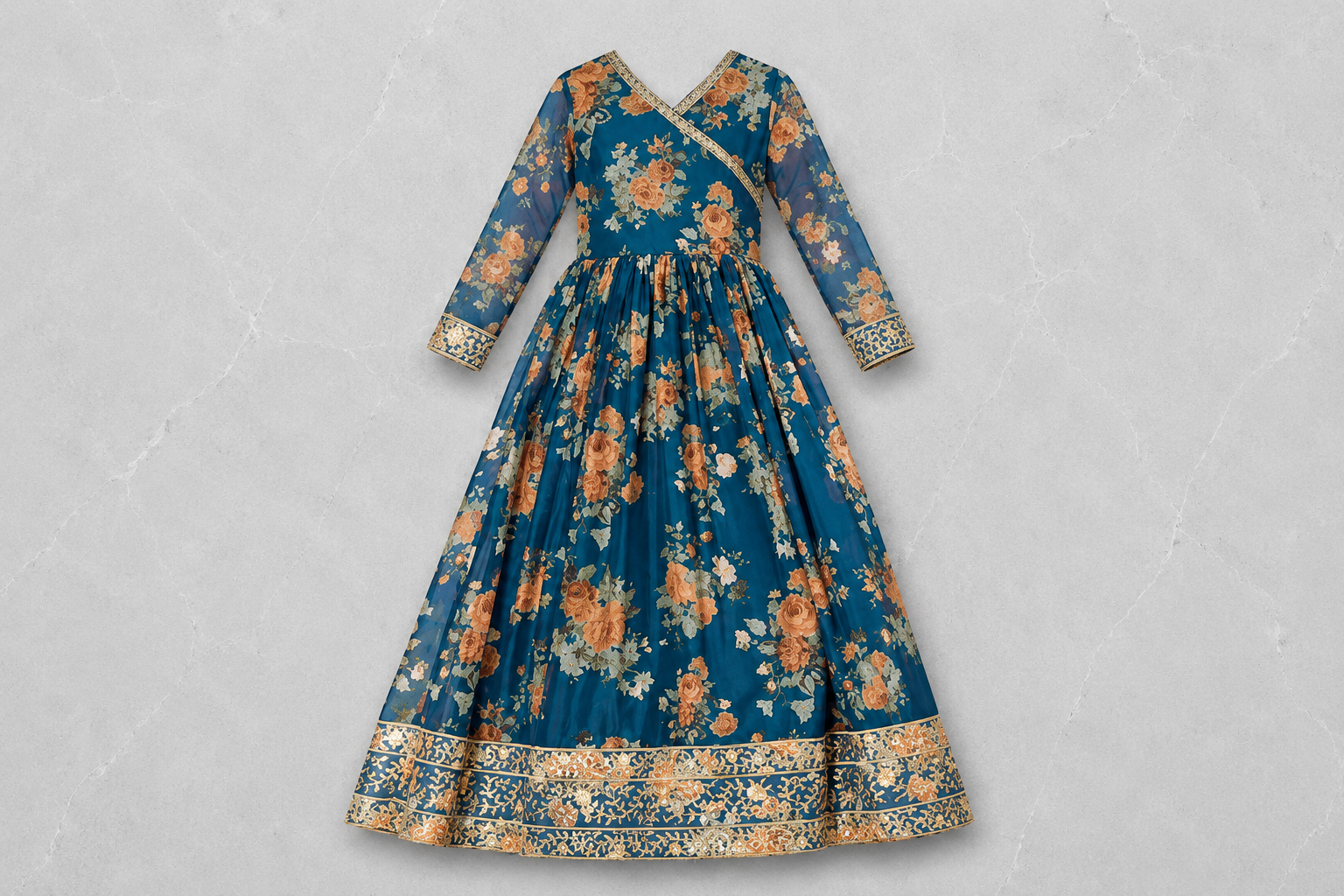
Zagara
Long Dress
Zagara is a long dress that covers both the upper and lower body, usually worn by young girls and women as part of a more modern clothing style. Unlike older traditional garments, Zagara reflects newer fashion influences that have entered Rohingya communities over time while still fitting within modest dress expectations. It offers a fuller, one-piece covering compared to separate blouse and skirt combinations. Zagara remains a popular clothing choice among young Rohingya women today, especially for everyday wear.
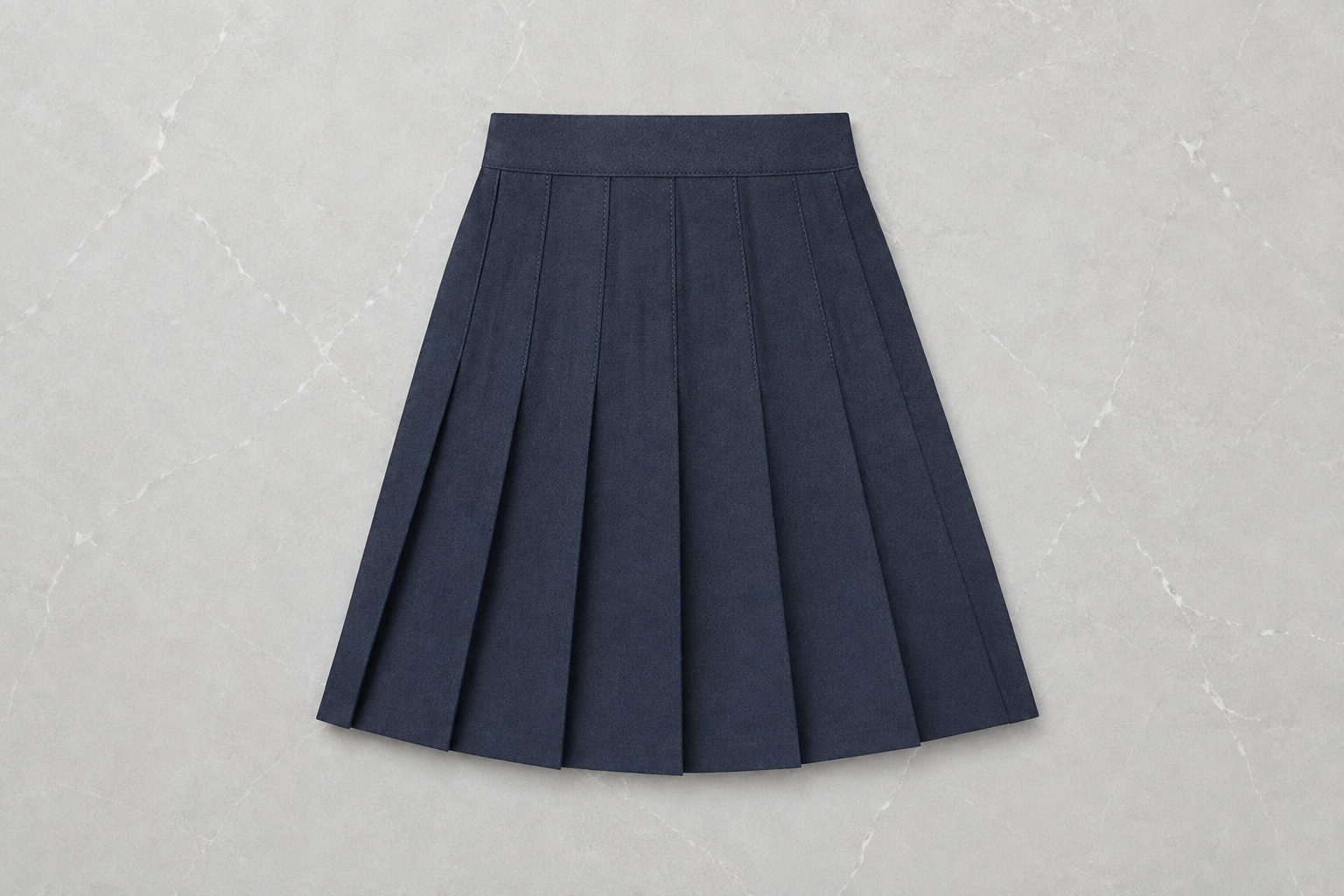
Kézzé
Skirt
Kézzé is a skirt worn by Rohingya women as a lower garment instead of pants, forming part of everyday clothing culture especially among young girls. It is typically paired with a blouse or other upper garment to complete a modest outfit. This style reflects a long-standing preference in Rohingya dress for skirts and wrap-style lower garments over trousers. Kézzé remains commonly worn today, particularly by younger Rohingya women in both Arakan and diaspora communities.
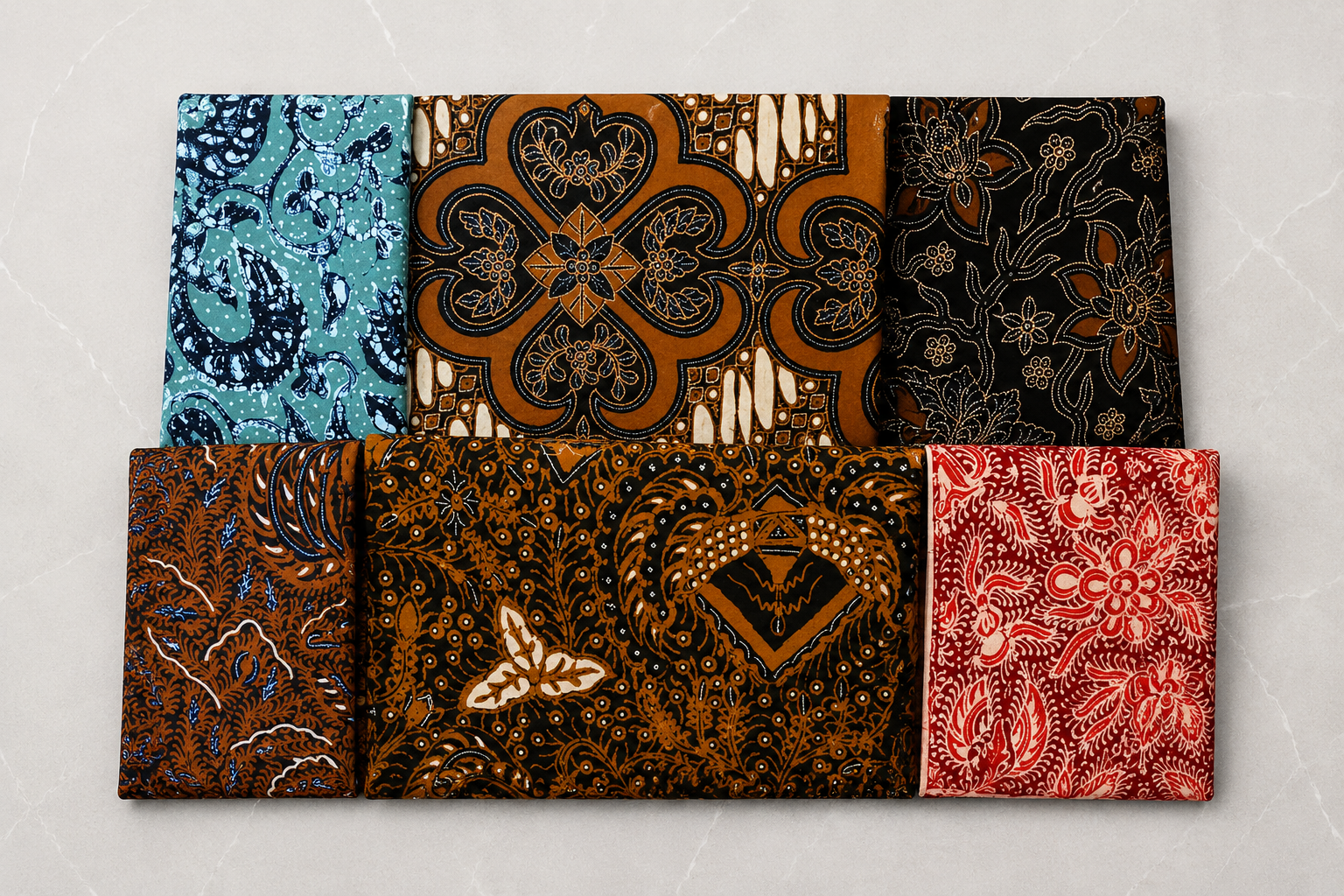
Taai / Thamee
Women's Wraparound Skirt
Taai, also called Thamee, is a traditional lower garment worn by women, made and worn in the same wraparound style as the men's Longi. It is made from a rectangular piece of cloth wrapped around the waist and legs and tied at the side, rather than worn as trousers. Taai is less common among younger girls and is mostly worn by grown women and older, becoming a more regular part of dress with age. Its simple, breathable design suits the region's warm climate and allows ease of movement. Taai remains part of Rohingya women's everyday clothing today.

Bédai
Blouse
Bédai is a blouse worn by Rohingya women as part of traditional and everyday dress, generally paired with a lower garment such as a skirt or Taai. The style, fabric, and design can vary depending on age, family, generation, and occasion, showing how clothing choices reflect both personal and cultural identity. Rohingya women's traditional dress has long included different combinations of blouses, skirts, and other garments. Bédai remains a basic and widely worn piece of clothing among Rohingya women today.
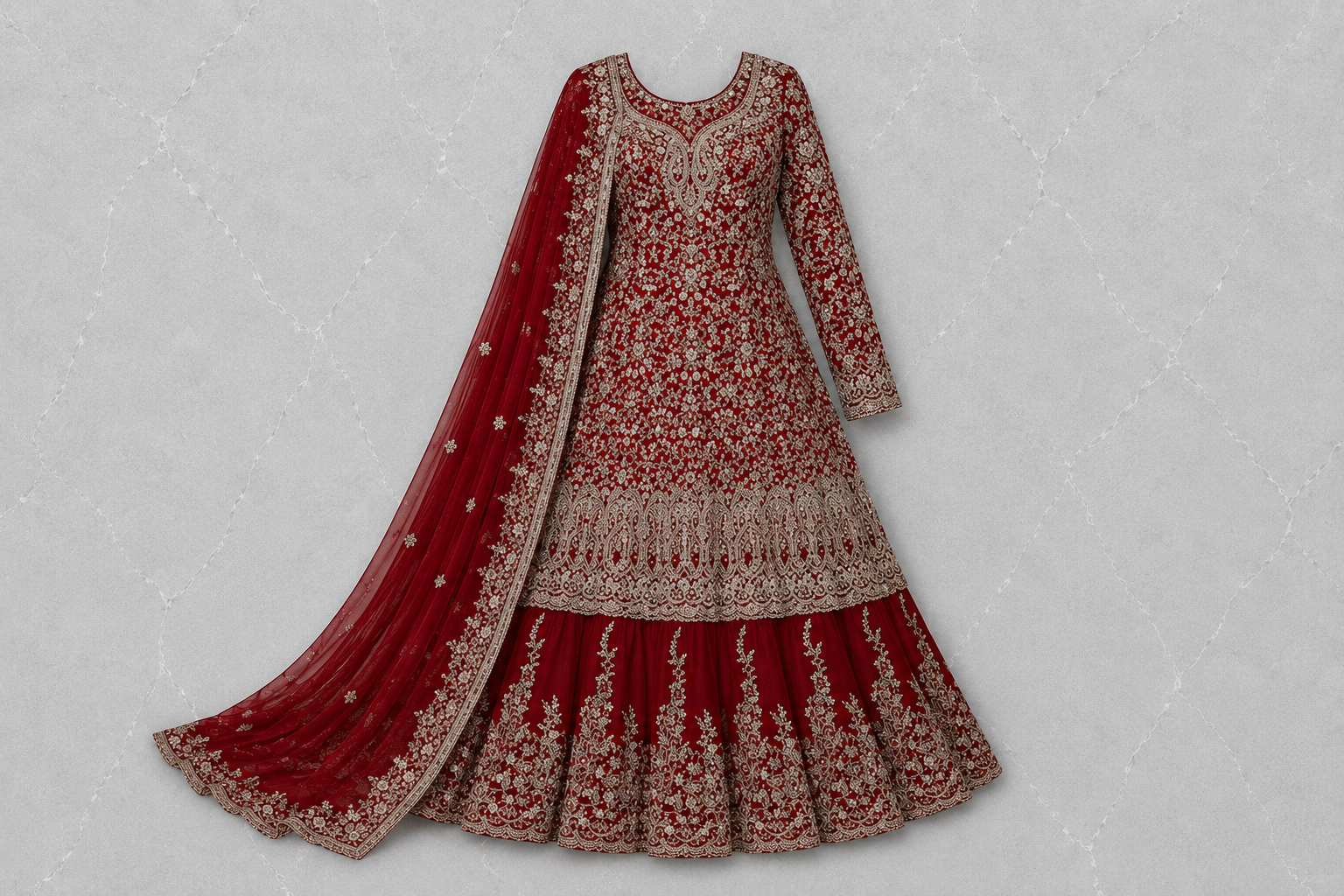
Lamani Hor
Wedding Gown
Lamani Hor is a traditional wedding gown worn by brides as they are brought to the groom's house on the wedding day. Its design marks the bride as the center of attention during this important moment, distinguishing her from everyday clothing worn on ordinary days. Wedding garments like this carry deep cultural weight, tied to family honor and celebration. Lamani Hor remains part of Rohingya wedding tradition today, worn during one of the most significant events in a woman's life.
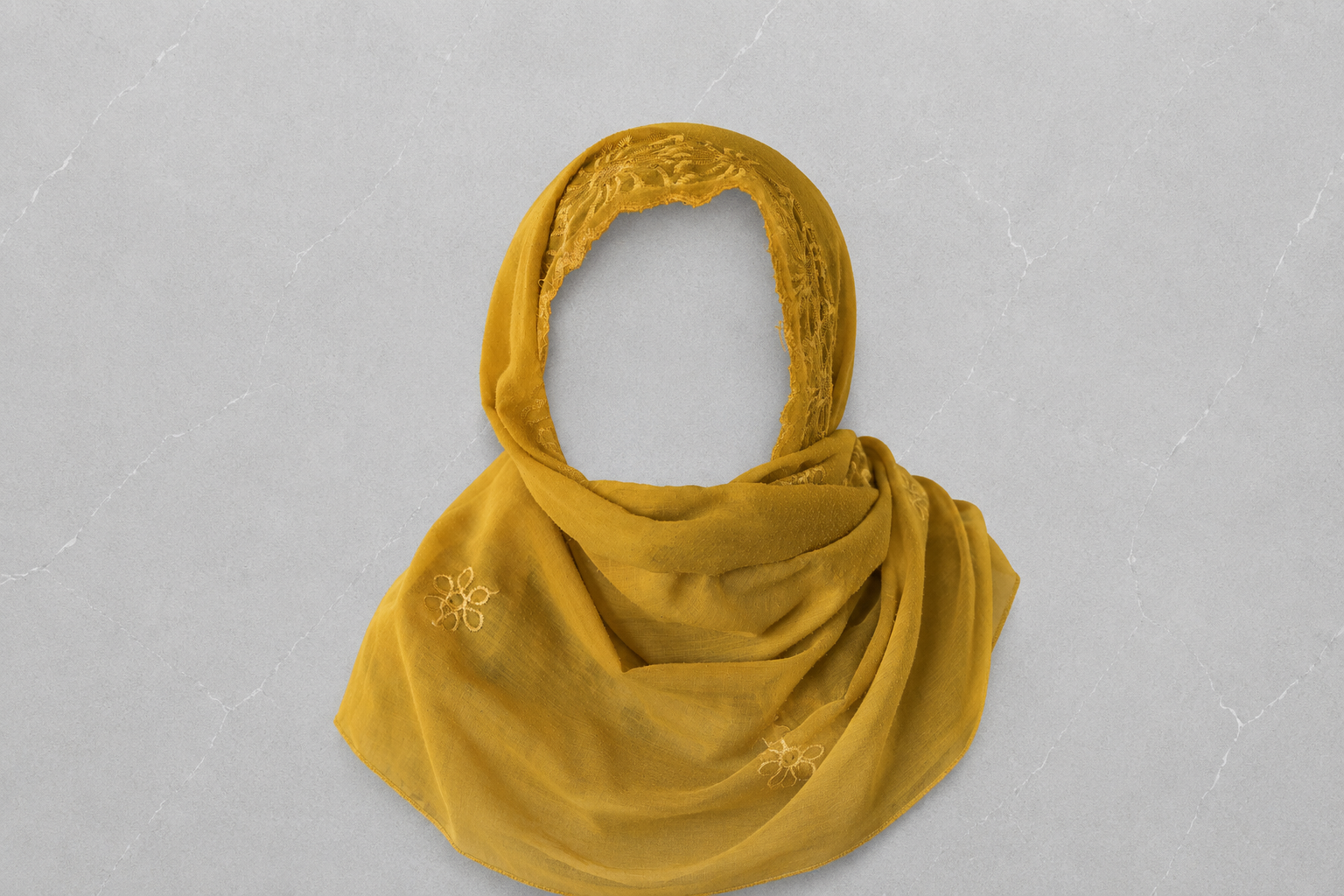
Matha Hoor / Nummal
Head Scarf
Matha Hoor, also called Nummal, refers to a traditional head scarf or head covering worn by Rohingya women, particularly adult women, both inside and outside the home. Different styles have been used over time depending on the period, family, and occasion, reflecting how head coverings adapt to context while remaining a consistent part of modest dress. It plays an important role in everyday appearance and religious observance. Matha Hoor remains widely worn by Rohingya women today, both in Arakan and the diaspora.
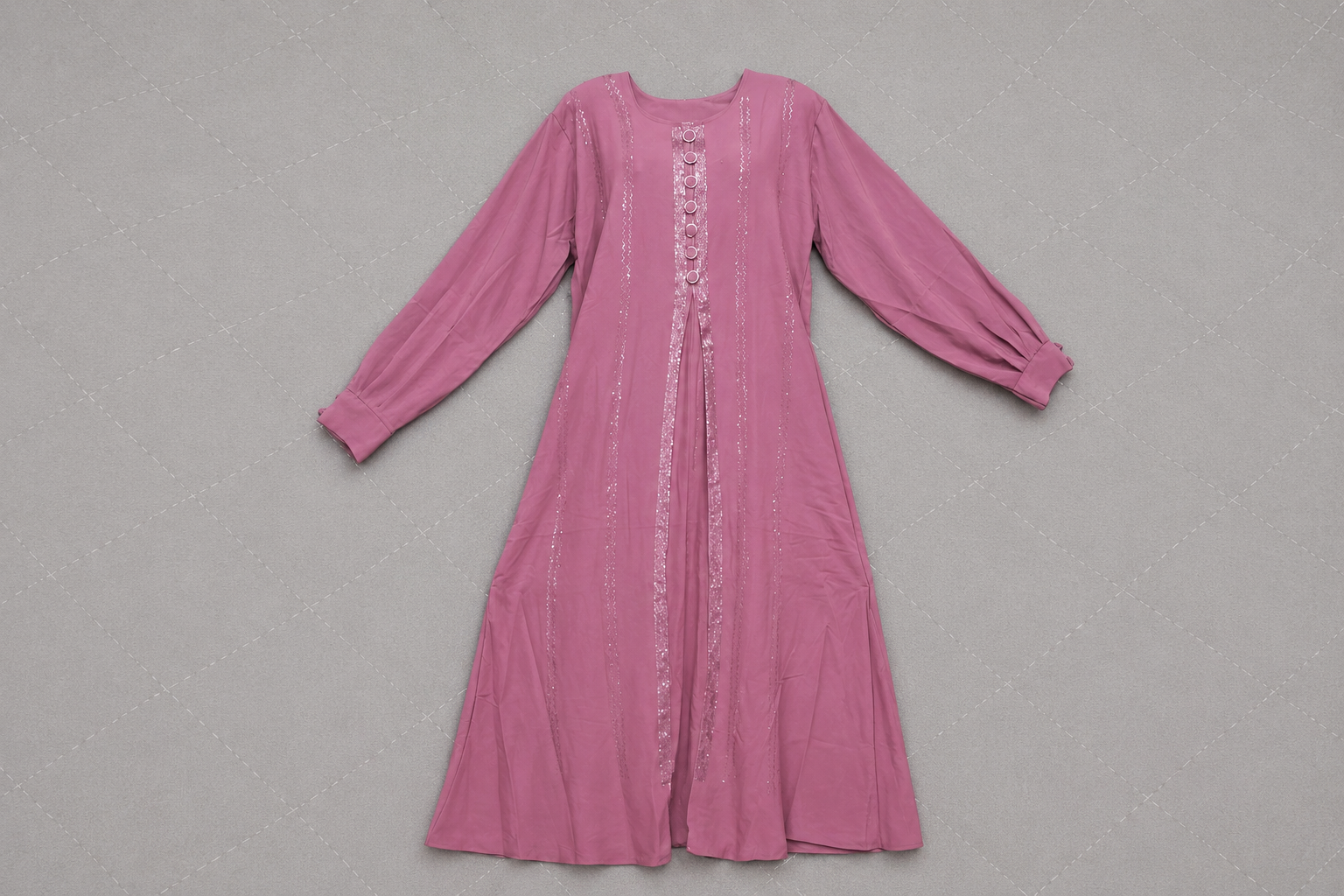
Burqa
Burka
Burqa, also written Burka, is a full-body outer covering worn by Rohingya women over their everyday clothing whenever they step outside the home. Every grown girl, from her early teenage years onward, is expected to wear it in public, making it one of the most consistent parts of women's outdoor dress. It covers the body from head to foot, leaving little exposed, reflecting deep-rooted values around female modesty and privacy in Rohingya culture. Worn together with the hijab and often the niqab, the burqa remains an essential part of how Rohingya women present themselves outside the home today.

Tikka
Hijab
Tikka refers to the hijab worn by Rohingya women to cover the hair and head. Outside the home, it is worn as part of a fuller covering, alongside the burqa and often the niqab, but inside the home, women typically wear only a lighter cap that covers the hair, without the heavier outer layers required in public. This shift between indoor and outdoor covering reflects the different levels of modesty expected depending on the setting. The hijab remains a daily part of how Rohingya women dress today, both inside and outside the home.
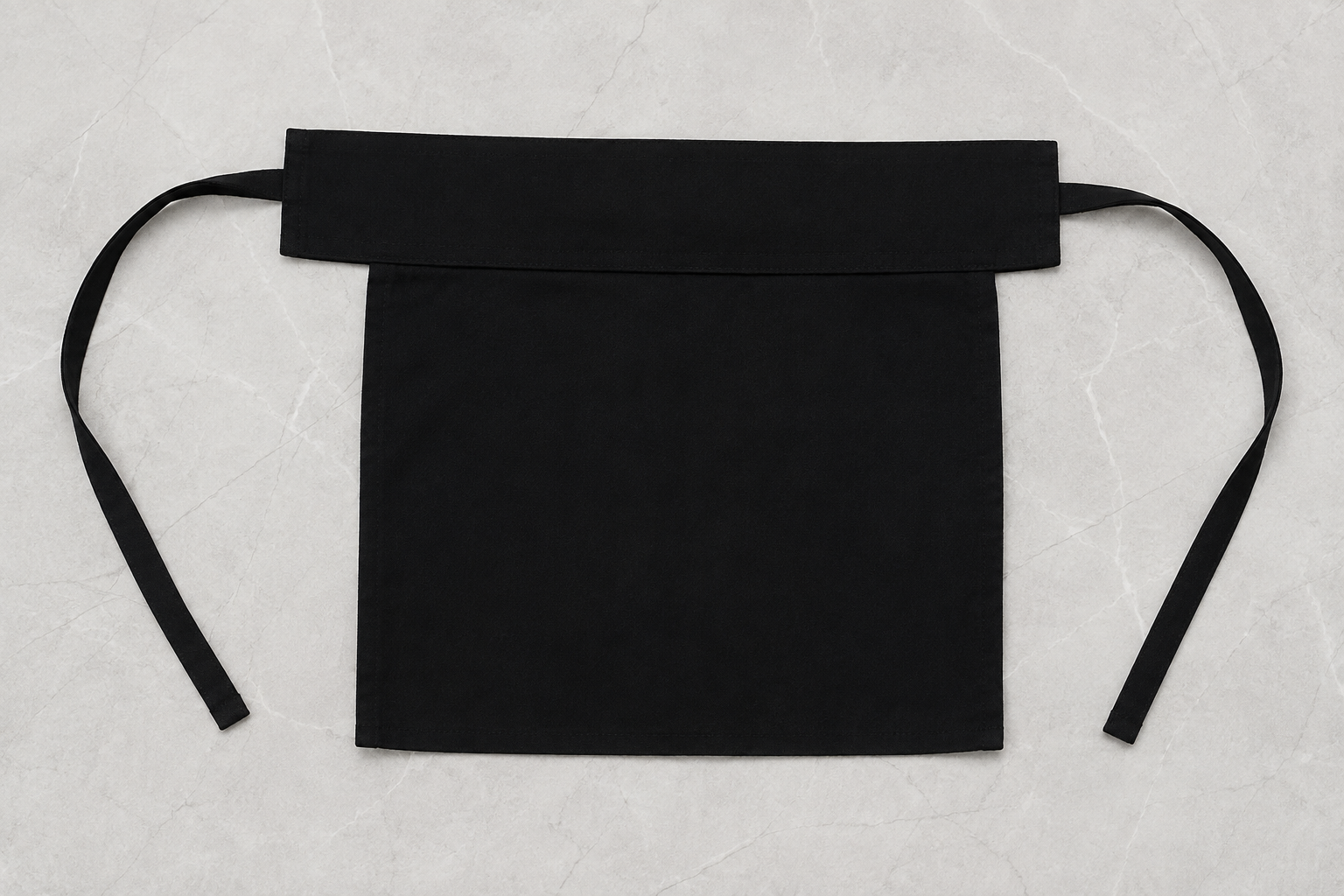
Niqab
Niqab
Niqab is a face veil worn by Rohingya women together with the burqa and hijab when leaving the home, covering the face and leaving only the eyes visible. It is worn as part of the fuller outdoor covering expected of women once they reach a certain age, adding another layer of modesty on top of the hijab and burqa. Wearing the niqab in public reflects Rohingya cultural values around women's privacy and how they present themselves outside the household. It remains part of women's outdoor dress in Rohingya communities today.

Saati
Umbrella
Saati, or umbrella, holds a deeper cultural meaning for Rohingya women beyond simple protection from sun or rain. Even after being fully covered with hijab and burqa, women traditionally carry a Saati whenever they step outside, using it as an extra layer of privacy that shields them further from being seen. This practice reflects a core value in Rohingya culture around women not showing or exposing themselves in public. Carrying a Saati has long been considered a natural, expected part of how women move through public spaces. It remains part of Rohingya women's outdoor culture today.

Nakfúl / Nakpúl
Nose Ring
Nakfúl, also known as Nakpúl, is a traditional nose ornament worn by Rohingya women, referring either to a nose ring or a smaller nose stud. The name is traditionally linked to the idea of a nose flower, and nose jewellery has long been part of Rohingya women's adornment, especially in marriage traditions. Historical accounts record Rohingya brides wearing both nose rings and nose pins during weddings. Nakfúl remains part of traditional bridal jewellery in Rohingya culture today, though its everyday use has become less common.

Hanfúl
Earring
Hanfúl refers to a traditional earring worn by Rohingya women, ranging from simple ear ornaments to larger, more decorative earrings. The word is understood as combining han, meaning ear, and fúl, meaning flower, giving it a poetic meaning tied to beauty. Earrings have long been part of Rohingya women's jewellery collections, worn on both ordinary days and special occasions. Hanfúl remains a common piece of jewellery worn by Rohingya women today, passed down or gifted during important family moments.
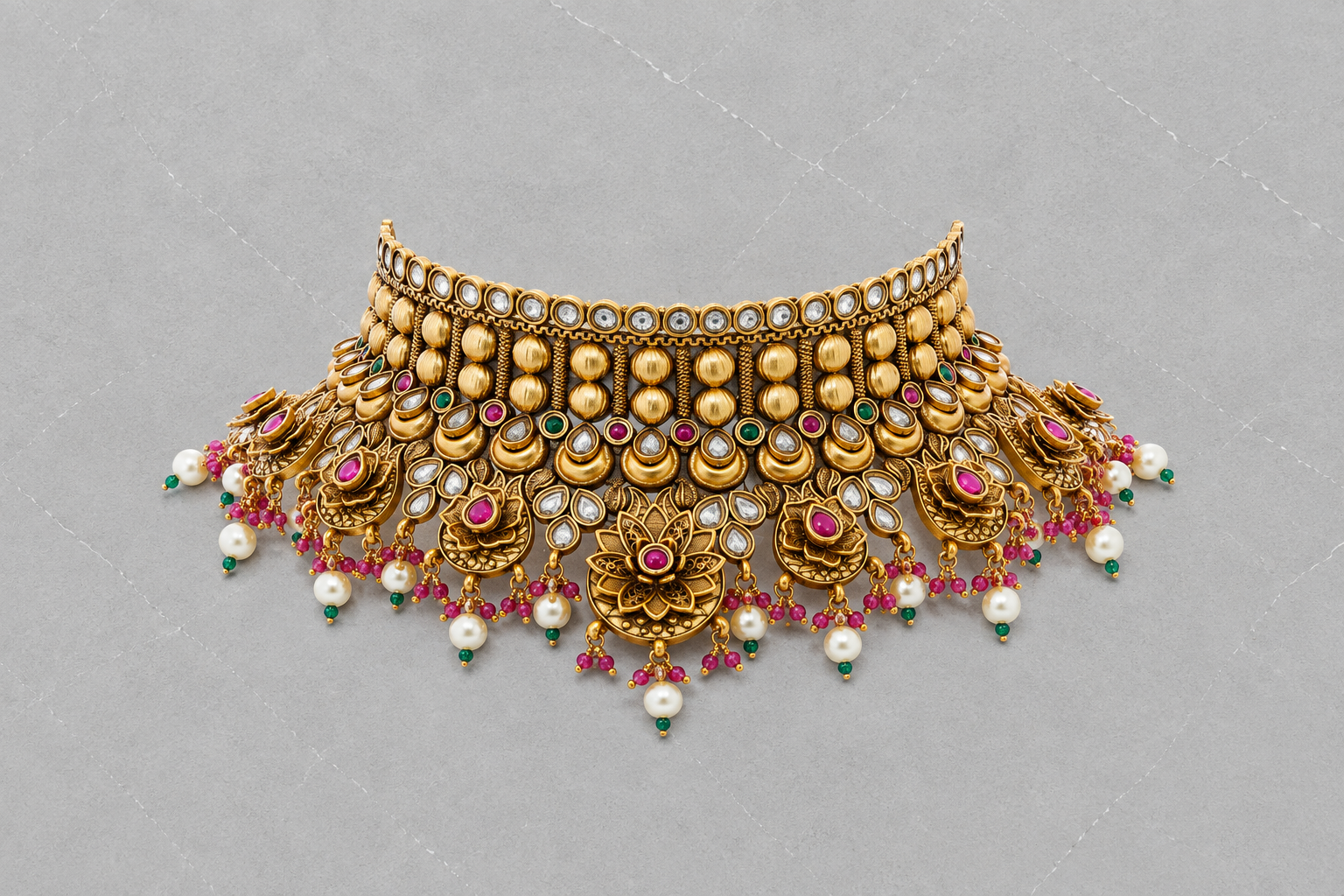
Bayok
Necklace
Bayok is a traditional necklace worn by Rohingya women, made in different styles and materials over time. Gold necklaces in particular have been closely associated with weddings and important family occasions, often worn together with earrings, nose jewellery, and bangles as part of full bridal adornment. Necklaces like Bayok carry both decorative and symbolic value within Rohingya wedding culture. Bayok remains part of traditional jewellery worn by Rohingya women today, especially during weddings and celebrations.
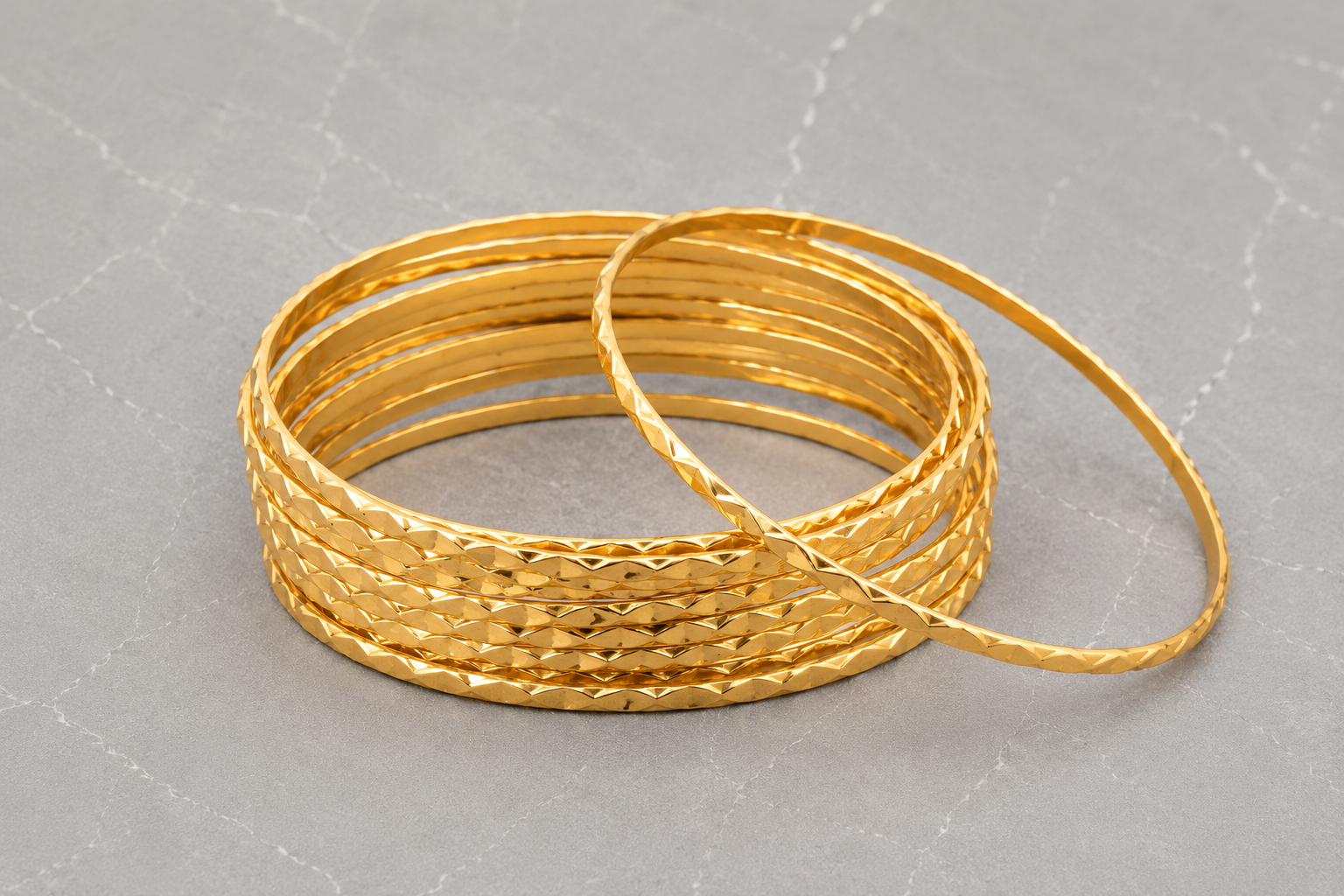
Átor-Háru
Bracelet
Átor-Háru is a traditional bracelet worn around the wrist by Rohingya women, with its name meaning a circle of the hand. Bracelets like this have long been part of women's traditional jewellery, often worn alongside necklaces, earrings, and rings during weddings and other important occasions. Its simple design carries cultural meaning tied to adornment and celebration. Átor-Háru remains part of the traditional jewellery worn by Rohingya women today.

Oñrí
Ring
Oñrí, or ring, is another traditional form of jewellery worn by Rohingya women, made from different materials including gold and other metals. Rings were often worn together with other jewellery such as necklaces, earrings, and bracelets, particularly during weddings and other important family occasions. As a small but meaningful piece of adornment, rings have remained a lasting part of Rohingya jewellery tradition. Oñrí is still worn by Rohingya women today, especially as part of bridal or festive jewellery sets.
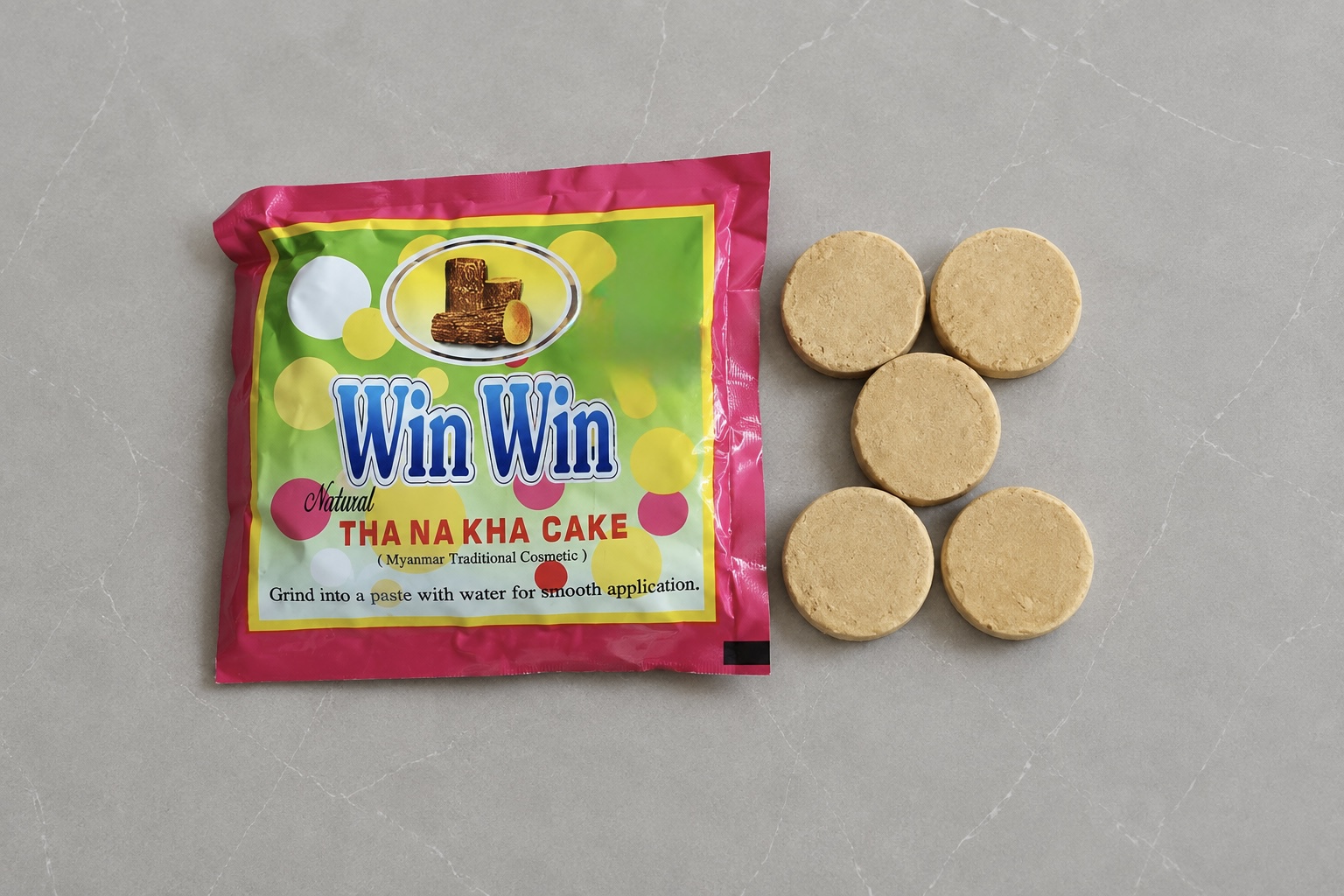
Thanaka
Traditional Makeup
Thanaka is a traditional natural cosmetic used on the face by Rohingya women, prepared from parts of the thanaka tree rubbed against a flat surface to form a paste, which is then applied to the cheeks and other parts of the face. It served as an everyday cosmetic practice for women in the region, valued for both its look and its cooling effect on the skin. Thanaka reflects an older tradition of using natural materials for beauty care. It remains known and used in some Rohingya communities today.
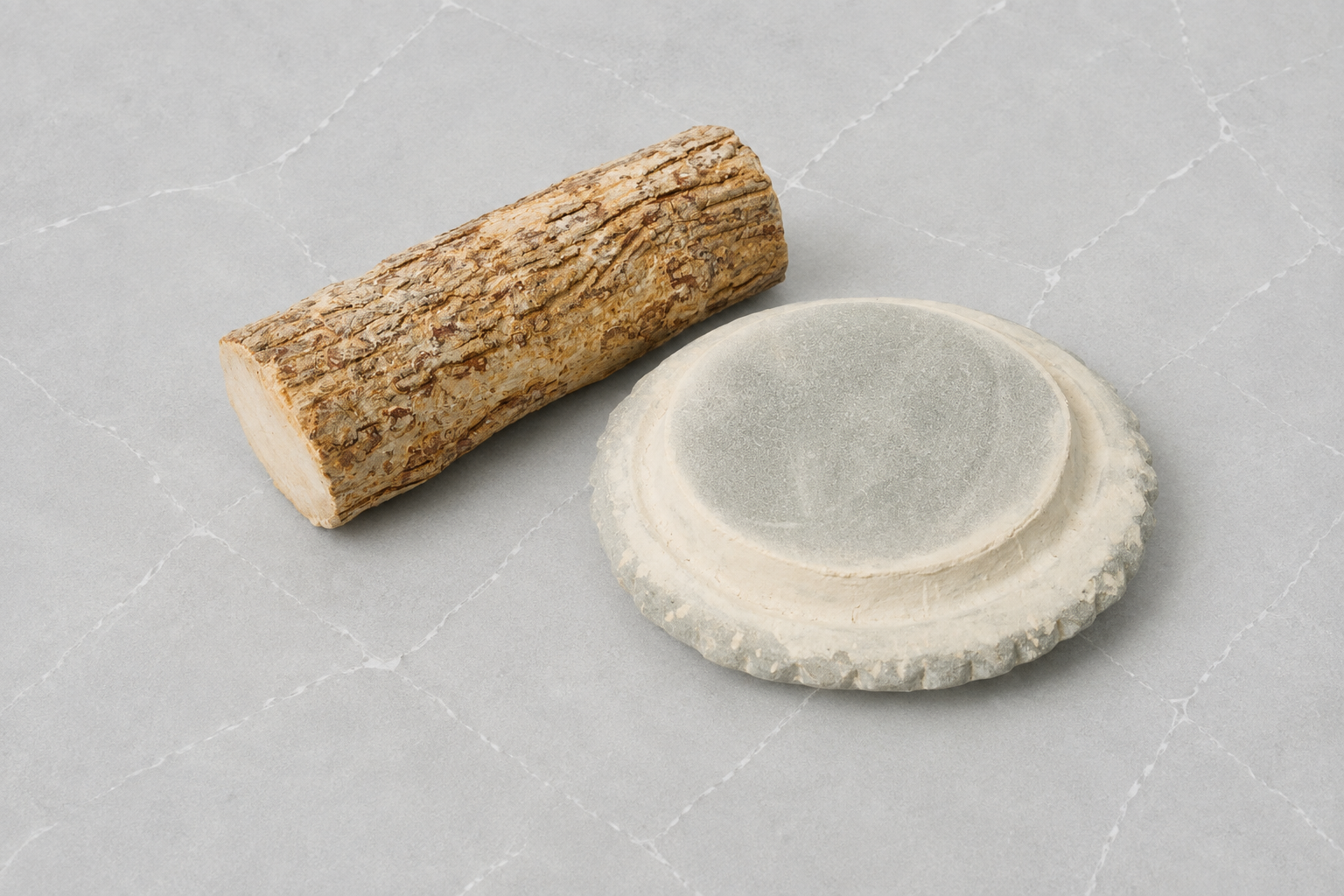
Sónakár Fara
Thanaka Slab
Sónakár Fara is a flat grinding stone used to prepare Thanaka, a traditional cosmetic paste applied to women's skin. The slab allows the Thanaka wood or bark to be rubbed against its surface with a little water, producing a fine paste ready for use on the face. This simple tool has long supported the everyday beauty practices of Rohingya women. Sónakár Fara remains part of the traditional grooming tools used to prepare Thanaka in Rohingya households today.
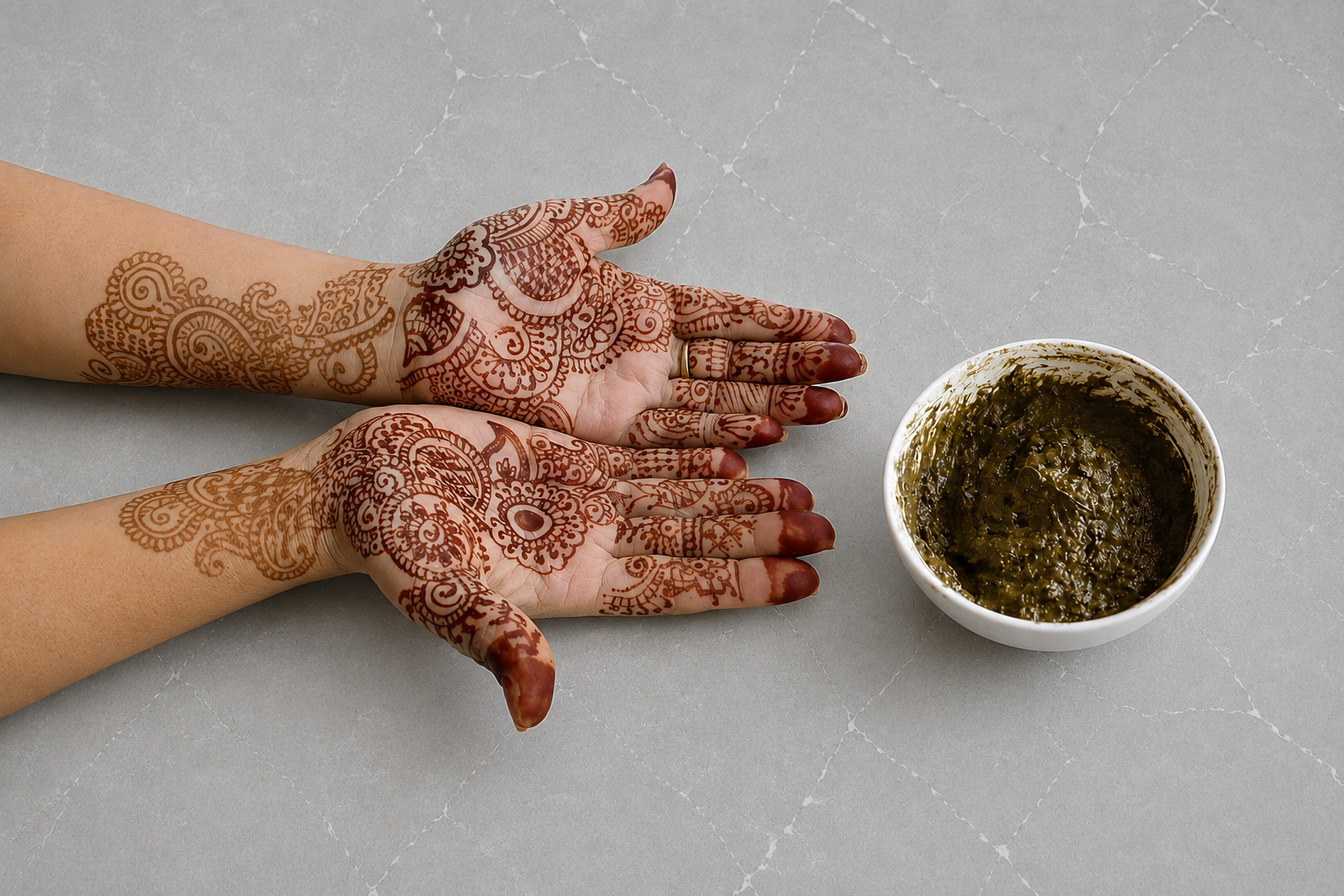
Mawdi / Mehdi
Henna
Mawdi refers to mehdi or henna, traditionally used to decorate women's hands with temporary reddish-brown designs made from the leaves of the henna plant. It is closely associated with weddings, Eid, and other celebrations, applied by women during social gatherings ahead of these events. Henna designs add a festive, decorative element to important occasions in Rohingya life. Mawdi remains part of Rohingya women's cultural practices today, especially during weddings and Eid celebrations.
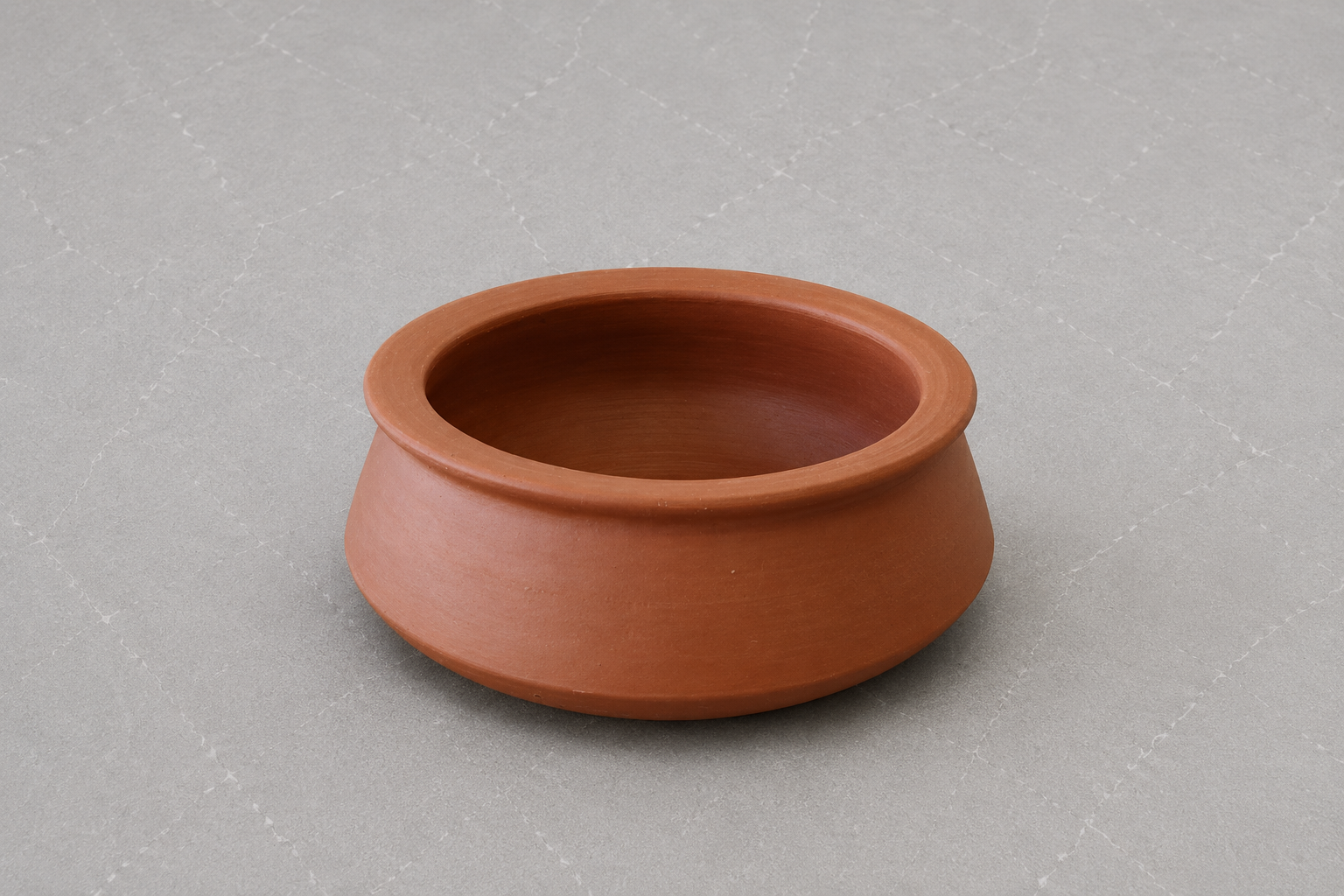
Foin
Steamer
Foin is a traditional clay steamer used for cooking rice cakes such as Dui Firá and Baat Firá, among other steamed dishes. Water is boiled inside the steamer while the food sits above it, allowing rising steam to cook the dish slowly and evenly. This method preserves the softness and moisture of rice-based snacks in a way that other cooking methods cannot. Foin remains an important tool in Rohingya kitchens today, especially for making traditional steamed sweets and snacks.
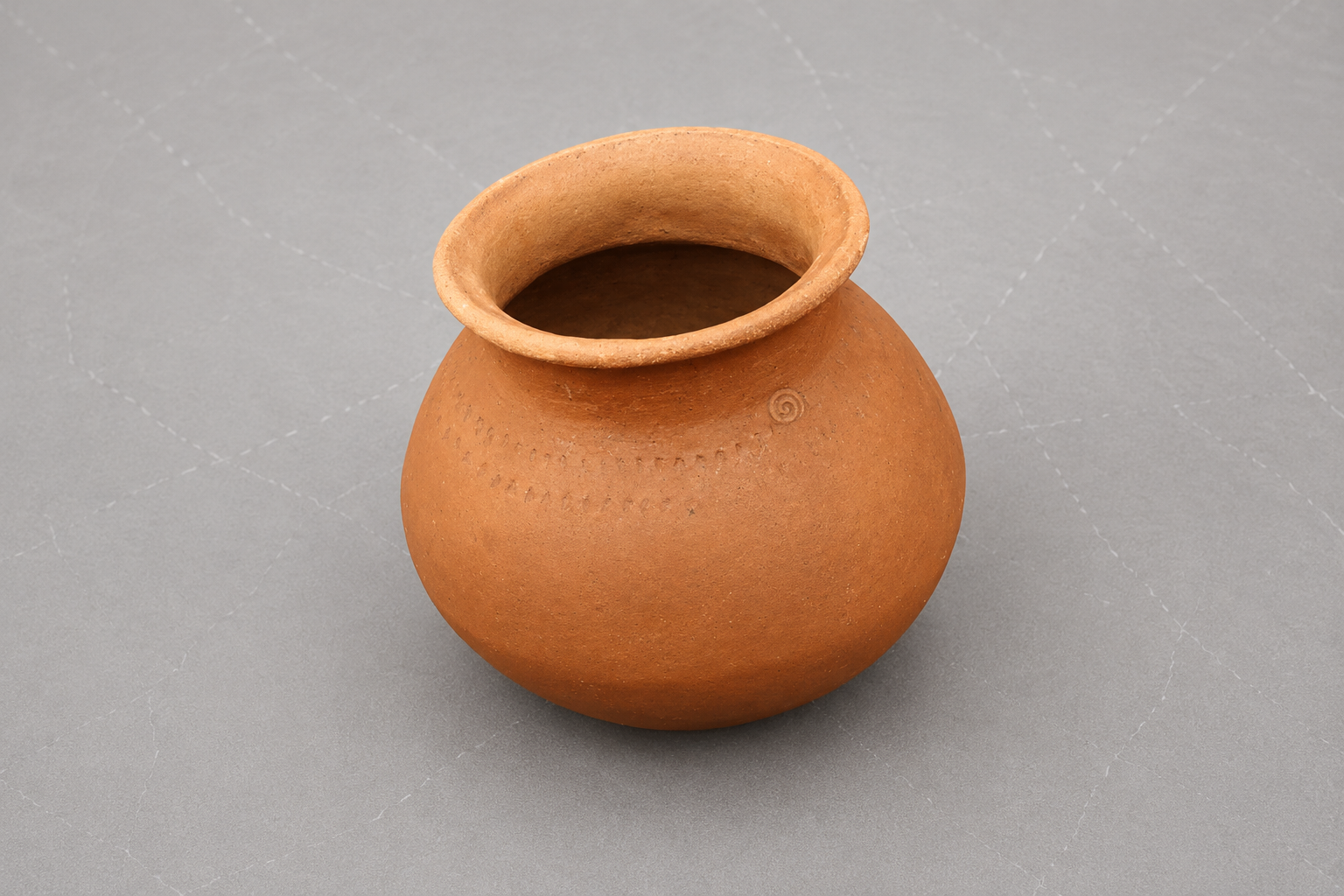
Doior Anree
Yoghurt Setting Pot
Doior Anree is a disposable clay pot used for setting yoghurt from milk and storing it afterward. The porous nature of clay helps the yoghurt set properly while keeping it cool, making it a practical tool before refrigeration was common. Once used, the clay pot could simply be discarded and replaced, unlike more expensive containers. This method reflects a resourceful, low-cost approach to food preparation. Doior Anree remains known in Rohingya households as part of traditional yoghurt-making practices.
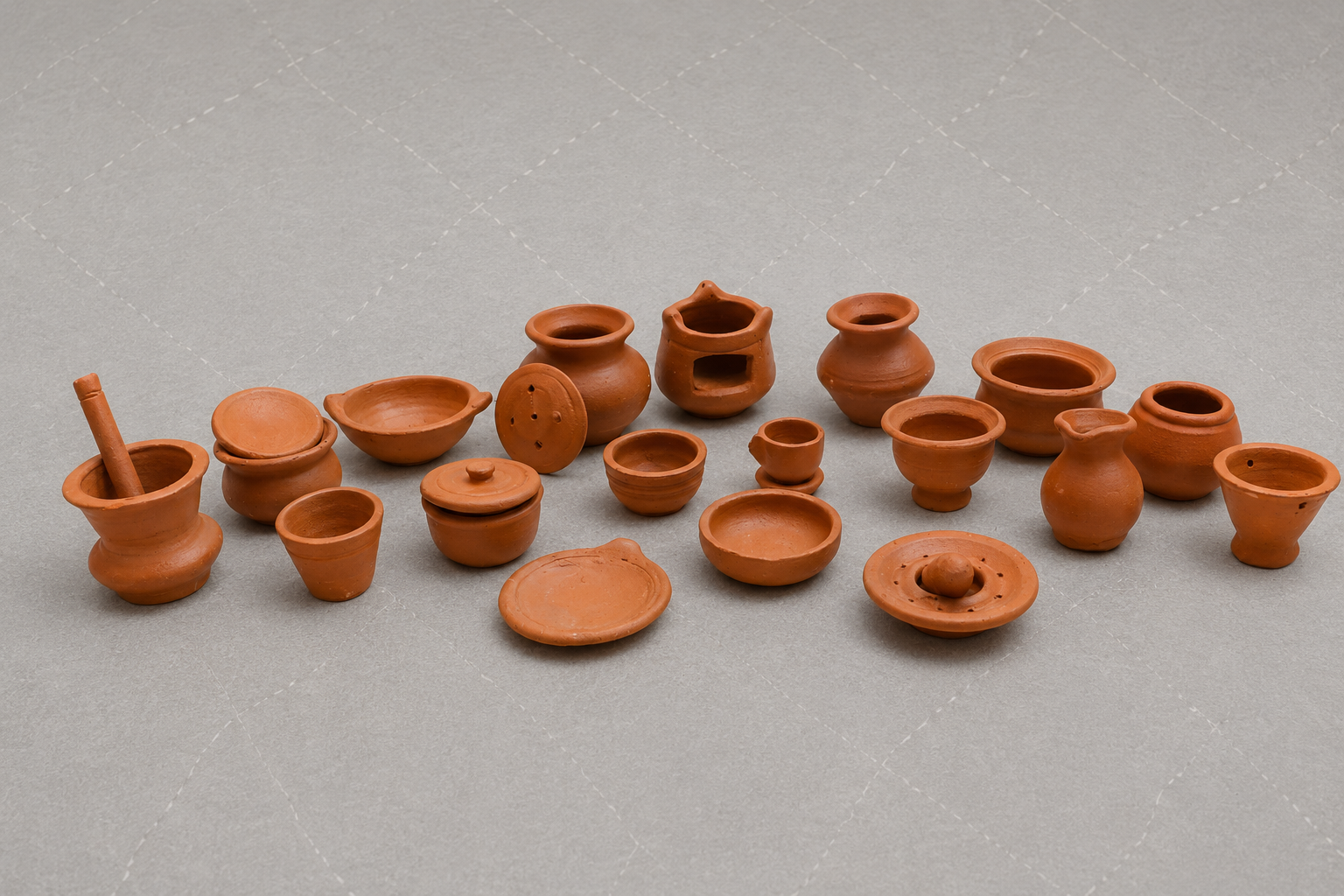
Madir Fathila
Clay Cups, Plates & Cooking Vessels
Clay cups, plates, and cooking vessels were commonly used in Rohingya households in earlier times, before steel and glass containers became widely available. Made from local clay, these items served daily needs for eating, drinking, and cooking, and were affordable and easy to replace when broken. Their use reflects a period when families depended on materials found close to home rather than manufactured goods. Clay dishware is now mostly remembered as part of earlier Rohingya household life, though some items are still kept and used today.
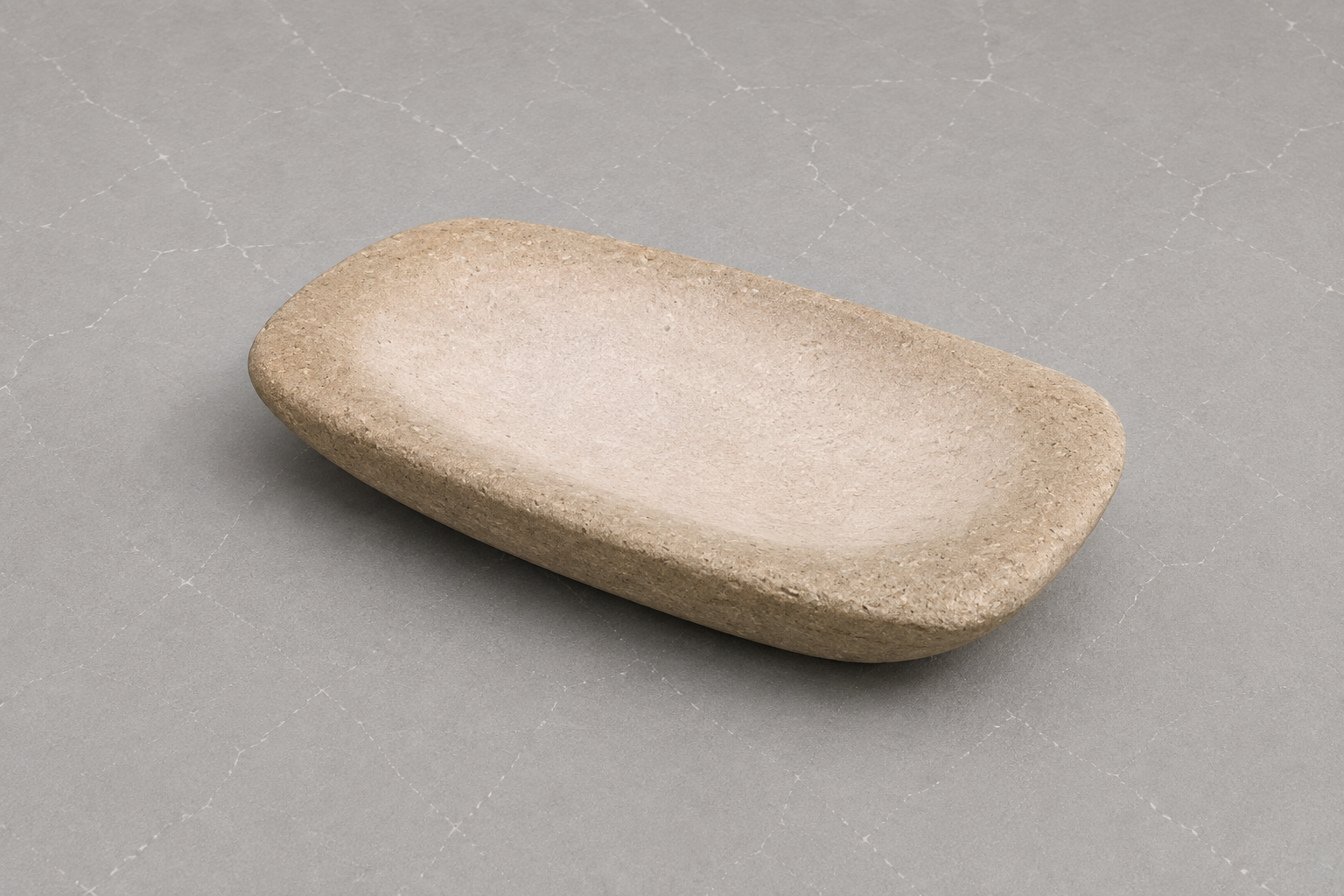
Faara
Stone Muller
Faara is a flat stone tool used to grind dried chilli for making curry, as well as other spices needed in daily cooking. Grinding by hand with a stone muller required effort and time, but it produced a fresh paste with a strong, well-blended flavor. Before electric grinders became available, tools like Faara were essential in every Rohingya kitchen. It remains a recognized traditional cooking tool, remembered as central to how curries were once prepared.
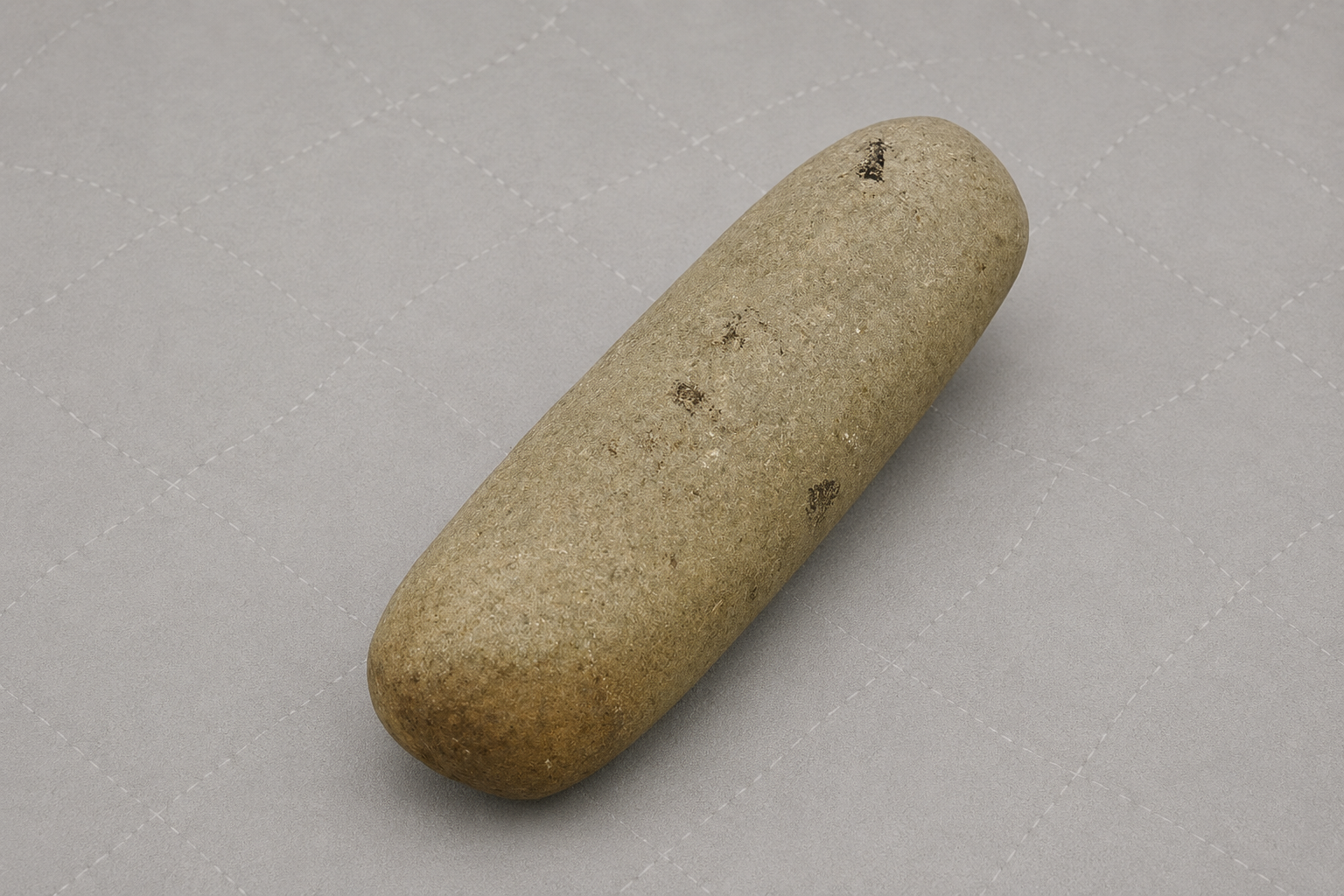
Utha
Grinding Stone
Utha is the smaller, hand-held stone used together with the Faara to smash and grind dried chilli and other spices into a fine curry paste. Held in the hand and pressed or rolled against the flat surface of the Faara, it does the actual crushing work while the Faara provides the base. Using the Utha took practice and physical effort, but it broke down the chilli evenly to release its full flavor. Before electric grinders became common, no Rohingya kitchen was complete without a Faara and Utha set. It remains a recognized traditional cooking tool, remembered as a daily part of preparing curry by hand.
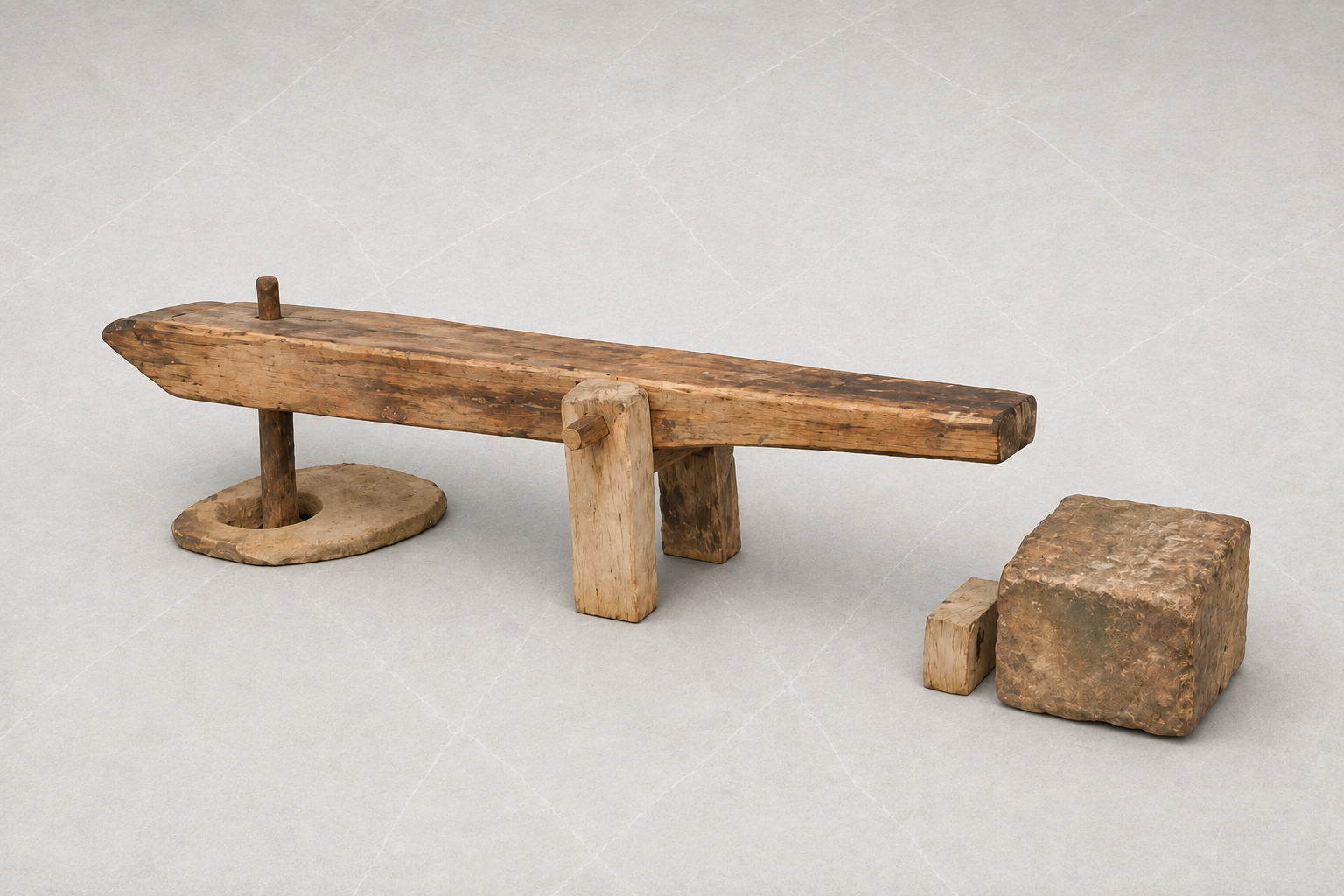
Deñ
Husking Pedal
Deñ is a husking pedal used to grind rice into flour for making cakes such as Dui Firá, and sometimes used to grind chilli and other spices as well. Operated by foot pressure, it allowed families to process their own rice at home rather than relying on outside mills. This tool played an important role in preparing many traditional rice-based dishes. Deñ remains part of Rohingya traditional kitchen equipment, tied closely to homemade rice flour and snack preparation.
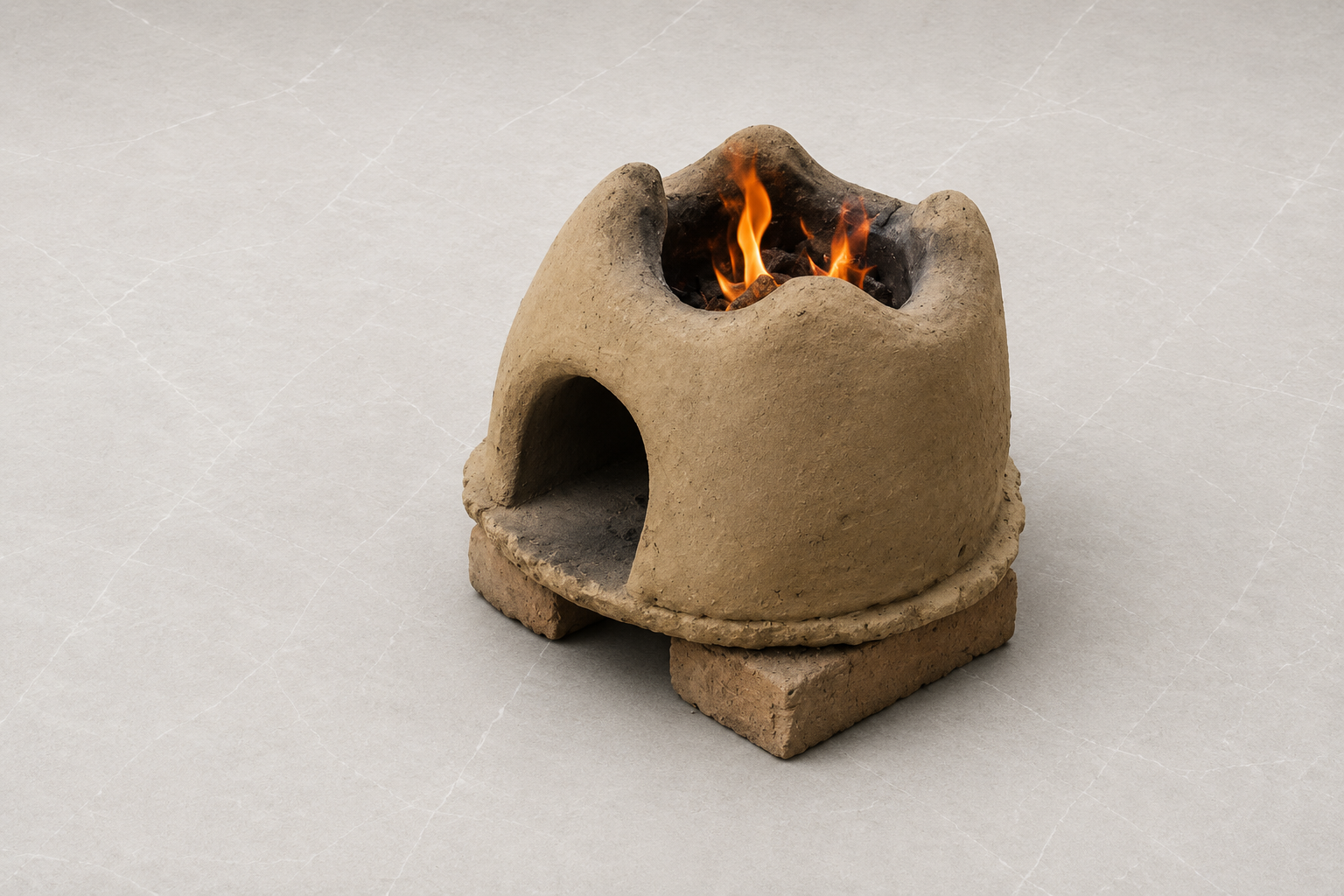
Medír Sula
Mud Stove
Medír Sula is a stove made of mud, used for cooking with dry wood as fuel. Built by hand from local mud and clay, it served as the main cooking setup in many Rohingya households before gas and electric stoves became common. Its simple design made it easy to build and repair using materials readily available at home. Medír Sula remains a recognized part of traditional Rohingya kitchen life, remembered as the primary cooking tool of earlier generations.
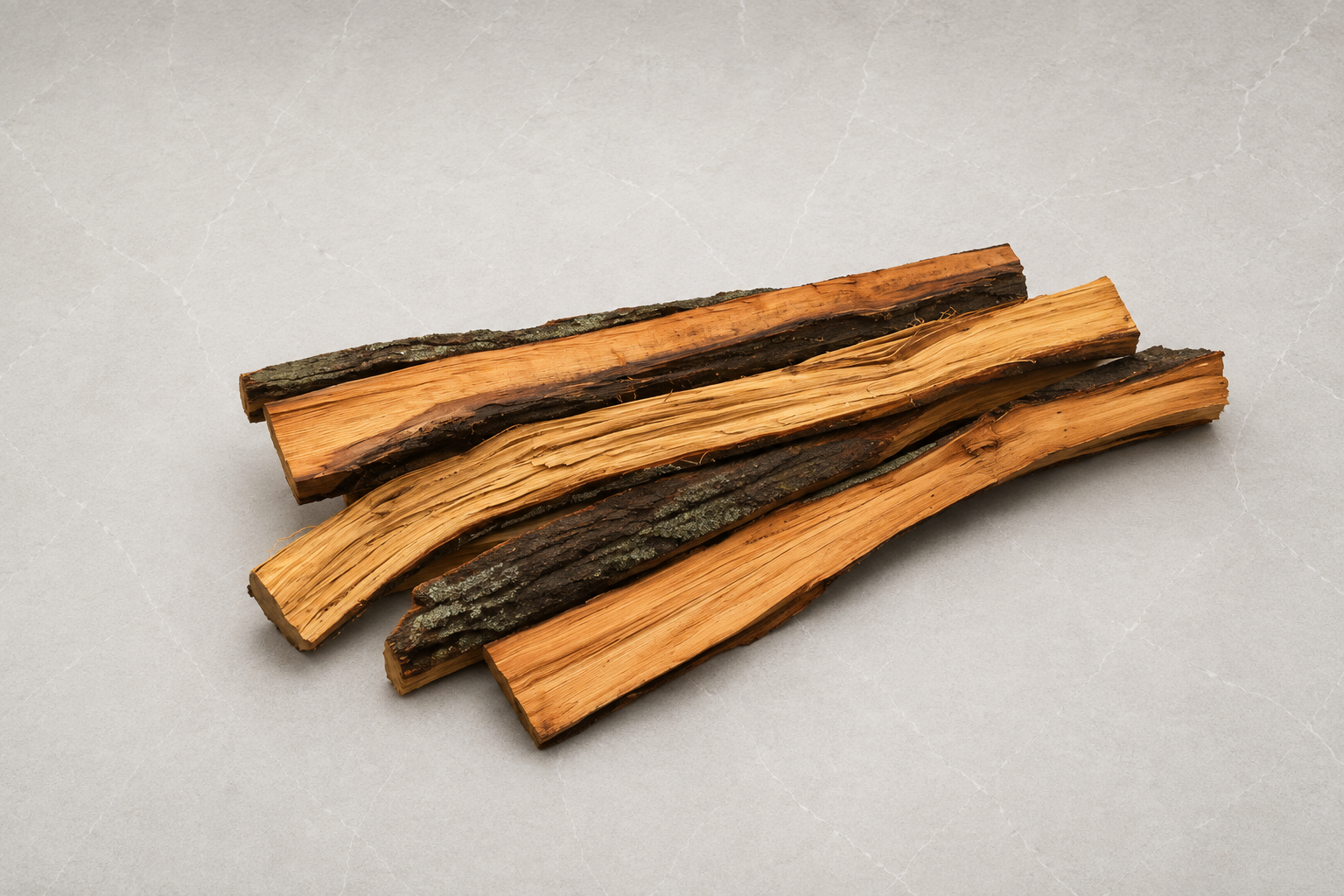
Dar Gua
Firewood
Dar Gua is firewood gathered and used for daily cooking, an essential fuel in Rohingya kitchens before gas and electric stoves became common. Since Arakan is a hilly, forested region, wood was always within easy reach for most families, making firewood a natural, affordable fuel source. Some Rohingya also collected and sold firewood as part of their daily income, turning a household need into a small trade. Dar Gua remains part of Rohingya cooking tradition, tied closely to the region's forested landscape and rural way of life.
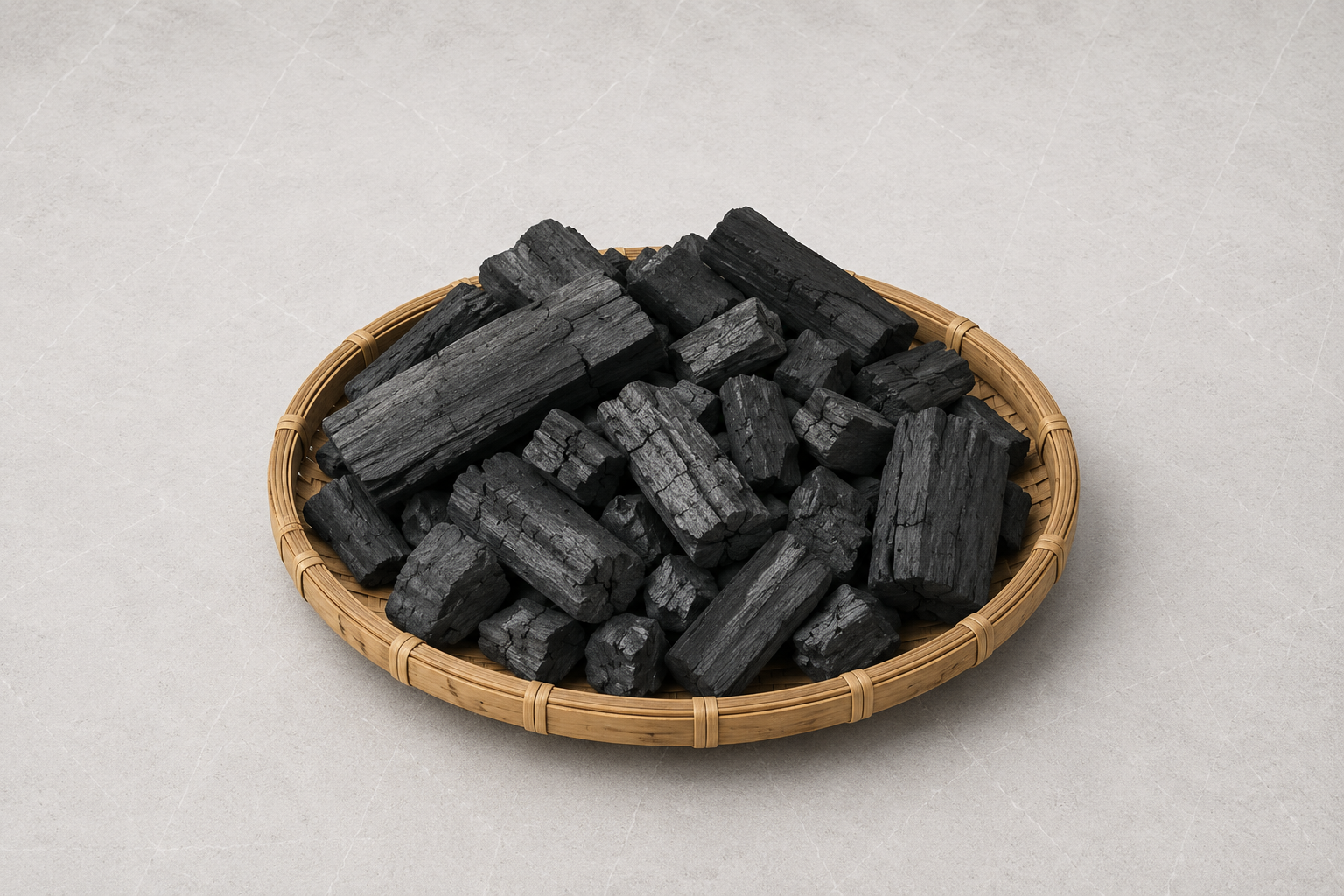
Anra
Charcoal
Anra, or charcoal, was used for two main everyday tasks in Rohingya households: ironing clothes and cooking. Before electric irons became available, heated charcoal was placed inside traditional iron boxes to press clothes smooth. Charcoal was also burned in stoves for cooking, offering a steady, controllable heat source. As a simple fuel that could be made and stored at home, Anra played a practical role in daily household work. It remains remembered as an essential fuel from earlier Rohingya household life.
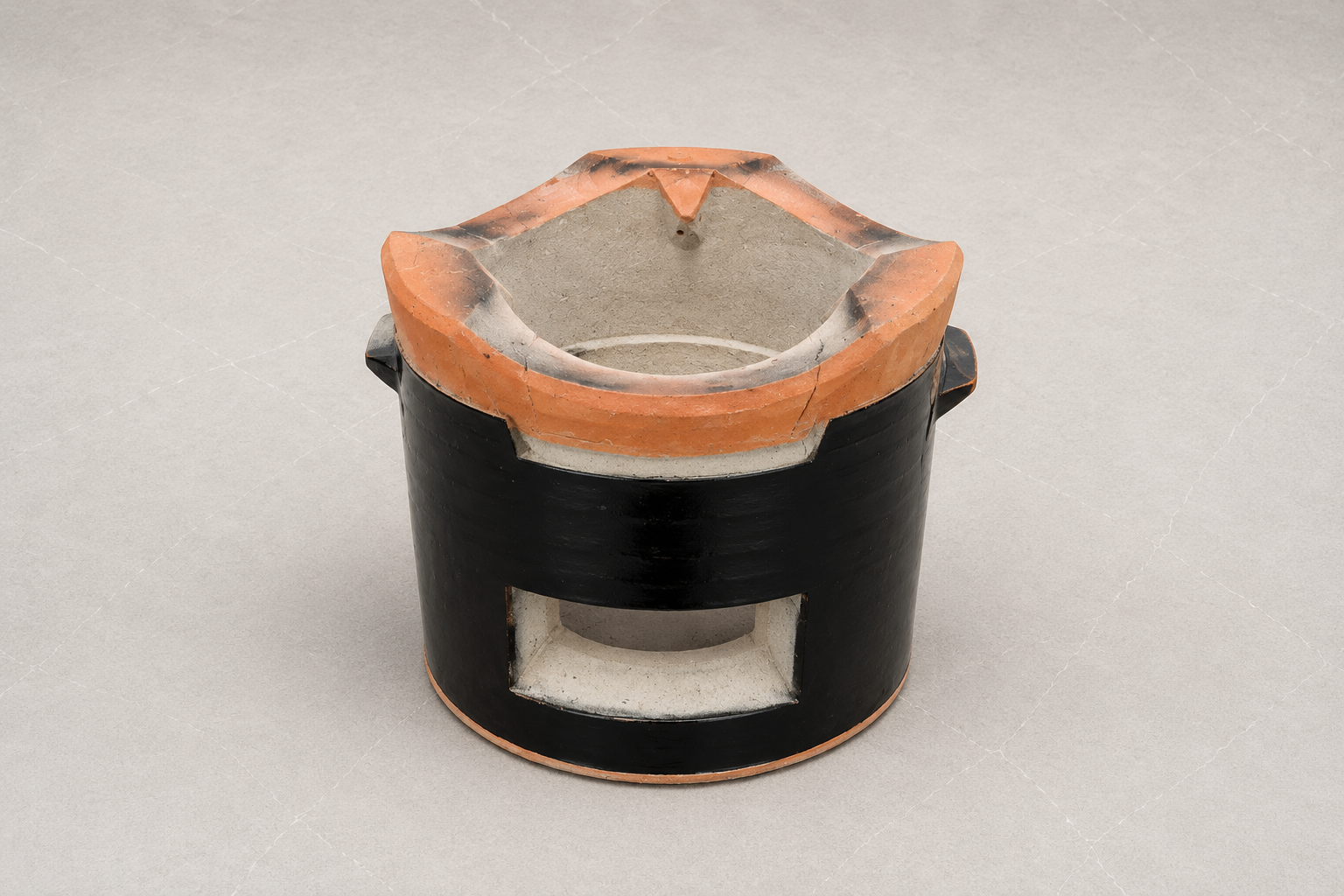
Anarar Sula
Charcoal Stove
Anarar Sula is a charcoal-burning stove used for cooking in Rohingya households before gas and electric stoves became common. Charcoal was placed inside the stove and lit to provide a steady source of heat, allowing food to be cooked slowly and evenly. This type of stove offered more control over heat than an open wood fire, making it useful for dishes that needed careful cooking. Anarar Sula remains part of Rohingya traditional kitchen equipment, remembered as an important step between open-fire cooking and modern stoves.
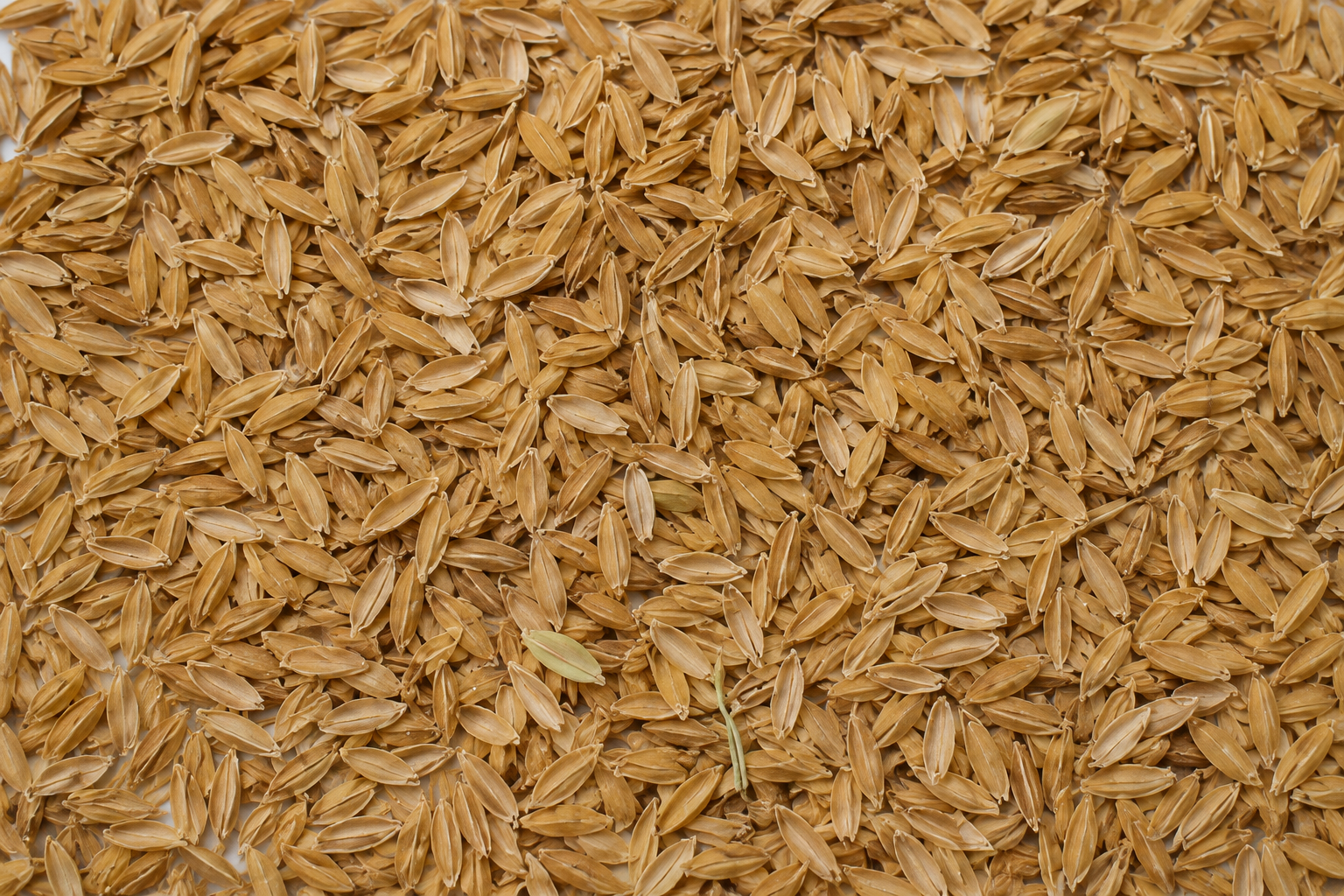
Tush
Rice Hull
Tush, or rice hull, is the husk left over after rice is processed, and it was put to use as a cooking fuel in Rohingya households. Since Arakan has long been an agricultural region built around rice farming, rice hull was always available in large amounts, making it a practical and low-cost fuel source. Families burned it in a specially designed stove rather than letting it go to waste after harvest. Tush reflects how Rohingya households made full use of what their farming produced, and it remains remembered as part of traditional rural cooking.
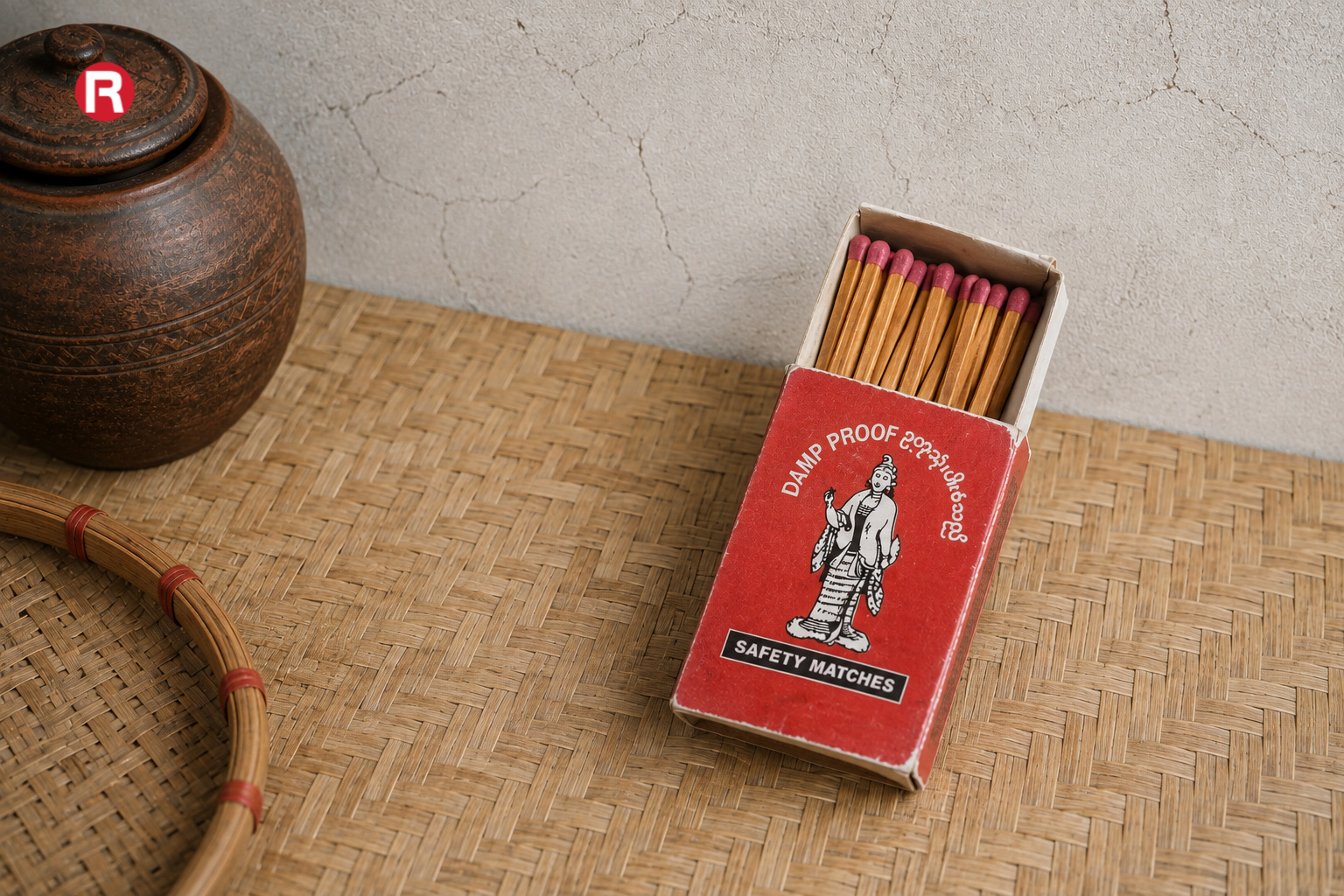
Borra
Matchstick
Borra means a matchstick, one of the simplest ways Rohingya households produced flame before gas lighters became common and affordable. Matches were used to light Fánoc, Sarak, cooking fires, and other traditional flame sources, as well as for smoking. As a small but essential household item, matchsticks were closely tied to everyday activities requiring fire, particularly cooking and lighting the home at night.
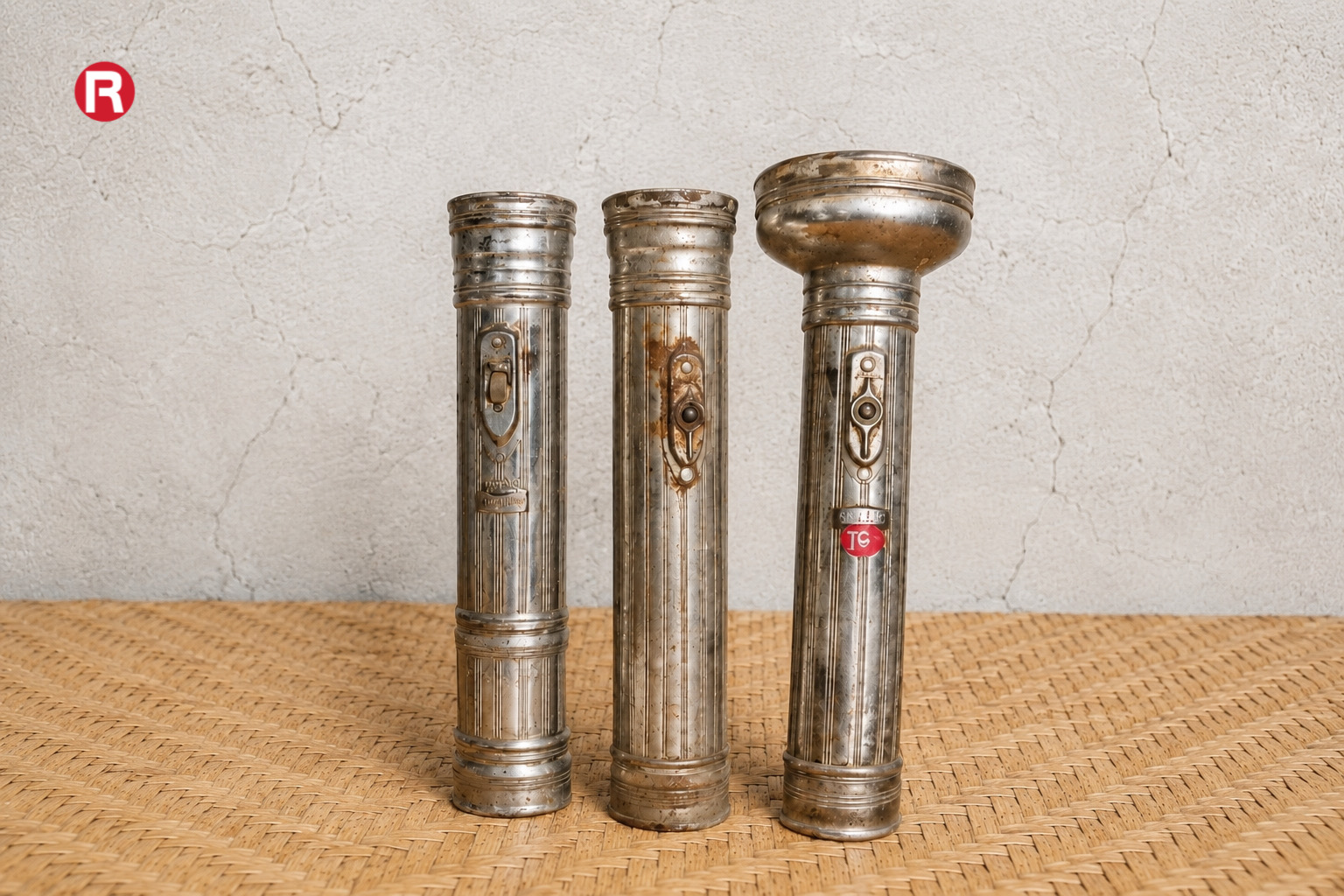
Bor Batti
Big Light
Bor Batti, meaning big light, was a large battery-powered portable light used by Rohingya communities in Arakan when access to electricity was limited or unavailable. It required a relatively large battery, giving it a stronger and more practical source of light than smaller handheld lights, and was used at night inside and around the home. For many families, such battery-powered lights became part of everyday life during the period before reliable electricity reached many communities.
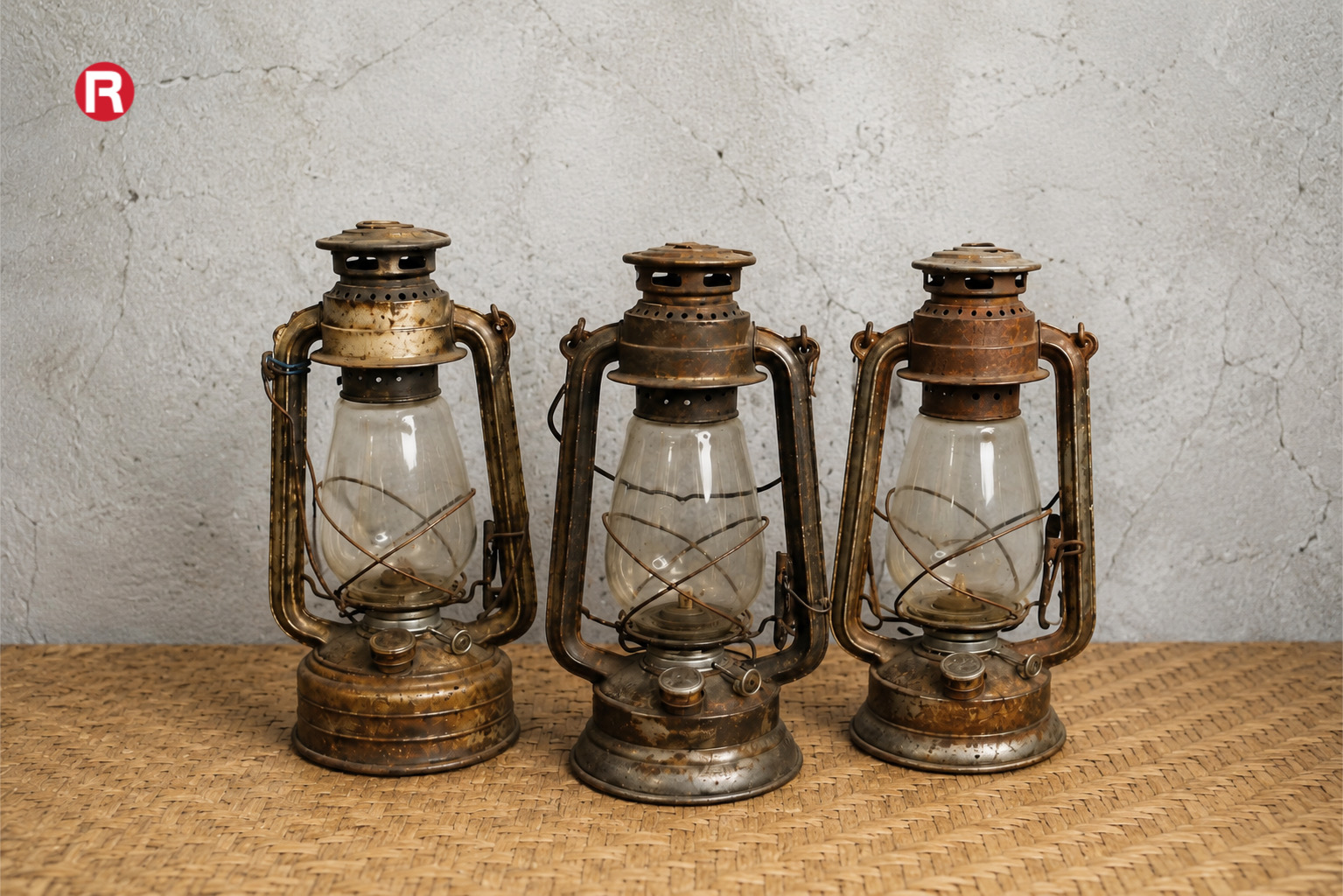
Fánoc
Kerosene Lantern
Fánoc was a kerosene-burning lantern used by Rohingya households as a source of light at night, known in English as a kerosene lantern or hurricane lantern. Its glass enclosure protected the flame from wind, making it useful both inside the house and outdoors. In Arakan, where electricity was not widely available and kerosene was more accessible, Fánoc served as an important source of light, helping students read and study after dark.
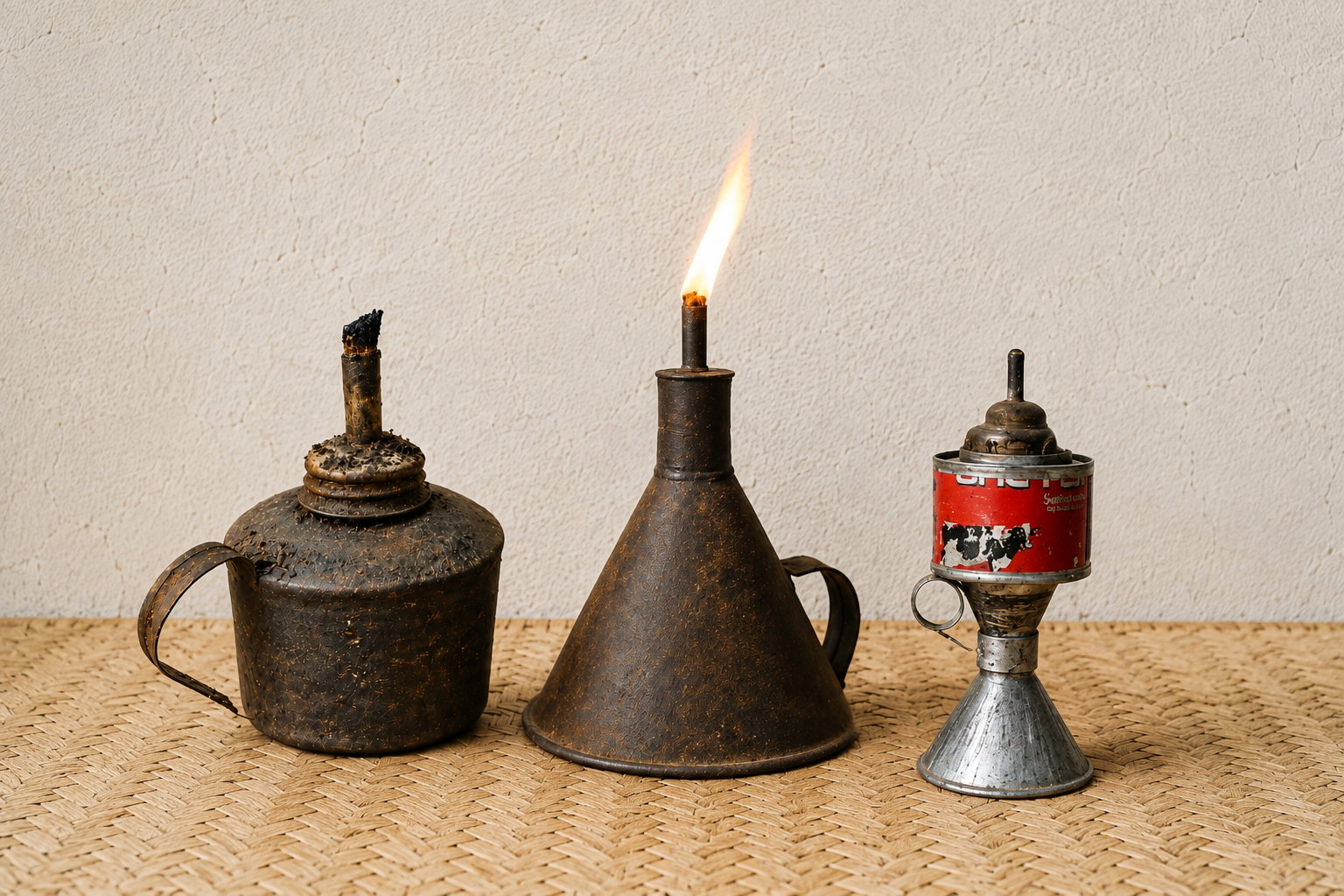
Sarak
Simple Kerosene Lamp
Sarak was a simpler type of kerosene lamp used for household lighting, coming in different shapes and often made from inexpensive metal containers or reused cans. Unlike the enclosed Fánoc, many Sarak lamps had no protective glass chimney around the flame, relying on a basic wick and kerosene fuel. Because they could be made cheaply from available materials, Sarak lamps were useful in homes where more elaborate kerosene lanterns were unavailable.

Fart
Wooden Low Seat
Fart is a small, low wooden seat traditionally used in the kitchen, especially by children during lunch and dinner. Since wood was a common material used for building homes, families often used the smaller leftover pieces from construction to make simple seats like this rather than letting them go to waste. Giving children their own low seat in the kitchen was a natural, practical part of family mealtimes. Fart remains remembered as a simple, resourceful piece of traditional Rohingya household furniture.

Lurifirar Fart
Long Lower Seat
Lurifirar Fart is a long, low wooden seat similar to the Fart but wider and longer, often measuring around three feet by one foot. It was traditionally used while making Firá, such as Luri Firá and Gura Firá, giving women a comfortable, stable place to sit through the longer process of preparing these rice cakes. Its wider surface made it practical for working with dough and other food while seated. Lurifirar Fart remains remembered as a traditional piece of furniture tied to Rohingya food preparation.

Melan Sunwa
Rice Cake Roller
Melan Sunwa is a traditional wooden roller used in the preparation of Firá, such as Luri Firá and other rice cakes. Its ribbed, cylindrical body was used to roll and shape dough during food preparation, giving women a practical tool for working the dough evenly and consistently. Melan Sunwa was often used together with the Lurifirar Fart, providing a stable seated setup for the longer process of preparing these rice cakes. Melan Sunwa remains remembered as a traditional tool tied to Rohingya food preparation.
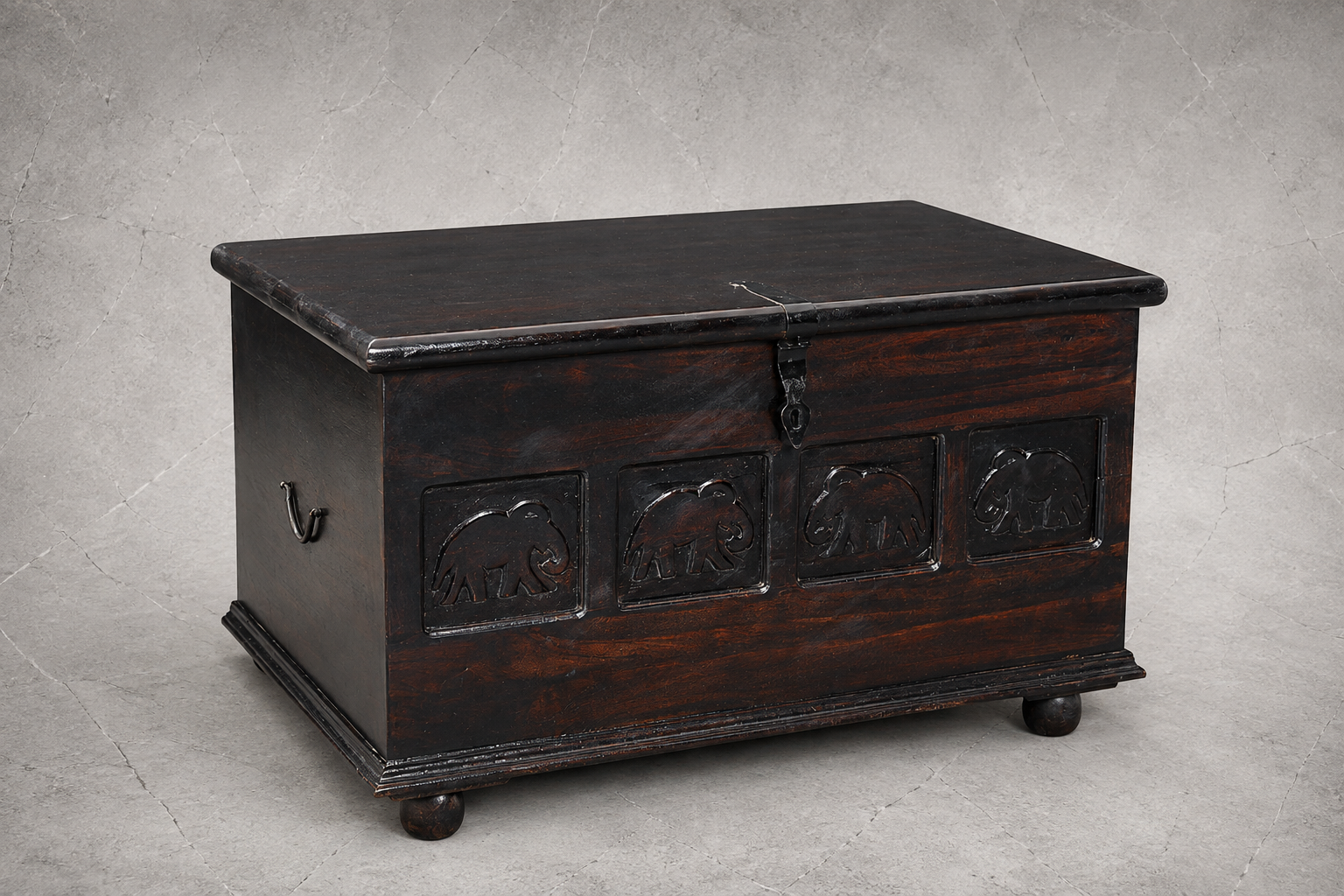
Son Duk
Big Wooden Box
Son Duk is a large wooden box traditionally used to store valuable belongings such as clothes and other household items. Before modern cupboards and storage boxes became widely available, families relied on sturdy wooden chests like this to keep their possessions safe and organized. Made and sized to hold a household's more important items, the Son Duk often held a place of importance within the home. It remains a recognized piece of traditional Rohingya household furniture, remembered as an early form of home storage.
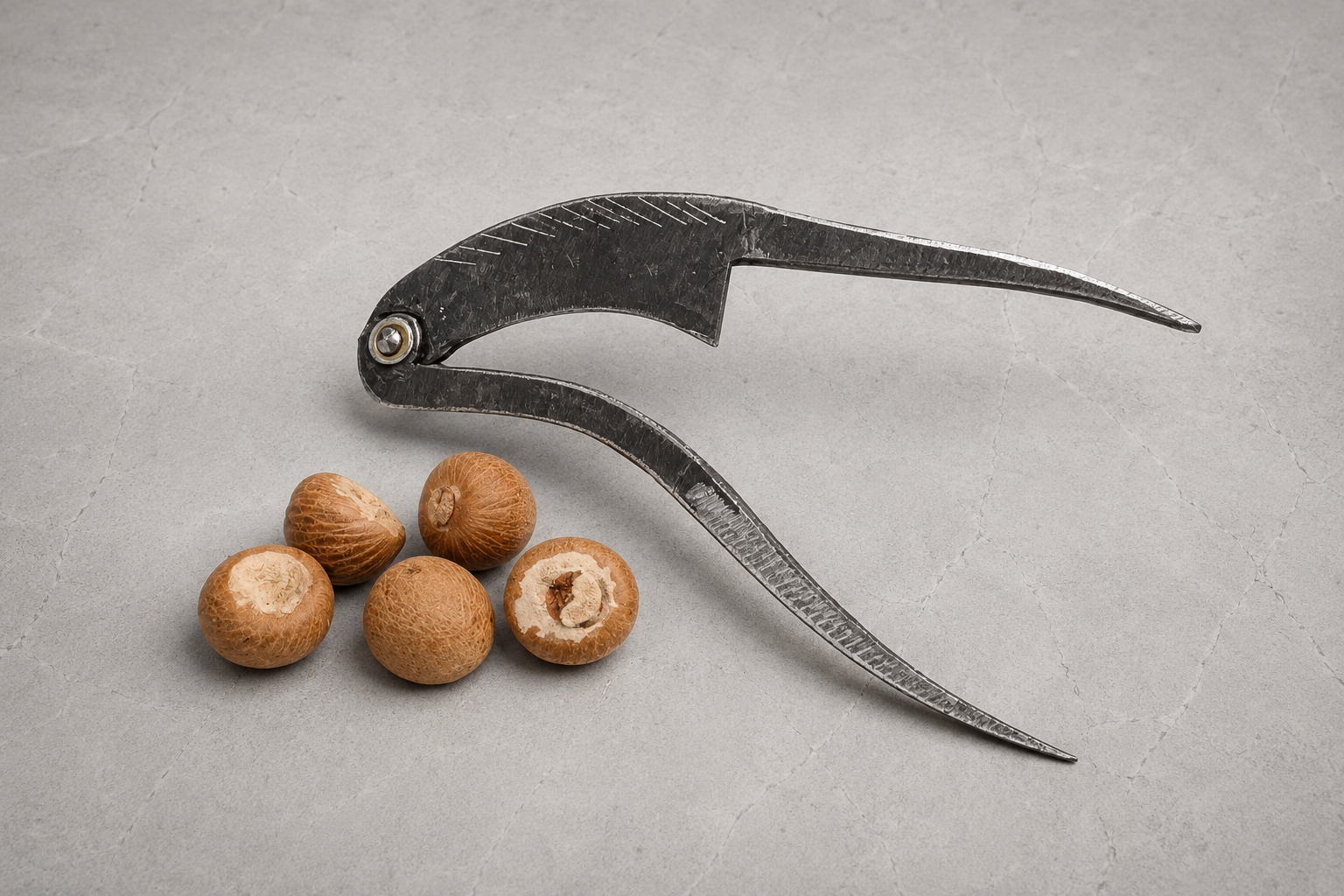
Soratha
Sarota
Soratha, or sarota, is a hand tool used for cutting betel nuts, an important tool given how common eating betel is within Rohingya communities. Betel is usually eaten after a meal, and the Soratha allowed the hard nut to be sliced into smaller, more manageable pieces before chewing. Its simple, scissor-like design made it a practical and commonly owned household tool. Soratha remains part of Rohingya household culture, tied closely to the everyday habit of eating betel after meals.
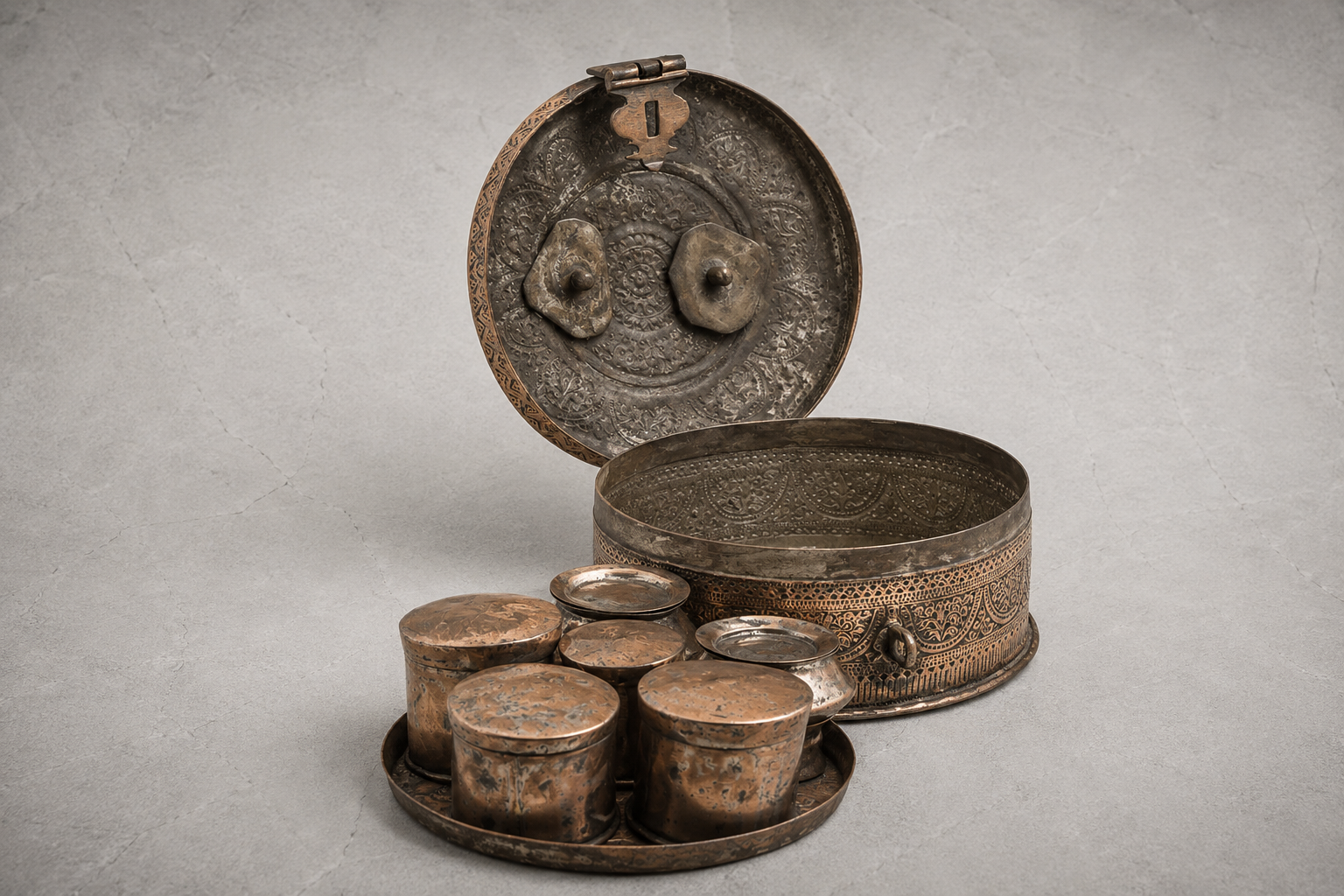
Fanor Kuttha
Betel-Leaf Box
Fanor Kuttha, or betel-leaf box, is found in many Rohingya homes. It is used to hold betel leaf, betel nut, and the other ingredients needed for chewing betel, keeping everything together in one place for those who eat it as part of daily life. Betel chewing remains common among Rohingya, especially elders, making the Fanor Kuttha a familiar household item. It stands as a reminder of Rohingya heritage, carried along with communities wherever they go, including in camp shelters today.
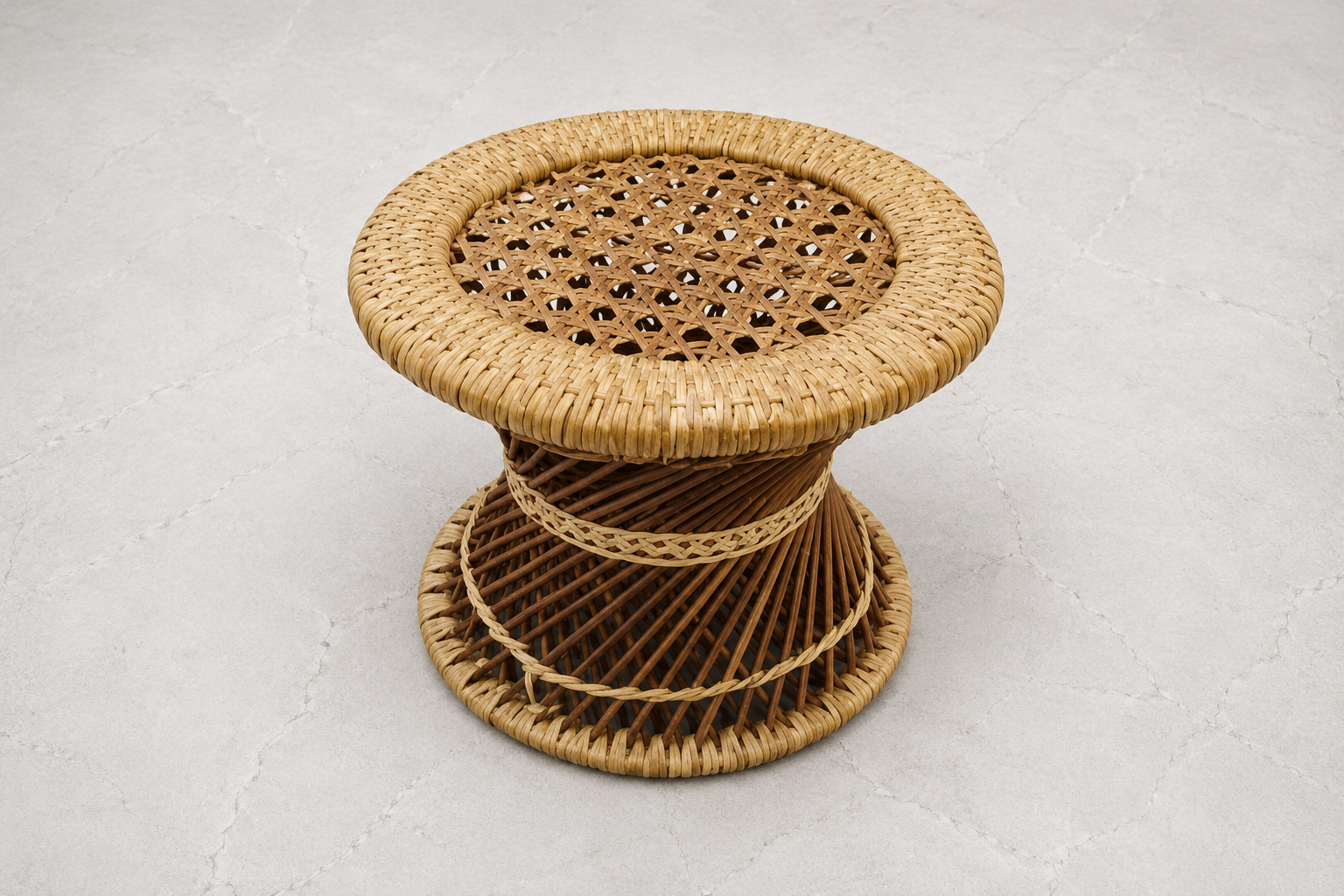
Mura
Bamboo Stool
Mura is a backless, spool-shaped stool made from bamboo or cane and reinforced with rope for extra strength. Light, portable, and easy to store, it offered a simple and practical seating option for everyday household use. Because it could be made from materials found close to home, mura was an accessible piece of furniture for many Rohingya families. It is still made and used today, including within refugee camps, where Rohingya people continue to weave muras for daily use. Mura remains a recognized item of traditional Rohingya bamboo craft.

Hadira
Wooden Lounge Chair
Hadira is a lounge chair or bench traditionally kept in front of Rohingya homes to seat visiting guests. Usually made from wood, it reflects the value Rohingya households place on welcoming guests comfortably outside the home. Having a hadira set out front made it easy to greet and sit with neighbors or visitors without needing to invite them fully inside. Smaller versions have also been made from cane. Hadira remains part of Rohingya hospitality tradition, tied closely to how guests are received and seated.
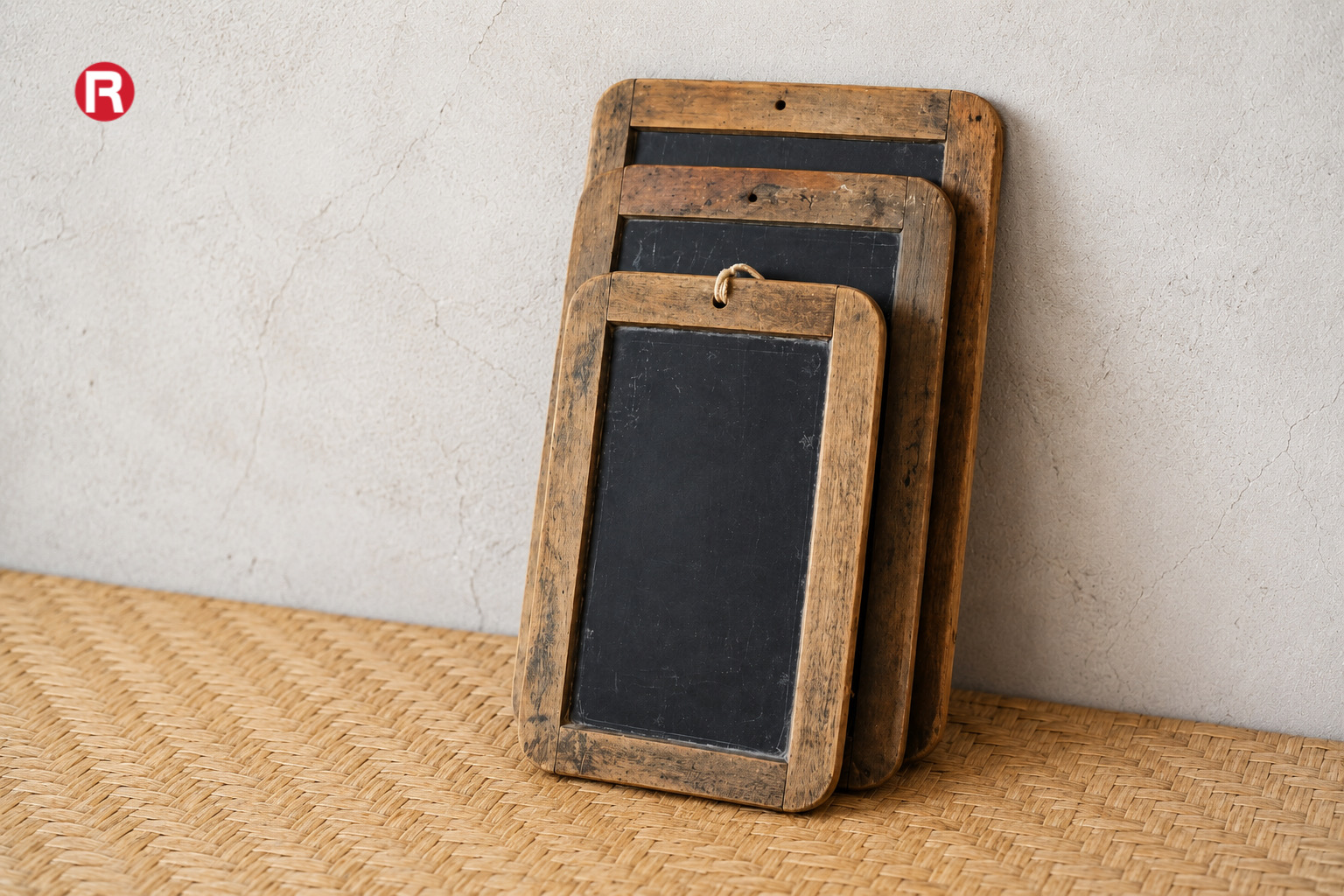
Shilot
Writing Slate
Shilot was a small writing board used by children for learning and practising writing, similar to what is known in English as a writing slate or school slate. Children wrote on its dark surface with chalk or a slate pencil, then erased their work to use it again, avoiding the need for constant paper. For Rohingya children in earlier generations, Shilot served as a practical learning tool when books and paper were not always available. It remains remembered as an important early education tool.
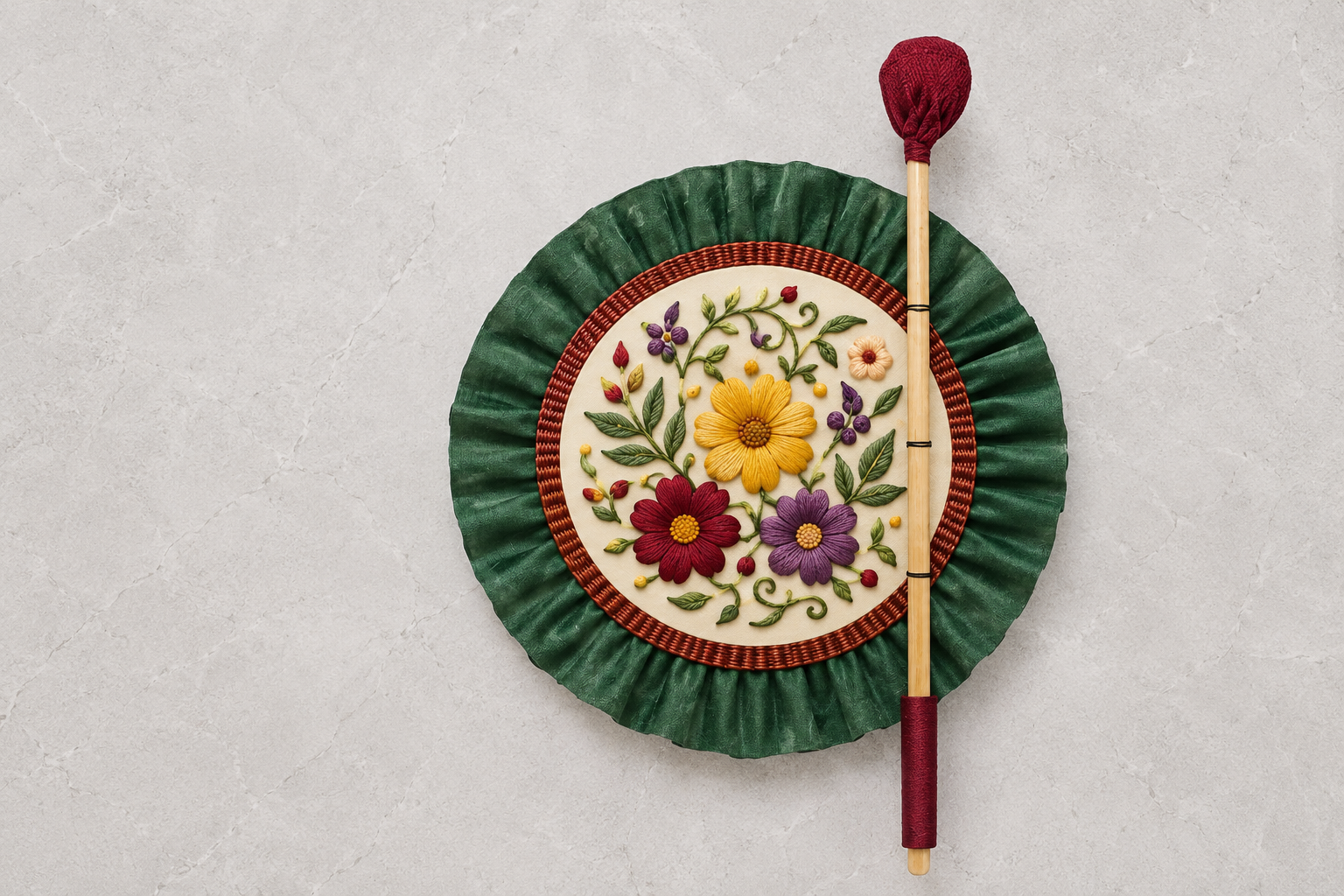
Fulór Besoin
Cloth Flower Fan
Fulór Besoin is a hand fan made using floral embroidery on flexible fabric pieces shaped into circular or oval forms, decorated by hand with colorful threads. Unlike the leaf-based fan, this version highlights needlework and embroidery skill, turning a practical cooling tool into a decorative craft piece. Fans like this reflect how everyday household items in Rohingya culture often carried artistic detail alongside their practical use. Fulór Besoin remains part of traditional Rohingya handmade craft.

Kurar Soong
Chicken Coop
Kurar Soong is a chicken coop, a temporary bamboo cage built to keep chickens from wandering off and to protect them from predators. Made from woven bamboo, it offered a simple, low-cost way for Rohingya households to raise poultry safely at home. Keeping chickens this way supported everyday food needs, since poultry could be raised for both eggs and meat. Kurar Soong reflects the practical, resourceful approach found throughout traditional Rohingya household and farming items. It remains a recognized part of everyday household life in Rohingya communities.
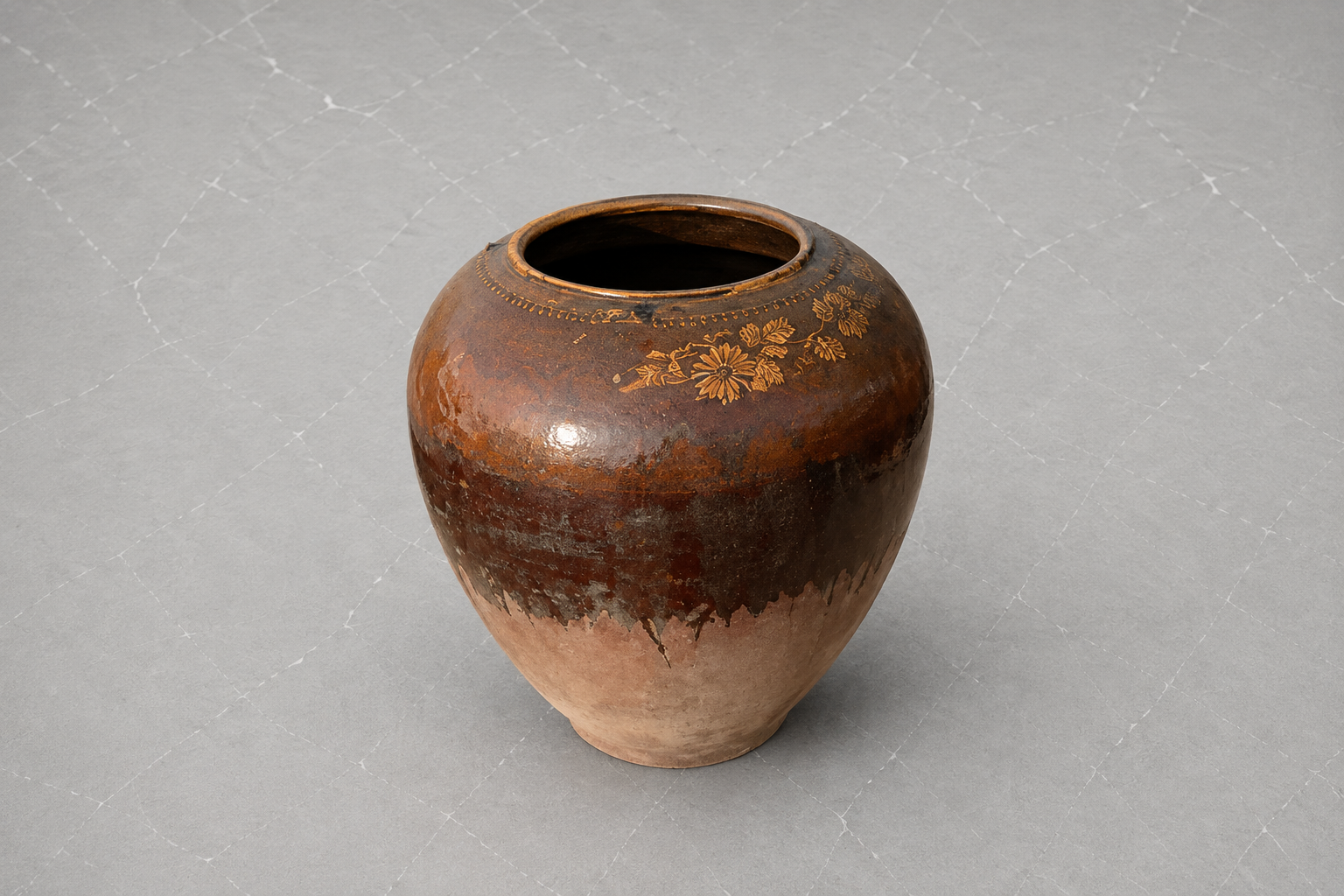
Motka / Seyo
Large Water Vessel
Motka, also called Seyo, is a large water vessel traditionally used to store water for household use, often shared among family members or even neighbors. Before piped water systems became common, families relied on such large containers to keep a steady supply of water at home. Its size made it practical for storing enough water to last through daily cooking, cleaning, and drinking needs. Motka remains a recognized traditional item in Rohingya households, standing as a reminder of how water used to be stored.
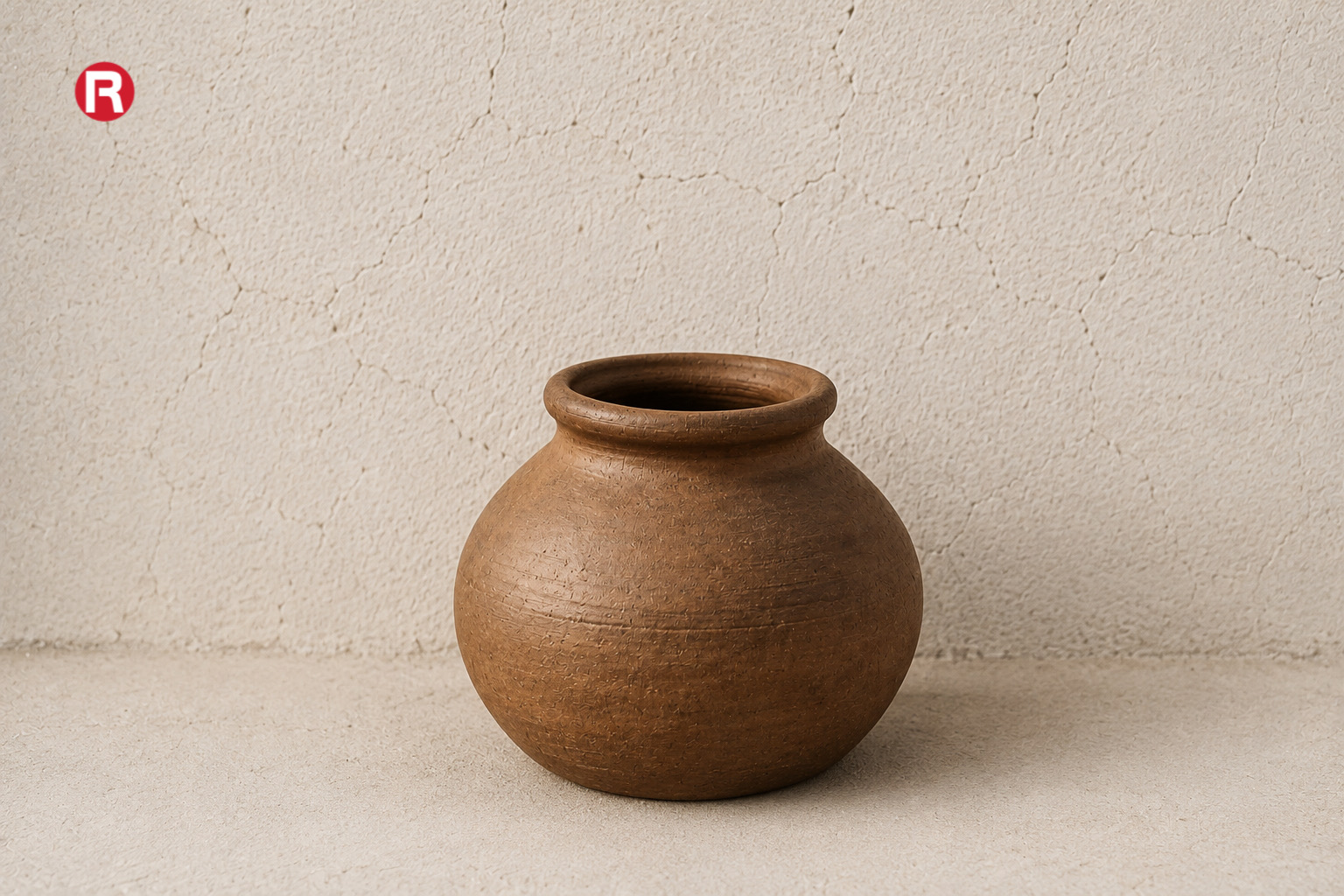
Meitta Gora / Madir Gora
Earthen Water Pot
Meitta Gora, also called Madir Gora, is a traditional water pot made from clay or earth, used before metal containers such as steel vessels became widely available. The porous clay allows a small amount of moisture to evaporate through the surface, helping keep the water relatively cool in a hot climate. For Rohingya households, this mud pot was a practical part of everyday life, particularly for storing and cooling drinking water.

Fať Kua
Dug Well
Fať Kua is a hand-dug well used to reach fresh water for drinking and other daily needs. Before modern deep wells that draw water from far underground became common, Rohingya communities relied on wells like this, dug by hand to reach the water table close to the surface. These wells served as an essential water source for households and were often shared among neighboring families. Fať Kua remains a recognized part of traditional Rohingya water culture, tied to a time when drilling deep wells was not yet possible.
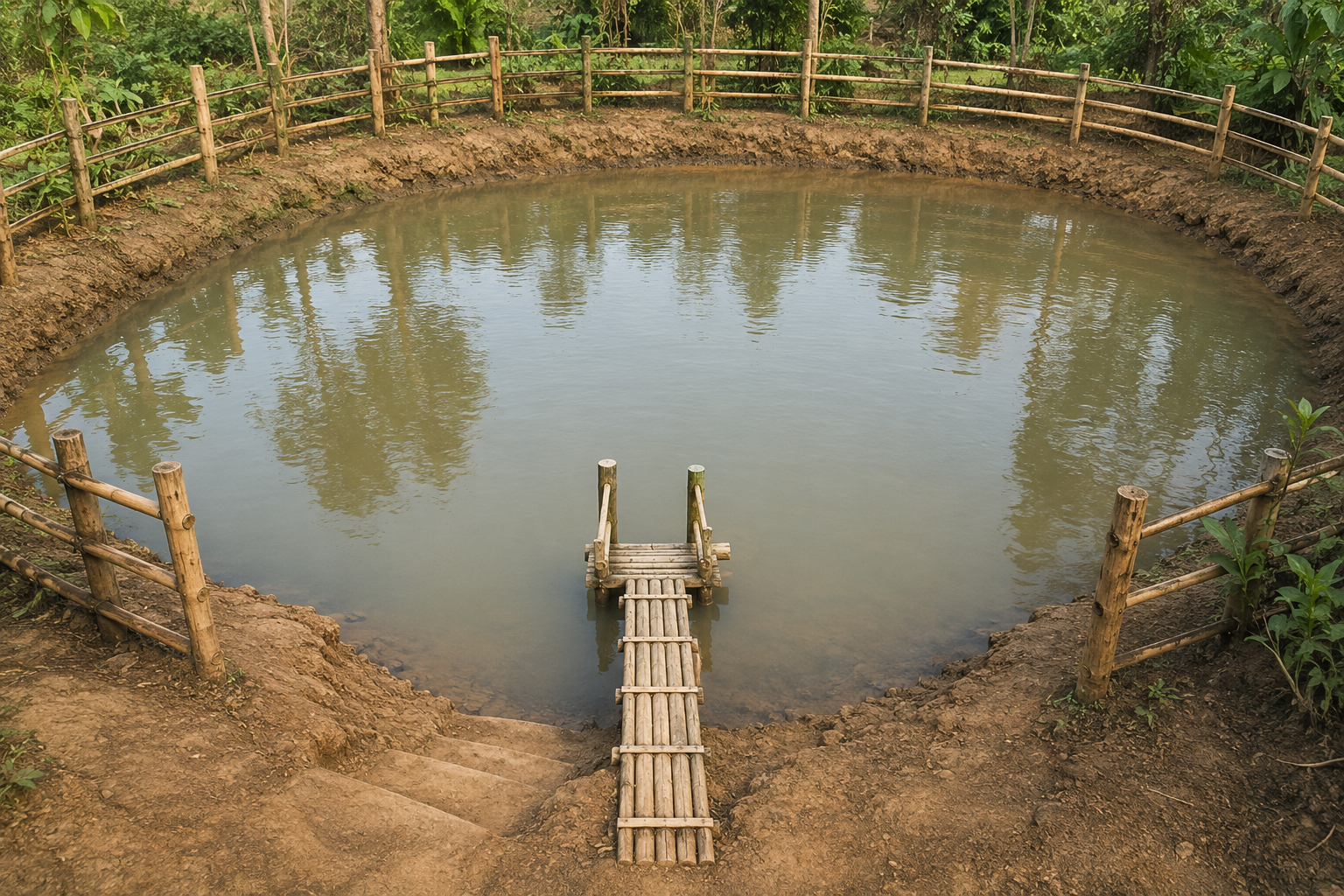
Foór
Village Lake
Foór refers to a lake used as a shared water source for a village, often fenced and cared for collectively by the community. Villagers depended on such lakes for daily water needs, including drinking, washing, and other household uses, making communal care of the lake an important shared responsibility. This reflects the strong community ties found in Rohingya rural life, where resources like water were managed together. Foór remains an important part of Rohingya water culture in areas where such lakes still exist.

Faik
Hand Pump
Faik is a hand pump used to draw water in a later era, once wells with accessible groundwater became available in more places. It offered communities an easier way to pull water compared to earlier hand-dug wells, requiring less effort and giving more consistent access to clean water. This tool marked a step forward from older water-collection methods used in Rohingya villages. Faik remains part of Rohingya water culture, especially in describing the transition to newer water access methods.

Bashór Dula
Bamboo Basket
Bashór Dula is a bamboo basket used for carrying vegetables, fish, and other goods from the market, one of the earliest handmade items used in daily Rohingya life. Woven by hand from bamboo strips, it offered a sturdy and reusable way to transport goods without relying on manufactured bags or containers. Its simple, practical design made it common across Rohingya households for generations. Bashór Dula remains a recognized traditional item, tied closely to everyday market and household activities.
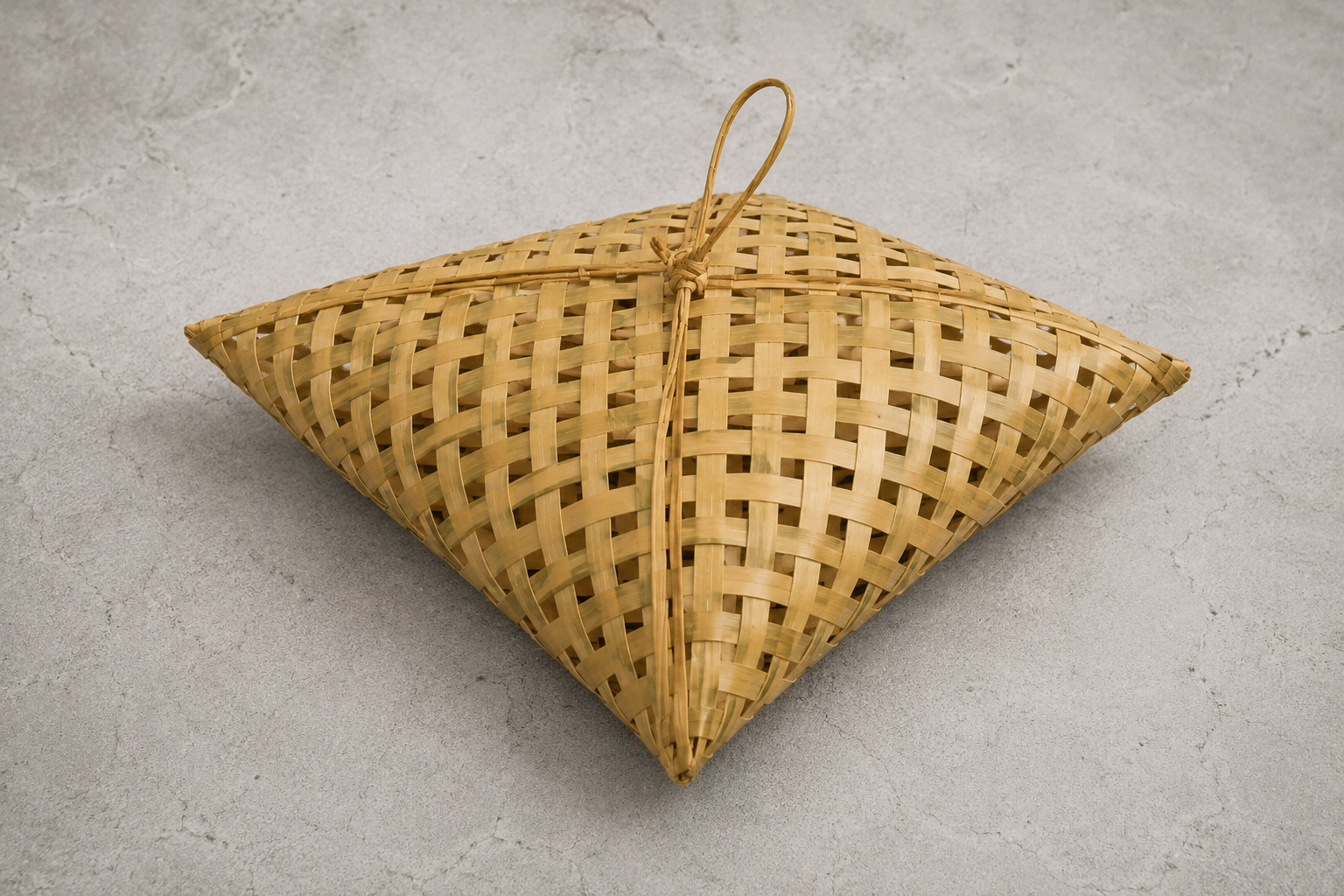
Fizara
Vegetable Storage Basket
Fizara is a square, envelope-shaped bamboo basket used to store and preserve vegetables such as potatoes over the long term. In rural Arakan, Rohingya households traditionally hang fizara outside in the open air, letting the vegetables dry and concentrate in flavor without refrigeration. This sun-dried style of preparation gives many Rohingya dishes their particular texture and taste. To make one, split bamboo is woven into a square, then the four corners are folded and stitched together with plastic string, leaving one corner open for adding vegetables. Fizara can also be used to carry small birds to market. It remains a recognized piece of traditional Rohingya basketry.
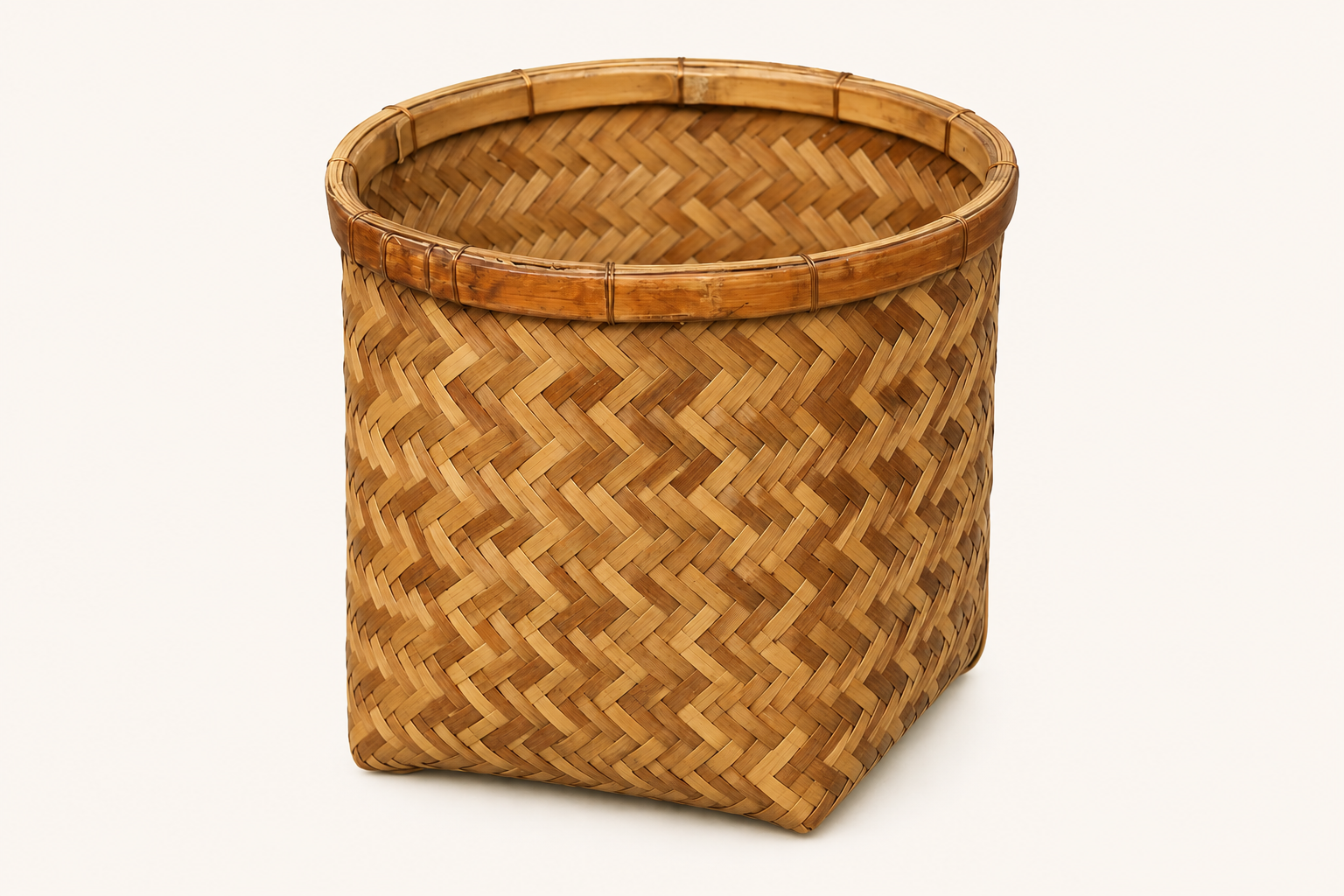
Barang
Paddy Basket
Barang, also called Tombainr, is a small basket used to transport and scoop paddy into the aari, a larger basket used for measuring. Its smaller size made it easy to carry and handle during harvest, moving grain in manageable amounts from the field to storage or measuring containers. Tools like Barang show how Rohingya farming relied on a range of differently sized baskets for different stages of handling the harvest. It remains a recognized part of traditional Rohingya paddy-farming equipment, tied closely to the rice harvest season.
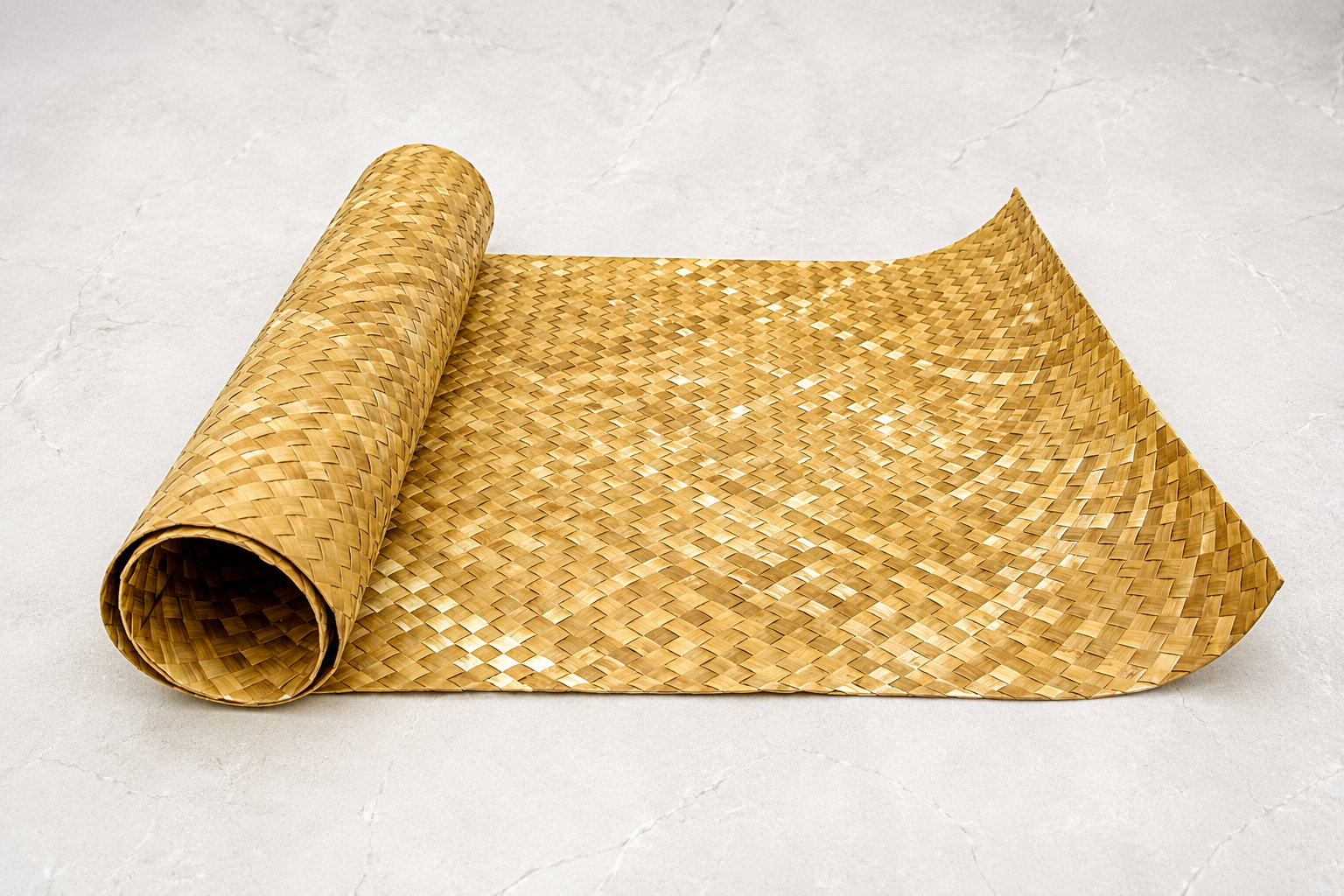
Fatár Sherá
Leaf Mat
Fatár Sherá is a mat made from woven leaves, traditionally used for sleeping and other household purposes. Made from materials found close to home, it offered families an affordable and practical solution for daily comfort before manufactured mats and bedding became widely available. This type of mat reflects the resourceful, nature-based approach found throughout traditional Rohingya household items. Fatár Sherá remains part of Rohingya cultural memory as a common household object from earlier generations.
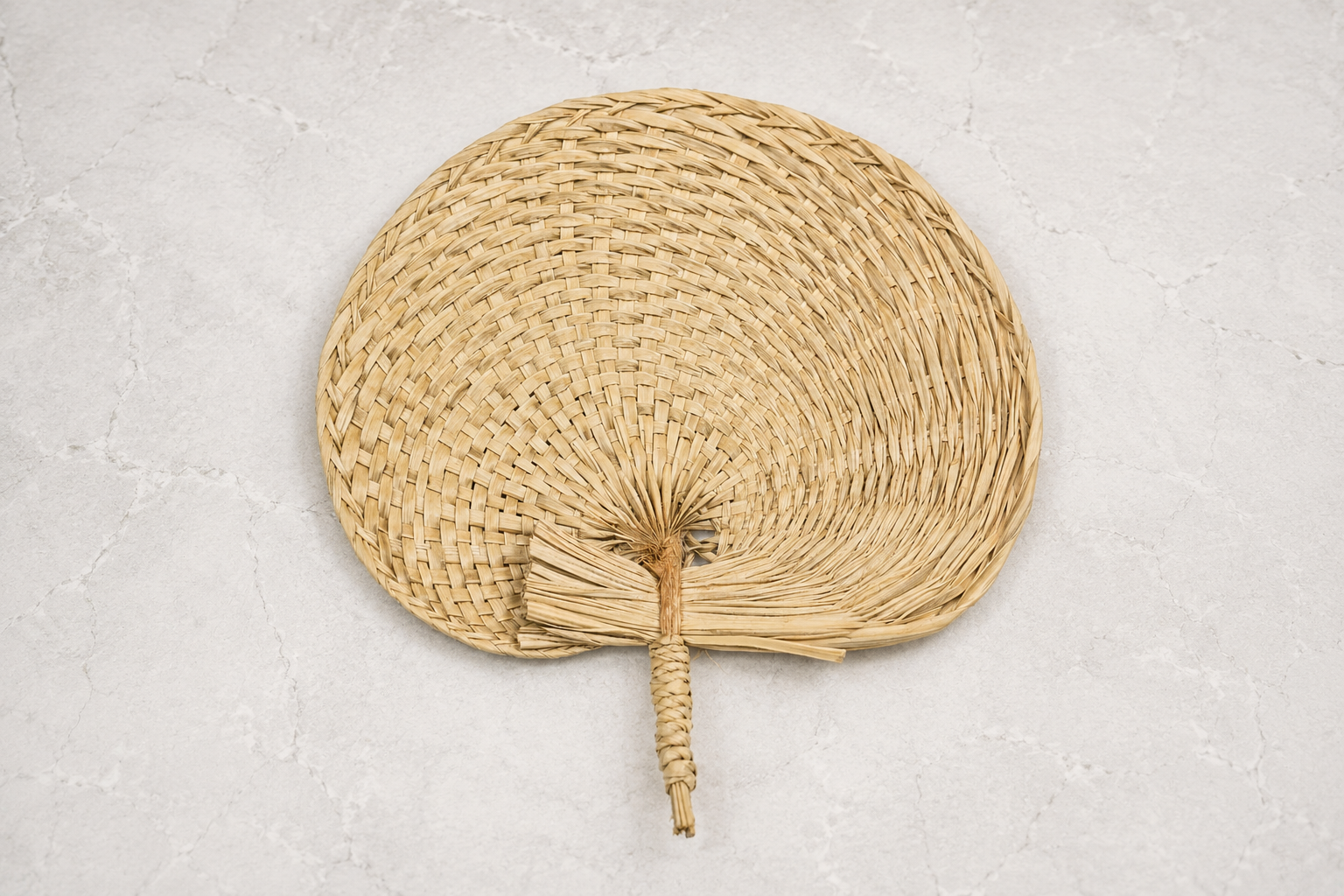
Fathar Besoin
Leaf Fan
Fathar Besoin is a traditional hand fan made from dried palm leaf and flexible bamboo sheets shaped into circular or oval forms, decorated by hand with colorful threads. Making these fans required patience and skill, turning simple natural materials into a useful and attractive household item. Before electric fans were widely available, such hand fans were an important way to stay cool during hot weather. Fathar Besoin remains a recognized piece of traditional Rohingya craft.

Zueer
Rain and Sun Cape
Zueer is a bamboo-framed cape covered with leaves, thatch, or plastic, worn by farmers during rain and intense sun while keeping their hands free to continue working. This practical piece of equipment allowed farmers to stay protected from weather without pausing their tasks in the field. Its lightweight, locally made design reflects the resourcefulness found throughout traditional Rohingya farming tools. Zueer remains recognized as an important piece of traditional Rohingya agricultural equipment.
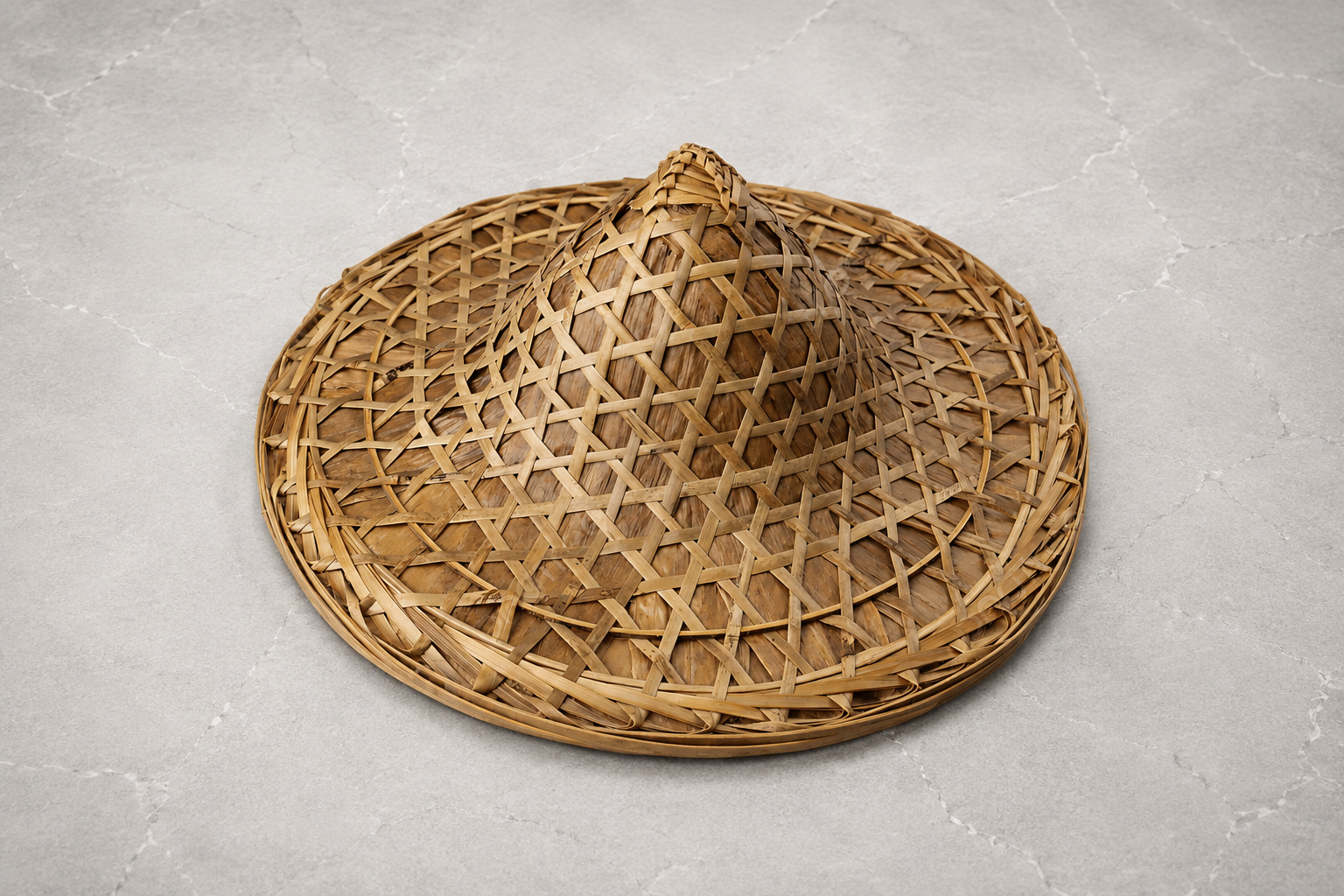
Tala
Bamboo Sun Hat
Tala is the Rohingya version of the classic conical rice hat worn across rice-growing regions of Asia, used by farmers to protect themselves from sun and rain while keeping their hands free. In Arakan, it is also worn by rickshaw drivers, travellers, street hawkers, and other outdoor workers exposed to the weather. Nowadays, Tala has largely been replaced by umbrellas and readymade hats, though rural labourers still make and wear it. It is cheap and easy to make from bamboo, cane, plastic, or cardboard, in different sizes, with a chin string that allows it to be adjusted. Tala remains part of traditional Rohingya farming and outdoor work culture.

Fuoñsha
Paddy Carrying Pole
Fuoñsha is a wooden carrying pole or yoke used by Rohingya farmers to manually transport sheaves of paddy, wheat, or long grass. Tapered at both ends, it differs from the bok pole used for other loads. Bundles of roughly equal weight are tied to each end, then the fuoñsha is balanced across the shoulder so the farmer can carry both loads at once, evenly and without strain. This simple wooden tool allowed farmers to move harvested crops from the field to storage without relying on carts or animals. Fuoñsha remains part of traditional Rohingya farming equipment.

Hownr
Bamboo Cow Muzzle
Hownr is a woven bamboo muzzle placed over a cow's mouth to prevent it from eating crops while working in the fields. This simple tool allowed farmers to use cattle for labor in the fields without risking damage to the very crops being cultivated. Its design reflects practical problem-solving using bamboo, a material widely available in Rohingya farming areas. Hownr remains part of the traditional farming equipment used in Rohingya agricultural practice.
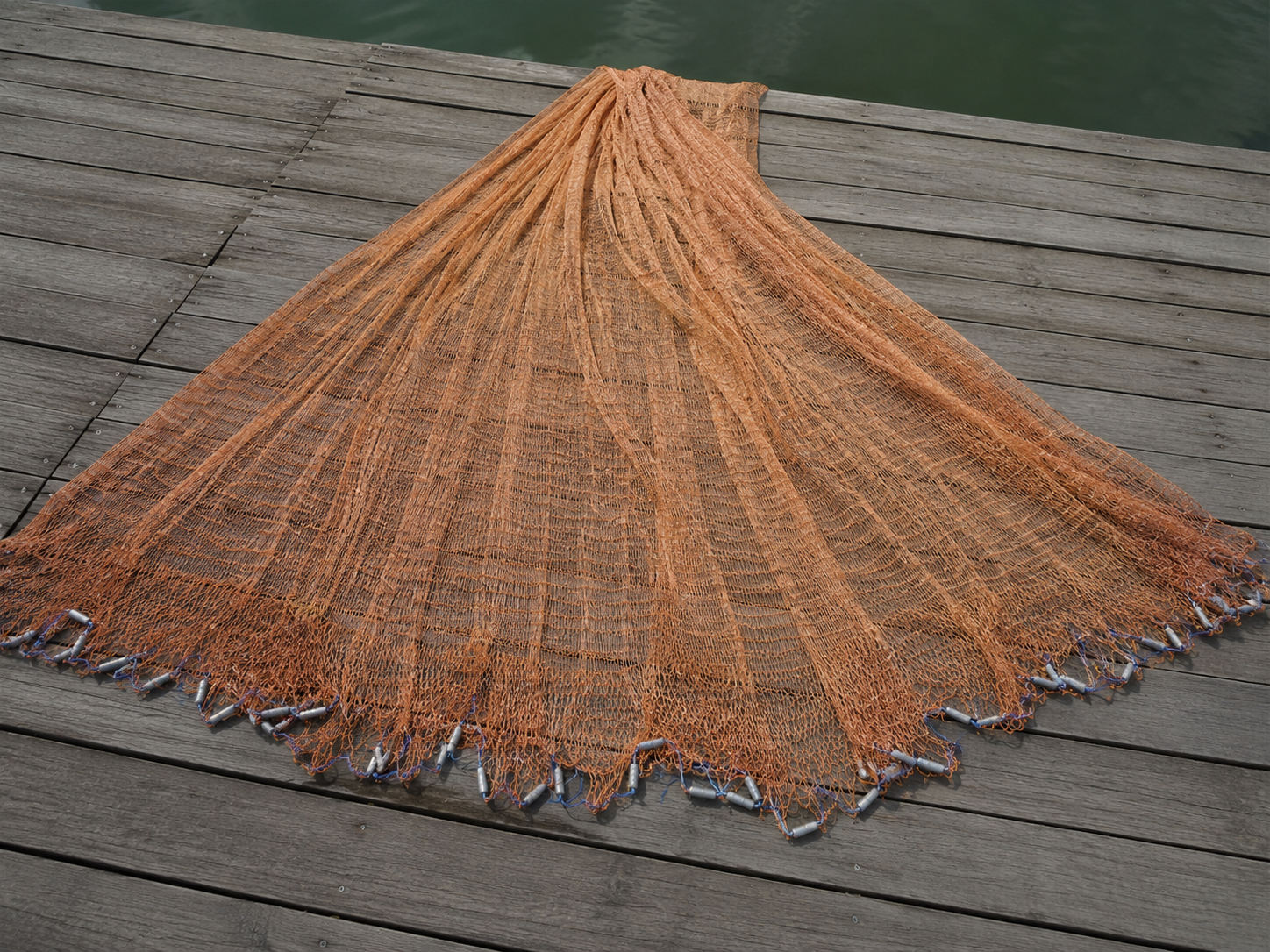
Zaal
Fishing Net
Zaal is a traditional hand-cast fishing net used to catch fish in rivers, ponds, lakes, and shallow coastal waters. Made from fine, tightly knotted mesh with small weighted sinkers along its edge, it opens into a wide circular shape when thrown, then sinks around the fish before being gathered back in by hand. Using it well takes skill, timing, and balance rather than any machinery, relying instead on the fisherman's knowledge of local waters. Zaal has long been part of everyday river and wetland fishing in Rohingya communities, especially where households depended on fish for food and income. It remains a recognized traditional fishing tool in Rohingya culture today.
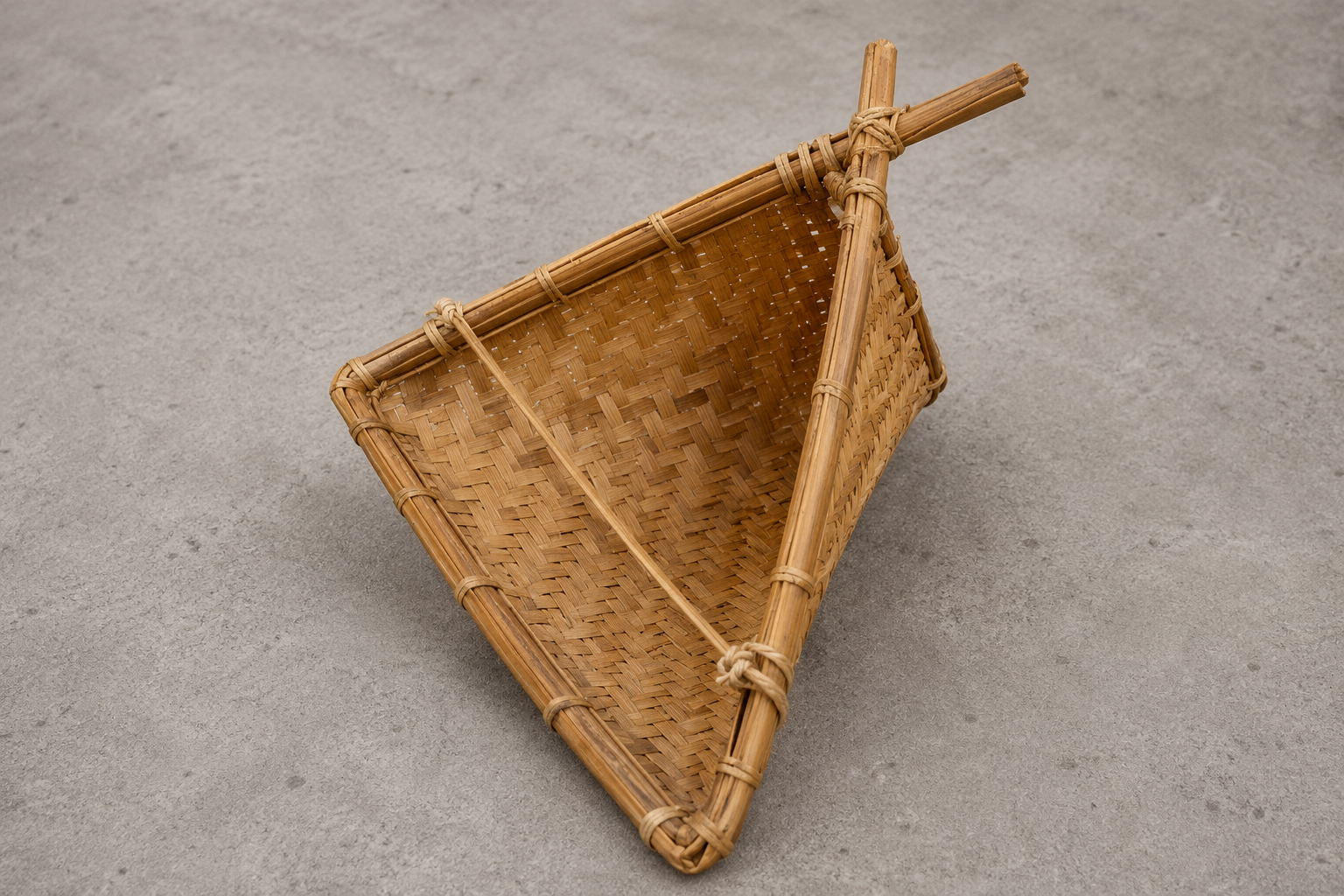
Luúi
Scoop Net
Luúi is a scoop net made of bamboo, used for catching fish in rivers, ponds, and other water sources. Its lightweight bamboo frame made it easy to carry and use quickly when fish were spotted in shallow water. As with other traditional fishing tools, Luúi reflects how Rohingya communities relied on locally available materials to meet everyday needs. It remains part of the traditional bamboo craft and fishing tools associated with Rohingya rural life.
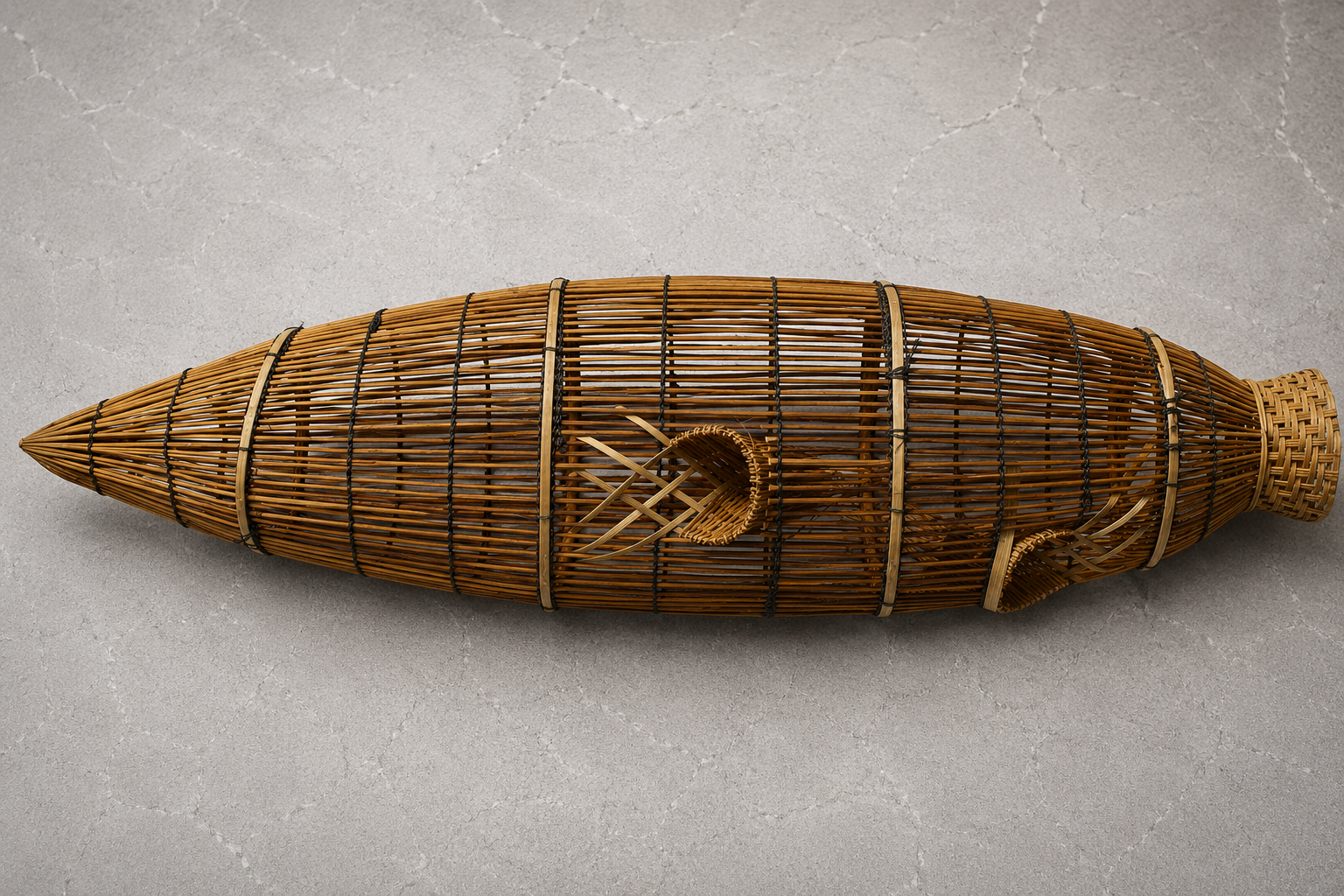
Sai
Bamboo Fish Trap
Sai is a simple bamboo fish trap used by Rohingya fishermen, made in different sizes depending on need. In rural Arakan, sai could be made at home, ordered from basket-makers who specialize in the craft, or bought at a local market. Designed to trap fish as they move through water, it let fishermen catch fish passively rather than actively working to catch each one. This kind of tool reflects the skill and practical knowledge passed down through generations of Rohingya fishing families. Sai remains a recognized part of traditional Rohingya bamboo craft used for fishing.
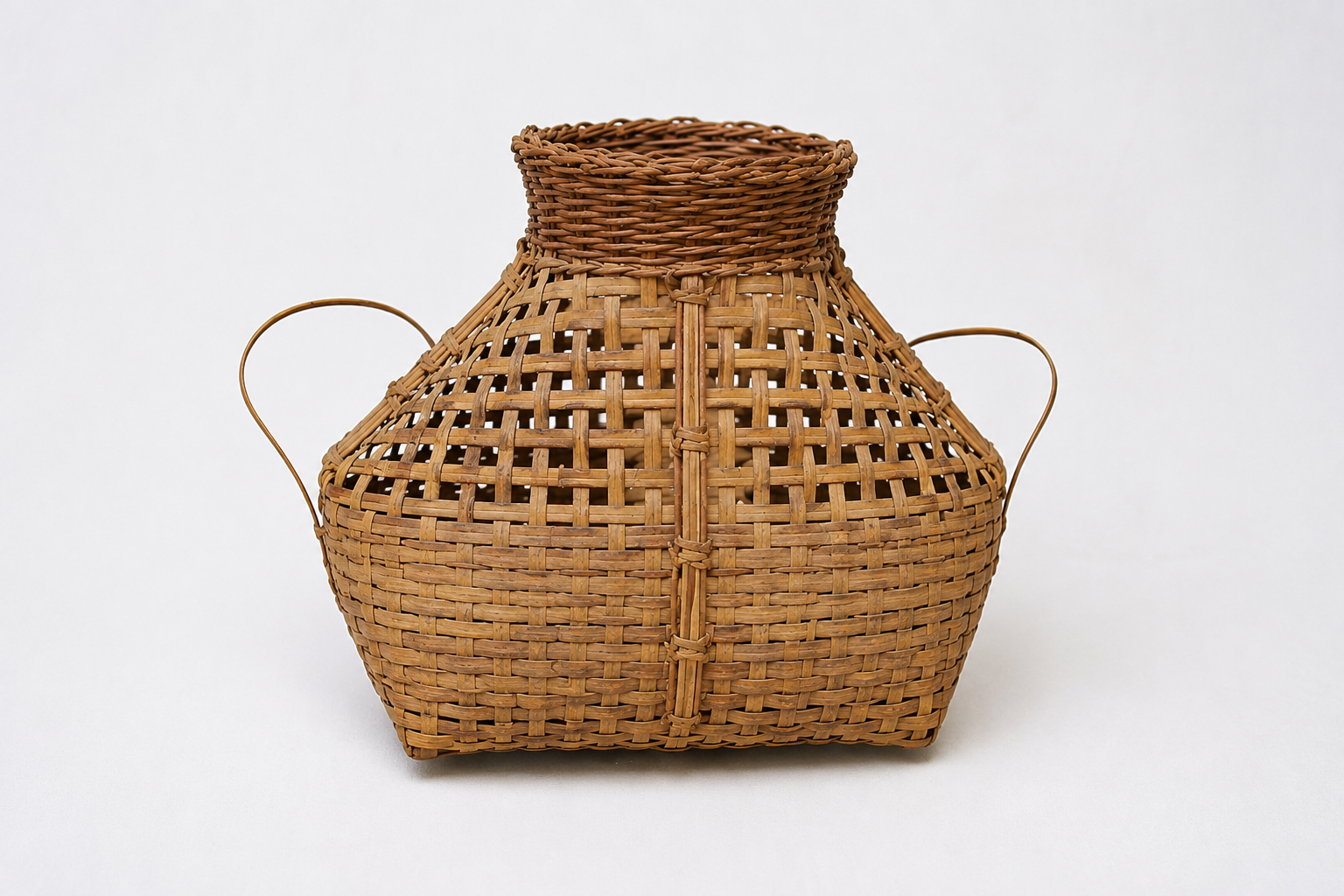
Góittá Dula
Fish Basket
Góittá Dula is a bamboo basket used for storing fish during fishing trips, allowing catches to be kept together and carried easily. Woven tightly enough to hold fish safely while still allowing water to drain, it served as a practical container suited to the demands of fishing life. Like other bamboo items, it reflects the skillful use of local materials in everyday Rohingya work. Góittá Dula remains part of the traditional tools used in Rohingya fishing culture.
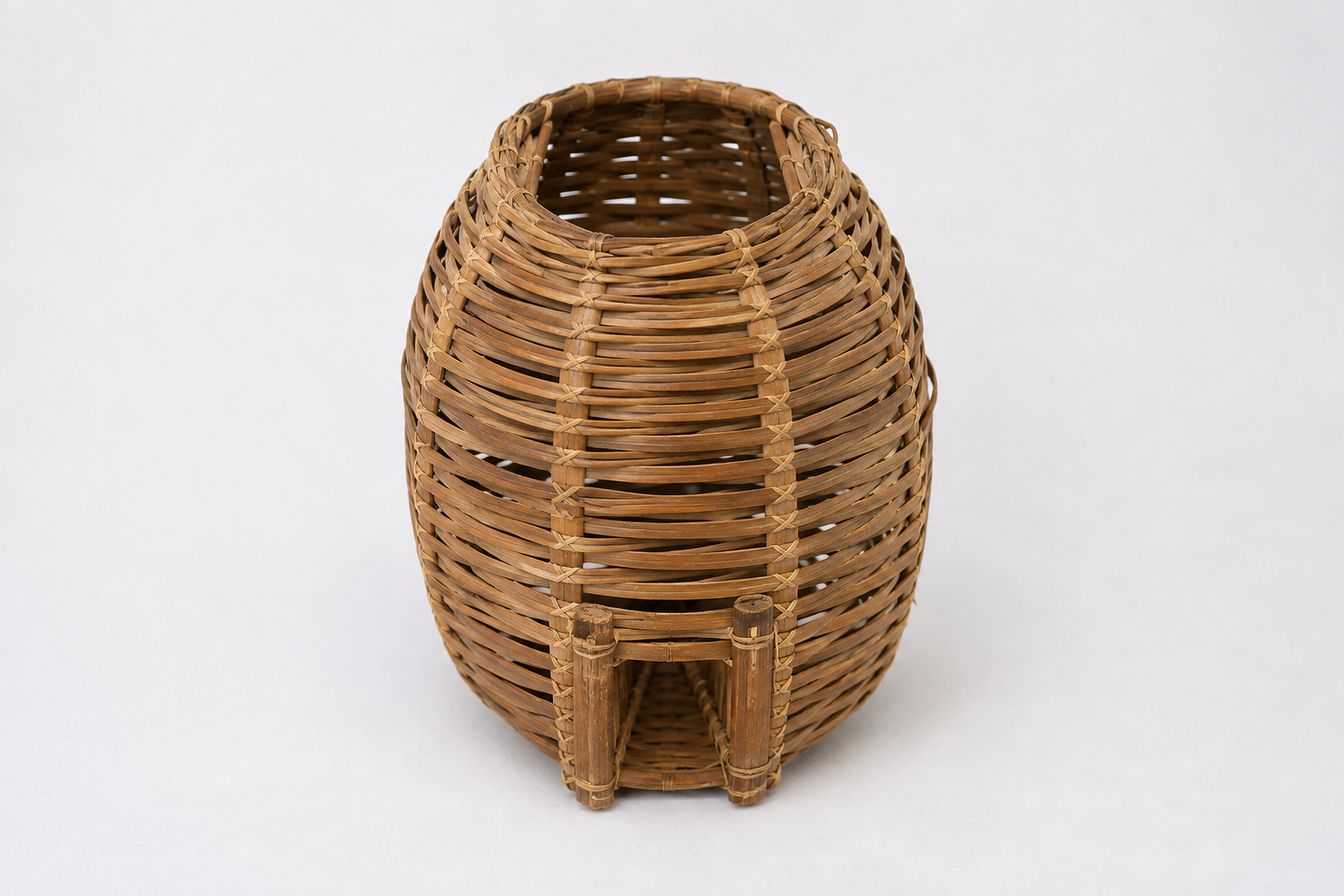
Maasor Bomm
Fish Trap
Maasor bomm is a Rohingya fish trap built using basketry techniques, designed so fish can wriggle their way in but cannot find their way back out. It is mainly used to catch shrimp and other small kinds of fish in rivers and ponds. During winter, fishermen set out maasor bomm baited with rice or insects to draw fish inside. This clever, low-effort design let fishermen catch fish passively rather than constantly working to catch them by hand. Maasor bomm remains part of traditional Rohingya fishing tools and bamboo craft.
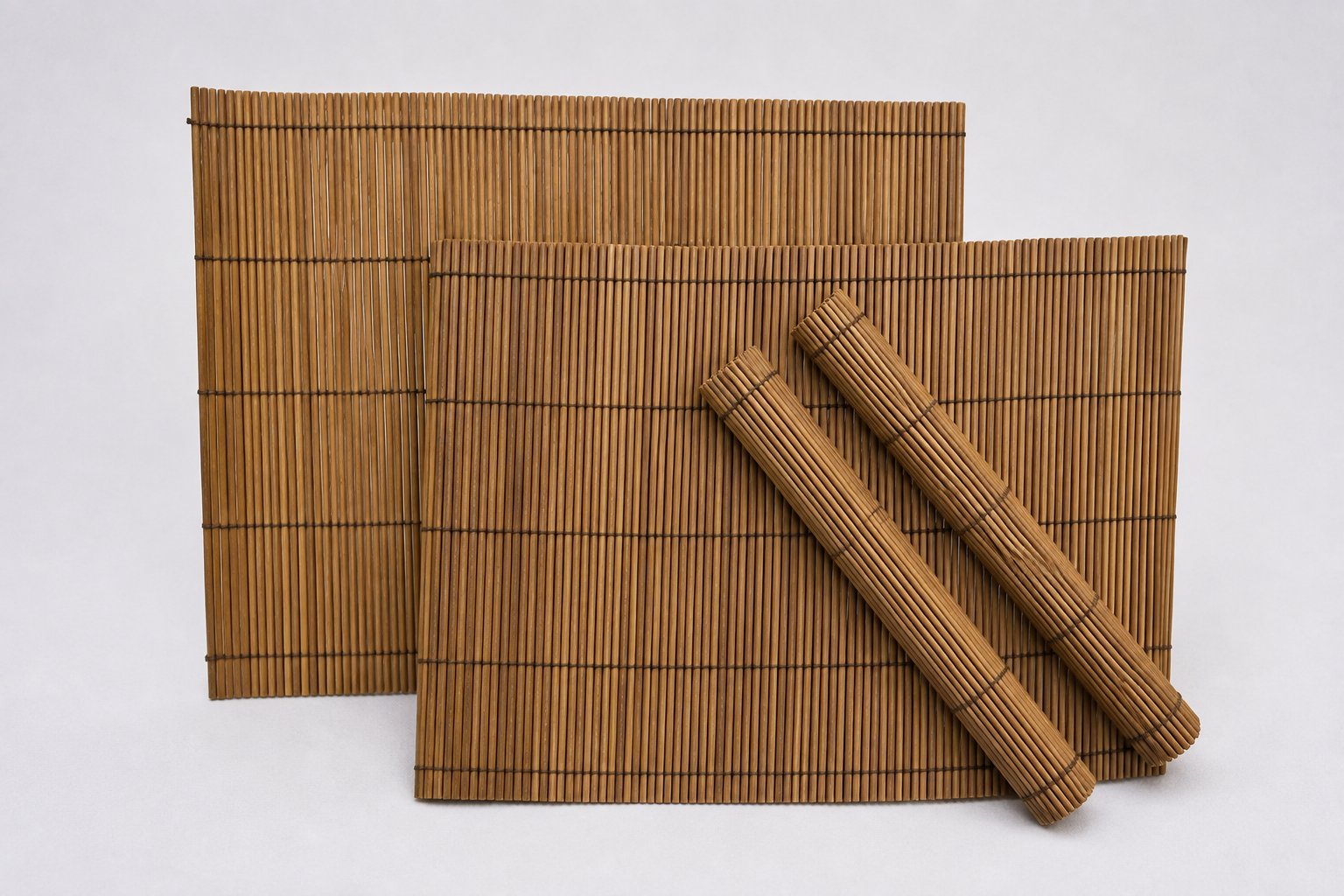
Berá
Fence-Style Fish Trap
Berá is a traditional fence-style fish trap made from bamboo and rope, installed in rivers, ponds, lakes, and paddy fields to catch fish as they move through the water. Its design allowed fishermen to trap fish passively rather than constantly working to catch them by hand. This method was especially useful during rainy seasons when fish moved between paddy fields and larger bodies of water. Berá remains part of traditional Rohingya fishing methods, reflecting practical knowledge of local water systems.
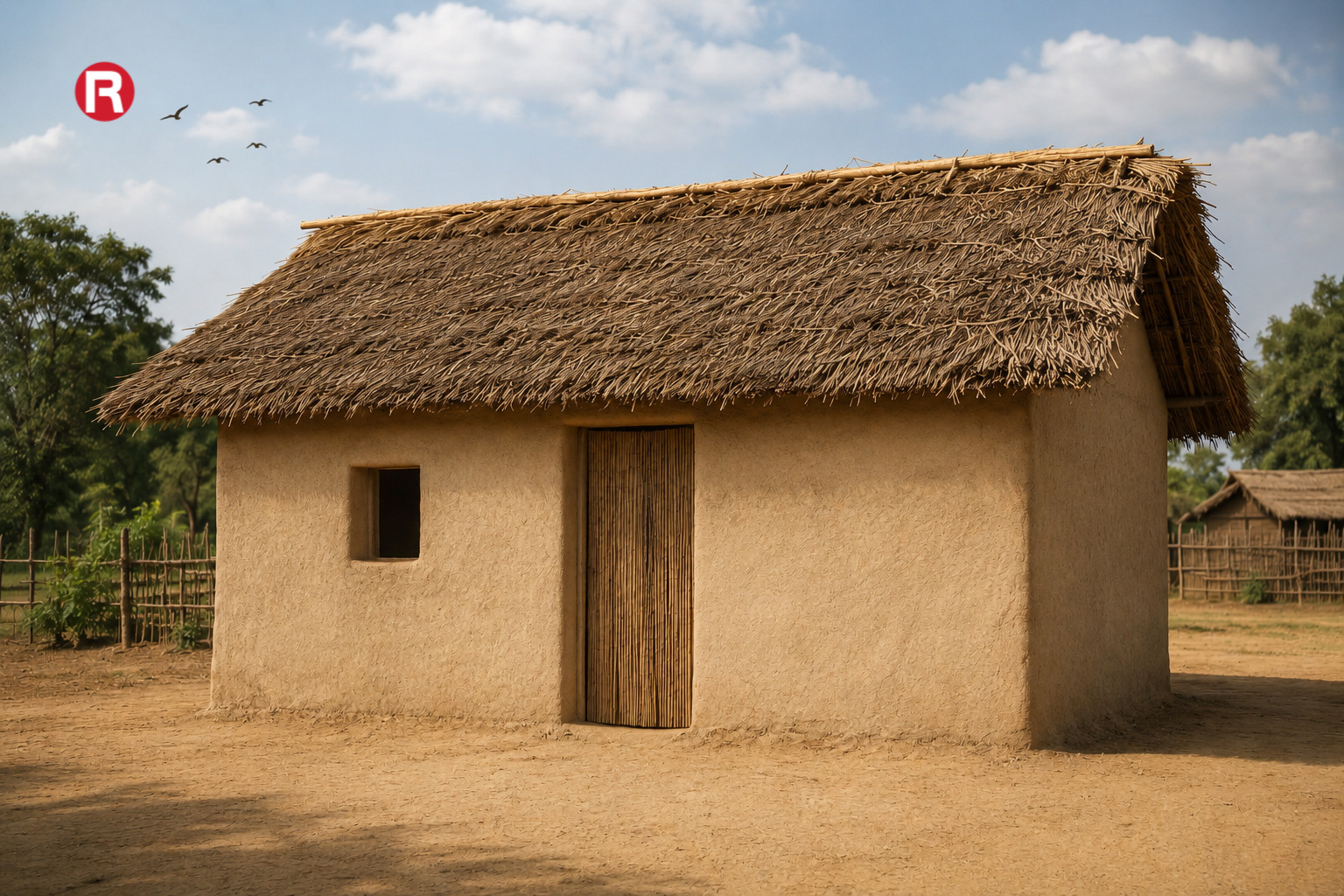
Madir Goor / Gudam Ghór
Mud House
Madir Goor, meaning mud house, refers to an early type of Rohingya dwelling built mainly with mud or earth. In earlier periods, when materials such as bamboo, timber, and corrugated iron roofing were less accessible, people used mud to form the walls and floor, while hay or dried grass was used for roofing. These simple houses stayed closely connected to the local environment and available resources. Madir Goor represents an earlier stage of rural Rohingya domestic architecture, before more modern building materials became common.
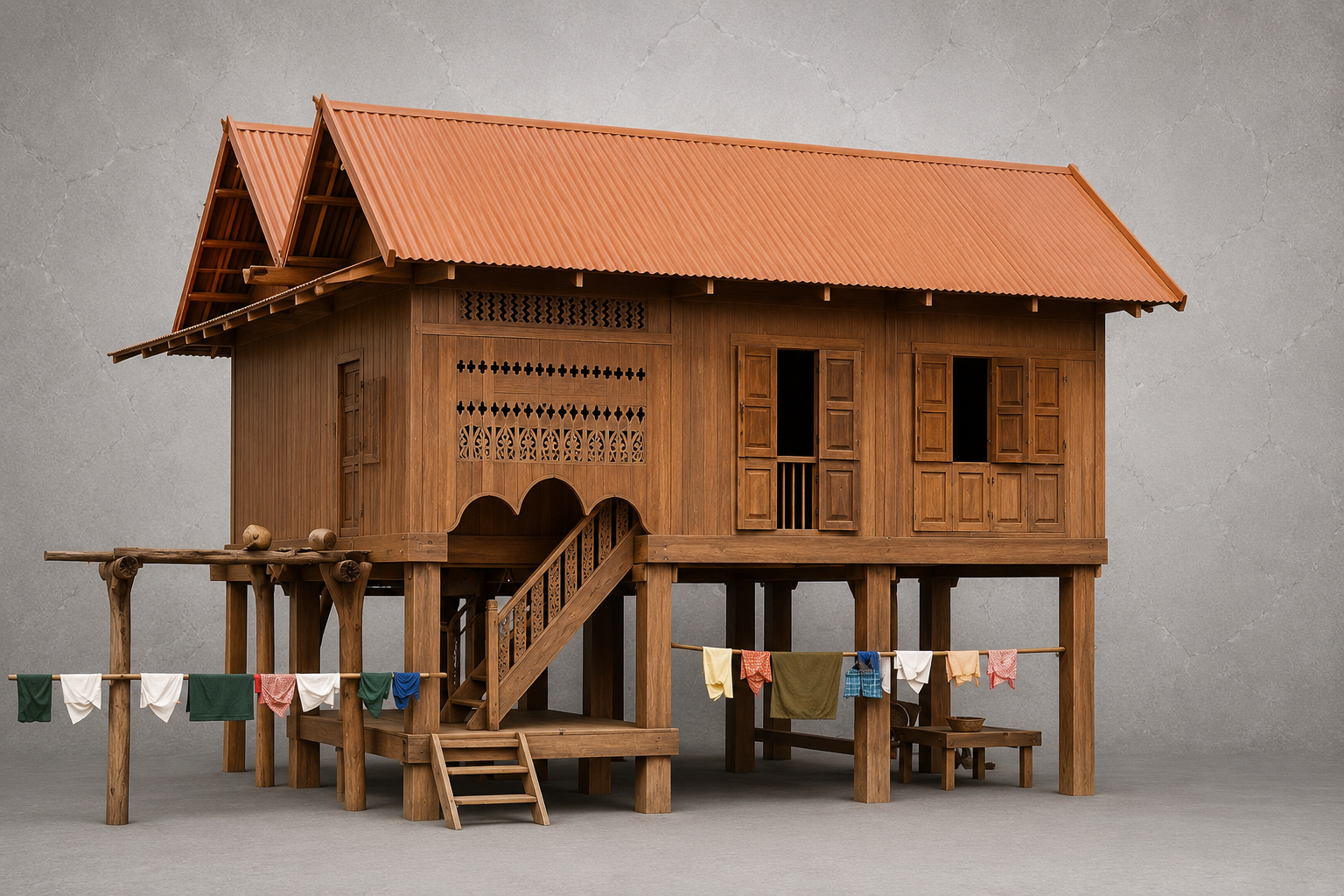
Tottár Ghór
Wooden House
Tottár Ghór means wooden house, typically built with bamboo walls and wooden or plywood flooring. Features often included a gabled roof, a raised structure with a veranda, carved railings, decorative windows, and woven bamboo walls, with storage space below and living space above. This design suited the region's climate and made use of locally available timber and bamboo. Tottár Ghór reflects a more developed style of traditional Rohingya housing, built with more structure and detail than simpler mud houses.
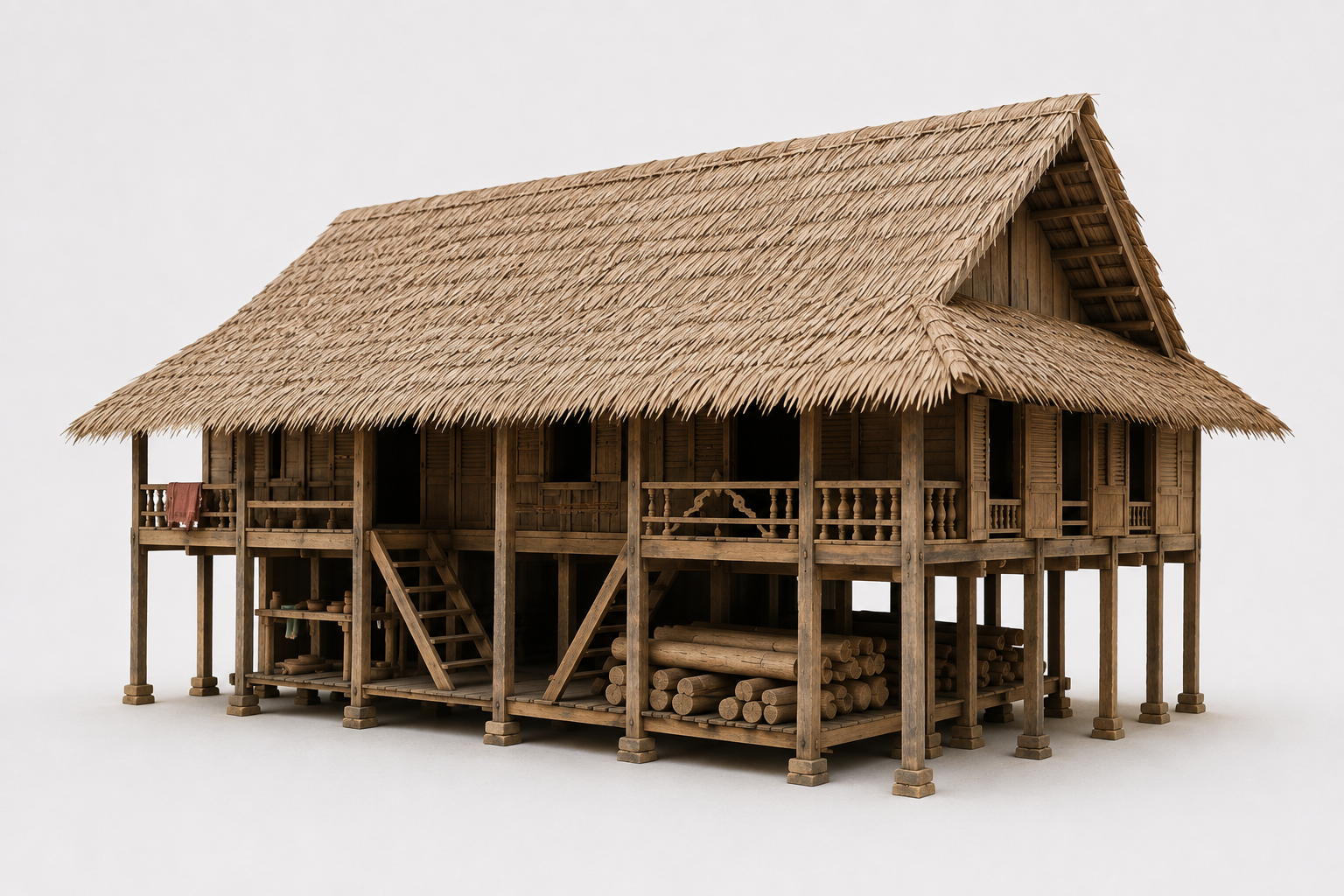
Uinja Ghór
Elevated Stilt House
Uinja Ghór is an elevated version of the traditional wooden house, raised above the ground on stilts. This design helped protect the home from flooding during heavy rains and kept living spaces drier and cooler. Being raised also created a naturally shaded, usable space underneath the house for storage or other daily activities. Uinja Ghór reflects a practical adaptation of traditional Rohingya house design to local weather and flooding patterns, and it remains a recognized housing style in Rohingya architectural tradition.
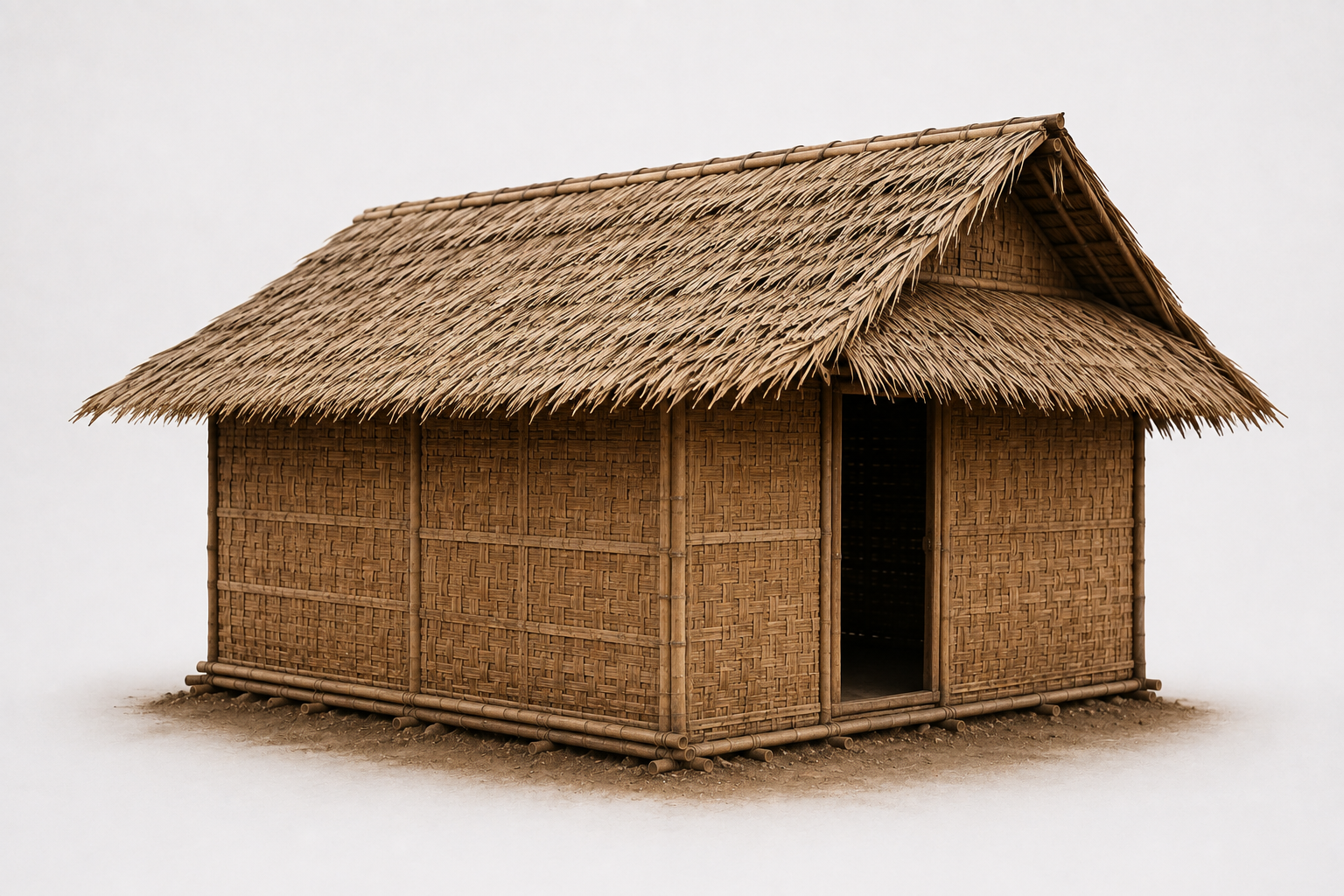
Maitta Ghór
Bamboo and Clay House
Maitta Ghór is a simpler bamboo and cane house with a clay floor, built on stilts or piles. It offered a more basic and affordable housing option compared to fuller wooden houses, while still using traditional materials suited to the local environment. Families with fewer resources often built homes in this style, relying on bamboo and clay that could be sourced nearby. Maitta Ghór represents one of the more modest forms of traditional Rohingya rural housing.
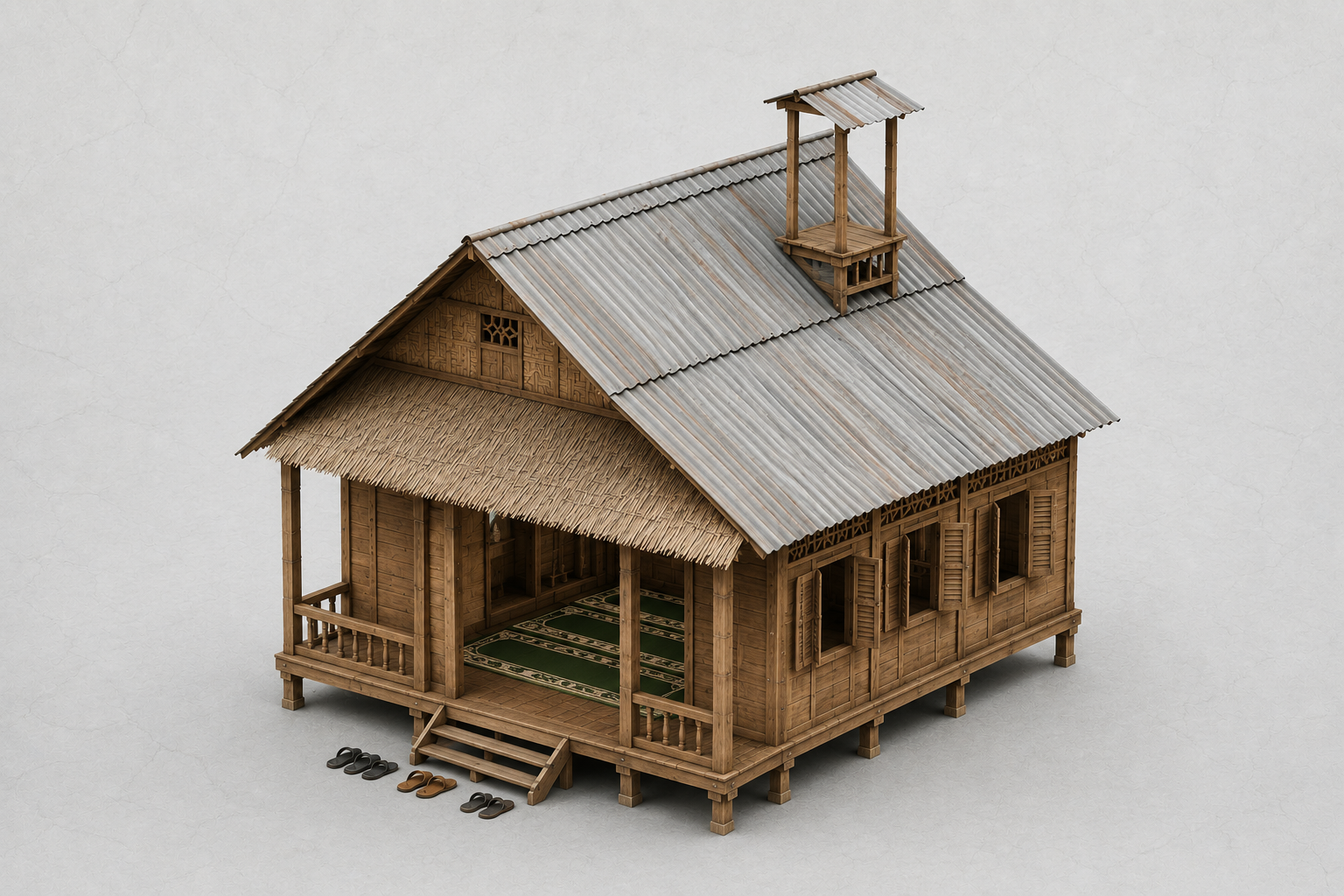
Mosóid
Mosque
Mosóid is the Rohingya term for mosque, serving as a central community space where the imam leads prayer and the muezzin gives the call to prayer. Beyond religious worship, the mosque has traditionally functioned as a meeting place for community matters and religious learning. Its central role in Rohingya village life reflects the importance of Islam in daily community structure. Mosóid remains a vital and active part of Rohingya religious and community life today, both in Arakan and diaspora settings.
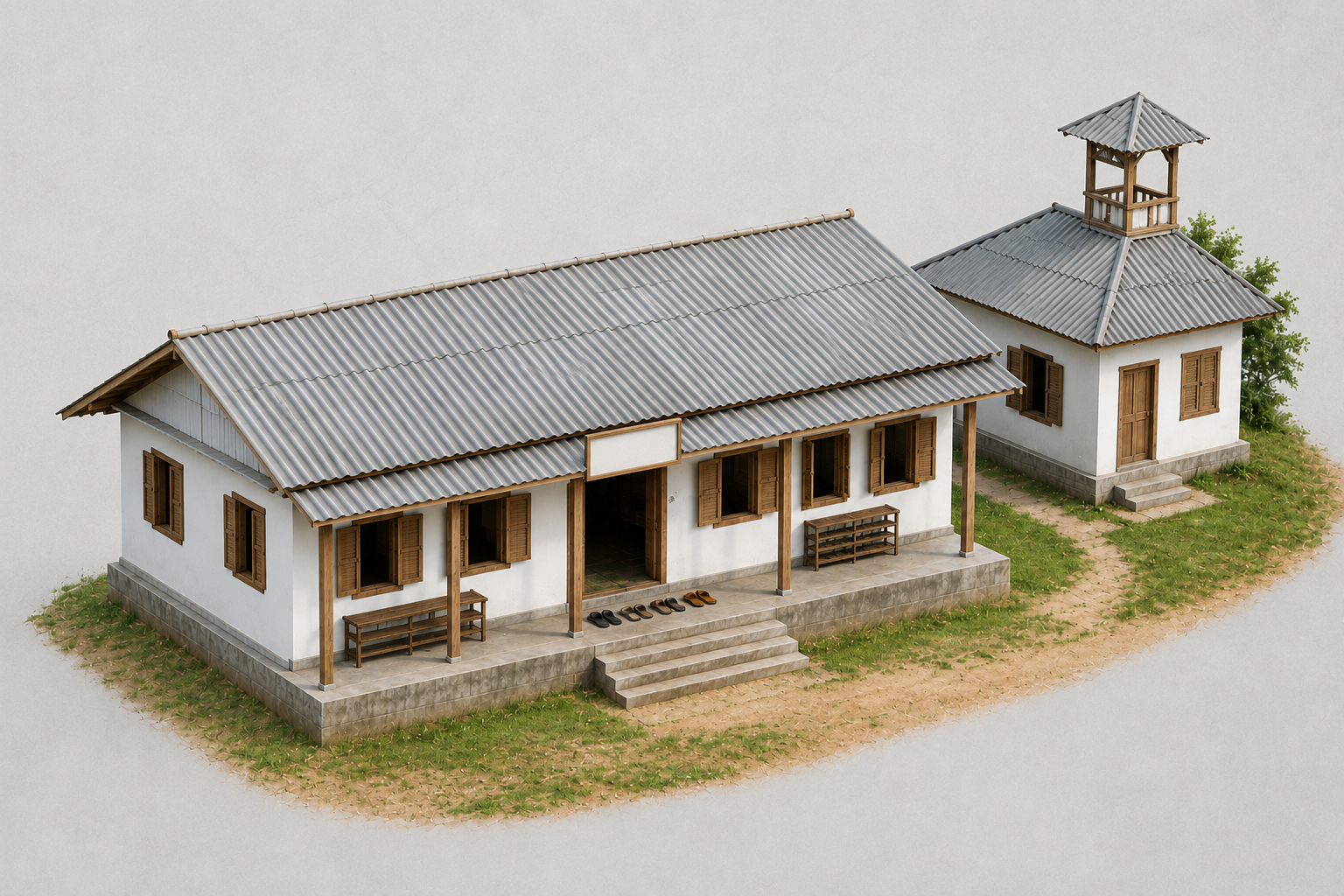
Modorasá
Islamic School
Modorasá is an Islamic school teaching a curriculum that includes Urdu, starting from grade one through more advanced study of Hadith and the Quran. These schools have long served as centers of religious education within Rohingya communities, training students in both language and Islamic knowledge. Attending Modorasá has been an important part of religious upbringing for many Rohingya children. It remains an active part of religious education in Rohingya communities today.
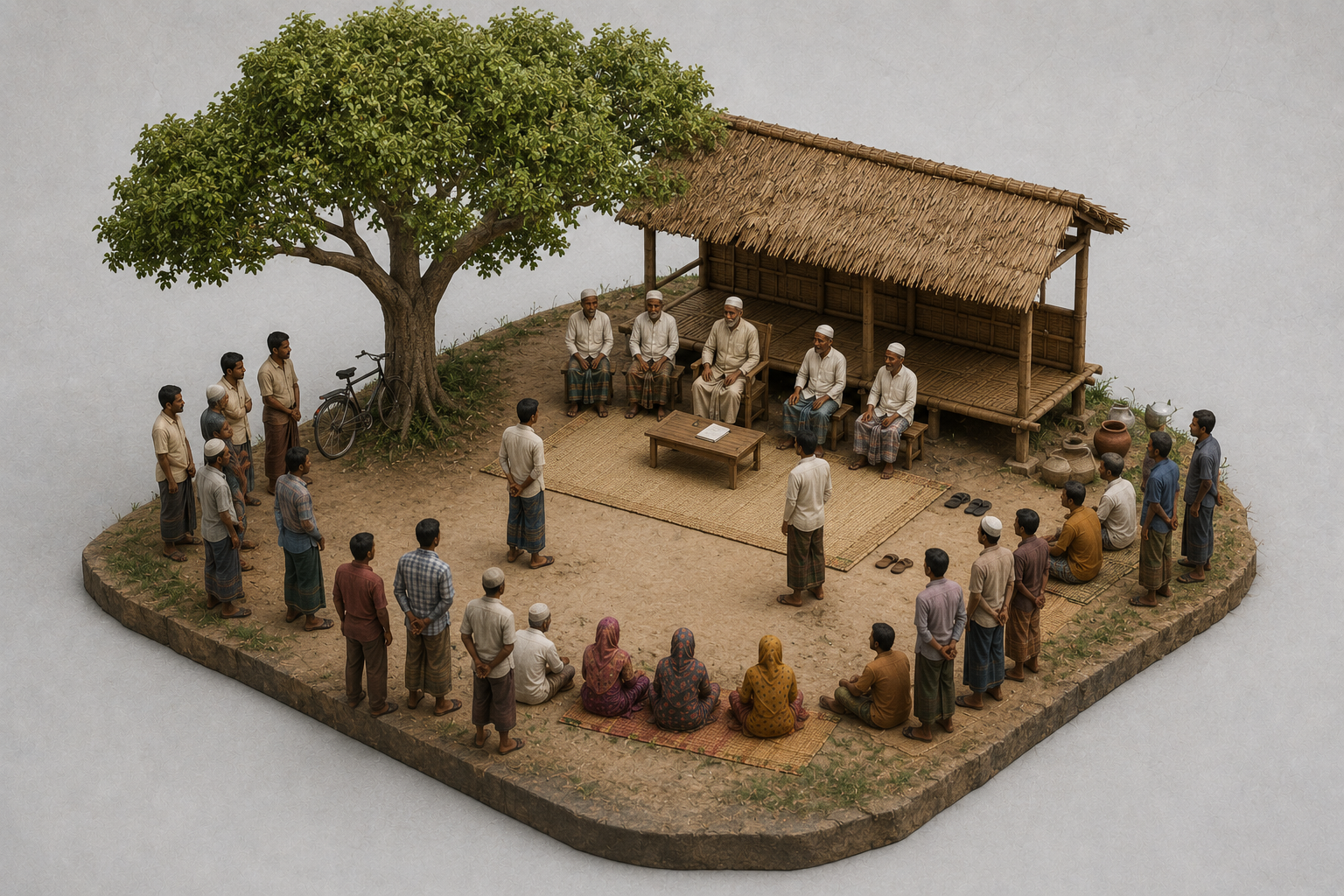
Hasari
Village Court
Hasari is a village court usually led by the village chairman, used to judge disputes and community matters. It served as a local system for resolving conflicts and maintaining order within the village, relying on respected community figures rather than formal outside authorities. This reflects the self-organized nature of traditional Rohingya village governance. Hasari remains part of Rohingya community structure, remembered as an important local institution for handling disputes.
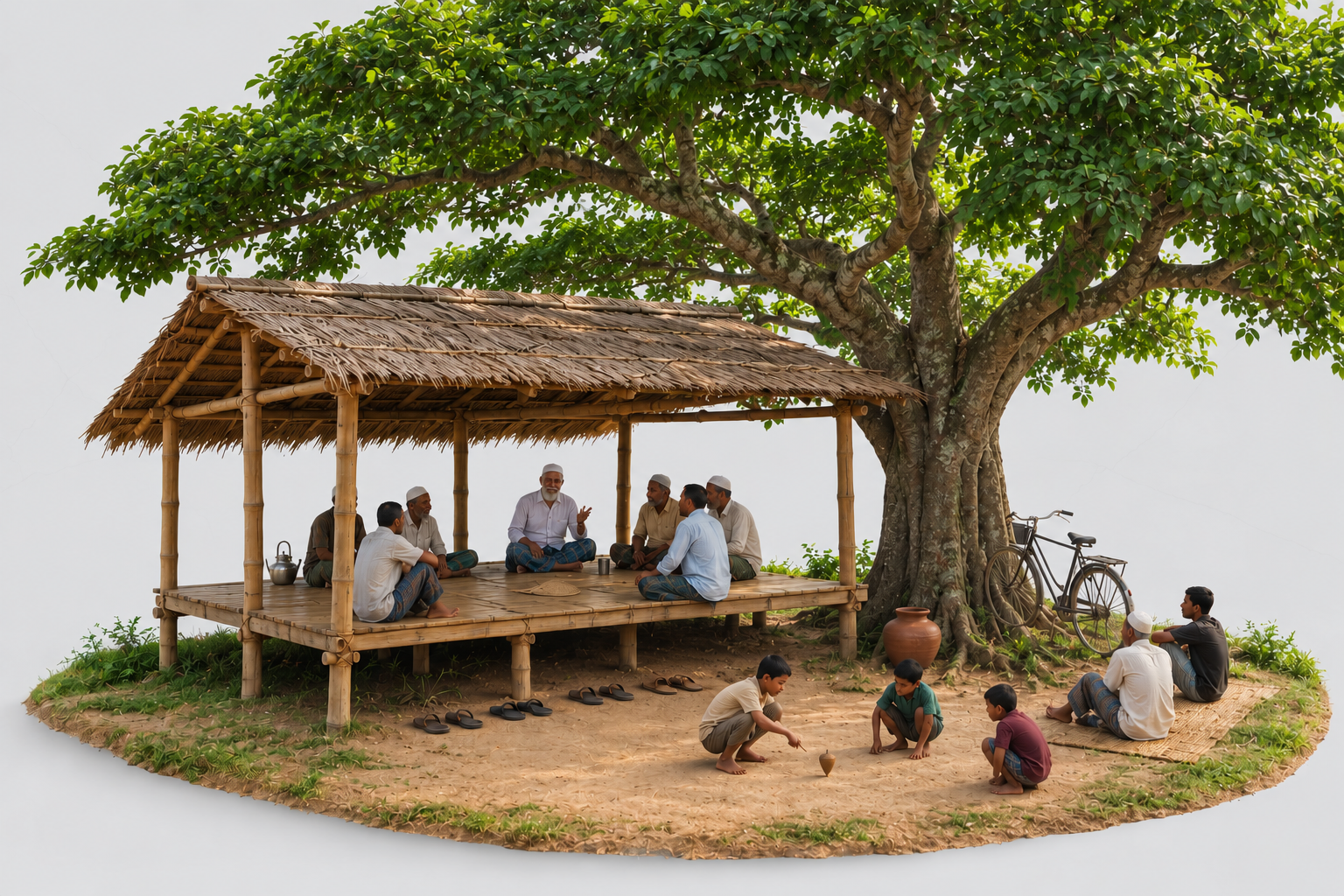
Zironi Hoñlá
Rest House
Zironi Hoñlá is a rest house usually built outside a village or in an open space within it, often under a large tree, offering shade from the sun and a place to catch the breeze. People would sit there to share stories, while children played nearby and elderly people passed down tales to younger generations. As a shared, informal gathering spot, it played an important social role in village life. Zironi Hoñlá reflects the value Rohingya communities placed on shared outdoor spaces for rest and storytelling.
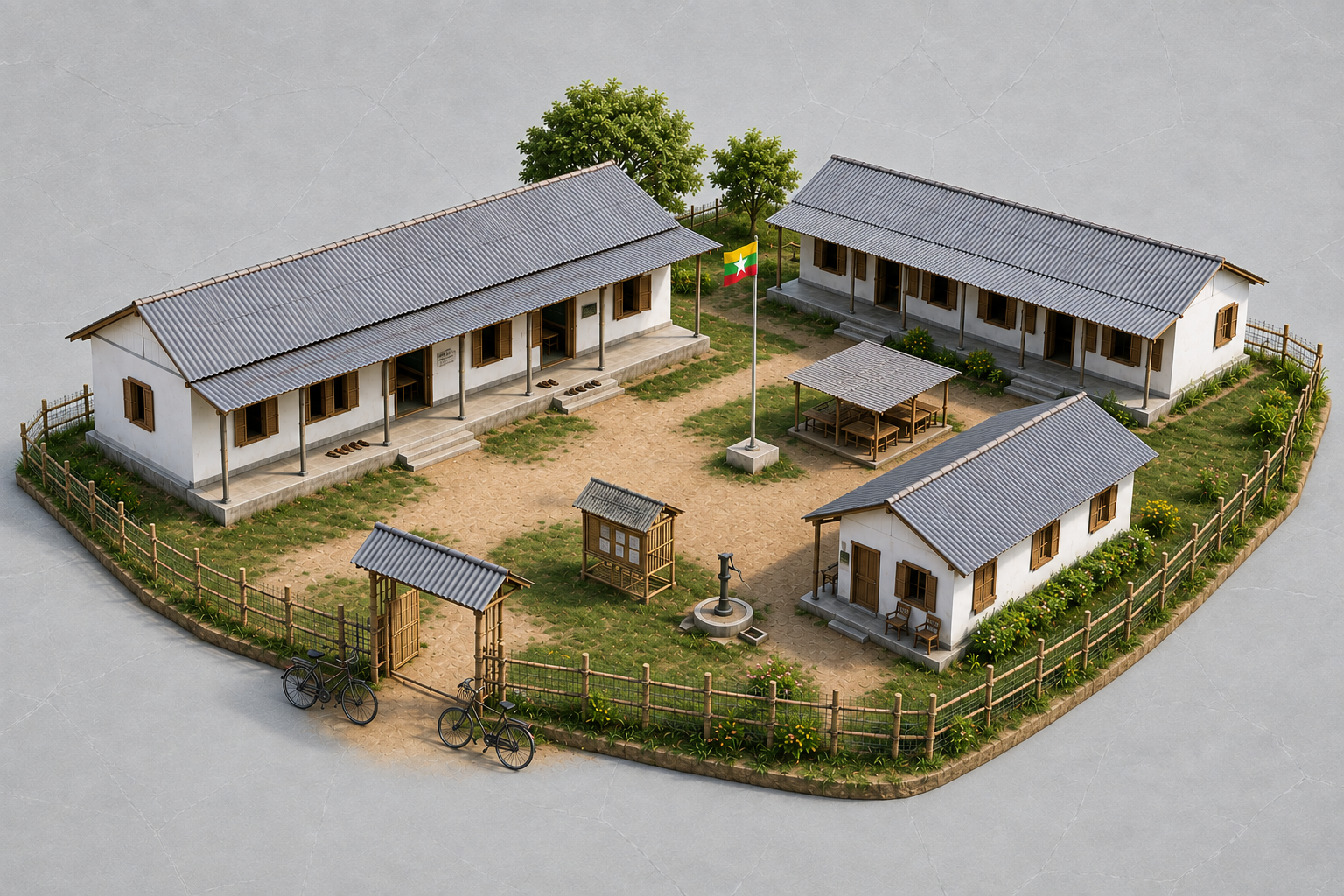
Eskul
School
Eskul is the Rohingya term for school, a place where children received formal education outside of religious study. Alongside Modorasá, schools like this provided a space for general learning within the village or nearby areas. Access to schooling has varied greatly for Rohingya communities depending on time and location, making the presence of a school an important community resource. Eskul remains part of the educational structure Rohingya communities have long valued for their children.
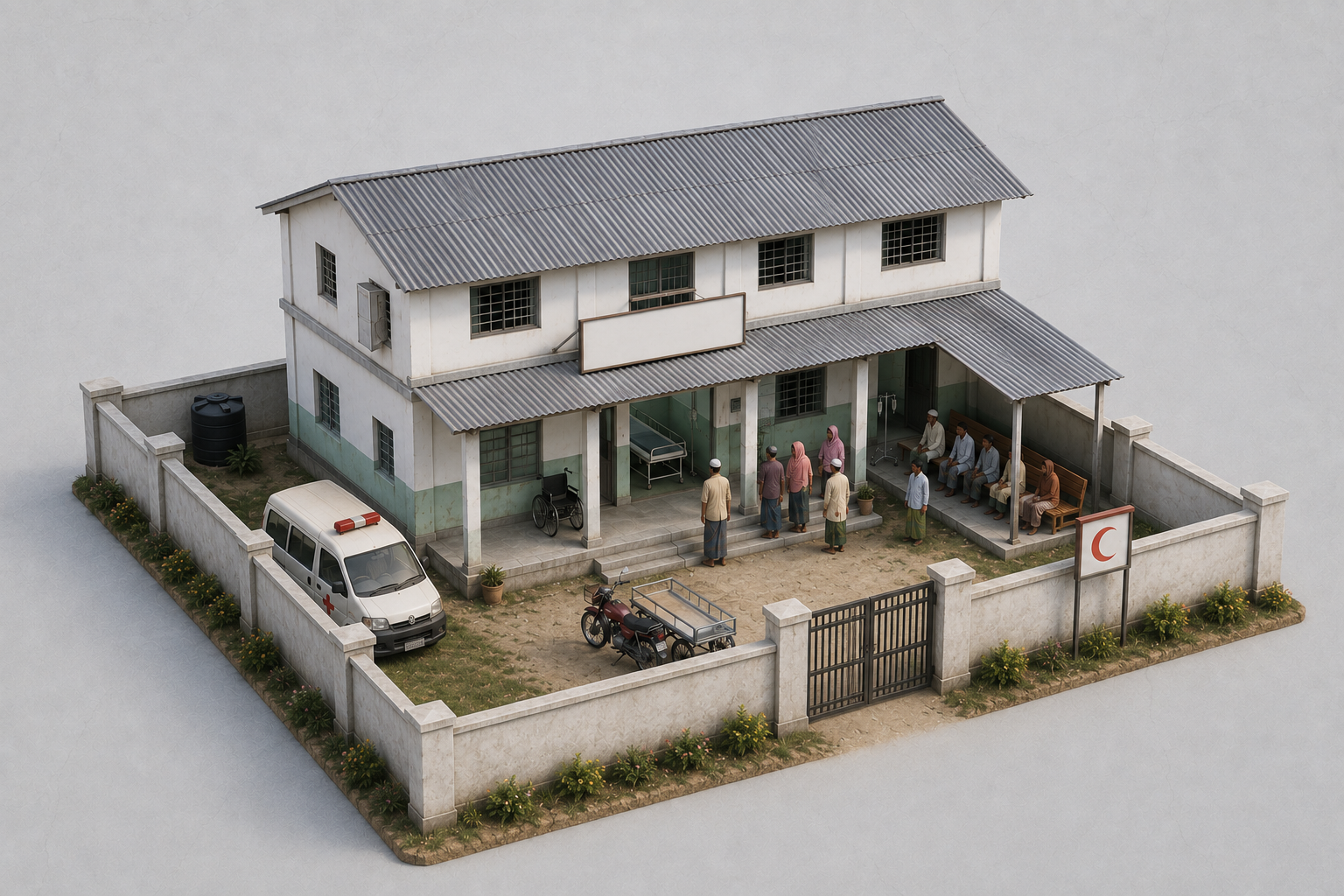
Dattor Háná
Hospital
Dattor Háná is the Rohingya term for hospital, a place for medical treatment and care within or near Rohingya communities. Access to such facilities has historically been limited in many areas, making a nearby hospital an important and valued resource for the community. Alongside traditional healers such as the Hakeem, hospitals represented a more formal option for medical care. Dattor Háná remains an important institution for Rohingya communities today, wherever access allows.
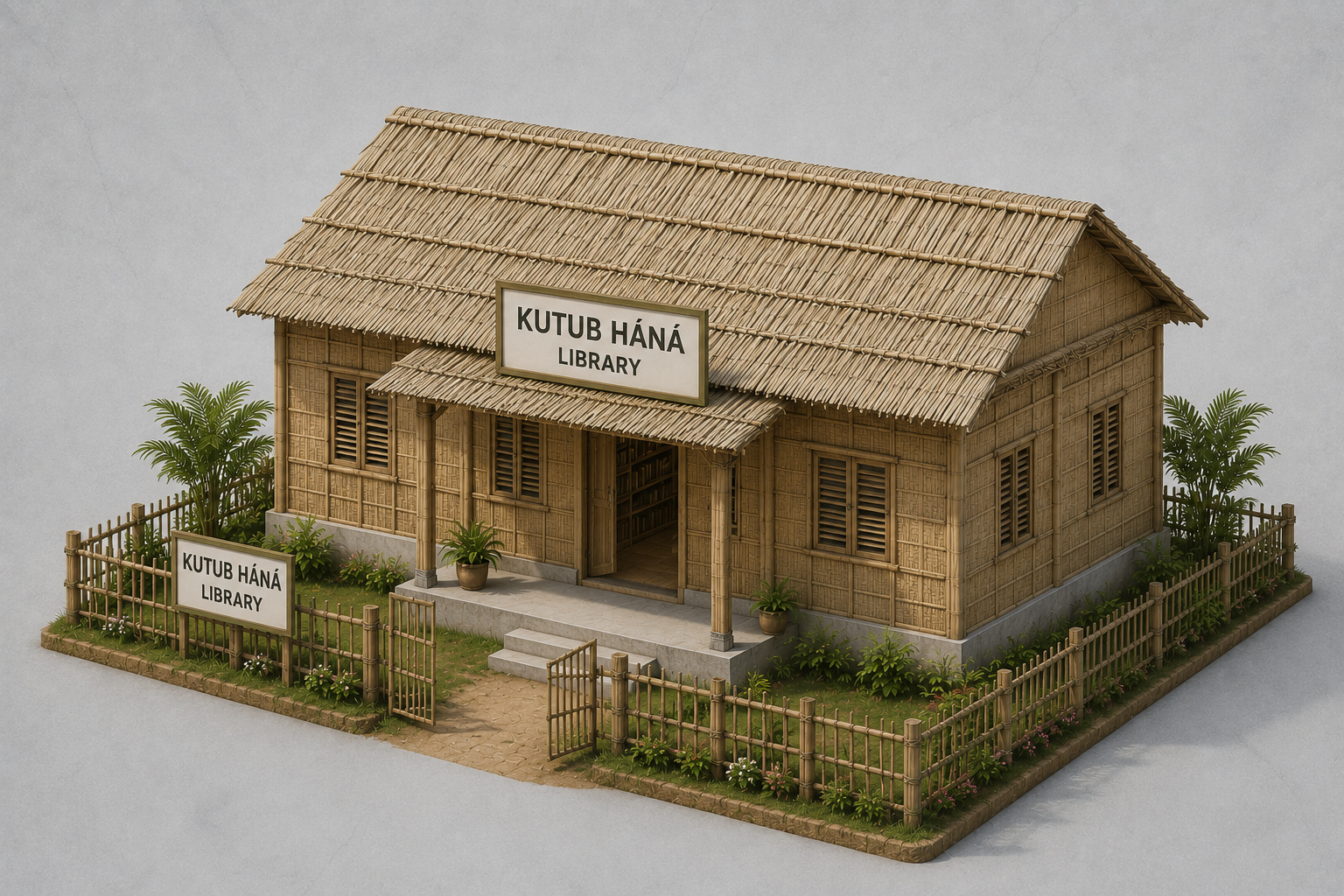
Kutub Háná
Library
Kutub Háná is the Rohingya term for library, a place once commonly built and maintained by educated and respected Rohingya figures who valued learning and study. In earlier times, such figures would build libraries and spend time there reading and studying, reflecting a strong regard for education and knowledge within the community. Libraries served as centers of learning beyond religious schooling. Kutub Háná remains remembered as a mark of the value Rohingya society placed on education.

Kutá
Modern Building
Kutá refers to a modern building made of cement, using bricks and other contemporary construction materials rather than traditional bamboo, wood, or clay. As access to modern building materials increased, some Rohingya families began constructing homes and structures in this newer style. Kutá represents a shift away from older traditional housing methods toward more modern construction. It reflects how Rohingya architecture has changed over time as new materials became available.
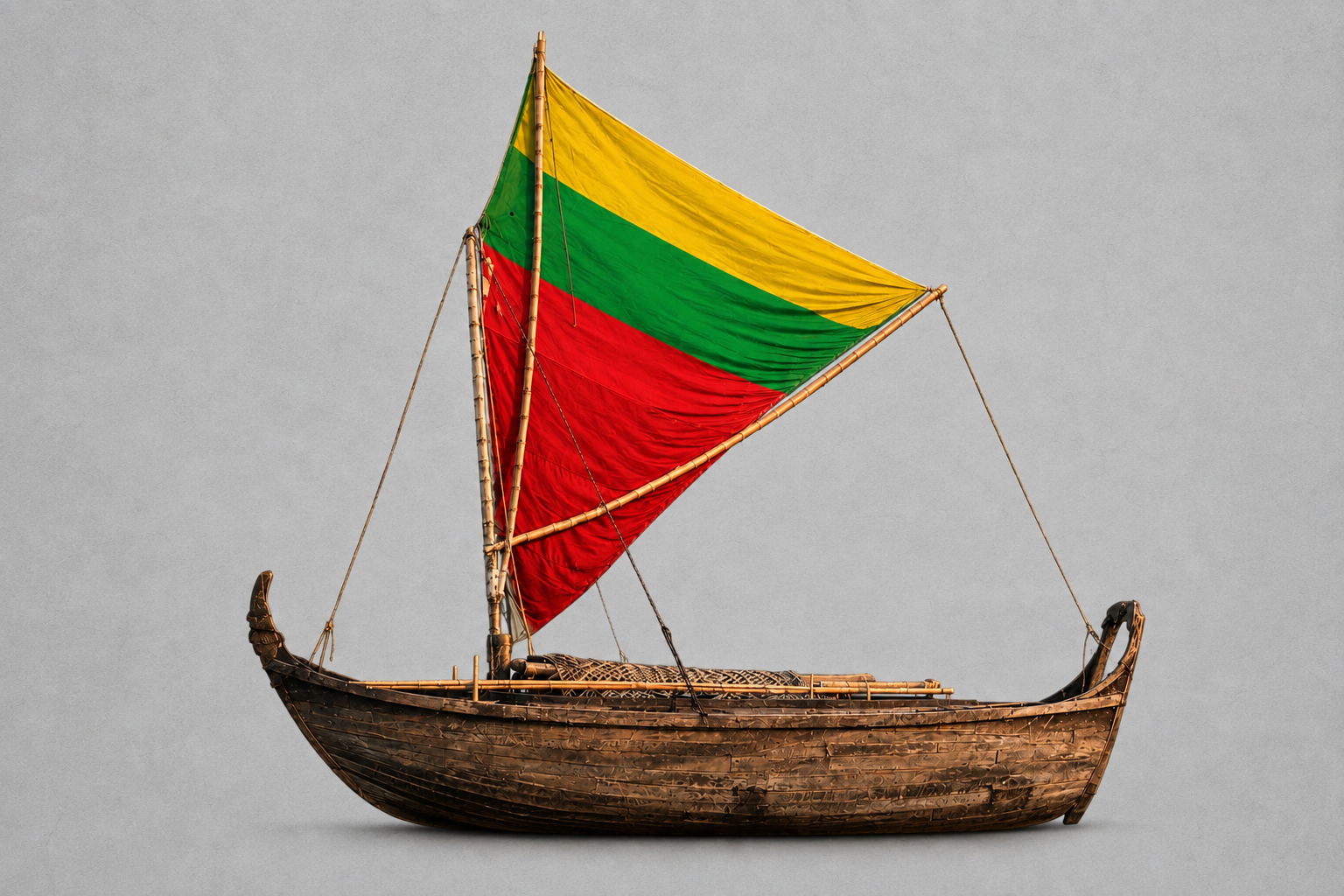
Samman
Large Boat
Samman is a large, deep boat whose name is linguistically linked to the word sampan, used in earlier times as a major part of sea transportation. Operating a Samman usually required two people, one to oversee the sea and manage or clear water from the boat, and the other to steer, with both switching roles over time. Its deep, wide build made it suited for longer journeys across open water. Samman remains remembered as an important vessel in earlier Rohingya coastal transportation.
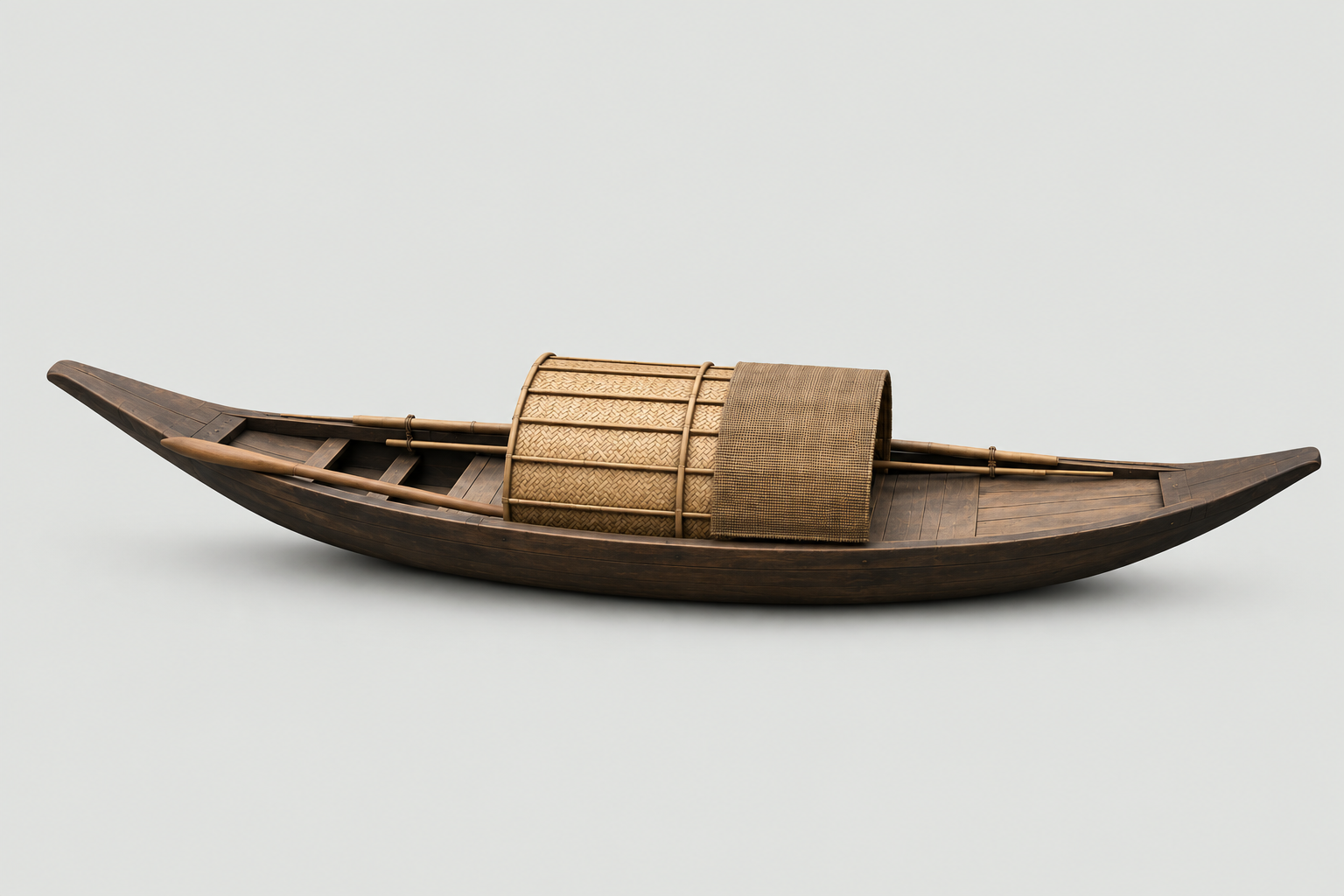
Noo
Small Boat
Noo is a smaller, thinner boat similar to Samman but used for short-distance transportation and often for fishing. Its lighter build made it easier to handle for quick trips across rivers or nearby waters, unlike the larger Samman meant for longer journeys. Noo served everyday needs where speed and ease of use mattered more than carrying larger loads. It remains part of the traditional range of boats used in Rohingya water-based travel and fishing.

Boot
Engine Boat
Boot refers to a boat used once engines and oil became widely available in Arakan, offering a faster mode of transportation than the earlier Samman and Noo. Its engine allowed for quicker travel and made fishing trips more efficient compared to boats relying only on manual rowing. This shift marked a change in Rohingya water transportation as new technology became accessible. Boot remains commonly used today for both transportation and fishing along Rohingya coastal and river areas.
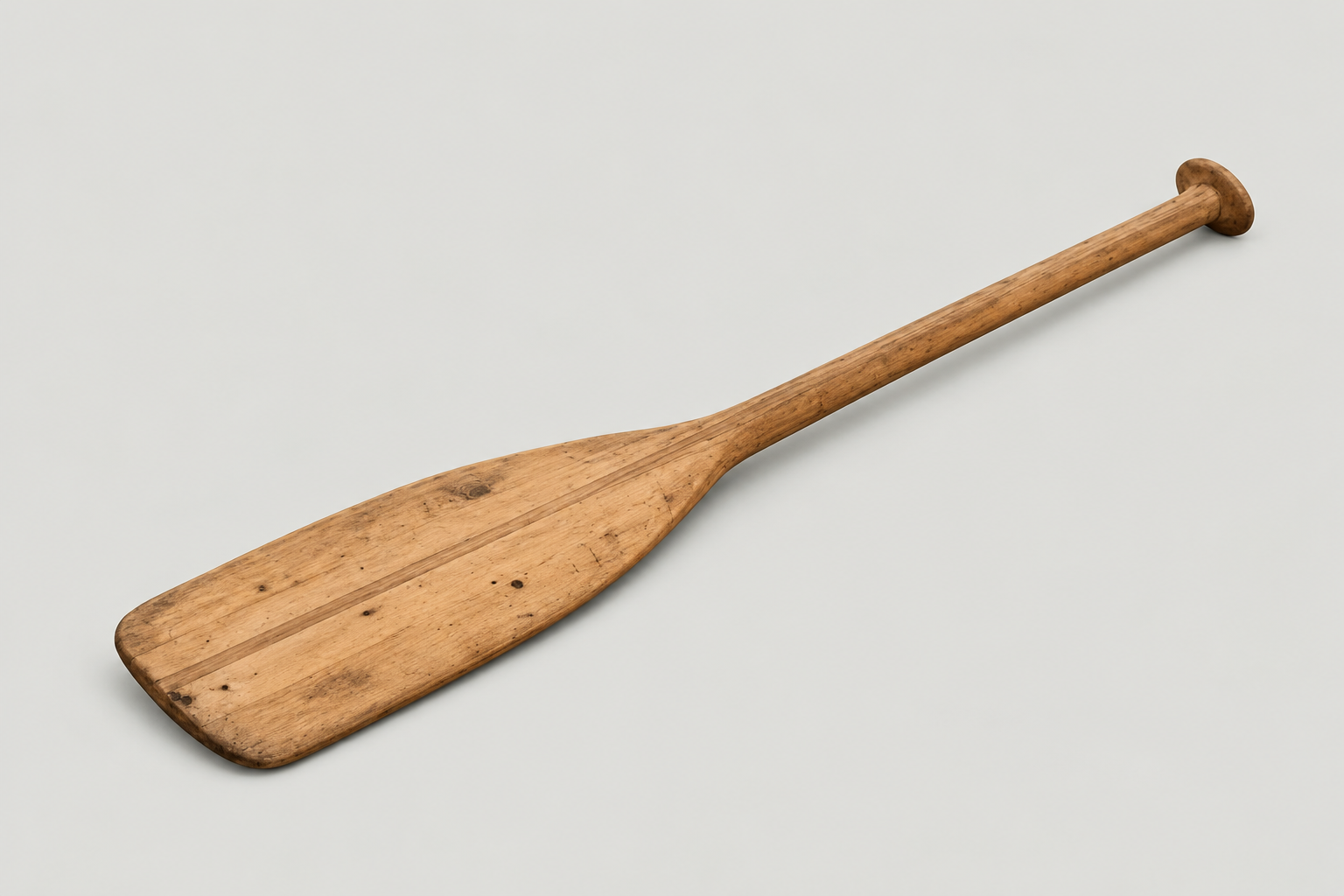
Noor Foi
Boat Paddle
Noor Foi is a paddle used to steer and move boats such as Samman and Noo through rivers and coastal waters. As a simple, hand-powered tool, it gave boatmen direct control over speed and direction before engines became common in Arakan. Skilled use of the noor foi was essential for navigating currents and tight waterways, especially on smaller boats used for fishing and short trips. Noor Foi remains part of traditional Rohingya boat-building and boating culture, tied closely to the region's rivers and coastline.
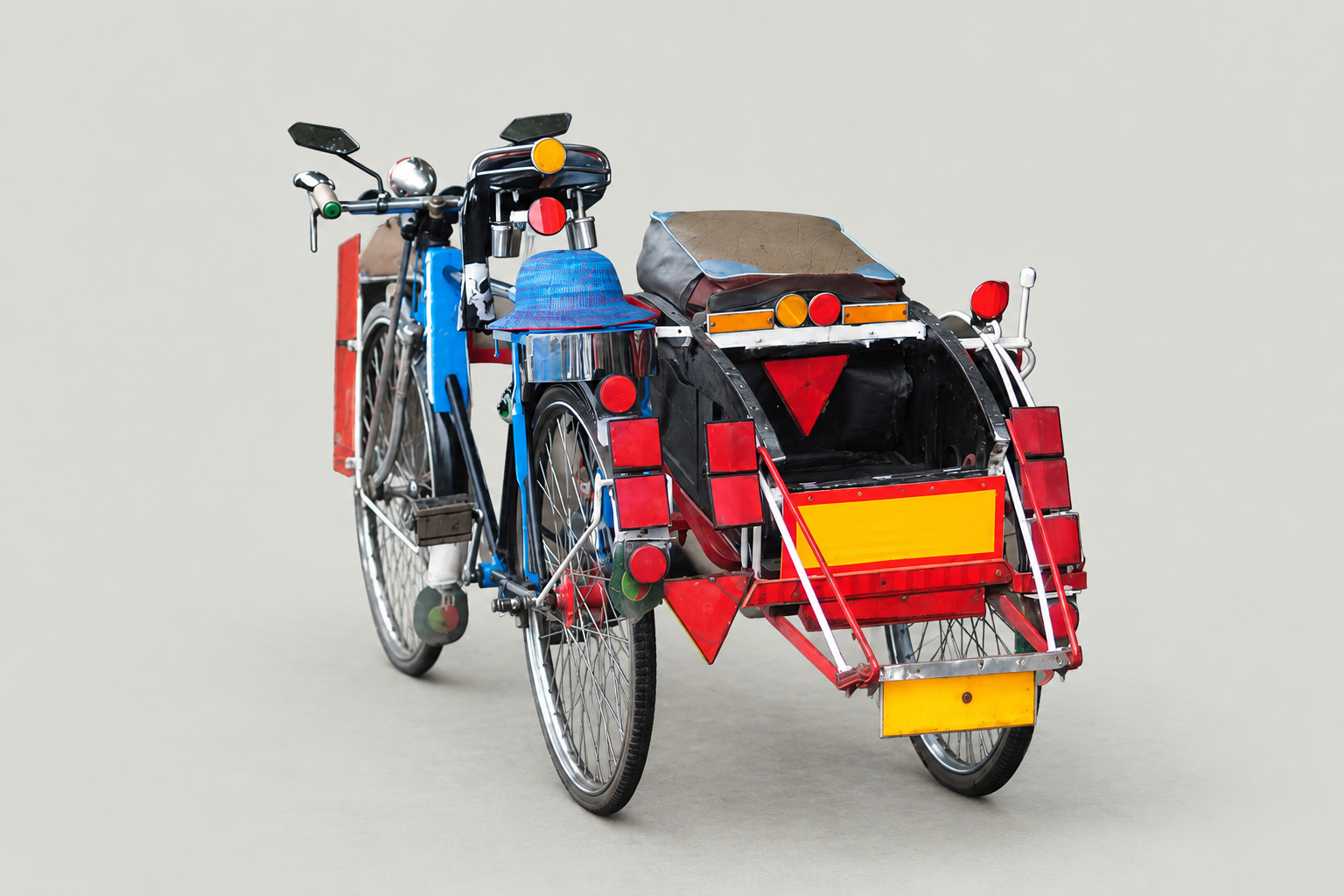
Saikká
Rickshaw
Saikká is a Burma-style rickshaw used for transportation over short distances, offering a human-powered alternative to walking or cart travel. Common in towns and villages, it provided an accessible way to move people and small goods around without relying on animals or fuel. Saikká reflects the everyday transportation methods used across Rohingya and wider Arakan communities. It remains recognized as a familiar mode of local transport within Rohingya cultural memory.

Gúrar Garí
Horse Cart
Gúrar Garí, or horse cart, was a very popular means of transportation in earlier times, used to carry people and goods over longer distances than walking allowed. Pulled by a horse, it offered a practical option for families and traders needing to move heavier loads. Horse carts were once a common sight on roads connecting villages and markets. Gúrar Garí is remembered today as part of the transportation methods used before motor vehicles became widespread in Rohingya areas.
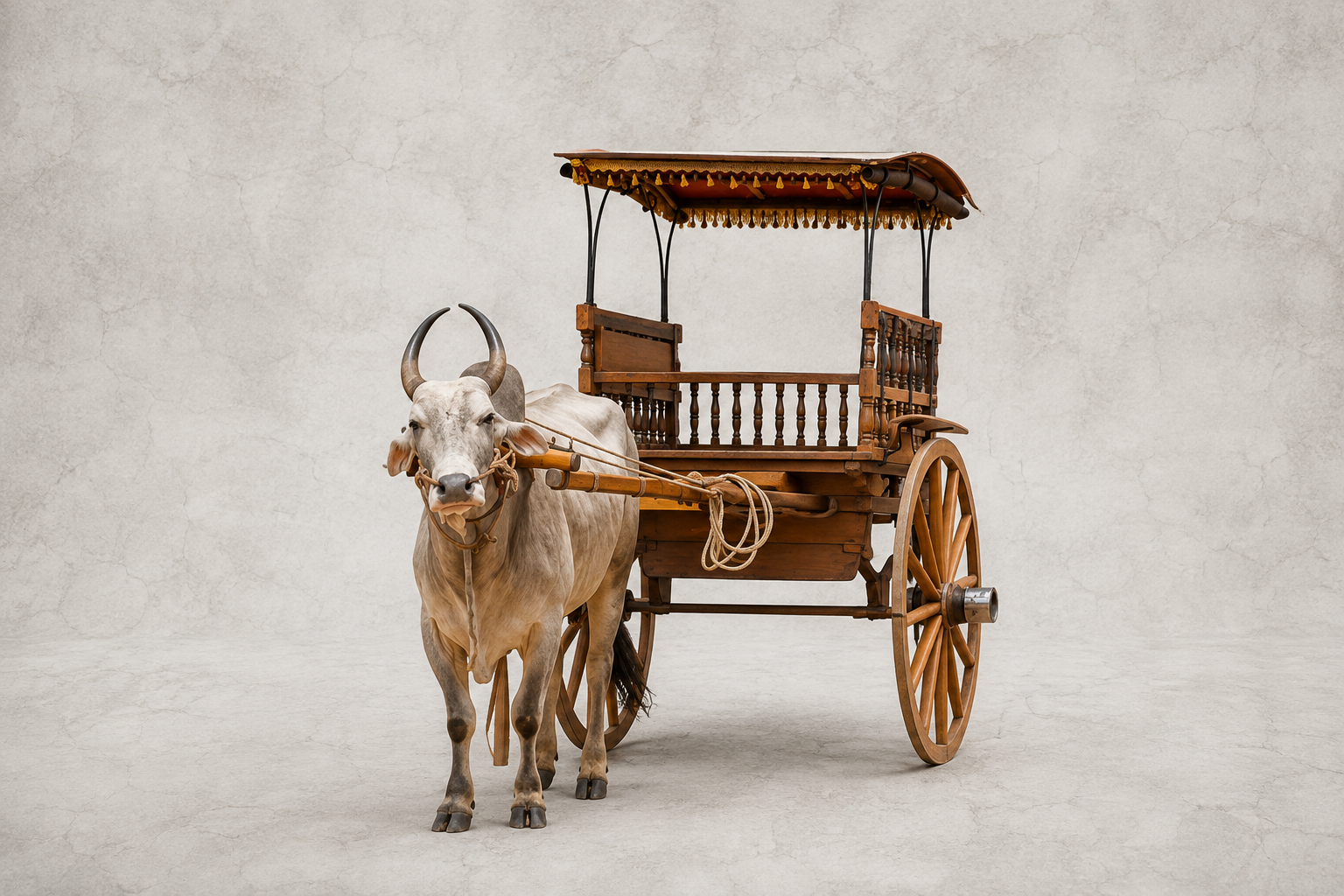
Gorúr Garí
Bullock Cart
Gorúr Garí, or bullock cart, worked much the same way as the horse cart, using oxen instead of horses to pull loads of people or goods. It was especially useful for farm work and transporting harvests, given the strength and steady pace of bullocks. This mode of transport connected closely to agricultural life in Rohingya villages. Gorúr Garí remains remembered as an important part of earlier Rohingya rural transportation and farming support.
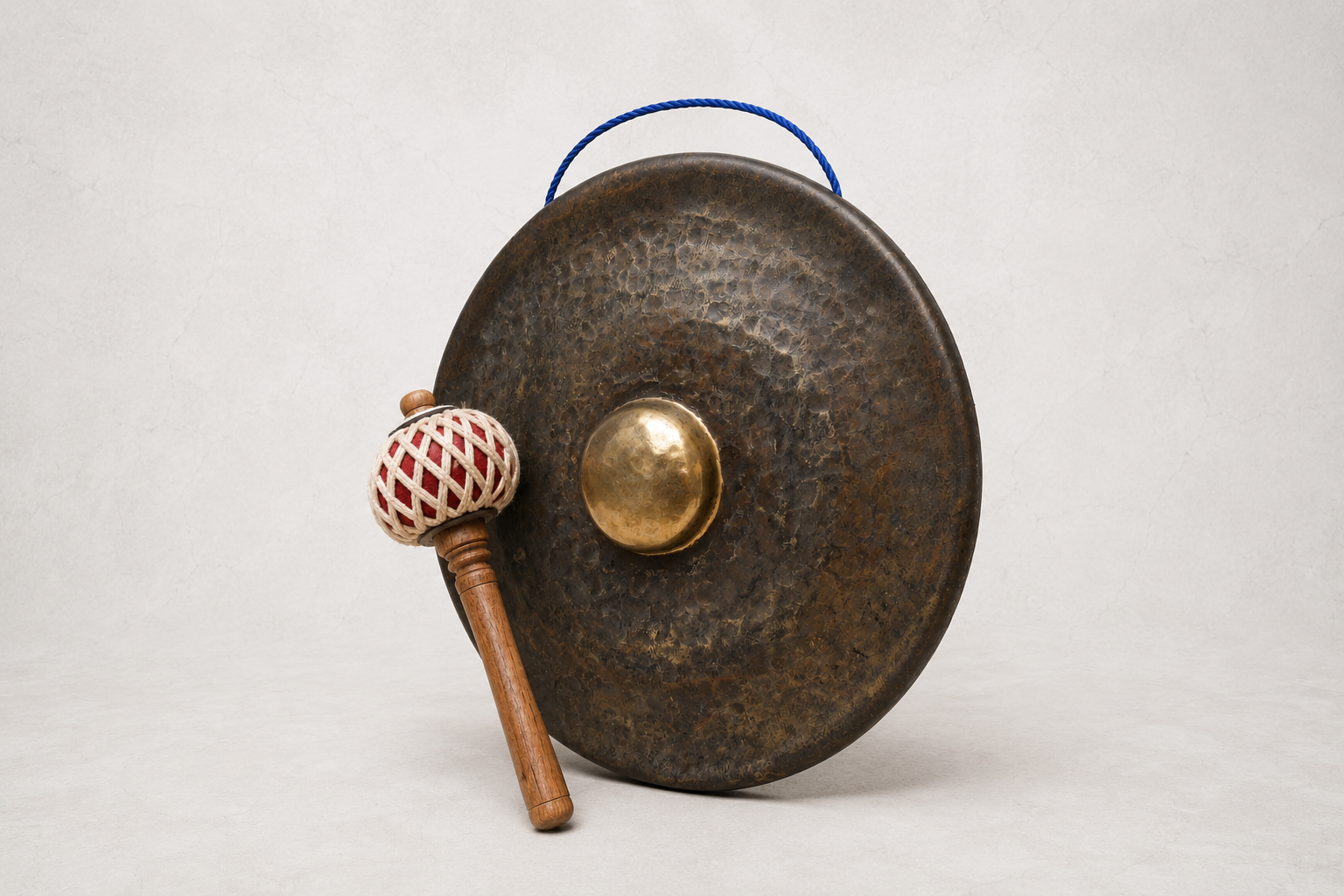
Muum
Gong
Muum is a gong used during weddings, played by striking it with a stick to produce a deep, resonant sound. Its use added a festive, ceremonial atmosphere to wedding celebrations, marking important moments during the event. As a percussion instrument, it worked alongside other traditional instruments to create the sound of Rohingya wedding music. Muum remains part of the traditional instruments associated with Rohingya wedding celebrations and cultural gatherings.

Zaas
Bronze Cymbals
Zaas is a set of bronze cymbals used together with the Muum during weddings, made of two pieces that are clapped together to produce a specific sound. The combination of Zaas and Muum created a distinct rhythm central to traditional Rohingya wedding music. These instruments added energy and celebration to the event, helping mark the joy of the occasion through sound. Zaas remains part of the traditional percussion instruments used in Rohingya wedding ceremonies.
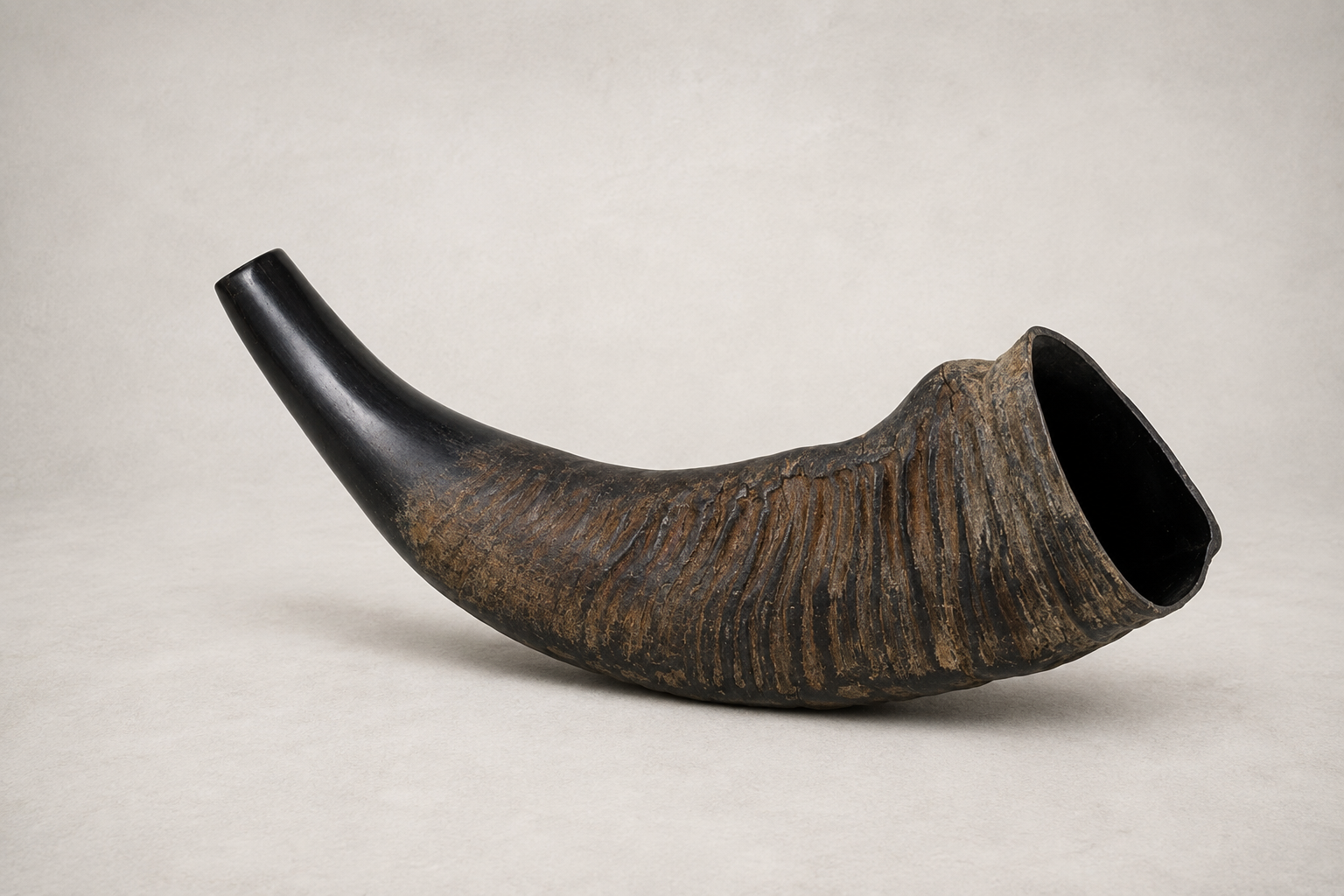
Cíña
Buffalo Horn
Cíña is a horn made from water buffalo horn, historically used to alert people that the Ramadan Suhur time had arrived, its long-distance sound carrying far enough for people to hear the alert. In earlier times, it was also used to signal warnings during conflict or war. As a loud, natural instrument, it served practical community functions beyond music. Cíña is remembered today as an important traditional tool for communication within Rohingya communities.
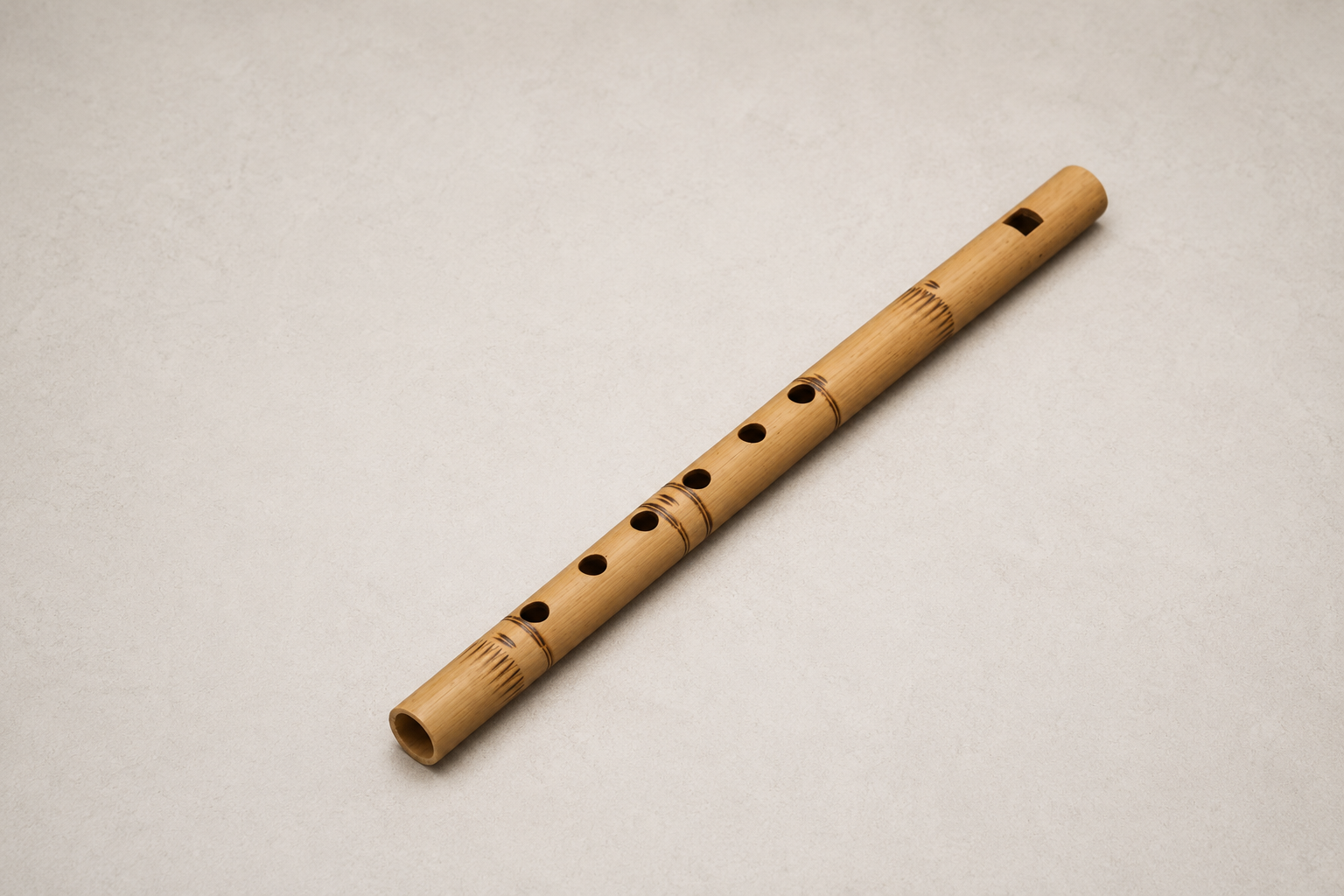
Murali
Bamboo Flute
Murali is a bamboo flute used to create musical tunes, well known in Rohingya culture though not typically used for weddings. It has traditionally been played for singing and in farm settings, adding music to everyday rural life rather than formal ceremonies. Its simple bamboo construction made it accessible to many, requiring only skill to play rather than costly materials. Murali remains a recognized traditional instrument tied to Rohingya musical and rural life.

Baza
Harmonica
Baza, or harmonica, is used in a similar way to the Murali, though made of different material, and is played primarily for singing accompaniment. Its portable size made it easy to carry and use in different settings, from casual gatherings to farm work. Like other traditional instruments, it added melody to everyday Rohingya musical expression. Baza remains part of the range of instruments traditionally used to accompany Rohingya singing.

Bela
Violin
Bela, or violin, serves a similar purpose to the Baza, used mainly to accompany singing in traditional Rohingya music. Its string-based sound offered a different tone compared to wind instruments like Murali or Baza, adding variety to musical performances. Instruments like Bela reflect how Rohingya musical tradition incorporated a range of instrument types over time. Bela remains recognized as part of the traditional instruments used to accompany Rohingya songs.

Miltilin
Mandolin
Miltilin, or mandolin, is another string instrument used for singing accompaniment within Rohingya musical tradition, similar in role to the Bela. Its distinct sound added further variety to the instruments available for performing traditional songs. As with other borrowed or adapted instruments, Miltilin became part of the wider set of tools Rohingya musicians used to create melody. Miltilin remains recognized as part of the traditional instruments used in Rohingya singing.
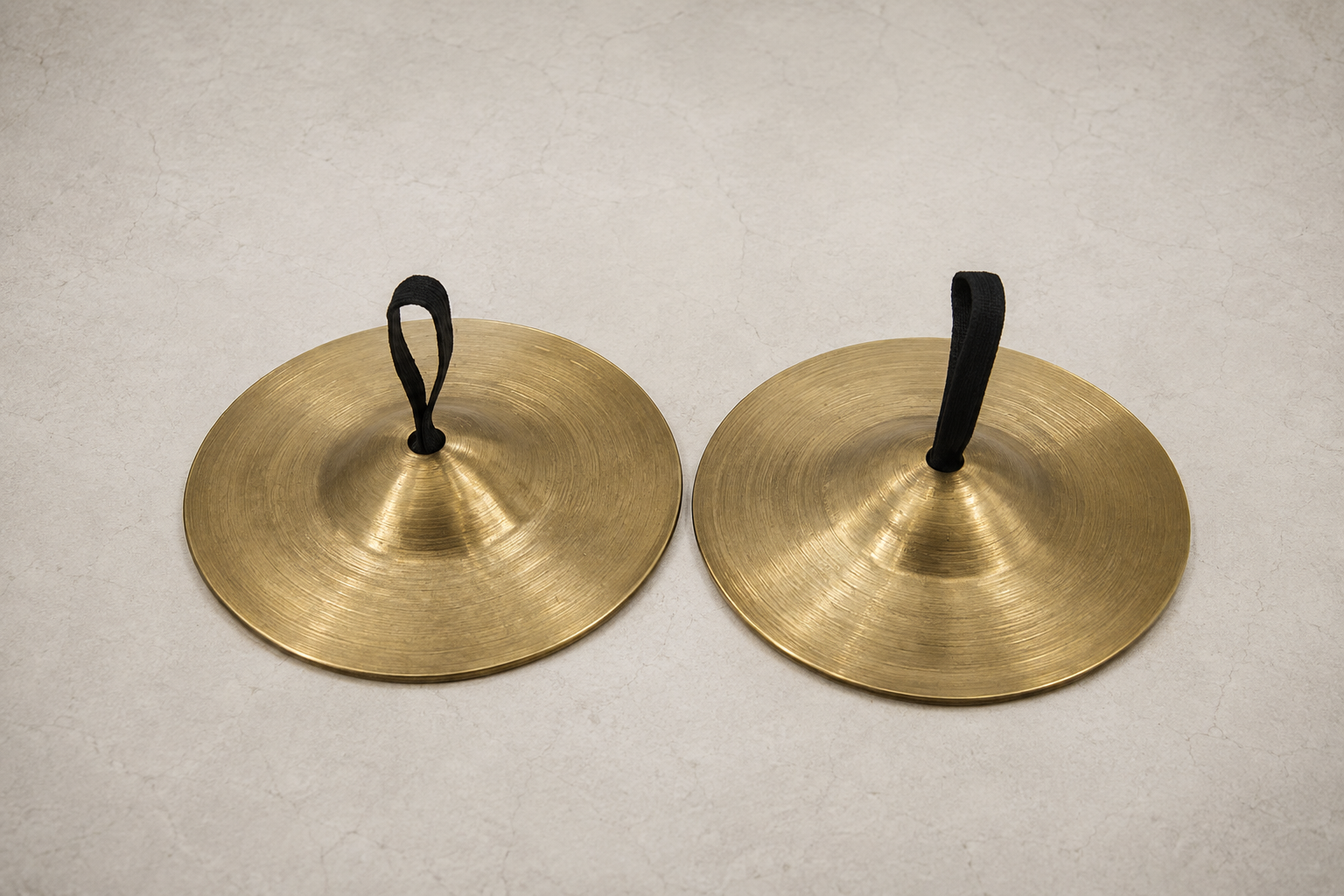
Zuri
Hand Cymbals
Zuri is a pair of hand cymbals similar to Zaas, but used specifically during singing rather than weddings alone. Played by clapping the two pieces together, it added rhythmic accompaniment to vocal performances. Its use across different musical settings shows how percussion instruments like this supported many forms of Rohingya musical expression. Zuri remains part of the traditional instruments used to accompany singing in Rohingya culture.
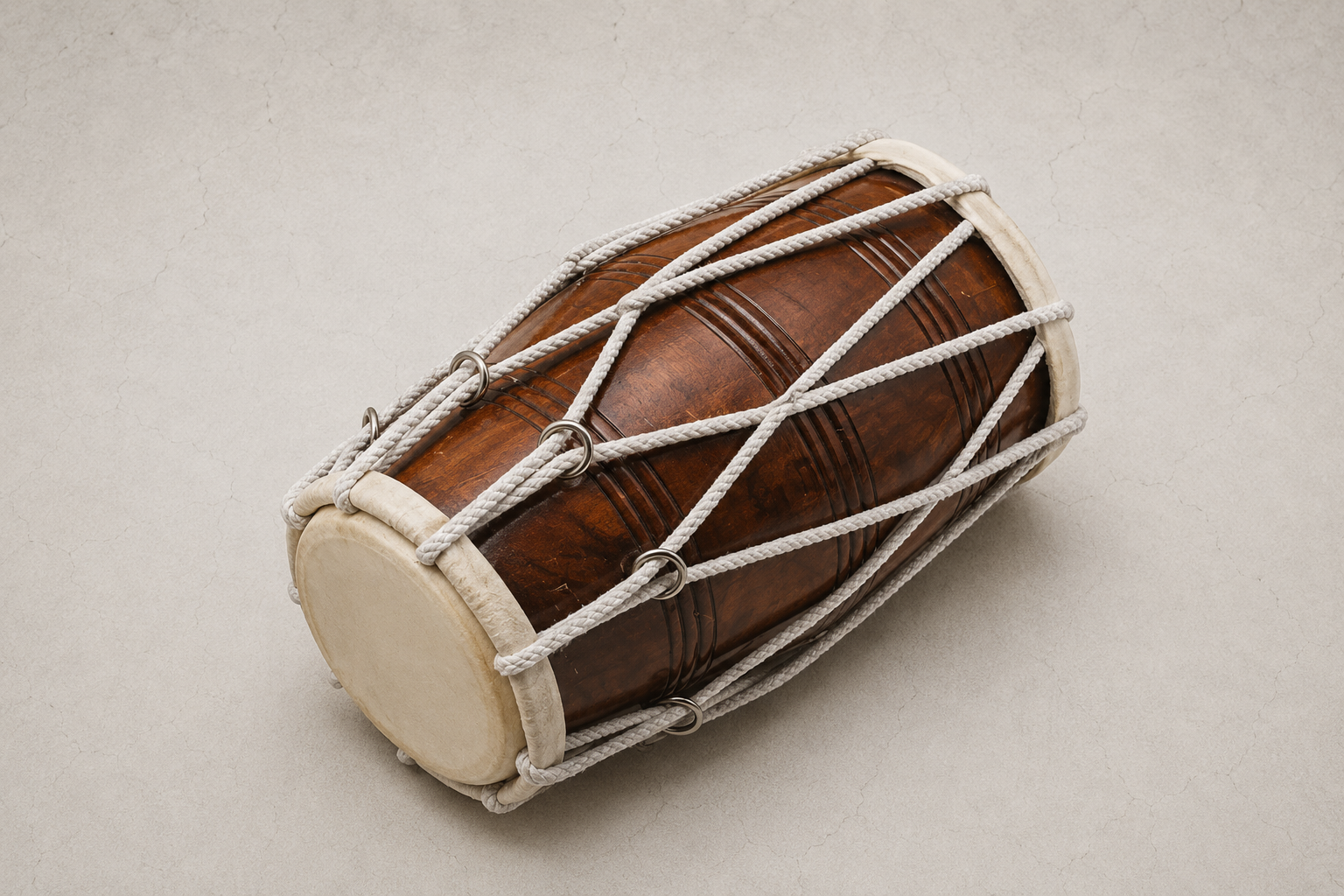
Dúl
Dholak Drum
Dúl is a drum used during weddings, played by a man hitting both sides with his hands to produce a pop-like sound and tone. Its rhythmic beat provided a strong foundation for wedding music and dancing, energizing the celebration. As a hand-played drum, it required skill and stamina to maintain the beat throughout an event. Dúl remains part of the traditional instruments used at Rohingya wedding celebrations today.

Gheet / Gaana
Romantic Song
Gheet, or Gaana, refers mostly to romantic songs widely sung within Rohingya communities. Early Rohingya musical figures such as Shobu and Zafar Kawal were known for singing songs of this kind, helping shape the tradition of romantic expression through music. These songs offered a socially accepted space to express feelings of love and longing. Gheet remains part of Rohingya musical heritage, carried forward through generations of singers and listeners.
Listen here
Tarana
Patriotic Song
Tarana is probably the best-known modern Rohingya musical tradition, focused on themes such as homeland, exile, statelessness, suffering, identity, hope, and community connected to Arakan. It has become an important way for Rohingya people, especially in diaspora, to express collective experience and longing for home through music. Tarana carries strong emotional and political meaning within the community. It remains one of the most widely recognized and meaningful song traditions among Rohingya people today.
Listen here
Hoñla
Wedding Song
Hoñla is a wedding-song genre usually built around the names of the groom and bride, sometimes reshaping their names in creative ways as part of the performance. It stands as one of the earliest traditions connected to Rohingya weddings, blending romance, humor, flirtation, advice, and celebration. Music like this gave space for themes that were harder to express openly in daily social settings. Hoñla remains part of Rohingya wedding culture, still sung and valued at celebrations today.
Listen here
Áillá Shári
Planting Song
Áillá Shári is a song sung by paddy planters while planting rice, expressing joy and happiness during the work. Singing while farming helped make long hours of physical labor feel lighter and more connected to community spirit. This tradition reflects how music was woven into daily agricultural life rather than kept separate from work. Áillá Shári remains remembered as part of the traditional songs tied to Rohingya farming culture.
Listen here
Boílla Shári
Harvest Song
Boílla Shári is a song sung during the harvesting and threshing of paddy, much like Áillá Shári accompanies the planting season. It marked the completion of months of farming work, offering a moment of shared celebration through song. These agricultural songs reflect how closely music was tied to the rhythm of farming seasons in Rohingya rural life. Boílla Shári remains part of the traditional songs associated with Rohingya harvest time.
Listen here
Ceer
Spiritual Song
Ceer is a spiritual song usually sung by madrasa students or similar figures, connected to religious themes and reflection. Its use in religious learning settings shows how music served spiritual as well as social purposes within Rohingya culture. Singing Ceer offered a way to express faith and devotion through a musical form rather than only through recitation. Ceer remains part of the spiritual song tradition within Rohingya religious and cultural life.
Listen here
Qawali
Night Wedding Song
Qawali is a wedding-night song tradition often structured like a debate between two singers, replying back and forth to one another, sometimes dividing supporters into competing groups. At times, the performance becomes playful, teasing the groom or bride through the lyrics. This lively, competitive style added entertainment and energy to wedding-night celebrations. Qawali remains part of Rohingya wedding musical tradition, valued for its wit and performance style.
Listen here
Zaari
Sad Story Song
Zaari is a long, sad song based on stories, often carrying deep emotional weight through its narrative and melody. Unlike festive songs tied to weddings or harvests, Zaari gave space for expressing grief, loss, and difficult life experiences through music. Its storytelling format allowed singers to pass down meaningful tales across generations. Zaari remains part of the Rohingya musical tradition, valued for its emotional depth and storytelling.
Listen here
Futhi
Myth and Legend Song
Futhi is a song based on myth and legend, passing down traditional stories through music rather than plain speech. This song form helped preserve cultural tales and beliefs across generations, making them memorable through melody and rhythm. Futhi reflects the role music played in keeping Rohingya oral traditions alive over time. It remains part of the broader tradition of storytelling songs within Rohingya culture.
Listen here
Olee
Lullaby Song
Olee is a lullaby song traditionally sung by mothers to help babies fall asleep. Its gentle, soothing melody reflects the tender, caregiving role music plays within Rohingya family life, passed down from mother to child across generations. Lullabies like Olee often carried simple, comforting words suited to a child's ear. It remains a familiar part of Rohingya family tradition, still sung by mothers to their children today.
Listen here
Albeda
Ramadan Waking Song
Albeda is a waking song sung during Ramadan, performed by a group of youths singing spiritual songs before Suhur time to wake people for their pre-dawn meal. This communal effort ensured that households did not miss the meal needed before the day's fast began. The tradition combines music with practical community service during the holy month. Albeda remains part of Rohingya Ramadan tradition, still practiced by some communities to help wake people for Suhur.
Listen here
Natiya
Religious Love Song
Natiya is a wedding-song tradition that combines romantic love with religious references, blending two themes that might otherwise seem separate. This mix allowed singers to express both earthly love and spiritual devotion within the same song, reflecting the deep connection between faith and daily life in Rohingya culture. Natiya adds a reflective, spiritual layer to wedding celebrations. It remains part of the traditional wedding song repertoire within Rohingya musical culture.
Listen here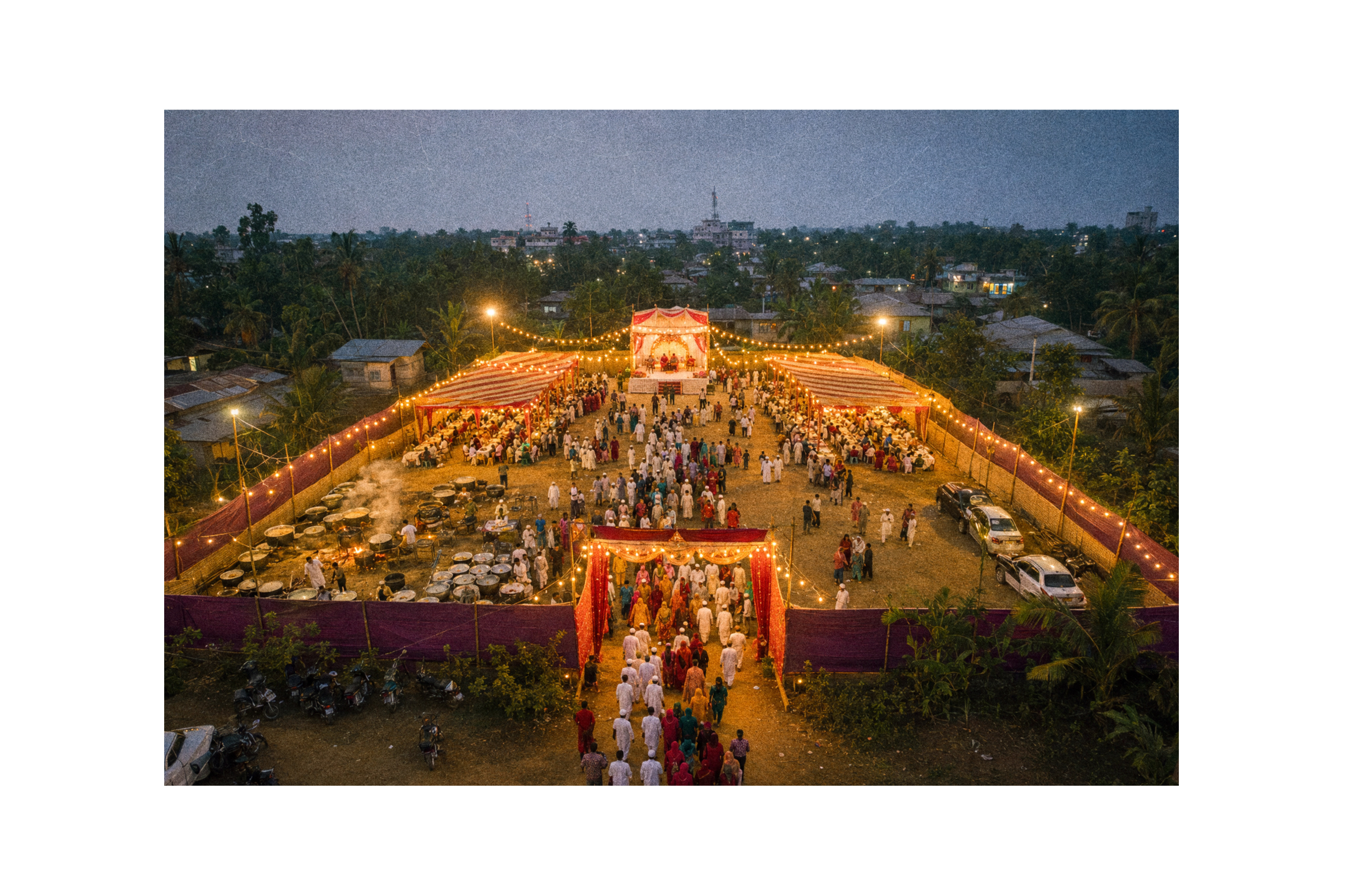
Biyá
Wedding
Biyá is the Rohingya wedding celebration, usually marked by treating guests to beef curry and rice after they are invited to the event. The bride is brought to the groom's house accompanied by cultural music and surrounded by relatives, making the journey itself part of the celebration. Weddings involve extensive family and community participation, from preparation to the final ceremony. Biyá remains one of the most significant and widely celebrated events in Rohingya community life today.
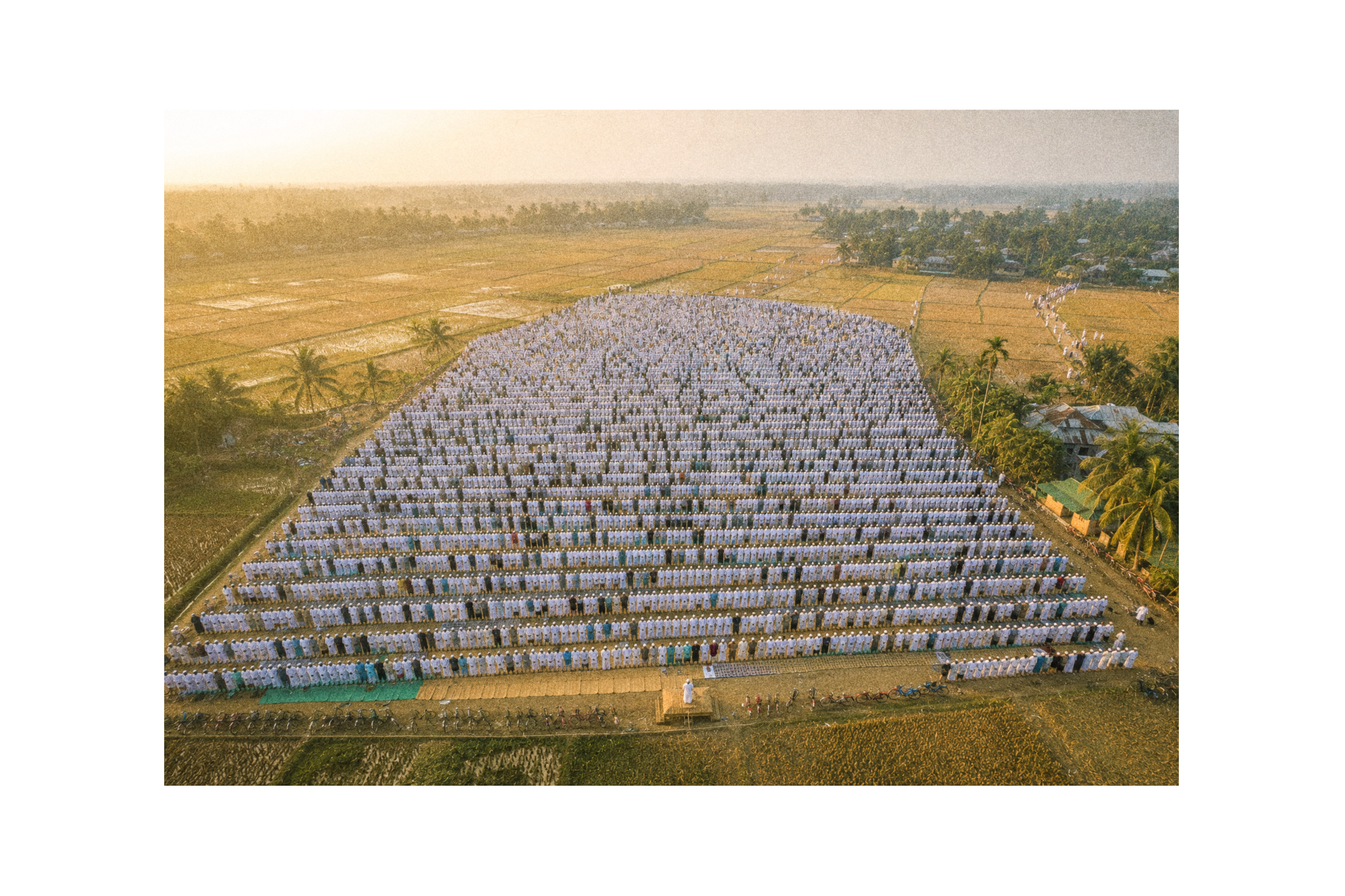
Eid
Eid Prayer
Eid prayer was traditionally held in large open gatherings, often in a huge paddy field, where Rohingya communities came together to pray Eid Salah. This large-scale communal gathering reflected the importance of shared worship and celebration during Eid. However, this practice was stopped by the Burmese government in late 2012 across Arakan, restricting how Rohingya communities could gather to observe the holiday. Eid remains one of the most important religious celebrations for Rohingya people, now often observed under more restricted conditions.
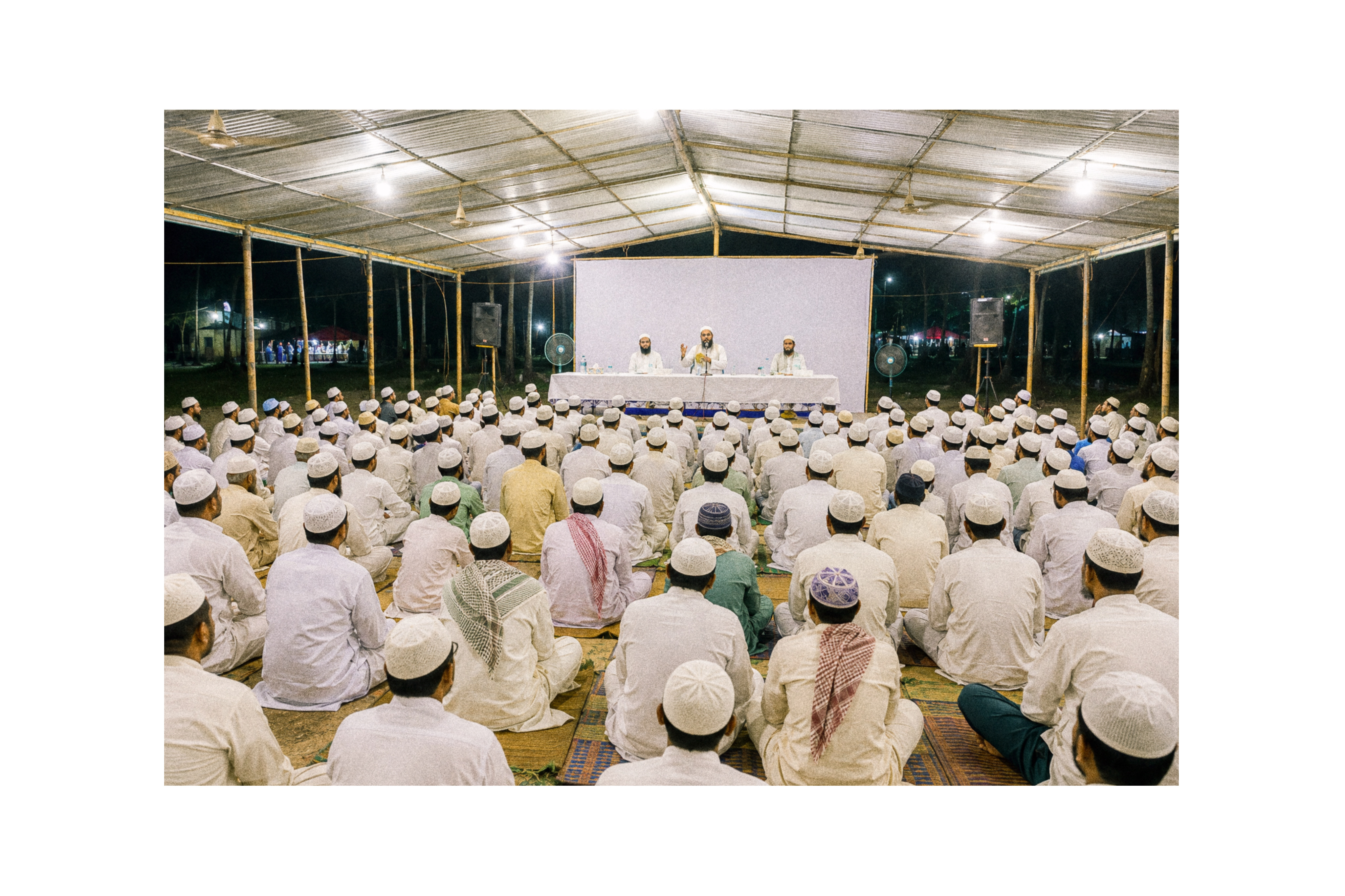
Wásfora
Night Preaching Event
Wásfora is a night preaching event where a religious Islamic scholar is invited to a gathering, usually managed by a host house, to preach for an hour or more. This event brings community members together for religious learning and reflection after dark, blending faith with social gathering. It stands as a very old traditional practice within Rohingya religious culture. Wásfora remains part of Rohingya religious life, offering a space for shared learning and spiritual connection.
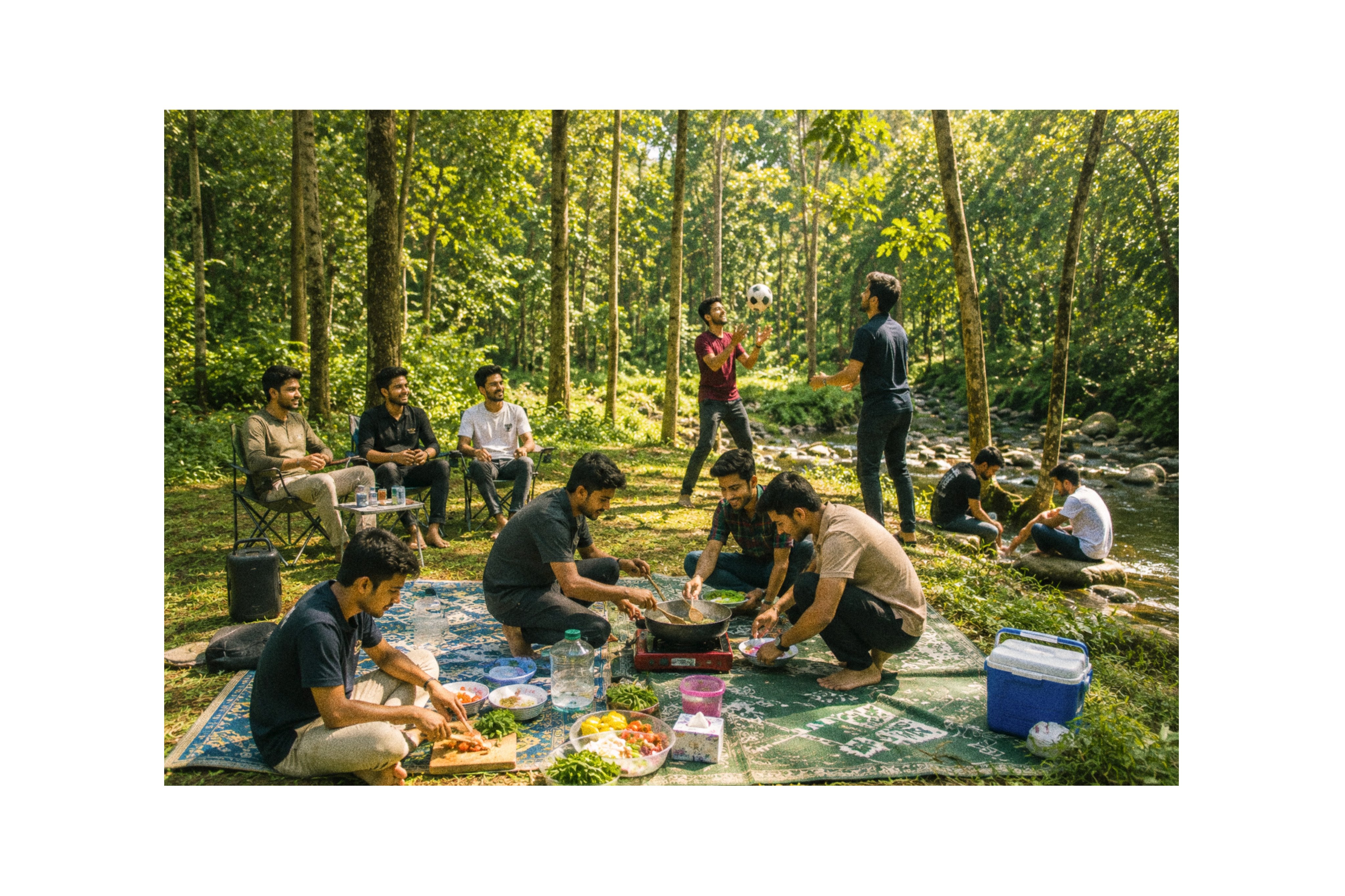
Kúabáth
Picnic
Kúabáth is a picnic event where a group of friends gathers together, often bringing a pet chicken to cook and share as part of the meal. Everyone participates in the cooking and eating, making it a social, cooperative event rather than a formal or religious one. This kind of gathering offers a relaxed break from daily routine, centered on friendship and shared food. Kúabáth remains a familiar and enjoyable tradition among Rohingya friends and communities today.
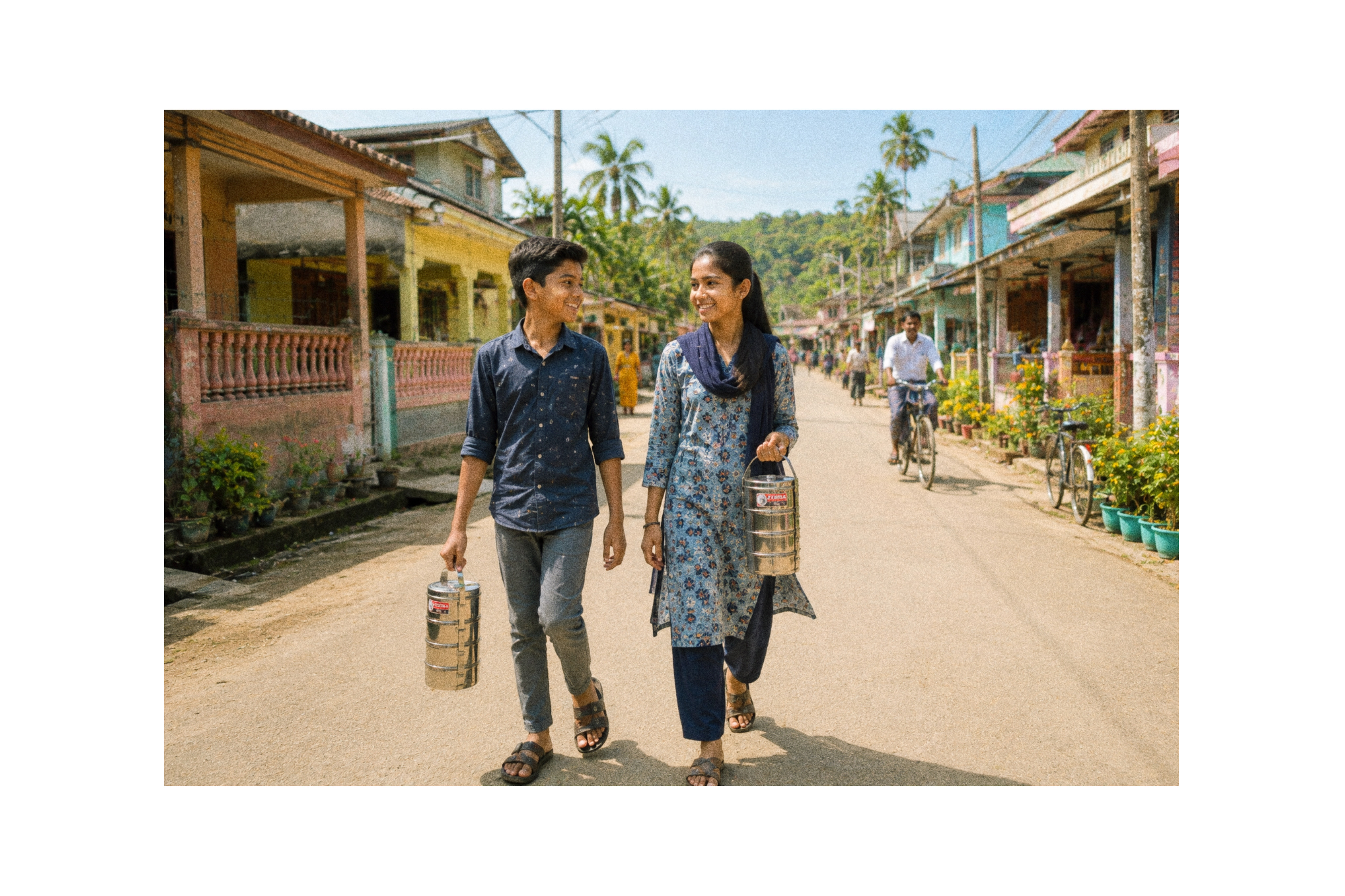
Háñdi
Pregnancy Blessing Visit
Háñdi is an event held to congratulate a pregnant woman, usually organized by her parents and relatives, or sometimes by friends. It marks an important stage in family life, bringing loved ones together to celebrate the upcoming birth and support the expecting mother. This tradition reflects the strong family and community involvement present at major life milestones in Rohingya culture. Háñdi remains part of Rohingya family tradition, celebrated when a woman is expecting a child.
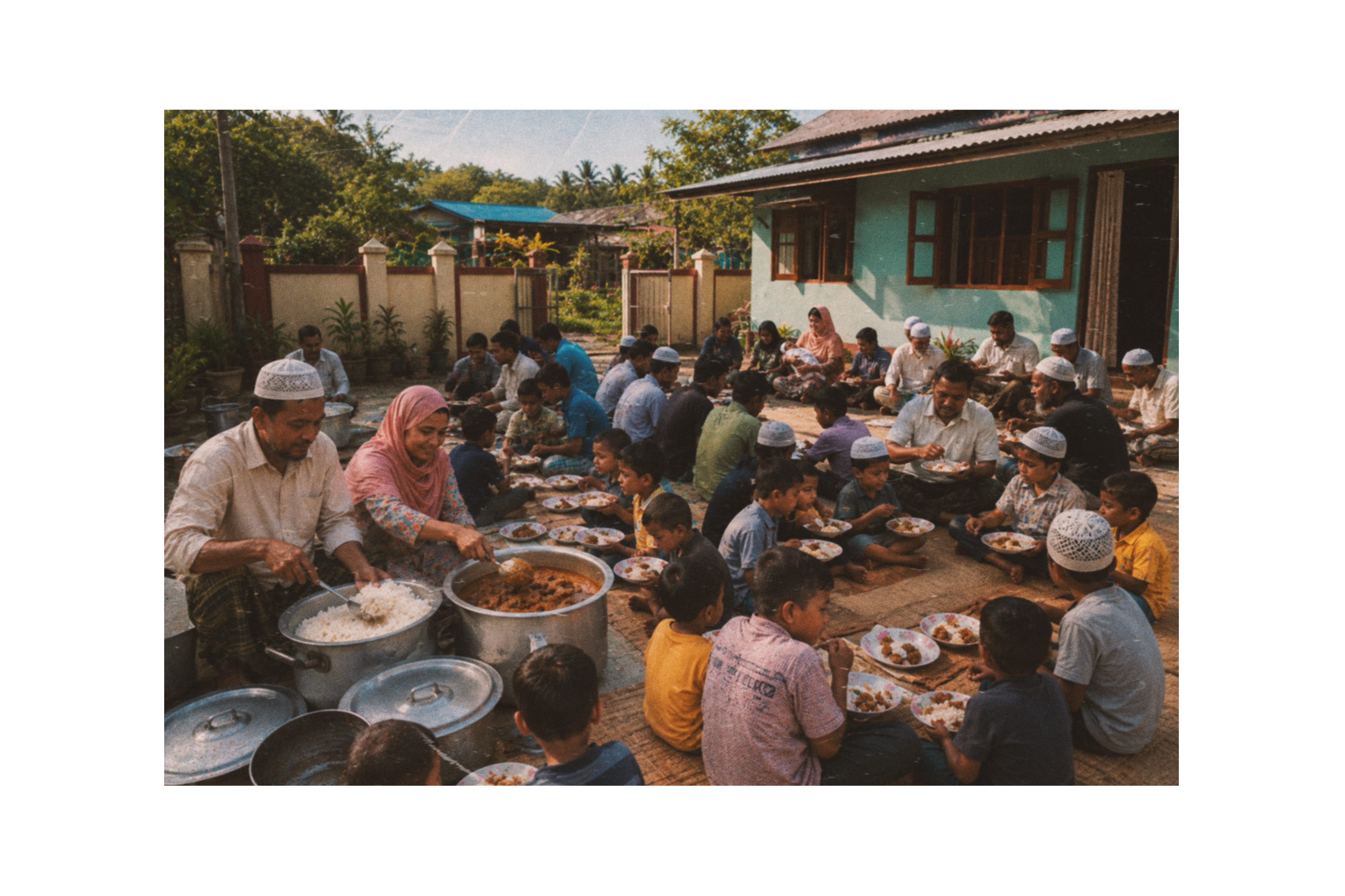
Akiya
Birth Thanksgiving
Akiya is a thanksgiving sacrifice held to mark the birth of a newborn child, expressing gratitude and seeking blessings for the baby's life ahead. This religious practice connects the arrival of a new family member to community and faith, often involving the wider family in celebration. Marking birth with such a ceremony reflects the value placed on new life within Rohingya culture. Akiya remains part of Rohingya religious and family tradition today, observed when a child is born.
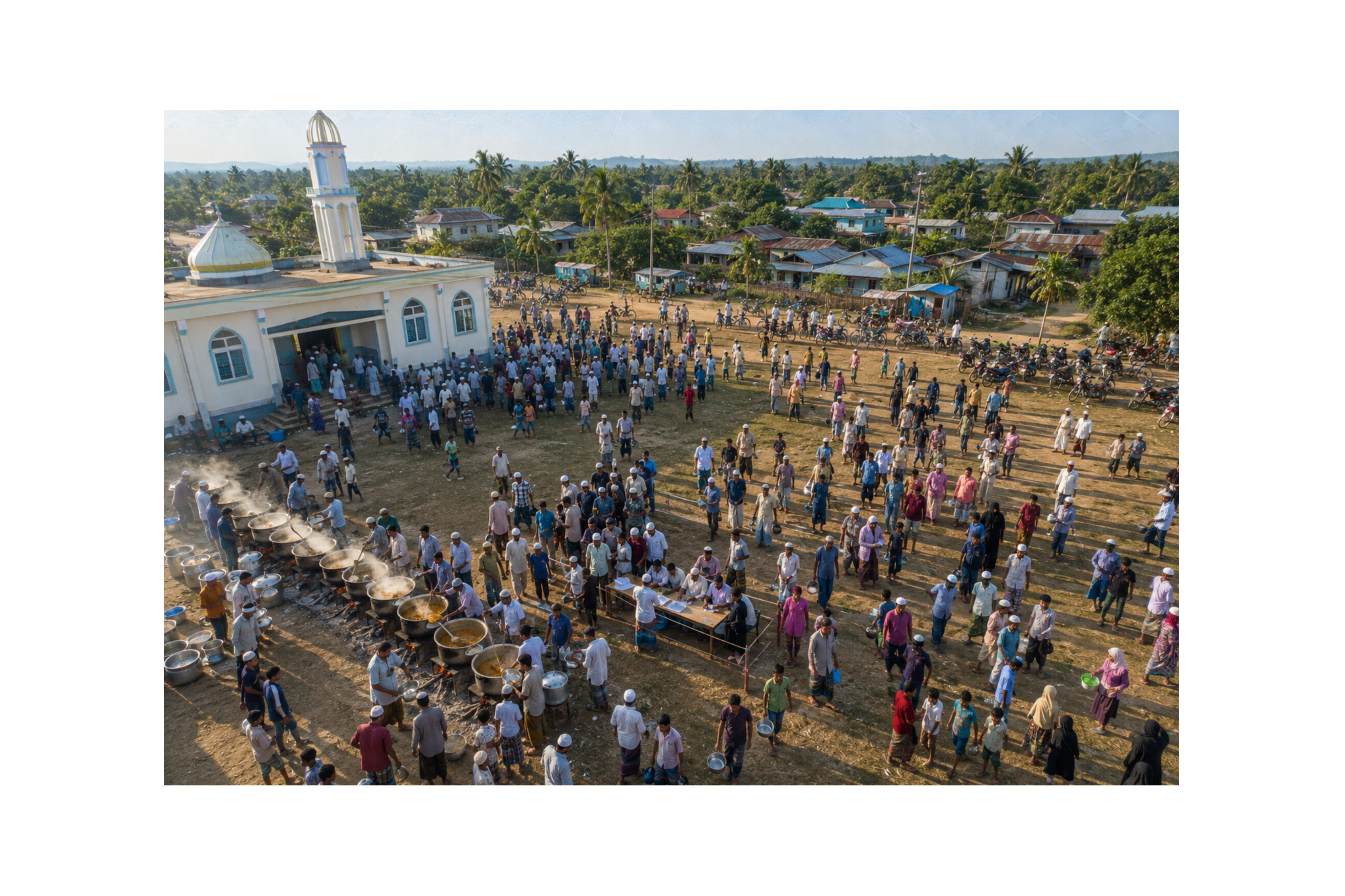
Zoltha
Madrasa Fundraiser
Zoltha is a fundraising event usually organized by a madrasa to cover its yearly expenses, commonly involving the sale of beef curry through tickets sold to households. Each household typically buys tickets and receives the curry in return, making the event both a fundraiser and a shared community meal. This practice supports religious education while strengthening community bonds. Zoltha remains part of Rohingya religious and community life, helping sustain madrasas through collective participation.
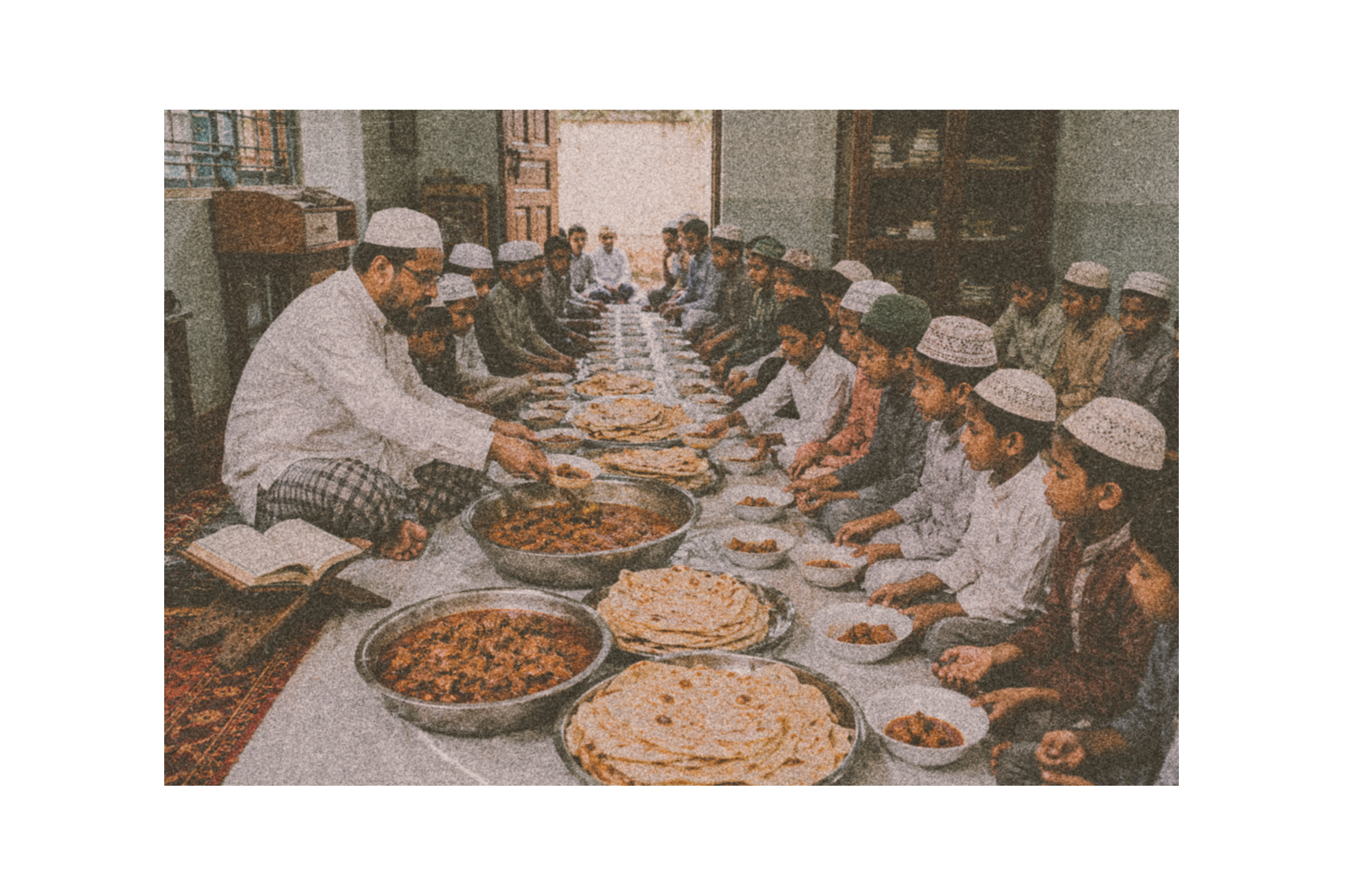
Fáthiyá
Spiritual Festival
Fáthiyá is a spiritual event where an Alim is invited to bless the first portion of specially prepared food, often beginning with recitation from the Quran before the food is shared. After the blessing, the food, often including beef curry and Luri Firá, is distributed to poor children, orphans, and neighbors. This practice combines religious devotion with charity and community care. Fáthiyá remains an important spiritual tradition in Rohingya culture, connecting faith with generosity toward others.
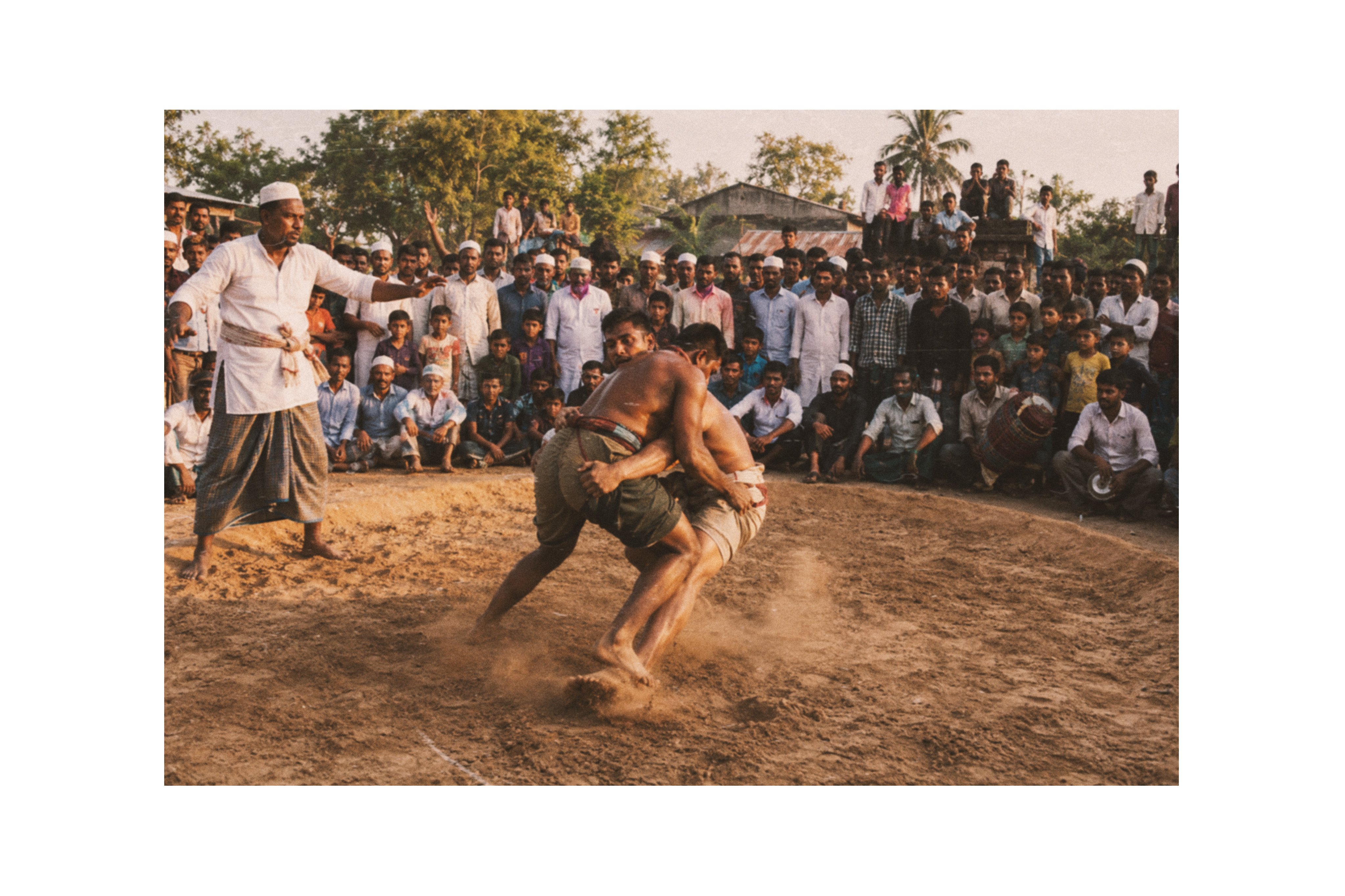
Boli Khela / Boli Kéla
Traditional Wrestling
Boli Khela, also called Boli Kéla, is a traditional form of wrestling where two energetic men compete against each other, representing one of the earliest recreational traditions within Rohingya and wider Arakan culture. This sport tested strength and skill, often drawing crowds to watch the competition unfold. As part of the broader Arakan cultural environment, wrestling has been documented as an important Rohingya cultural resource. Boli Khela remains recognized as a traditional sport within Rohingya cultural heritage.
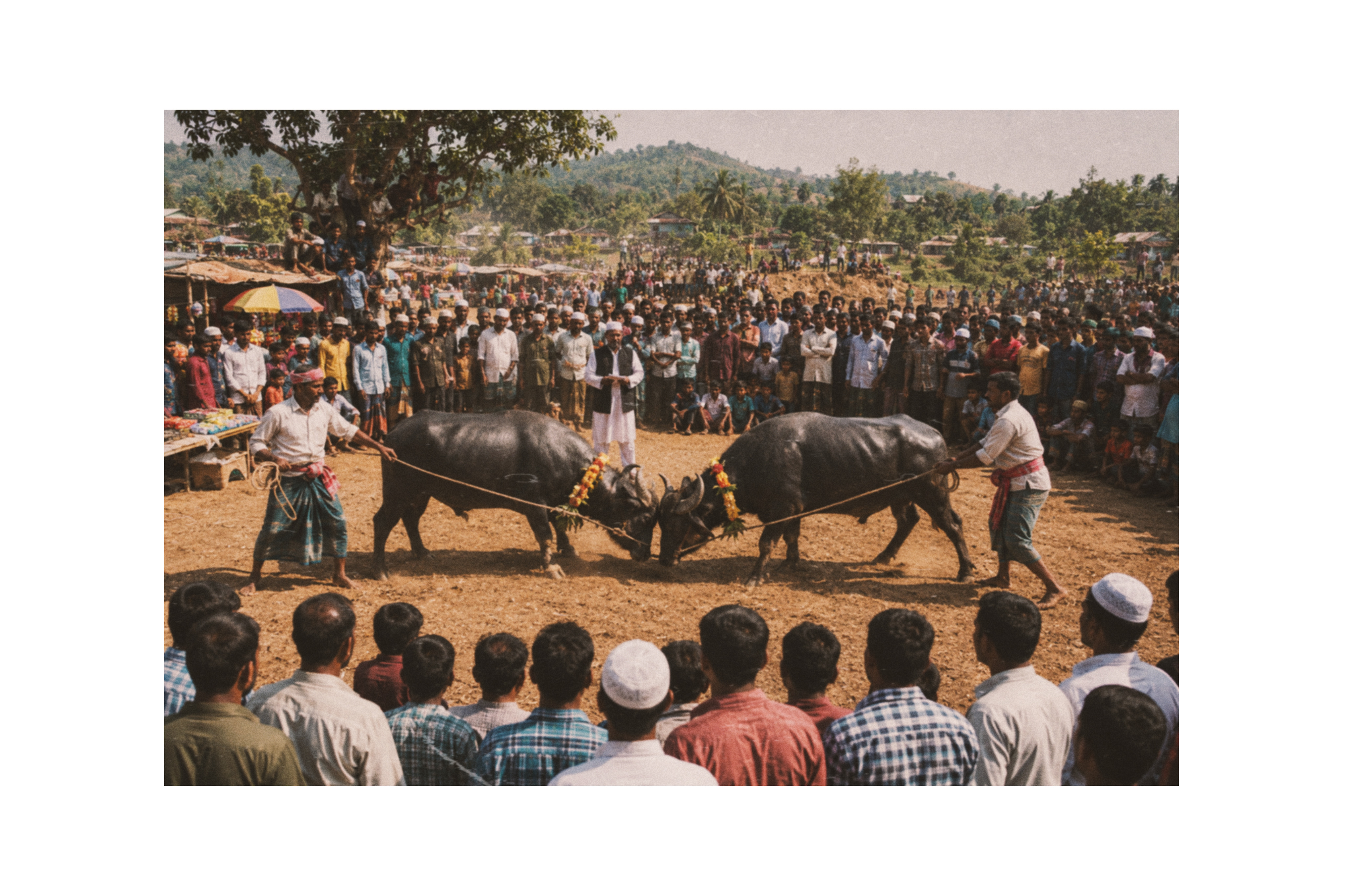
Boli Moishor Larai
Buffalo Fighting
Boli Moishor Larai, or buffalo fighting, was a major traditional festival in Arakan where two buffaloes were prepared and trained by their owners to compete against each other. Buffaloes were often decorated with flowers and treated with oil before the fight, while written agreements between owners and a referee ensured fair competition. Large crowds gathered, alongside temporary markets selling peanuts and betel, making the event a wider community gathering. Buffalo fighting served as a major form of entertainment in parts of Arakan.
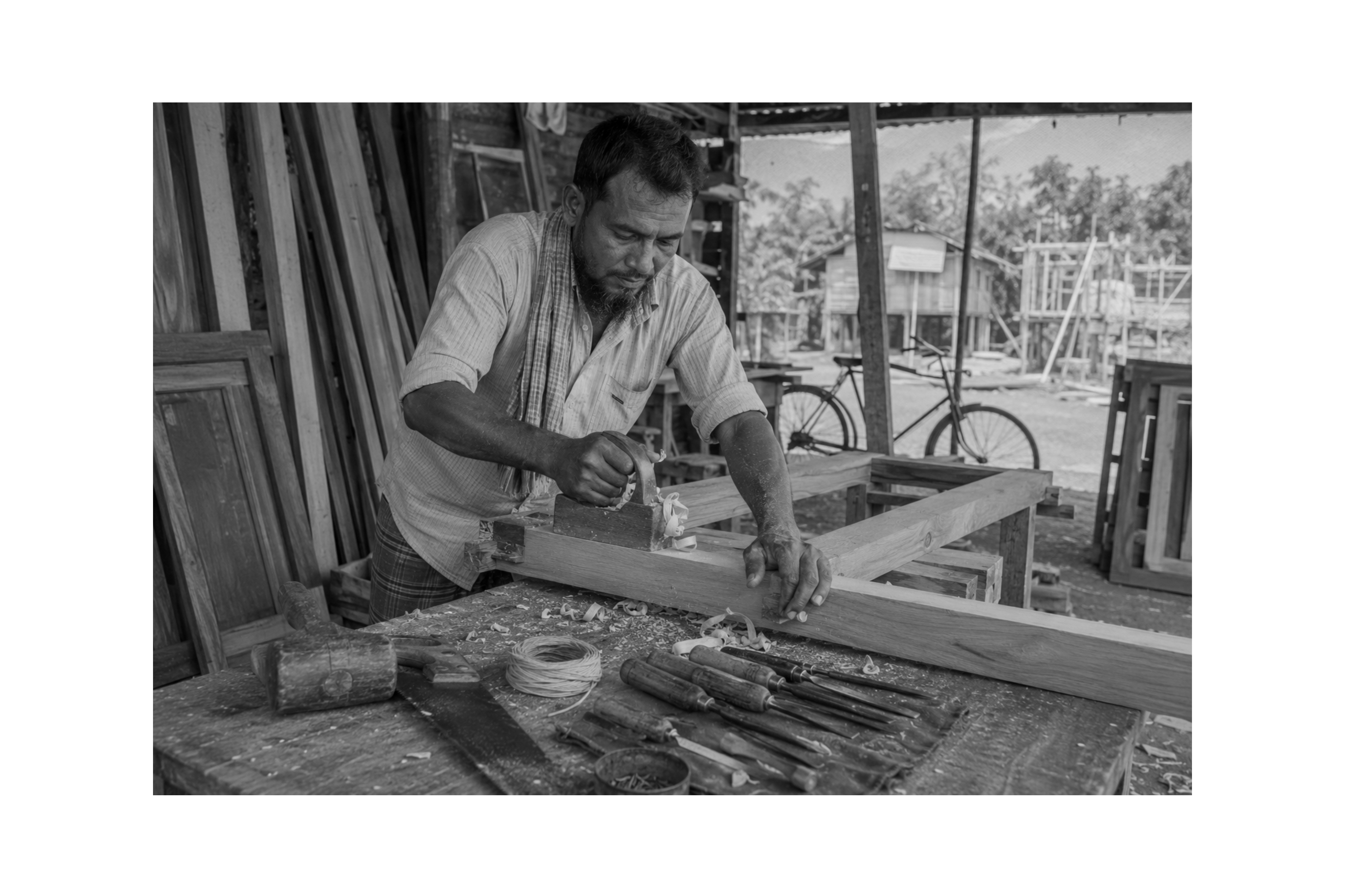
Mistri
Carpenter
Mistri refers to a carpenter or building craftsman skilled in working with wood and construction materials to build houses, furniture, and other structures. This trade has long been valued in Rohingya communities, given the reliance on wooden and bamboo houses that required regular building and repair. Skilled Mistri workers played an important role in shaping the physical structure of villages. The profession remains active among Rohingya communities today, wherever building and construction work is needed.
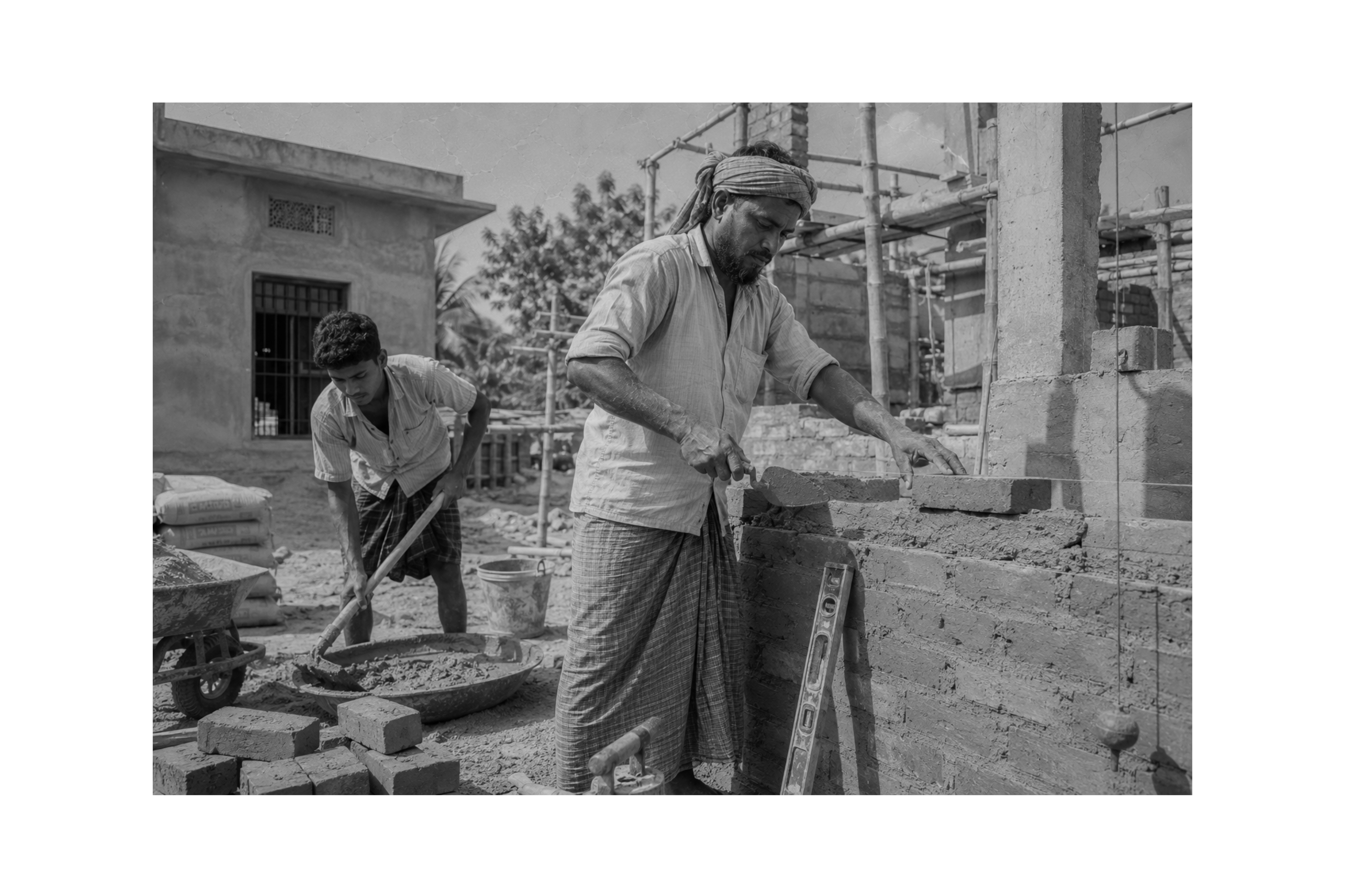
Cemottor Mistri
Mason
Cemottor Mistri refers to a mason, a tradesperson skilled in working with brick, cement, and stone for building construction. As Rohingya housing began to include more modern materials like cement, the role of the mason became increasingly important alongside traditional carpentry. Masons worked closely with helpers to complete building projects efficiently. This profession remains active today, especially as more modern buildings are constructed within Rohingya communities.
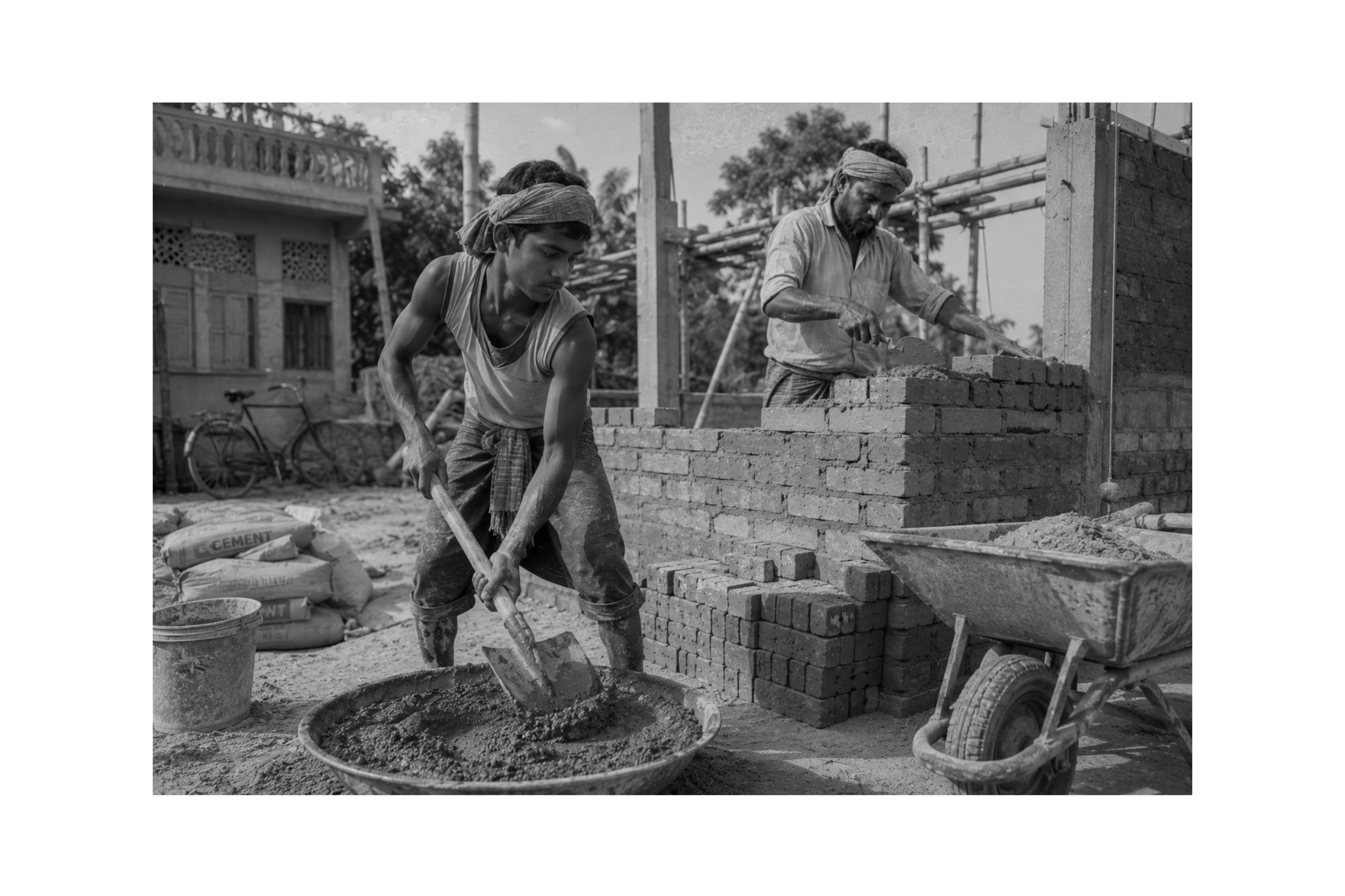
Zuwaillia
Mason's Helper
Zuwaillia is a helper who assists the Mason and Mistri in their construction work, supporting the skilled tradesperson with labor and preparation tasks. This role often served as a starting point for younger workers learning the building trade before advancing to more skilled positions. Working alongside experienced craftsmen allowed helpers to gain hands-on knowledge over time. Zuwaillia remains a recognized supporting role within Rohingya construction work today.
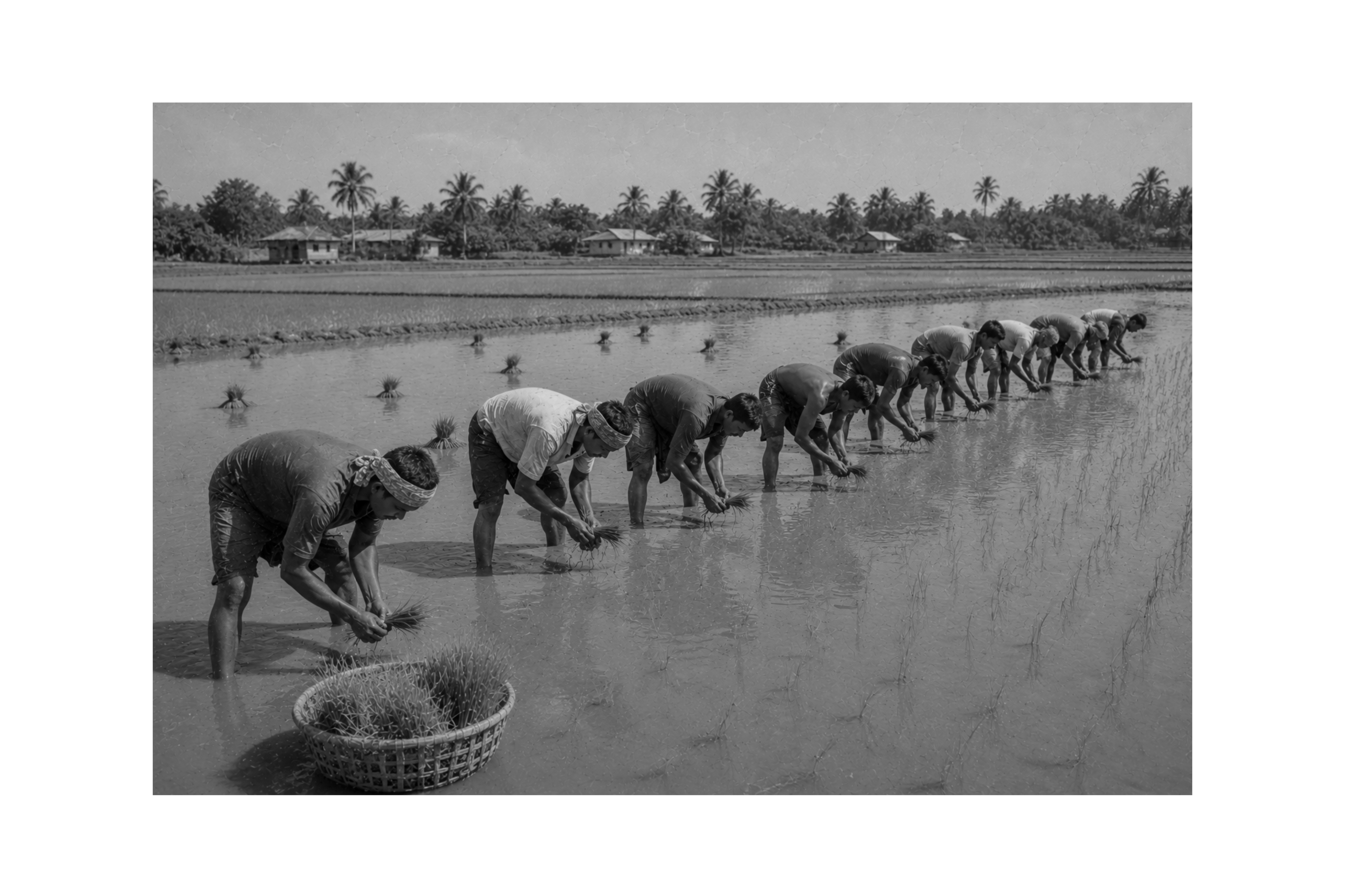
Rua Ruá
Paddy Planting
Rua Ruá refers to the work of planting paddy plants in the field, a fundamental task within Rohingya agricultural life. This labor-intensive activity marks the beginning of the rice-growing season and requires coordinated effort, often accompanied by planting songs like Áillá Shári to ease the work. Rice farming has long been central to Rohingya livelihood given Arakan's agricultural landscape. Rua Ruá remains an essential seasonal activity in Rohingya farming communities today.
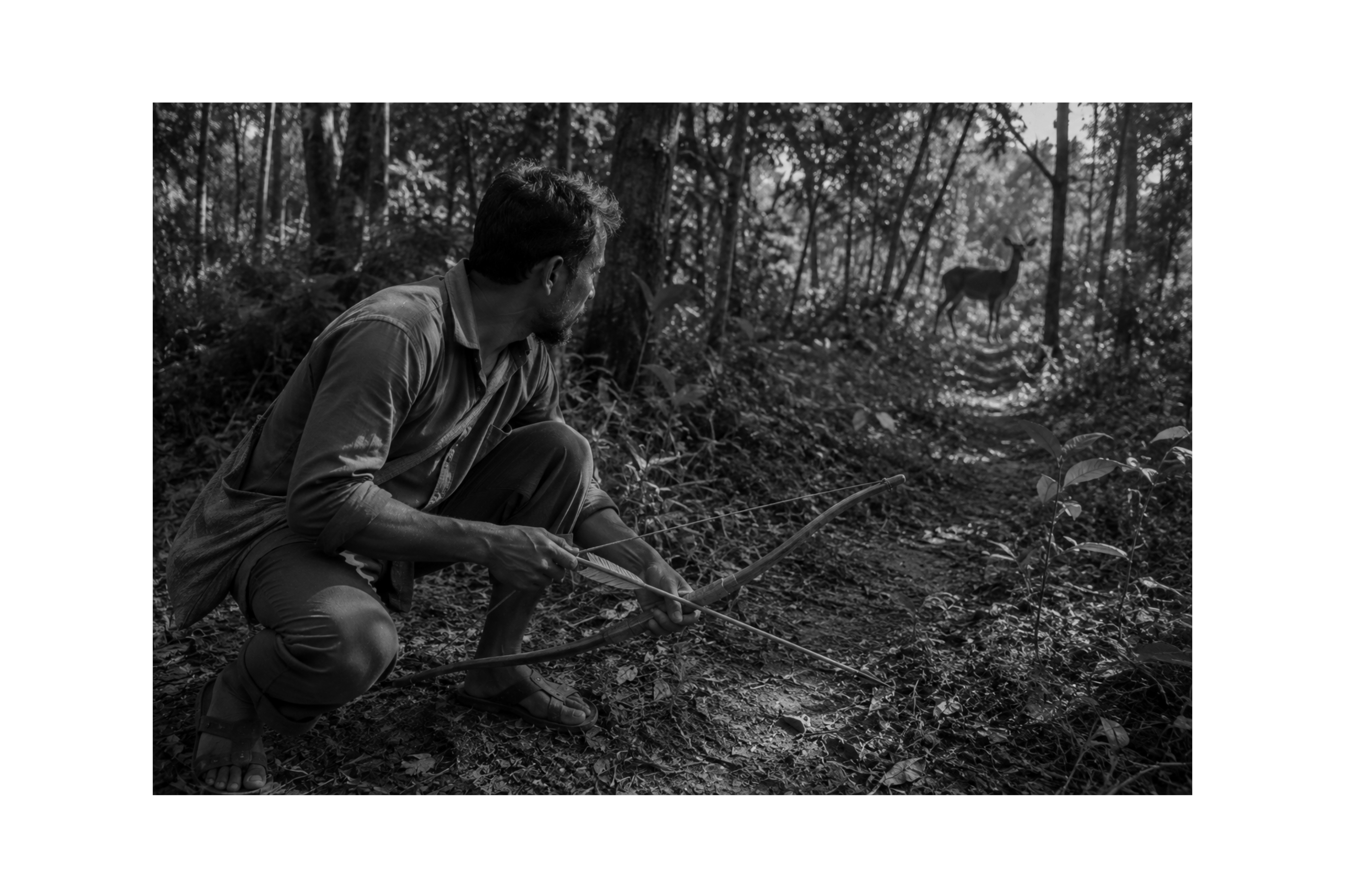
Chíkár Gorá
Hunting
Chíkár Gorá refers to hunting, mainly targeting deer and other halal, eatable animals within the local environment. This activity provided an additional source of food and income for some Rohingya families, supplementing farming and fishing. Hunting required skill and knowledge of the local terrain and animal behavior, often passed down through generations. Chíkár Gorá remains part of Rohingya traditional livelihood practices, particularly in more rural or forested areas.
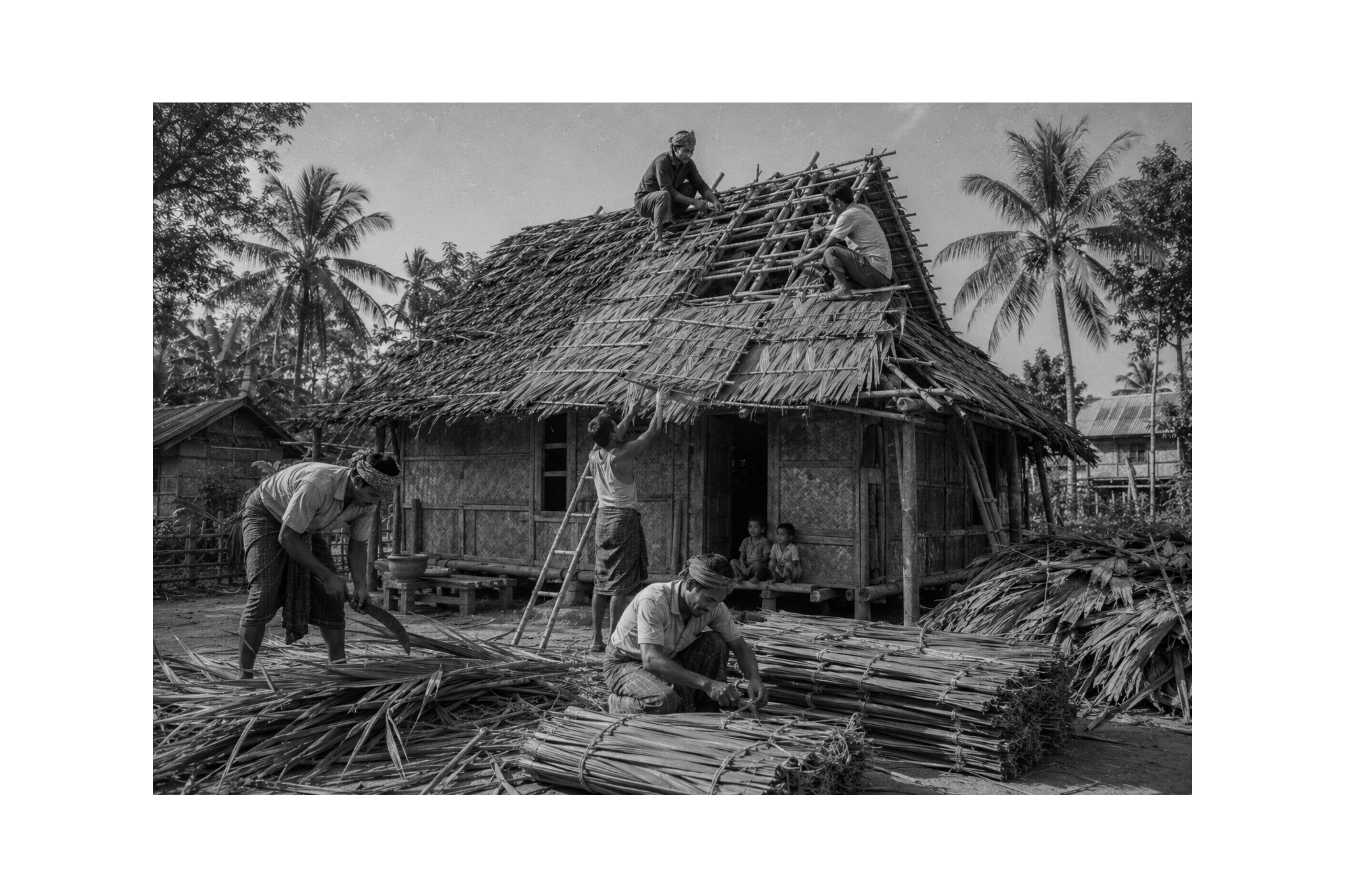
Ghór Saá
Roof Renewal
Ghór Saá refers to the work of renewing a house's roof, typically made of palm leaves that Rohingya families replace once every two to three years. This regular maintenance task reflects the practical upkeep required for traditional homes built with natural materials. Roof renewal often involved family or community labor working together to complete the task efficiently. Ghór Saá remains part of the ongoing maintenance work needed for traditional Rohingya houses.
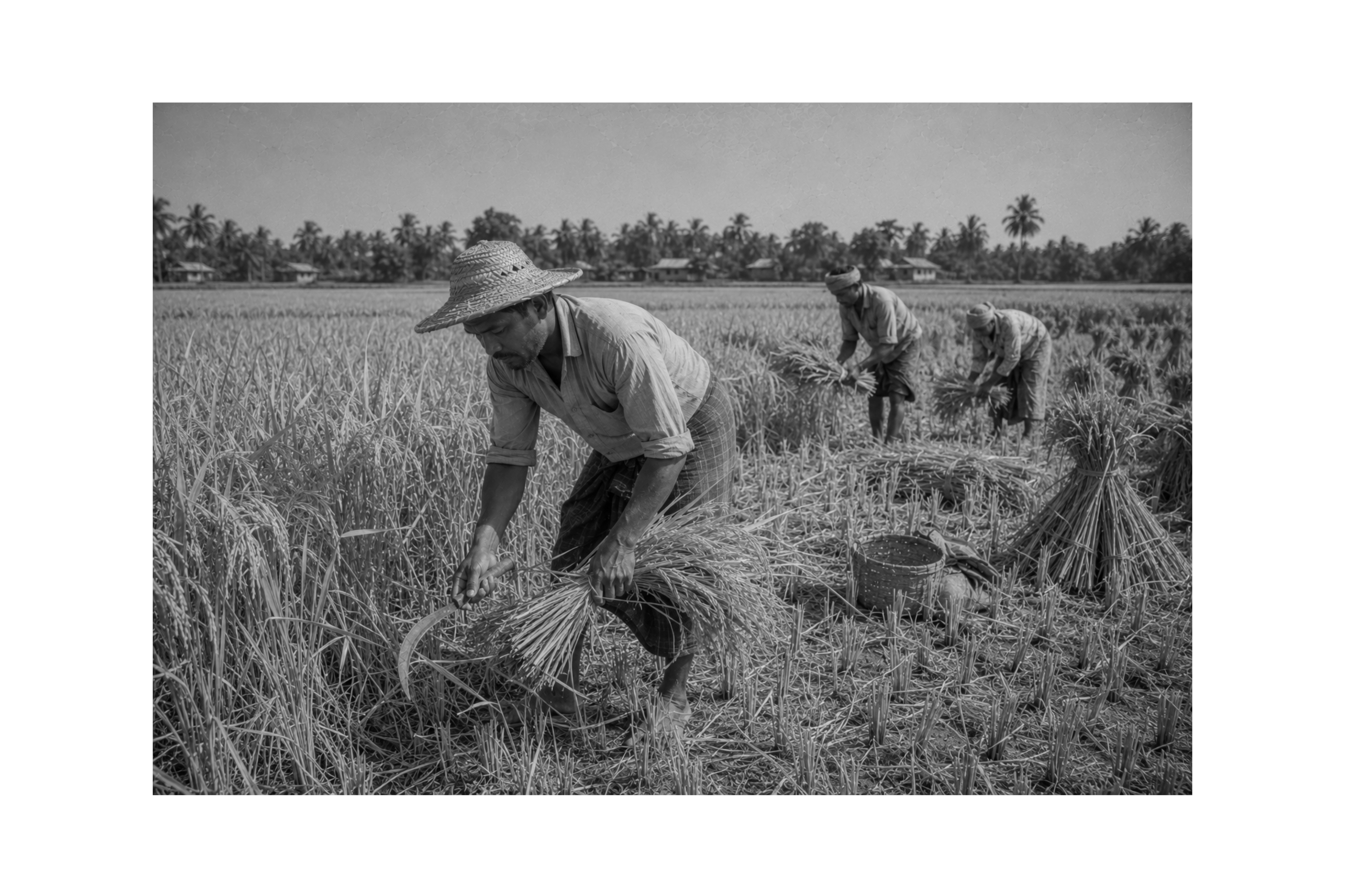
Áilla
Farmer
Áilla refers to a farmer, one of the most central occupations within Rohingya society given Arakan's long history as an agricultural region. Farmers manage rice cultivation, vegetable growing, and seasonal farming work that forms the backbone of food production for many communities. Their work follows the rhythm of the seasons, from planting to harvesting, often accompanied by traditional farming songs. Áilla remains one of the most important and widely practiced professions among Rohingya people today.
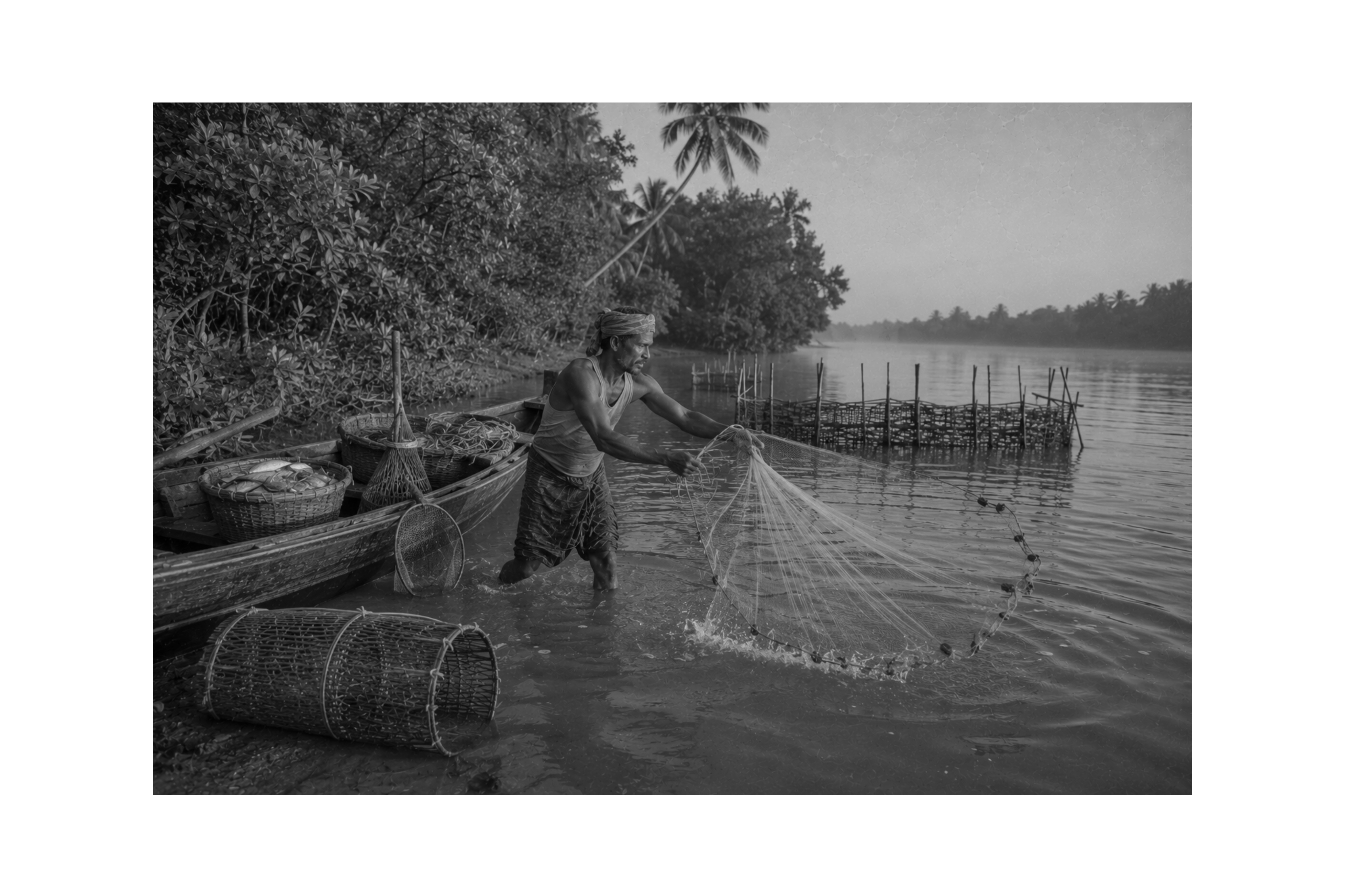
Zailla
Fisherman
Zailla refers to a fisherman, a profession closely tied to Arakan's rivers, ponds, and coastal waters that have long provided a major food source for Rohingya communities. Fishermen use tools such as Zak, Luúi, Sai, and Berá to catch fish for both household consumption and sale. This trade requires deep knowledge of local water conditions and fish behavior, passed down through generations. Zailla remains an essential and widely practiced profession within Rohingya society today.

Moloi Saab
Religious Scholar
Moloi Saab refers to a religious Alim, a scholar trained in Islamic knowledge who plays a guiding role within the Rohingya community. These figures lead prayers, teach at madrasas, and provide religious guidance on matters of daily life and faith. Their position carries deep respect within the community, given the central role of religion in Rohingya culture. Moloi Saab remains a highly respected profession among Rohingya people, both in Arakan and the diaspora.
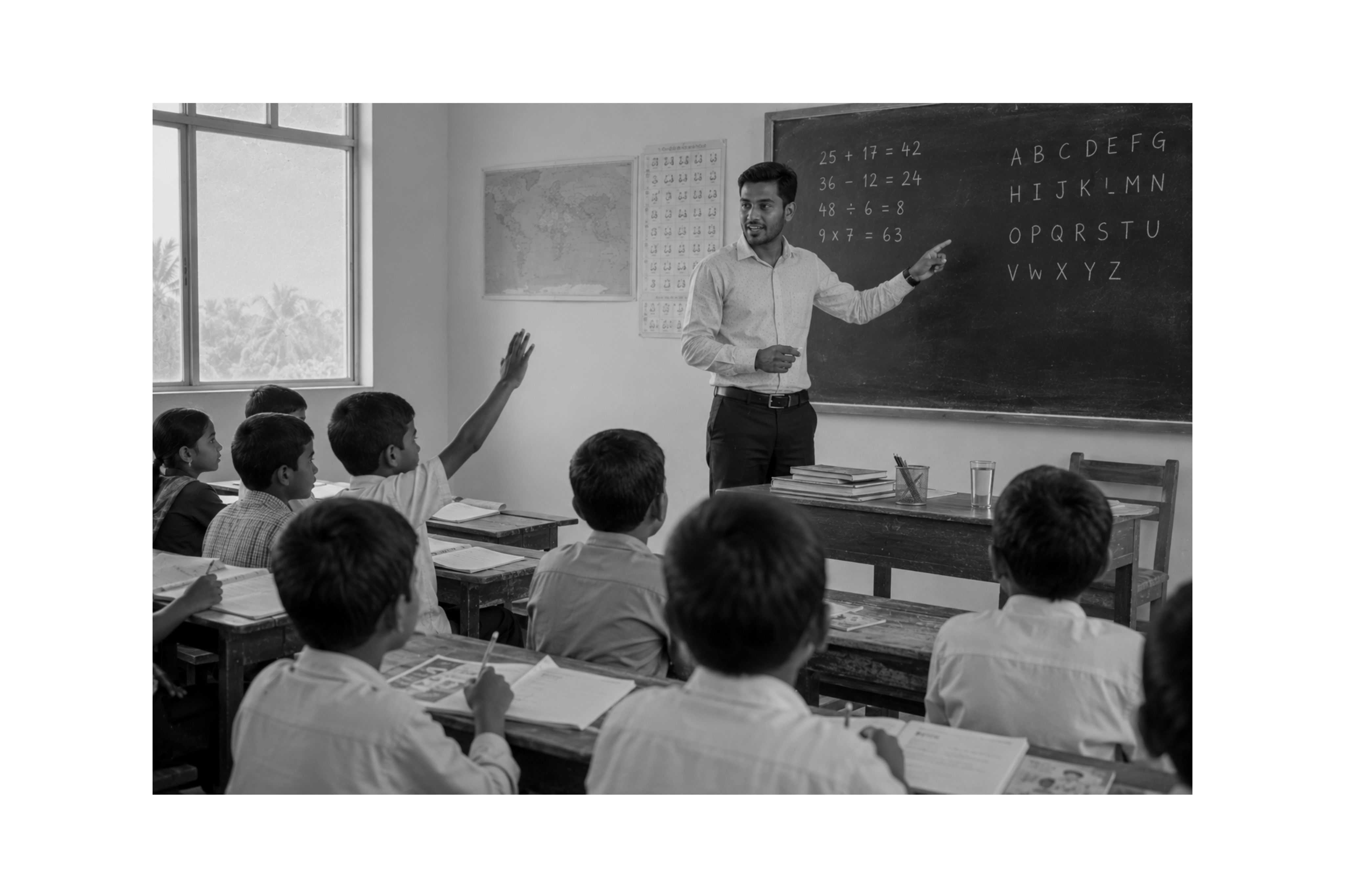
Mashtór
Teacher
Mashtór refers to a teacher, responsible for educating children in schools alongside religious instruction provided at madrasas. Teachers play an important role in passing on both general knowledge and cultural values to the next generation of Rohingya children. Access to education has varied greatly across different times and locations, making the presence of a teacher an important community resource. Mashtór remains a valued profession within Rohingya communities wherever schooling is accessible today.
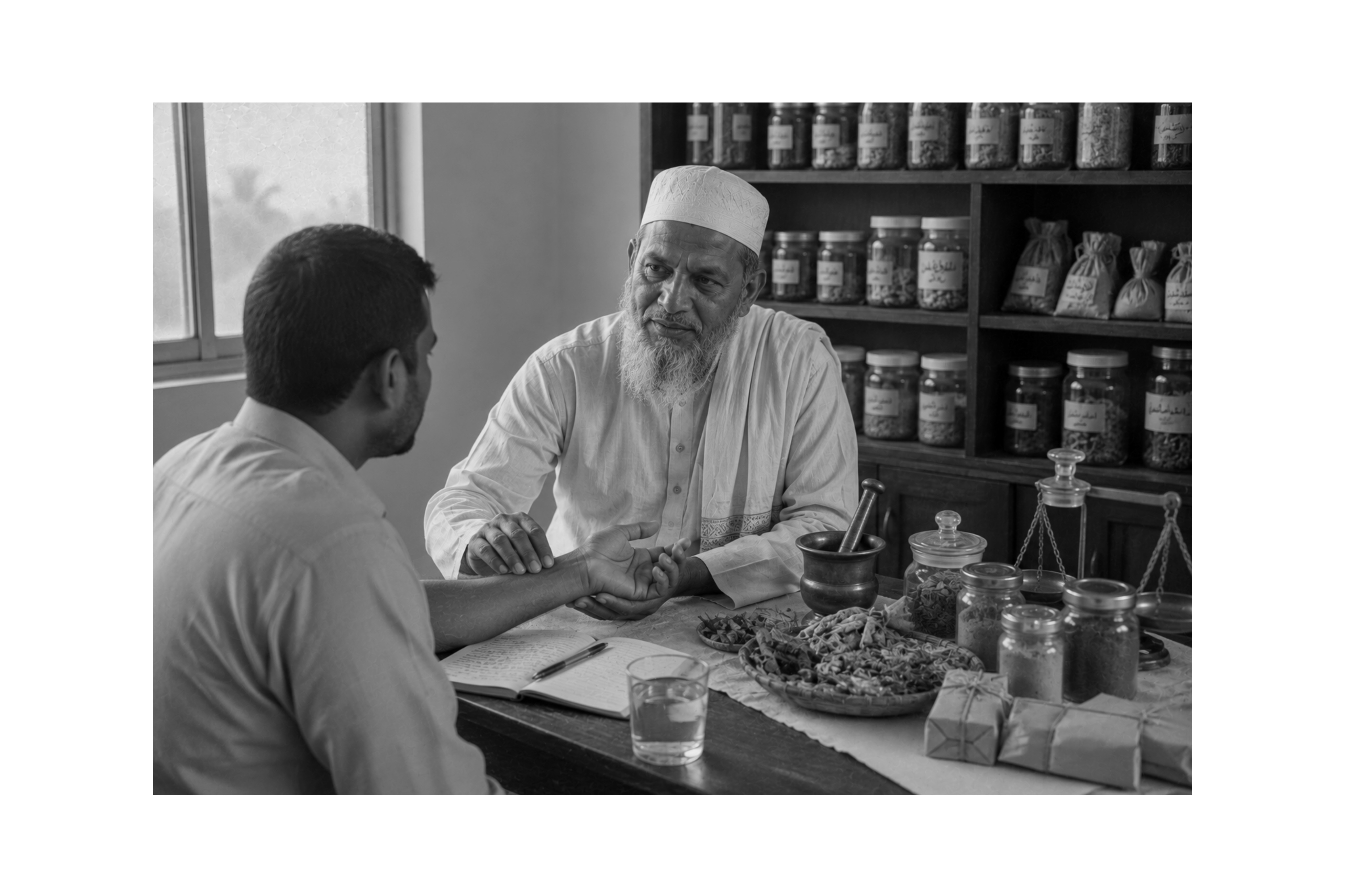
Hakeem
Traditional Physician
Hakeem is a traditional practitioner who uses theories and techniques developed hundreds of years ago within the Rohingya community to treat and improve people's physical and mental health. Before modern hospitals became widely accessible, Hakeem practitioners served as a primary source of medical care for many families. Their knowledge, often passed down through generations, combined natural remedies with traditional healing methods. Hakeem remains part of Rohingya traditional medicine, still practiced and trusted in some communities today.
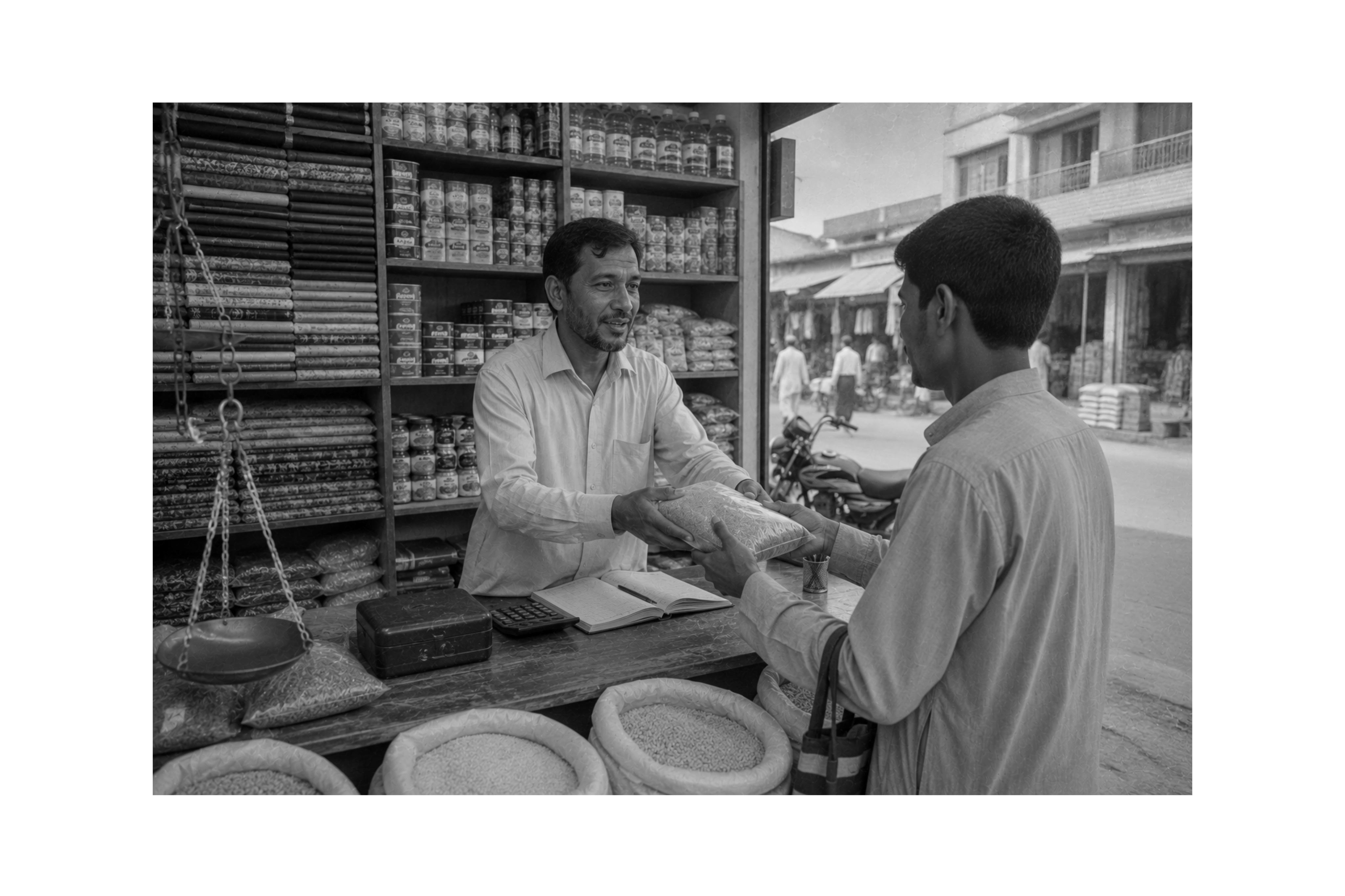
Shodór
Businessman
Shodór refers to a businessman, someone who works in trade or commerce within Rohingya communities. This profession has played a key role in connecting villages to wider markets, supplying goods and services that support daily life. Business activity, whether small local trade or larger commerce, has long been part of the Rohingya economy. Shodór remains an active and important profession within Rohingya society today, wherever trade opportunities exist.
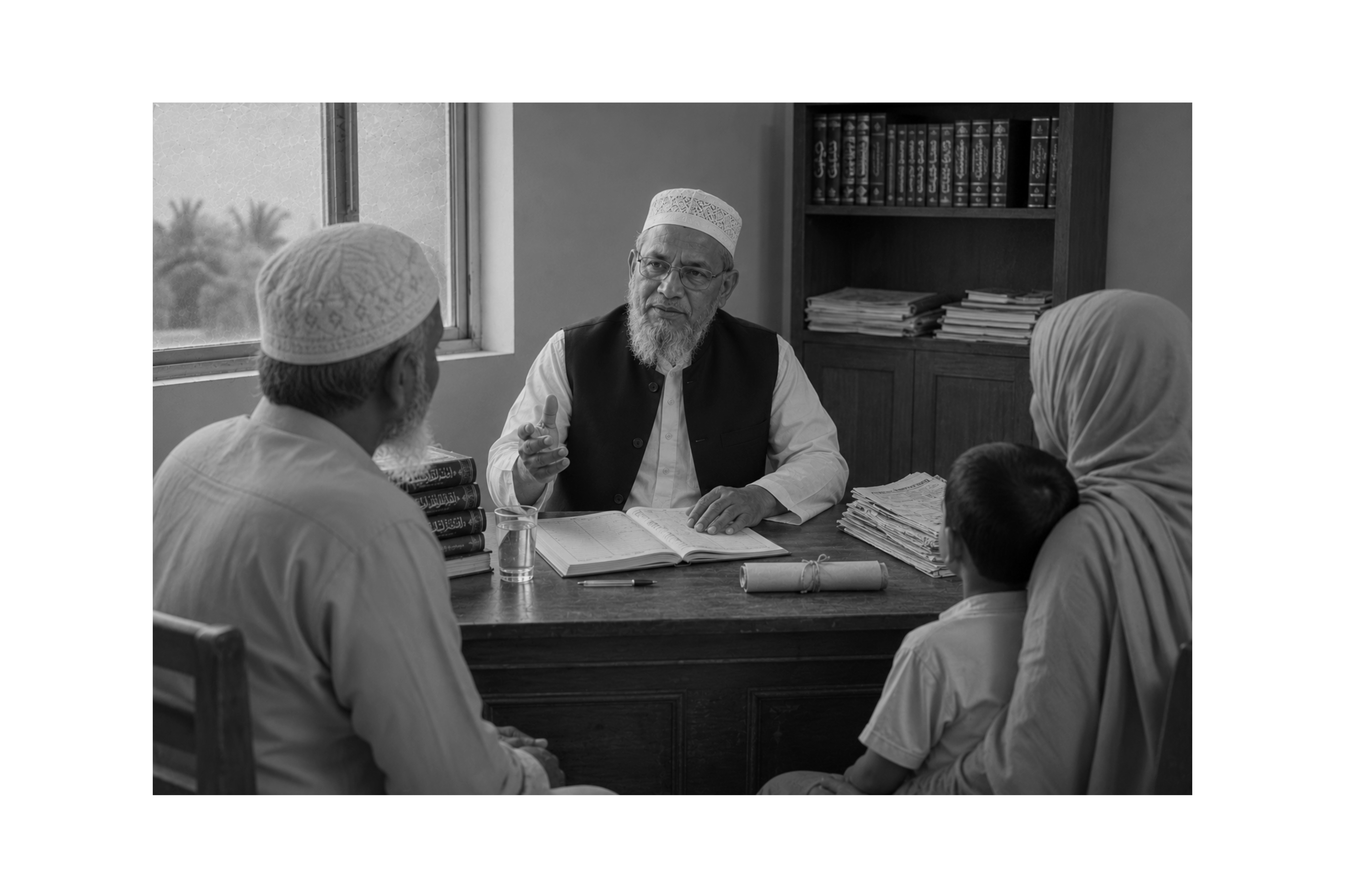
Kazi / Kadi
Sharia Judge
Kazi, also called Kadi, is the magistrate or judge of a sharia court, responsible not only for legal judgments but also for extrajudicial roles such as mediation, guardianship over orphans and minors, and oversight of public works. This position combined legal authority with broader community responsibility, making it an important role in maintaining social order. The Kazi's judgments were guided by Islamic legal principles. This role remains recognized within Rohingya religious and community structures today.
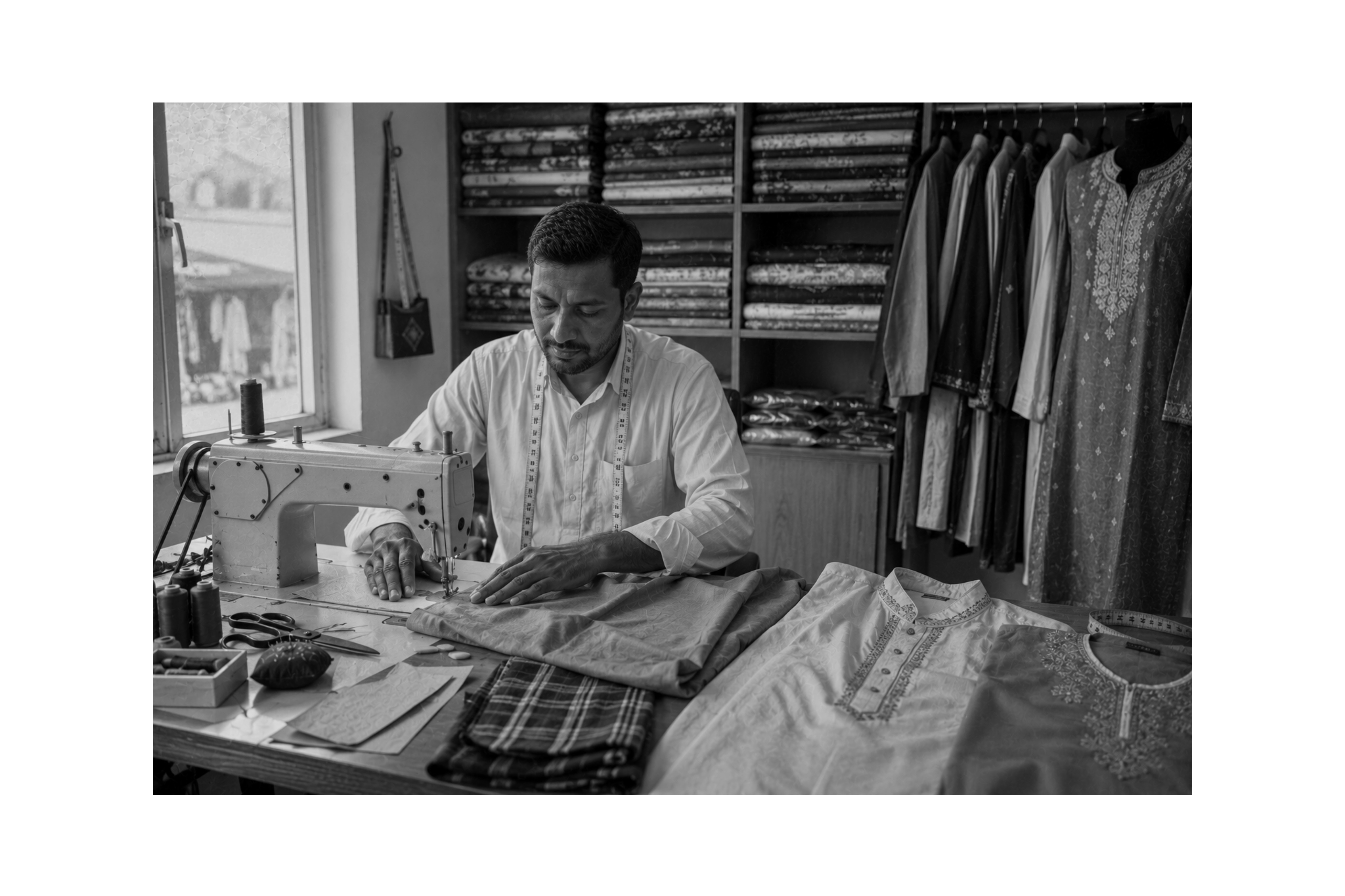
Hóliba
Tailor
Hóliba refers to a tailor, a person whose occupation is making or altering garments and different kinds of dresses to fit a particular person. Both men and women work as tailors within Rohingya communities, providing clothing suited to everyday wear, religious dress, and special occasions like weddings. This trade requires skill in sewing and understanding of traditional garment styles such as Longi, Kurta, and Zagara. Hóliba remains an active and valued profession within Rohingya communities today.
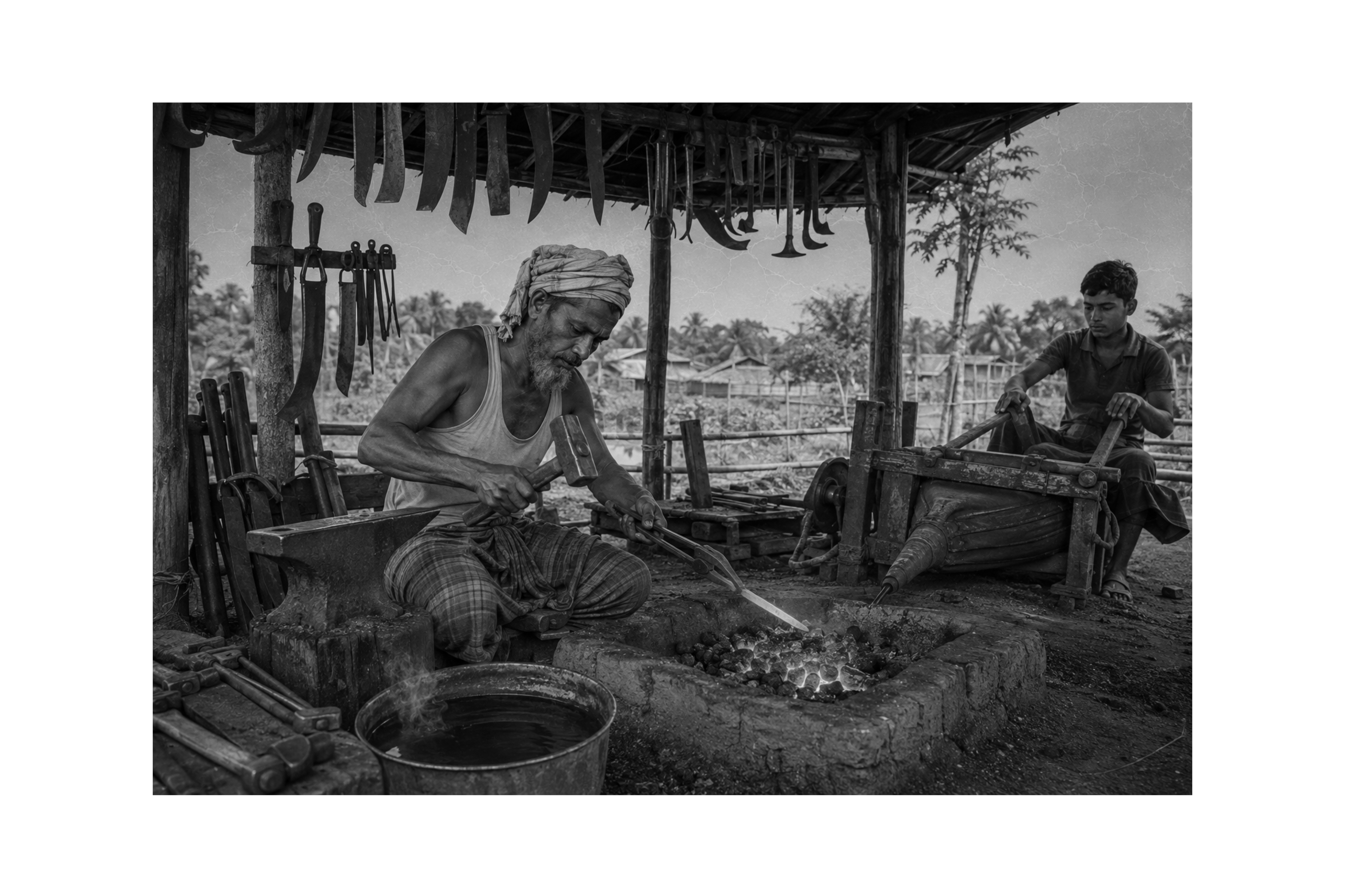
Houñjjá
Blacksmith
Houñjjá refers to a blacksmith, a craftsperson skilled in working with metal to create tools, household items, and other useful objects. This trade required knowledge of heating and shaping metal, providing communities with essential equipment for farming, cooking, and daily life. Blacksmiths played a practical and valued role in supporting other trades that relied on metal tools. Houñjjá remains recognized as a traditional profession within Rohingya craft and trade history.
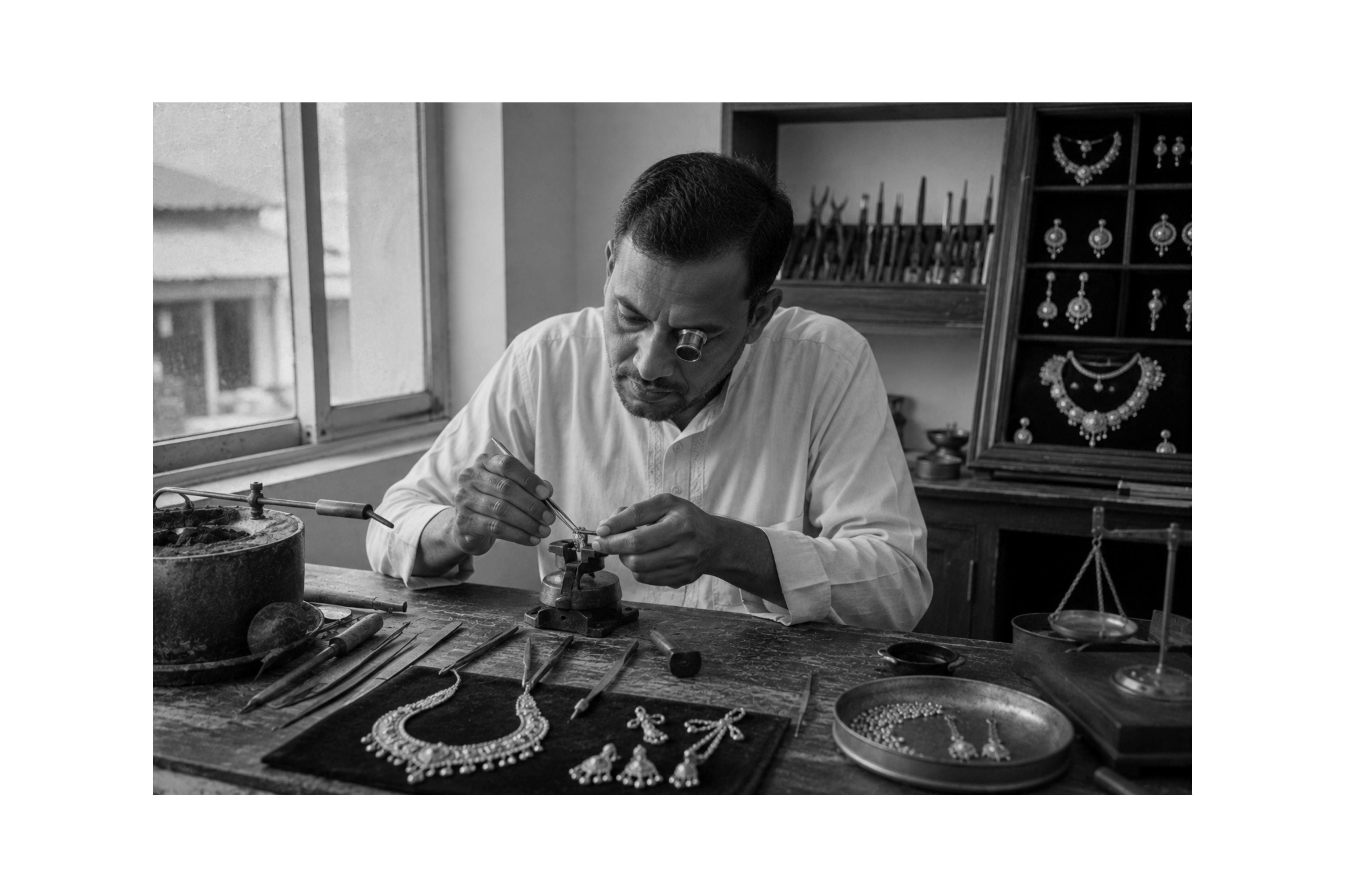
Bainna
Goldsmith
Bainna refers to a goldsmith, a craftsperson skilled in making jewellery and ornaments from gold and other precious metals. Given the strong cultural importance of jewellery like Bayok, Hanfúl, and Nakfúl in weddings and celebrations, goldsmiths played an essential role in Rohingya cultural and family life. Their detailed handwork turned raw metal into meaningful pieces passed down through generations. Bainna remains a respected traditional profession within Rohingya craft and cultural tradition.
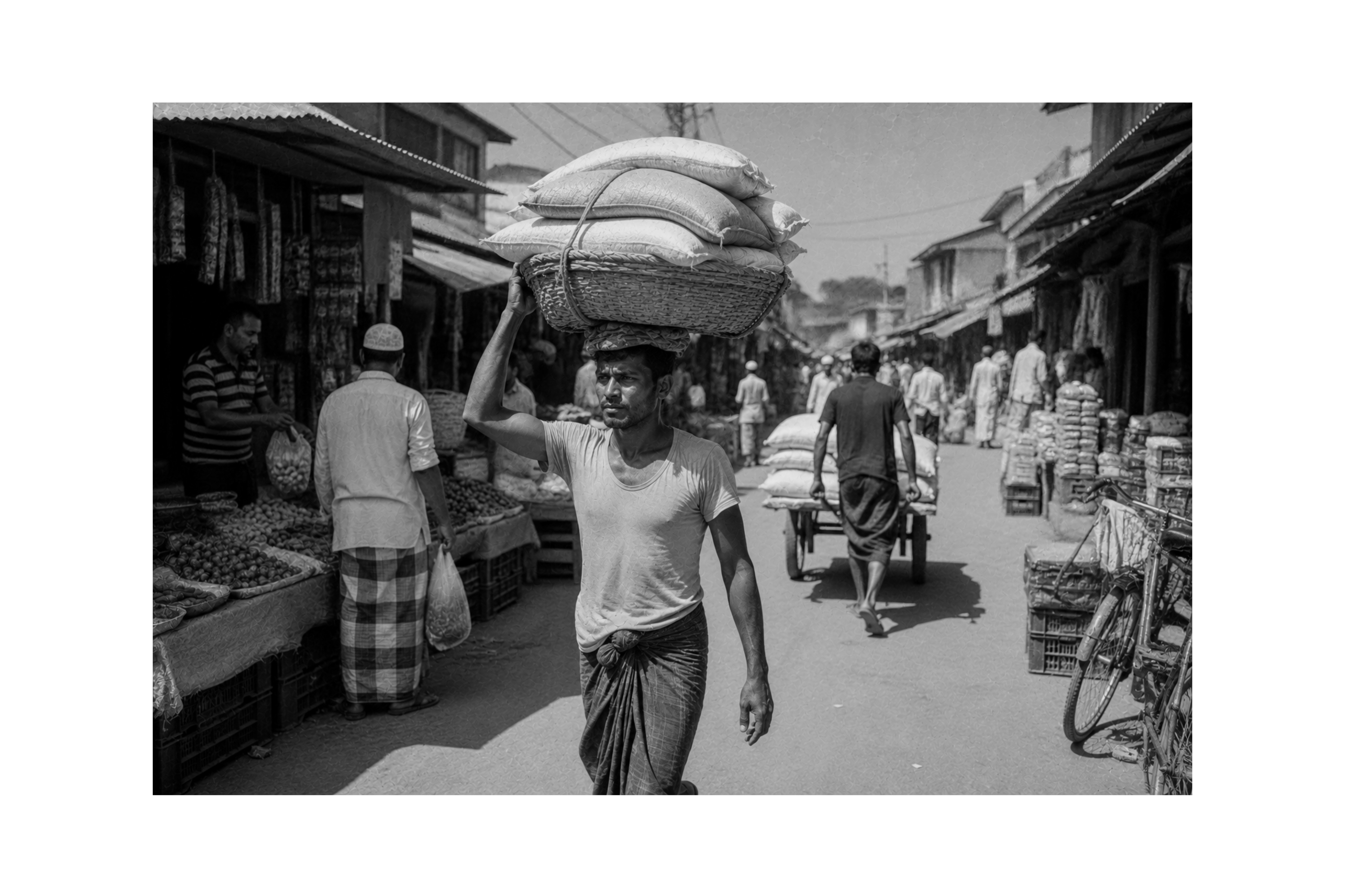
Kulí
Porter
Kulí refers to a porter or workman, someone who carries goods and performs manual labor tasks within the community. This profession supported trade, transportation, and daily work that required physical effort to move goods from one place to another. Porters played a practical, often overlooked role in keeping village and market life running smoothly. Kulí remains part of the traditional range of manual labor professions found within Rohingya society.
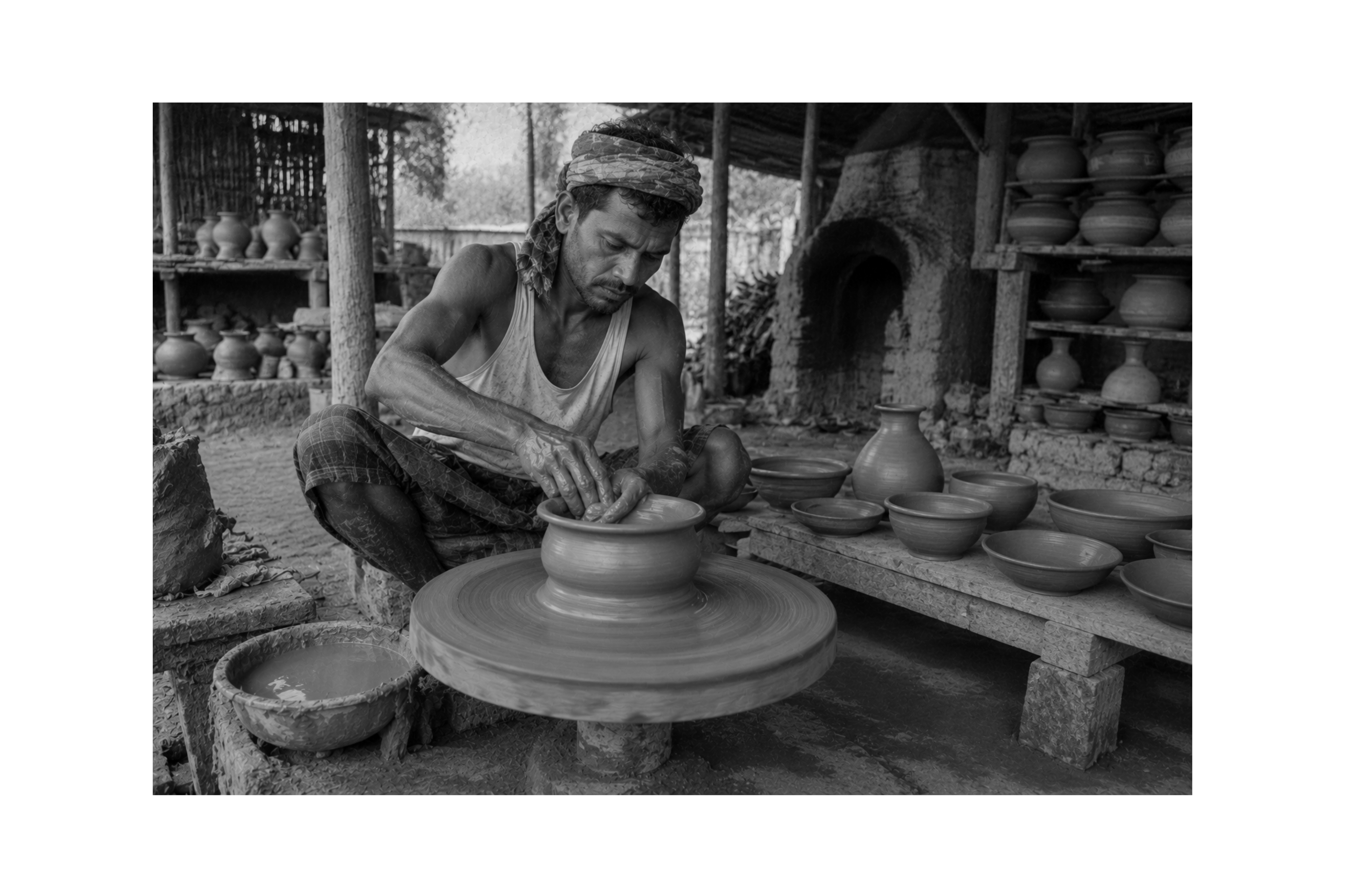
Kuáñijjá
Potter
Kuáñijjá refers to a potter, a person who makes dishes, plates, and other objects from clay, usually shaping them by hand on a special wheel. Before steel and glass items became widely available, potters supplied households with essential clay dishware such as cups, plates, and cooking vessels. This craft required skill in shaping and firing clay into durable, useful items. Kuáñijjá remains recognized as an important traditional craft profession within Rohingya cultural history.
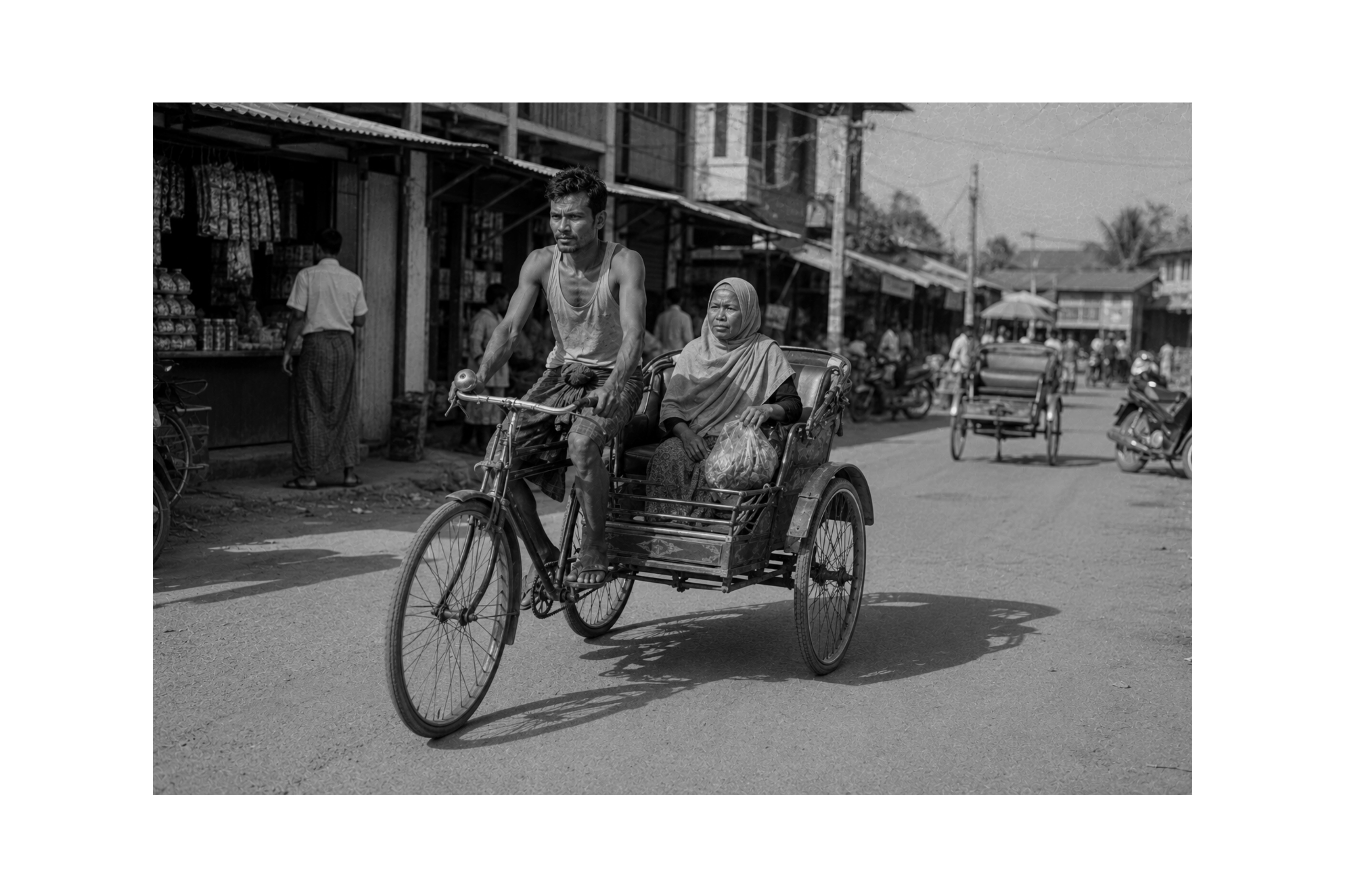
Saikkawala
Rickshaw Puller
Saikkawala refers to a rickshaw puller, someone who operates a human-powered rickshaw, a three-wheeled cart that seats one or two passengers, pulled by a runner. This profession provided an accessible mode of local transportation for people traveling short distances within towns and villages. It required physical stamina and offered a practical livelihood for those without other trade skills. Saikkawala remains a recognized traditional profession connected to everyday Rohingya transportation.
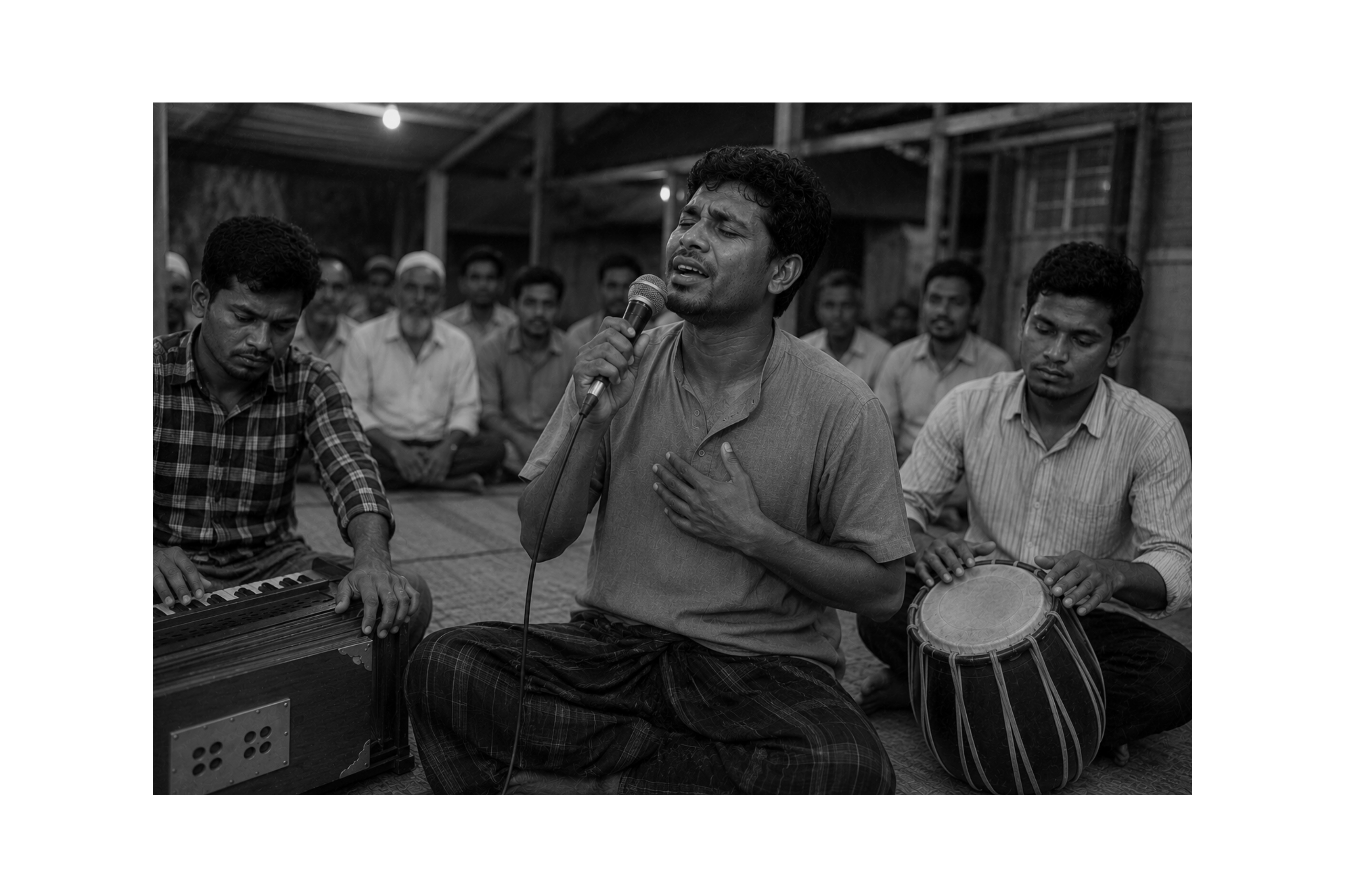
Goóya
Singer
Goóya refers to a singer, someone who performs vocal music in a variety of genres within Rohingya culture. Some singers specialize in particular styles such as Tarana, Hoñla, or Zaari, dedicating themselves to preserving and performing specific musical traditions. Singers played an important role in community events, weddings, and religious gatherings, keeping Rohingya musical heritage alive through performance. Goóya remains a respected and active profession within Rohingya cultural life today.
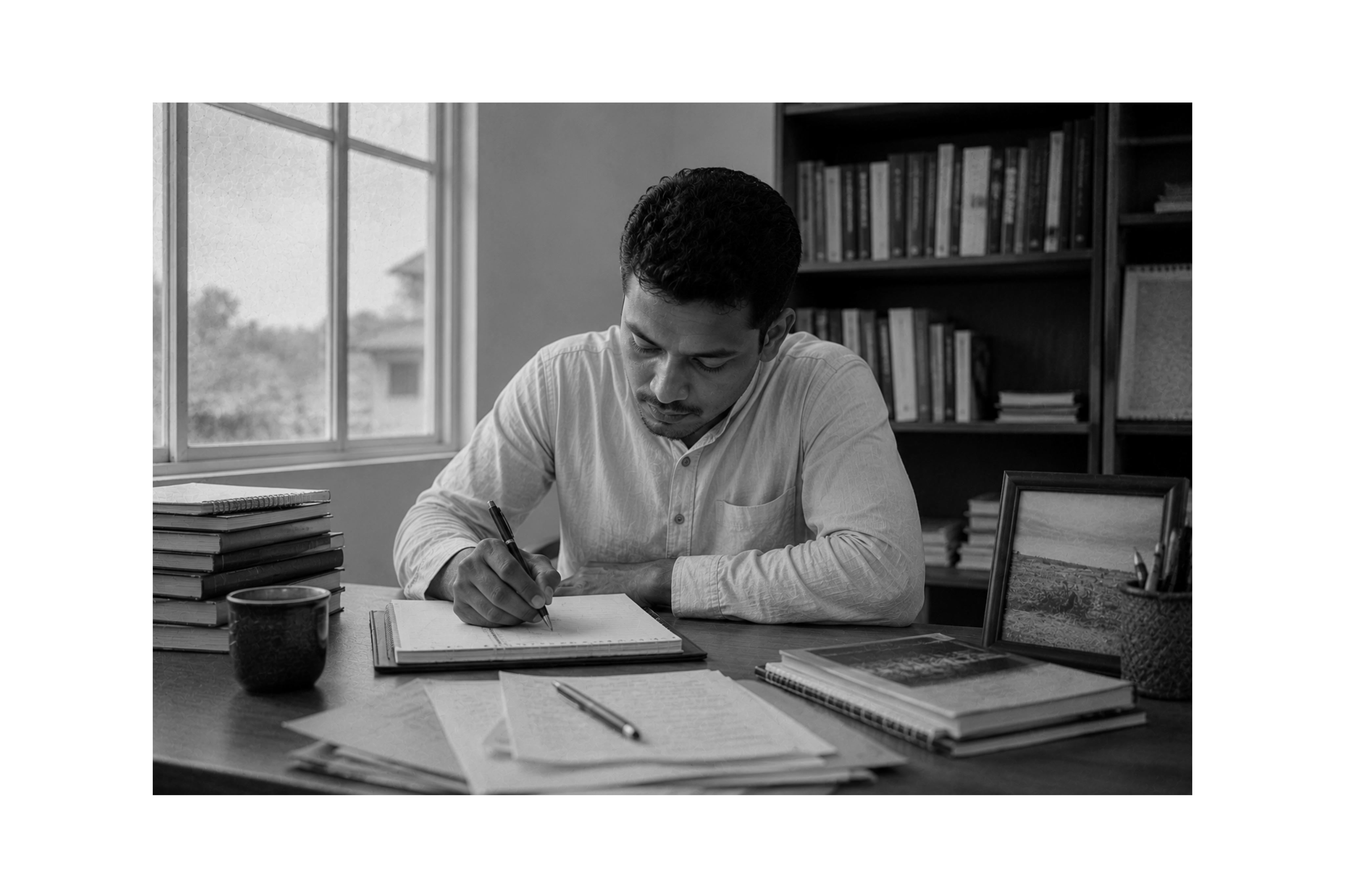
Lekóiya
Writer
Lekóiya refers to a writer, someone who uses written words across different styles, genres, and techniques to communicate ideas, inspire emotion, or entertain. Writers have played a role in documenting Rohingya history, stories, and experiences, preserving cultural knowledge in written form. This profession has become increasingly important for recording and sharing Rohingya identity, especially amid displacement. Lekóiya remains a valued profession within Rohingya intellectual and cultural life today.
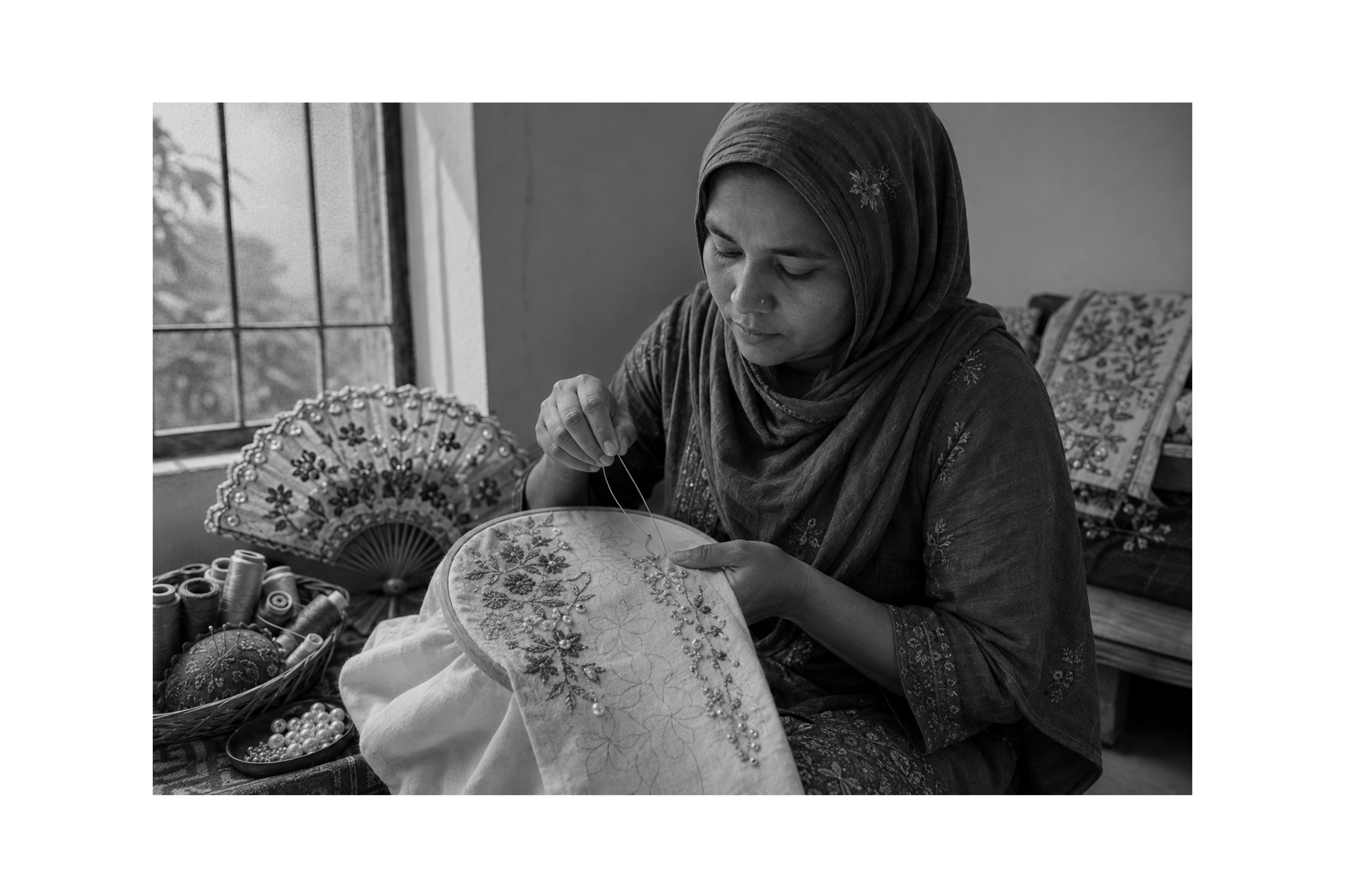
Fúl Túloní
Embroiderer
Fúl Túloní refers to the craft of embroidery, decorating fabric or other materials using a needle to apply thread or yarn, sometimes incorporating pearls, beads, or sequins. This skilled handwork appears in traditional clothing, fans, and other decorative items within Rohingya culture. Embroiderers add artistic detail to otherwise simple garments and objects, blending function with beauty. Fúl Túloní remains an active traditional craft within Rohingya communities today.
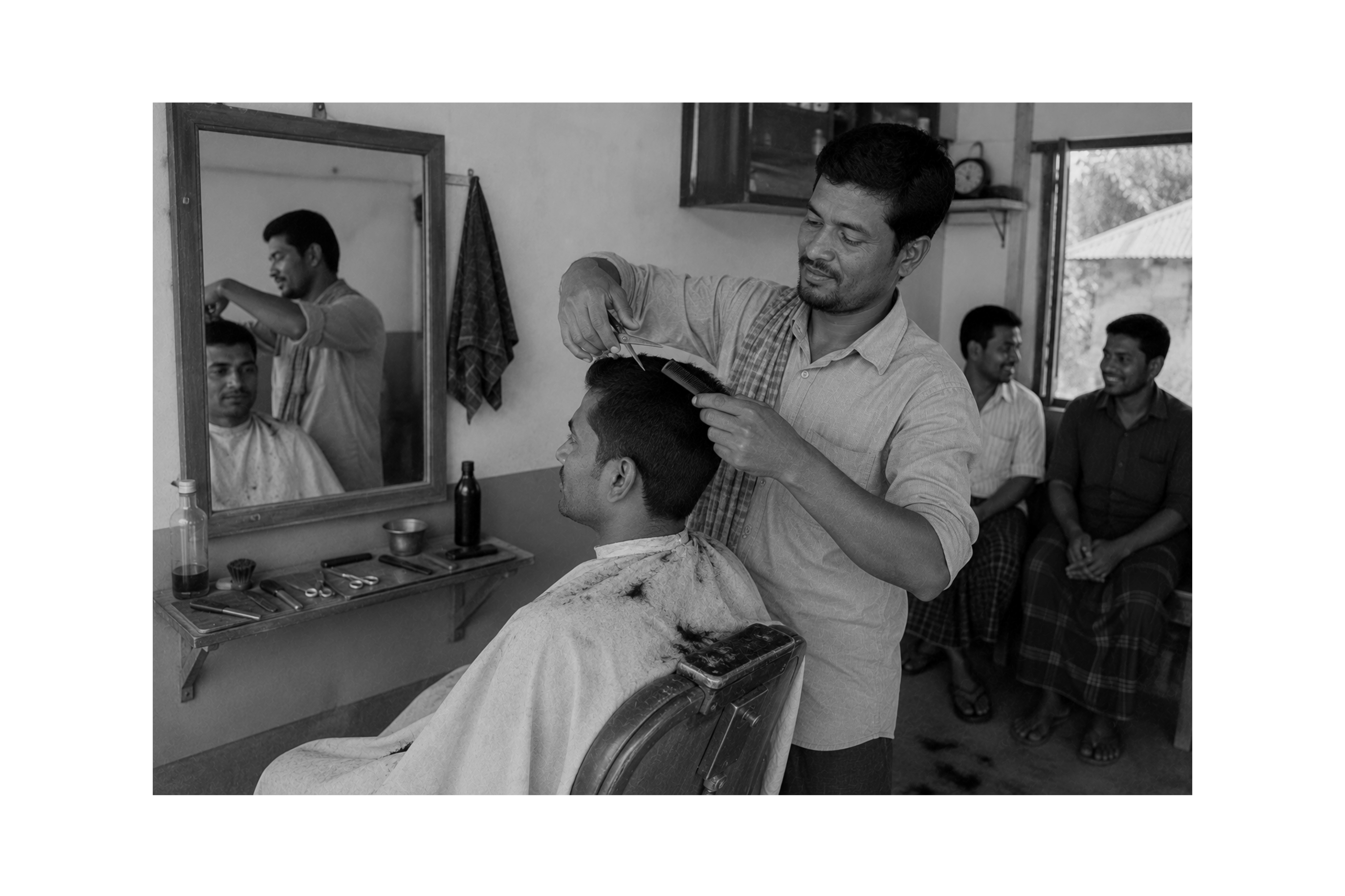
Nafít
Barber
Nafít refers to a barber, someone whose profession involves cutting hair for men within the community. This everyday service has remained a consistent need across generations, with barbers often serving as familiar figures within village life. Beyond haircuts, local barbers sometimes served as informal social gathering points where men would talk while waiting their turn. Nafít remains an active and necessary profession within Rohingya communities today.